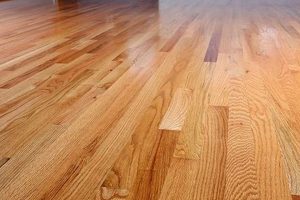
A protective coating applied to wooden floors, designed to enhance their durability and aesthetic appeal, typically consists of synthetic resins. These resins, when cured, form a tough, clear layer resistant to scratches, abrasions, and water damage. For instance, applying this coating to oak flooring creates a surface that withstands daily wear and tear, extending the lifespan of the floor.
The employment of such a surface treatment is essential for preserving the integrity of hardwood floors in high-traffic areas. It safeguards the wood from staining, fading, and physical damage, thereby reducing the frequency of costly repairs or replacements. Historically, natural oils and waxes were used for floor protection; however, modern synthetic formulations offer superior durability and longevity, making them a preferred choice for many applications. This protective layer not only enhances the floor’s resistance to environmental factors but also contributes to its overall visual appeal, providing a lustrous and easily maintainable surface.
The subsequent sections will delve into the various types available, detailing their application methods, drying times, and specific performance characteristics. Further discussion will encompass factors influencing the selection process, along with best practices for maintaining floors treated with this protective sealant.
Essential Guidance for Optimal Application and Longevity
Achieving a professional and lasting result necessitates careful attention to detail during application and ongoing maintenance. The following guidelines offer practical advice to maximize the benefits and extend the lifespan of the treated surface.
Tip 1: Surface Preparation is Paramount: Ensure the wood surface is clean, dry, and free from contaminants such as wax, grease, or previous coatings. Sanding to a smooth, even finish is crucial for proper adhesion and a uniform appearance. Inadequate preparation can lead to blemishes, peeling, and premature failure.
Tip 2: Select the Appropriate Sheen Level: Gloss, semi-gloss, satin, and matte finishes offer varying degrees of reflectivity and durability. High-gloss options exhibit greater scratch resistance but may highlight imperfections, while matte finishes conceal flaws but may require more frequent cleaning. The choice depends on aesthetic preferences and anticipated traffic levels.
Tip 3: Apply Thin, Even Coats: Multiple thin coats are preferable to a single thick coat. Thick applications can result in uneven drying, bubbles, and a prolonged curing time. Use a high-quality applicator and maintain consistent pressure to avoid streaks or lap marks.
Tip 4: Allow Adequate Drying Time Between Coats: Adhering to the manufacturer’s recommended drying times is essential for proper curing and adhesion. Insufficient drying can lead to a soft, tacky finish that is susceptible to damage. Ensure proper ventilation during the drying process to facilitate solvent evaporation.
Tip 5: Consider a Sealer Coat: Applying a sealer coat prior to the finish can improve adhesion, reduce grain raising, and enhance color uniformity, particularly on porous wood species. A compatible sealer is crucial for optimal performance.
Tip 6: Maintain Proper Environmental Conditions: Ideal application and curing conditions involve a temperature range of 65-75F and a relative humidity level of 40-60%. Extreme temperatures or humidity can negatively affect the curing process and the final finish quality.
Tip 7: Regular Cleaning is Essential: Use a pH-neutral floor cleaner specifically designed for hardwood floors. Avoid harsh chemicals, abrasive cleaners, and excessive water, as these can damage the finish and the underlying wood. Regular sweeping or vacuuming helps remove abrasive particles that can scratch the surface.
Following these guidelines will contribute to a durable, aesthetically pleasing, and long-lasting floor. Proper application and consistent maintenance are vital for realizing the full potential of the protective sealant and preserving the beauty of the hardwood flooring.
The subsequent section will address troubleshooting common issues, providing solutions to problems encountered during the application and maintenance processes.
1. Durability

Durability is a paramount attribute of any protective coating applied to hardwood floors. The primary function of a poly hardwood floor finish is to provide a resilient barrier against the daily wear and tear inherent in residential and commercial environments. Scratches, abrasions, impacts, and chemical exposure all contribute to the degradation of a floor surface over time. The inherent durability of the finish, therefore, directly correlates with the lifespan and aesthetic appeal of the underlying hardwood. A finish with poor durability will quickly exhibit signs of damage, necessitating more frequent repairs, refinishing, or even complete floor replacement. For example, a high-traffic hallway coated with a low-durability finish may require refinishing within a few years, while a more durable product could easily withstand a decade or more of similar use.
The composition and application of the finish significantly influence its durability. Polyurethane-based finishes, known for their hardness and flexibility, offer superior scratch and abrasion resistance compared to older coatings like varnish or shellac. Factors such as the number of coats applied, the thickness of each coat, and the proper curing time also play a crucial role. Inadequately applied or cured finishes are inherently weaker and more prone to damage. Furthermore, the specific formulation of the finish can be tailored to meet different durability requirements. For instance, finishes designed for commercial applications often incorporate additives that enhance scratch resistance and chemical resistance to withstand the more demanding conditions of a high-traffic retail space.
In conclusion, the connection between durability and poly hardwood floor finish is fundamental. Durability is not merely a desirable characteristic but an essential requirement for effectively protecting and preserving hardwood flooring. Selecting a finish with appropriate durability for the intended use, coupled with proper application and maintenance, is critical for maximizing the longevity and aesthetic value of the floor. The financial implications of choosing a low-durability product, in terms of increased maintenance and premature replacement costs, underscore the practical significance of this understanding. Addressing the challenges of wear and tear through informed selection and conscientious application remains the cornerstone of maintaining beautiful and long-lasting hardwood floors.
2. Abrasion Resistance

Abrasion resistance, in the context of poly hardwood floor finish, denotes the ability of the protective coating to withstand damage from friction and wear caused by foot traffic, furniture movement, and other abrasive forces. This property is a crucial determinant of the floor’s long-term appearance and durability, directly impacting maintenance requirements and overall lifespan.
- Composition of the Finish
The type and quality of the resins used in the finish formulation significantly influence abrasion resistance. Polyurethane-based finishes, for instance, generally offer superior abrasion resistance compared to lacquer or shellac due to their inherent hardness and flexibility. Finishes containing ceramic or aluminum oxide particles further enhance this property, providing a more durable and scratch-resistant surface. The molecular structure of the cured polymer network dictates its resistance to deformation and material removal under abrasive forces.
- Film Thickness and Curing
Abrasion resistance is also dependent on the thickness of the applied finish and the effectiveness of the curing process. Multiple thin, properly cured coats provide a more resilient barrier than a single thick coat. Inadequate curing, often due to insufficient drying time or improper environmental conditions, can result in a softer, more vulnerable finish. The degree of cross-linking within the polymer matrix achieved during curing directly impacts its resistance to scratching and wear.
- Sheen Level
While not a direct determinant of abrasion resistance, the sheen level of the finish can influence the perceived appearance of wear. Higher gloss finishes tend to show scratches and scuff marks more readily than matte or satin finishes, even if the underlying abrasion resistance is comparable. This is due to the increased light reflection off the smooth surface, which highlights imperfections. The choice of sheen level, therefore, involves a trade-off between aesthetic preference and the visibility of surface wear.
- Maintenance Practices
Even the most abrasion-resistant finish requires proper maintenance to preserve its integrity. The use of abrasive cleaning agents, heavy foot traffic, and the presence of dirt and grit can all contribute to premature wear. Regular sweeping or vacuuming, along with the use of pH-neutral cleaning solutions, helps to minimize abrasive forces and extend the lifespan of the finish. Employing mats and rugs in high-traffic areas provides an additional layer of protection against abrasion.
The connection between abrasion resistance and poly hardwood floor finish highlights the importance of selecting a product that is appropriately matched to the intended use of the floor. Factors such as foot traffic volume, the presence of pets, and the likelihood of spills or abrasive contact should all be considered when choosing a finish. A balance between durability, aesthetic appeal, and maintenance requirements is essential for achieving a long-lasting and visually pleasing hardwood floor.
3. Moisture Protection

Moisture protection is a critical function of any floor finish applied to hardwood. The inherent susceptibility of wood to moisture-related damage necessitates a robust barrier to prevent warping, swelling, and decay. Poly hardwood floor finish formulations are designed, in part, to provide this essential protection, albeit with varying degrees of effectiveness.
- Water Vapor Permeability
A key characteristic influencing moisture protection is the finish’s water vapor permeability. This property dictates the rate at which water vapor can pass through the coating. A lower permeability indicates better protection against moisture intrusion. Polyurethane finishes, particularly those with multiple coats, generally exhibit low permeability, effectively slowing the rate of moisture absorption by the wood. Conversely, finishes with higher permeability offer less resistance, potentially leading to moisture-related problems in humid environments or areas prone to spills.
- Hydrophobic Properties
Many poly hardwood floor finishes incorporate hydrophobic additives that repel water and other liquids. These additives create a surface tension that causes liquids to bead up rather than penetrate the coating. This beading action facilitates easier cleanup and reduces the likelihood of standing water seeping into the wood through micro-cracks or imperfections in the finish. The effectiveness of these hydrophobic properties diminishes over time due to wear and tear, underscoring the need for periodic maintenance and reapplication.
- Sealing of Wood Pores
The application of a poly hardwood floor finish effectively seals the pores of the wood, preventing direct contact with moisture. This sealing action is particularly important for open-grained wood species like oak or ash, which are more susceptible to water absorption. The initial coats of finish penetrate the wood fibers, filling voids and creating a continuous barrier against moisture penetration. Proper sanding and preparation of the wood surface are essential for achieving effective pore sealing.
- Resistance to Chemical Spills
Beyond protection from water, some poly hardwood floor finishes offer resistance to chemical spills that can stain or damage the wood. These finishes contain additives that create a barrier against acids, alkalis, and solvents commonly found in household cleaners or spilled liquids. While not impervious to all chemicals, they provide a degree of protection against staining and etching, preserving the aesthetic appearance of the floor. The specific chemical resistance properties vary depending on the formulation of the finish.
The facets of water vapor permeability, hydrophobic properties, pore sealing, and chemical spill resistance all contribute to the overall moisture protection afforded by poly hardwood floor finish. Selecting a finish with appropriate properties for the specific environment and intended use is critical for mitigating the risk of moisture-related damage and ensuring the longevity of the hardwood flooring. Considerations should include the humidity levels, potential for spills, and the type of cleaning agents used, to achieve the optimal balance of protection and aesthetic appeal.
4. Application Method

The efficacy of any protective coating, including poly hardwood floor finish, is intrinsically linked to the chosen and executed application method. Regardless of the inherent qualities of the material, improper application will inevitably compromise its performance and longevity.
- Surface Preparation
Surface preparation constitutes the initial and often most critical phase of the application process. This entails meticulous cleaning to remove all contaminants, including dust, grease, and existing finishes. Sanding is typically required to create a uniform and receptive surface. Failure to adequately prepare the surface will result in poor adhesion, uneven finish appearance, and premature failure of the protective layer. The specific grit sequence employed during sanding, as well as the thoroughness of dust removal, directly impact the final outcome.
- Applicator Selection
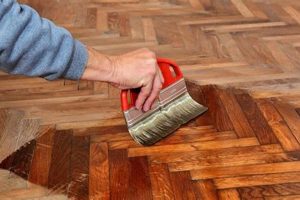
The choice of applicator, whether brush, roller, or pad applicator, exerts a significant influence on the uniformity and thickness of the applied finish. Brushes are often preferred for detail work and edges, while rollers are more efficient for larger surface areas. Pad applicators provide a smooth, even coat but require careful maintenance to prevent streaking. The material of the applicator, such as natural bristles or synthetic fibers, must be compatible with the specific poly hardwood floor finish being used to avoid solvent-related degradation or contamination.
- Application Technique
The application technique itself encompasses several critical factors, including the direction of application, the overlap between passes, and the pressure exerted on the applicator. Consistent application pressure and proper overlap are essential for achieving a uniform film thickness and avoiding streaks or lap marks. The direction of application should typically follow the grain of the wood to minimize the visibility of imperfections. Improper technique can lead to uneven drying, bubbles, and other surface defects.
- Environmental Control
Environmental factors, such as temperature and humidity, significantly impact the drying and curing process of poly hardwood floor finish. Extreme temperatures can accelerate or retard the drying rate, potentially leading to cracking or blistering. High humidity levels can interfere with the evaporation of solvents, resulting in a soft or tacky finish. Maintaining optimal environmental conditions, as specified by the manufacturer, is crucial for achieving a durable and aesthetically pleasing result. Proper ventilation is also necessary to prevent the accumulation of harmful vapors.
The interplay of surface preparation, applicator selection, application technique, and environmental control collectively determines the ultimate success of any poly hardwood floor finish application. Neglecting any of these facets will invariably compromise the coating’s ability to protect and enhance the underlying hardwood flooring. A thorough understanding of these variables is therefore essential for achieving professional-grade results and maximizing the lifespan of the finished floor.
5. Curing Time

Curing time, in the context of poly hardwood floor finish, represents the duration required for the applied coating to achieve its intended hardness, durability, and chemical resistance. This period is critical; inadequate curing significantly compromises the protective properties of the finish. Premature use of a floor before full curing has occurred invariably leads to scratching, denting, and accelerated wear, negating the benefits the coating is designed to provide. For example, placing furniture on a floor before the recommended curing time can result in permanent indentations and bonding of the finish to the furniture legs, necessitating costly repairs or refinishing. The curing process involves the evaporation of solvents and the cross-linking of polymer chains, culminating in a robust, three-dimensional network that provides the desired protection. Variations in temperature, humidity, and finish formulation directly influence the optimal curing time. Adherence to the manufacturer’s specifications is paramount to ensuring that the finish attains its designed performance characteristics.
The practical implications of understanding curing time are substantial for both residential and commercial applications. Rushing the process to expedite occupancy or resume normal operations results in a diminished return on investment in the finish itself and the labor required for its application. In commercial settings, where downtime translates directly into lost revenue, a thorough understanding of curing timelines allows for more accurate project planning and scheduling. Moreover, a fully cured finish simplifies ongoing maintenance and cleaning, as it is more resistant to chemical damage and abrasion from routine use. Neglecting proper curing, conversely, leads to increased cleaning costs and the need for more frequent reapplication of the finish, incurring further expense and disruption.
In summary, the curing time is not merely a waiting period; it is an integral component of the entire poly hardwood floor finish process. It directly affects the long-term performance, appearance, and cost-effectiveness of the flooring system. Challenges related to curing time, such as variations in environmental conditions or deviations from manufacturer’s instructions, can be mitigated through careful planning, diligent monitoring, and adherence to established best practices. Recognizing the practical significance of this element is essential for maximizing the value and lifespan of hardwood floors protected with synthetic coatings.
6. Sheen Level

Sheen level, a critical attribute of poly hardwood floor finish, dictates the amount of light reflected from the floor’s surface, significantly influencing its visual appearance and perceived cleanliness. The choice of sheen, ranging from matte to high gloss, directly impacts the floor’s aesthetic and practical characteristics. A matte finish, for example, minimizes light reflection, concealing imperfections such as scratches and dust, while a high-gloss finish maximizes reflectivity, creating a sleek and luminous appearance but simultaneously highlighting any surface flaws. The selection, therefore, must align with the intended aesthetic and the anticipated level of maintenance. For instance, in high-traffic areas or homes with pets, a lower sheen level is often preferable due to its ability to mask wear and tear. Conversely, in formal living spaces, a higher sheen may be chosen to enhance the room’s elegance, albeit with a greater commitment to maintaining a pristine surface.
Beyond aesthetics, the sheen level also influences the perceived cleanliness of the floor. While a high-gloss finish might initially appear cleaner due to its reflective properties, it requires more frequent cleaning to maintain this appearance, as dust and smudges become readily visible. Matte finishes, on the other hand, tend to conceal minor dirt and imperfections, reducing the frequency of required cleaning. The practical application of this understanding is evident in commercial settings, where facility managers often opt for satin or semi-gloss finishes in high-traffic areas to balance aesthetic appeal with ease of maintenance. In residential settings, homeowners must weigh their aesthetic preferences against their willingness to dedicate time to cleaning and upkeep.
In conclusion, the sheen level of poly hardwood floor finish is a key component influencing both the visual aesthetic and practical maintenance of the floor. Its choice should reflect a careful consideration of the intended use of the space, the desired aesthetic, and the owner’s commitment to cleaning and upkeep. While not directly impacting the protective qualities of the finish, sheen level profoundly shapes the floor’s overall appearance and perceived value, making it a crucial decision in the finishing process.
7. Maintenance
The longevity and aesthetic preservation of hardwood floors protected by synthetic coatings are inextricably linked to diligent and appropriate maintenance practices. The applied finish, while providing a protective barrier, requires consistent care to retain its integrity and effectiveness against wear, abrasion, and environmental factors. Neglecting proper upkeep invariably leads to premature degradation of the coating, necessitating costly repairs or complete refinishing.
- Regular Cleaning Procedures
Routine removal of dust, dirt, and debris is essential for minimizing abrasive damage to the finish. Sweeping or vacuuming with a soft brush or felt head prevents the buildup of particulate matter that can scratch or dull the surface. Additionally, periodic damp mopping with a pH-neutral cleaning solution designed specifically for hardwood floors removes surface contaminants without compromising the protective coating. Abrasive cleaners or excessive water should be avoided, as they can damage the finish and penetrate the wood, leading to warping or staining. For example, a high-traffic hallway requires more frequent cleaning than a lightly used bedroom to mitigate the cumulative effects of foot traffic and associated debris.
- Spill Management and Prevention
Prompt and thorough cleanup of spills is crucial for preventing staining and water damage. Liquid spills, especially those containing acidic or alkaline substances, can penetrate the finish and cause discoloration or etching. Utilizing absorbent cloths to immediately blot spills and subsequently cleaning the affected area with a pH-neutral solution minimizes the risk of permanent damage. Protective measures, such as placing mats or rugs in areas prone to spills (e.g., near sinks or entryways), can further mitigate the risk of accidental staining or water damage. A simple spill of red wine, if left unattended for an extended period, can cause permanent discoloration that necessitates professional refinishing.
- Protection Against Furniture Damage
Preventing scratches and dents from furniture is essential for preserving the finish’s integrity. Utilizing felt pads or coasters under furniture legs minimizes direct contact with the floor surface, preventing abrasive damage during movement. Heavy furniture should be lifted rather than dragged across the floor to avoid creating scratches or gouges. For instance, placing felt pads under the legs of a dining room table and chairs significantly reduces the risk of damage caused by routine use. Similarly, using a protective mat under rolling office chairs prevents scratches and wear caused by repetitive movement.
- Recoating and Refinishing Considerations
Over time, even with meticulous maintenance, the poly hardwood floor finish will inevitably exhibit signs of wear. Recoating involves applying an additional layer of finish to rejuvenate the surface and restore its protective properties. This process typically requires light sanding to prepare the existing finish for adhesion. Refinishing, on the other hand, involves completely removing the existing finish and applying a new coating. This is typically necessary when the finish is severely damaged or when the floor requires staining to change its color. The decision to recoat or refinish depends on the extent of the damage and the desired aesthetic outcome. Regular inspections and prompt action can prevent minor wear from escalating into more significant problems requiring complete refinishing.
These maintenance practices, encompassing cleaning procedures, spill management, furniture protection, and periodic recoating or refinishing, are integral to maximizing the lifespan and visual appeal of hardwood floors protected by synthetic coatings. A consistent and proactive approach to maintenance safeguards the investment in the flooring and ensures its continued beauty and functionality for years to come. By attending to these elements, one enhances both the floor’s aesthetic and practical benefits and long lasting life.
Frequently Asked Questions About Poly Hardwood Floor Finish
This section addresses common inquiries regarding the selection, application, and maintenance of synthetic coatings for hardwood floors. The information presented aims to clarify misconceptions and provide guidance for achieving optimal results.
Question 1: What is the typical lifespan of a floor protected with poly hardwood floor finish?
The lifespan is contingent upon several factors, including the quality of the finish, the application technique, the level of foot traffic, and the rigor of maintenance practices. Under optimal conditions, a properly applied and maintained finish can last for 10-15 years before requiring recoating or refinishing. High-traffic areas, however, may necessitate more frequent maintenance or earlier intervention.
Question 2: Does the sheen level affect the durability of poly hardwood floor finish?
Sheen level primarily influences the aesthetic appearance of the floor and the visibility of imperfections. While not directly impacting durability, higher gloss finishes tend to show scratches and wear more readily than matte or satin finishes. The actual durability is primarily determined by the composition and application of the finish itself.
Question 3: How does humidity impact the curing process of poly hardwood floor finish?
Elevated humidity levels can impede the evaporation of solvents during the curing process, resulting in a softer, more pliable finish that is susceptible to damage. Conversely, low humidity can accelerate drying, potentially leading to cracking or blistering. Maintaining recommended humidity levels during application and curing is crucial for achieving optimal hardness and durability.
Question 4: What are the key differences between oil-based and water-based poly hardwood floor finish?
Oil-based finishes generally offer greater durability and a richer amber tone but exhibit higher levels of volatile organic compounds (VOCs) and longer drying times. Water-based finishes, on the other hand, have lower VOC emissions, faster drying times, and a clearer, less ambering appearance. The choice depends on the desired aesthetic, environmental considerations, and time constraints.
Question 5: What is the recommended method for cleaning floors treated with poly hardwood floor finish?
Routine cleaning should involve sweeping or vacuuming with a soft brush or felt head to remove abrasive particles. Periodic damp mopping with a pH-neutral cleaner specifically designed for hardwood floors is recommended. Avoid using harsh chemicals, abrasive cleaners, or excessive water, as these can damage the finish and penetrate the wood.
Question 6: Is it necessary to hire a professional for application of poly hardwood floor finish, or can it be done as a DIY project?
While DIY application is possible, achieving professional-grade results requires expertise in surface preparation, application techniques, and environmental control. Improper application can lead to uneven finishes, poor adhesion, and premature failure of the coating. Hiring a qualified professional is recommended, particularly for large or complex projects.
These frequently asked questions offer a concise overview of key considerations related to protective surface treatments. Informed decision-making, coupled with adherence to recommended practices, is essential for maximizing the longevity and aesthetic value of hardwood floors.
The subsequent section will delve into the environmental implications and sustainability considerations associated with different types of floor finishes.
Concluding Remarks on Poly Hardwood Floor Finish
This examination has elucidated that proper selection, meticulous application, and consistent maintenance of poly hardwood floor finish are paramount for safeguarding hardwood floors. The finish’s durability, abrasion resistance, and moisture protection directly influence the longevity and aesthetic appeal of the underlying wood. Variations in formulation, sheen level, and curing time necessitate informed decisions tailored to specific environmental conditions and usage patterns. A failure to address any of these elements compromises the floor’s protective barrier and diminishes its value.
Consequently, those responsible for specifying or maintaining hardwood floors must prioritize a comprehensive understanding of the factors discussed. Careful consideration of these facets not only preserves the immediate investment but also contributes to the long-term value and sustainability of the flooring system, ensuring its enduring beauty and functionality. Ongoing diligence in these areas represents a commitment to preserving the inherent qualities of wood and optimizing its performance within the built environment.