This decorative treatment simulates the appearance of genuine lumber on panel surfaces. Applied meticulously, it often involves layering glazes and paints to replicate the texture, grain patterns, and color variations found in natural wood. A common example includes applying a dark stain to a primed surface, followed by a lighter glaze dragged with a specialized tool to mimic wood grain.
The significance of this technique lies in its cost-effectiveness and versatility. It allows for the introduction of a wood-like aesthetic without the expense or installation challenges associated with authentic wood paneling. Historically, artisans have employed these methods to elevate the perceived value and visual appeal of interiors. Modern applications capitalize on the ability to create unique and customized designs, offering homeowners and designers a wide range of options.
The following sections will delve into specific aspects of this decorative process, including material selection, application techniques, design considerations, and maintenance practices. Further discussion will address the advantages and disadvantages compared to alternative wall treatments, as well as explore the various styles and trends prevalent in its use.
Application Techniques
Achieving a realistic simulated wood appearance requires careful planning and precise execution. The following tips offer guidance on material selection, application methods, and design considerations when creating this decorative effect.
Tip 1: Surface Preparation: Prior to application, ensure the surface is clean, smooth, and properly primed. This step is crucial for adhesion and preventing imperfections from affecting the final appearance. Fill any holes or cracks and sand the surface for optimal results.
Tip 2: Base Coat Selection: Choose a base coat color that closely resembles the undertones of the desired wood species. This base will serve as the foundation for subsequent glaze layers, influencing the overall warmth and depth of the finished result. A warmer tone for cherry, a cooler grey-brown for aged oak.
Tip 3: Glaze Application: Apply the glaze in thin, even layers. This technique prevents runs and ensures that the wood graining tools can effectively create the desired texture. Work in manageable sections to maintain control over the process.
Tip 4: Graining Tool Selection: Experiment with various graining tools, such as wood graining rockers, combs, and brushes, to achieve different wood grain patterns. Different tools will create varying textures and patterns, allowing for a customized and realistic wood effect.
Tip 5: Color Variation: Incorporate subtle color variations by layering different glaze colors. This technique adds depth and realism, mimicking the natural variations found in authentic lumber. Apply darker glazes in recessed areas to simulate shadows and lighter glazes on raised areas to highlight the grain.
Tip 6: Protective Topcoat: After the glaze has thoroughly dried, apply a protective topcoat to seal the surface and enhance durability. A matte or satin finish is often preferred to maintain a natural wood appearance, while a gloss finish can add a more polished look.
Tip 7: Practice Makes Perfect: Before committing to a large-scale project, practice the technique on a sample board. This allows for experimentation with different colors, tools, and application methods, ensuring a satisfactory outcome.
By adhering to these principles, it’s possible to create a convincingly natural looking surface, that enriches the aesthetic of the space.
The concluding section will provide information on care and maintenance, ensuring longevity and sustained visual appeal.
1. Realistic Grain Simulation

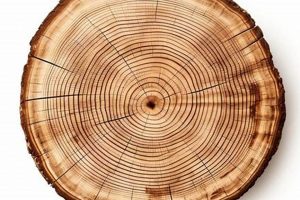
Realistic grain simulation constitutes a pivotal element within the process of crafting a credible aesthetic in faux finish wood paneling. The degree to which the simulation mimics natural wood grain directly influences the perceived authenticity and overall success of the endeavor.
- Tool Selection and Application
The implementation of specialized tools, such as graining rockers, combs, and brushes, is fundamental to achieving accurate wood grain patterns. The careful manipulation of these instruments, combined with appropriate pressure and technique, directly affects the resulting texture and visual depth. For example, a dragging technique with a graining comb can create the linear patterns characteristic of oak, while a rocking motion with a specialized rocker replicates the swirling grain of burl wood.
- Glaze Layering and Color Variation
Effective grain simulation requires the strategic layering of glazes in varying colors. This technique adds nuance and depth, mirroring the natural color variations inherent in authentic wood. For instance, applying a darker glaze within the simulated grain crevices enhances the illusion of shadow, while lighter glazes accentuate the raised areas, thereby amplifying the three-dimensional effect. The precise selection and application of glaze colors are critical for replicating the specific characteristics of different wood species.
- Substrate Preparation and Surface Texture
The condition of the underlying substrate significantly impacts the fidelity of the simulated grain. A smooth, properly primed surface provides an optimal foundation for the application of glazes and the creation of realistic textures. The application of texturing compounds can enhance the perceived depth and tactile quality, further augmenting the realism of the finish.
- Artistic Interpretation and Adaptation
While adherence to realistic techniques is paramount, a degree of artistic interpretation is often necessary to achieve the desired aesthetic outcome. Adaptations may be required to accommodate the specific dimensions and configurations of the panel surface, or to introduce unique design elements. The ability to blend technical skill with artistic vision is essential for creating truly convincing simulated wood grain.
These facets underscore the interconnectedness of technique, material selection, and artistic sensibility in realizing effective simulations. The success of faux finish wood paneling hinges upon a nuanced understanding of these principles and the ability to translate them into a tangible representation of natural wood.
2. Color Layering Techniques

Color layering techniques are integral to achieving a convincing resemblance to natural lumber in applications. The illusion of depth, texture, and natural variation depends significantly on the strategic application of multiple hues. The absence of color layering results in a flat, artificial appearance, failing to capture the subtle nuances inherent in genuine wood grain. For example, replicating the aging process in reclaimed wood necessitates the use of multiple layers of brown, gray, and umber tones, each applied selectively to simulate weathering and oxidation. Without this meticulous layering, the finished product lacks the visual complexity that defines the desired aesthetic.
The application of color layering extends beyond simple replication; it offers a degree of customization unavailable with natural wood. Designers can manipulate the color palette to complement existing interior design elements, creating bespoke finishes that integrate seamlessly with the overall aesthetic. For instance, a warm, reddish-brown base coat overlaid with a cooler, gray glaze can produce a finish that echoes the tones of natural cherry wood while harmonizing with a contemporary color scheme. Furthermore, specialized techniques, such as dry brushing and rag rolling, can be employed to introduce subtle textural variations within the color layers, further enhancing the realism of the finish.
In summary, the effective use of color layering is paramount to the success of this effect. It is not merely a cosmetic addition, but a fundamental component that determines the authenticity and visual appeal. Mastering these techniques enables artisans and designers to create aesthetically pleasing and convincing results, offering a cost-effective and versatile alternative to natural wood paneling, and also requiring attention and awareness in order to achieve satisfactory outcomes.
3. Surface Preparation Crucial

Surface preparation forms a foundational element in the successful application of simulated wood grain. Its thorough execution directly impacts the adhesion, texture, and overall appearance of the finished product. Inadequate preparation invariably leads to visual imperfections and compromised longevity, undermining the intended aesthetic effect.
- Adhesion Enhancement
The primary function of surface preparation is to ensure proper adhesion of the base coat and subsequent glaze layers. A clean, dust-free surface provides the necessary microscopic texture for paint to grip effectively. Removing any existing coatings, grease, or contaminants prevents premature peeling or blistering, which would compromise the integrity of the simulated wood grain. For example, failing to remove a glossy coating before applying the base coat often results in poor adhesion and an uneven finish.
- Imperfection Mitigation
Surface imperfections, such as dents, scratches, or cracks, will be magnified by the application of faux finish techniques. Proper preparation involves filling and sanding these irregularities to create a smooth, uniform substrate. This process ensures that the simulated grain appears consistent and realistic, rather than being distorted by underlying flaws. For instance, neglecting to fill a small crack in the paneling will result in the grain pattern appearing broken or uneven across that area.
- Texture Control
The texture of the prepared surface directly influences the texture of the final finish. Depending on the desired aesthetic, a smooth surface may be preferred for a contemporary look, while a slightly textured surface can enhance the perceived depth of the simulated grain. Techniques such as sanding, priming, and applying texture coats are used to achieve the desired level of surface texture. As an example, applying a light orange peel texture before the base coat can add subtle visual interest and depth to the finished paneling.
- Color Uniformity
Unevenly colored or stained surfaces can interfere with the accurate replication of wood tones. Priming provides a uniform base color, neutralizing any existing variations in the substrate. This ensures that the applied glazes and paints will exhibit consistent color and opacity, allowing for a more controlled and predictable result. A common issue arises when attempting to apply a light-colored simulated grain over a dark-stained surface without proper priming; the underlying stain can bleed through, affecting the final color and clarity.
Therefore, a meticulous approach to surface preparation is not merely a preliminary step but an integral component of the entire endeavor. Its execution directly dictates the success of the simulated wood grain in both its aesthetic appeal and its long-term durability. A properly prepared surface is the foundation upon which a realistic and lasting simulation can be achieved.
4. Protective Topcoat Essential
The application of a protective topcoat represents a non-negotiable final stage in the creation of simulated wood grain on surfaces. The topcoat serves to shield the underlying decorative layers from environmental factors and physical wear, thereby ensuring the longevity and visual integrity of the imitation wood finish.
- Abrasion Resistance
The topcoat provides a barrier against abrasion, mitigating the effects of daily use and incidental contact. Without this protection, the delicate simulated grain layers are susceptible to scratches, scuffs, and fading, which detract from the intended aesthetic. In high-traffic areas, such as hallways or commercial spaces, the application of a durable topcoat is crucial for preserving the initial appearance of the finish.
- Moisture Protection
Wood is susceptible to moisture damage, and while surfaces that mimics lumber are not subject to the same decay processes, excessive moisture can still compromise the integrity of the decorative layers. A protective topcoat seals the surface, preventing water penetration and minimizing the risk of blistering, peeling, or staining. In environments with high humidity, such as bathrooms or kitchens, a moisture-resistant topcoat is essential for maintaining the longevity of the imitation wood finish.
- UV Resistance
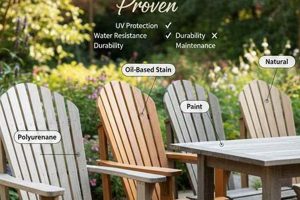
Prolonged exposure to ultraviolet (UV) radiation can cause fading and discoloration of the applied decorative layers. The inclusion of UV inhibitors in the topcoat formulation filters harmful UV rays, thereby preserving the color and vibrancy of the simulated wood grain. For surfaces exposed to direct sunlight, a UV-resistant topcoat is necessary to prevent premature degradation of the finish.
- Cleanability and Maintenance
A smooth, non-porous topcoat facilitates cleaning and maintenance, preventing the accumulation of dirt, dust, and stains. This simplifies routine cleaning procedures and reduces the need for harsh chemicals, which can damage the underlying decorative layers. With a protective topcoat, surface maintenance requires only mild cleaning agents and minimal effort to maintain the desired visual appearance.
The facets described demonstrate the multifaceted role of topcoat application. While the technique employed simulates natural wood’s visual appeal, the topcoat ensures that the resemblance is preserved. In its absence, the vulnerabilities of the faux finish are amplified, leading to premature degradation and a diminished aesthetic. Therefore, this terminal stage remains integral to the successful application and long-term maintenance of simulated lumber grain on surfaces.
5. Tooling Variety Matters

The breadth of available tools significantly influences the realism and aesthetic quality achievable in simulated wood grain. A limited toolkit restricts the range of textures, patterns, and subtle variations that can be replicated, ultimately impacting the fidelity of the simulated lumber appearance.
- Grain Pattern Replication
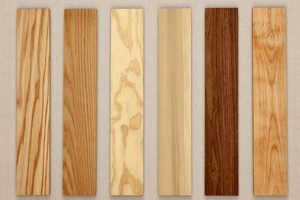
Different wood species exhibit distinct grain patterns, necessitating specialized tools for accurate reproduction. For example, achieving the tight, uniform grain of maple requires fine-toothed combs and brushes, while replicating the open grain of oak demands the use of coarse graining tools and specialized rockers. A comprehensive selection of tools allows for the precise mimicry of diverse wood species.
- Texture Creation
The tactile and visual texture of wood is crucial for creating a realistic impression. Tooling variety enables the creation of a range of surface textures, from the smooth, polished feel of fine-grained woods to the rough, weathered texture of reclaimed lumber. Brushes, sponges, and textured rollers can be employed to simulate different levels of surface roughness and grain depth, enhancing the three-dimensional appearance of the simulated wood.
- Artistic Expression
A diverse toolkit empowers artisans to express their creativity and artistic vision. Different tools offer unique capabilities for manipulating glaze and paint, allowing for the creation of custom grain patterns and textures. Skilled artisans can combine different tools and techniques to achieve a personalized aesthetic that transcends mere replication, resulting in a truly unique and compelling simulated wood finish.
- Efficiency and Control
The appropriate tool for a specific task enhances both efficiency and control during the application process. Using the correct brush size and shape, for instance, allows for precise application of glaze in tight corners or along intricate details. Similarly, employing specialized graining tools ensures consistent and repeatable results, minimizing the risk of errors and maximizing the overall quality of the finished product.
In conclusion, the availability of a wide array of tools is not merely a matter of convenience but a critical factor in the successful creation of visually convincing and aesthetically pleasing wood surface. The selection of tools directly influences the ability to replicate the nuances of natural wood, express artistic vision, and achieve consistent, high-quality results, thereby solidifying its integral role.
6. Cost-Effective Alternative

The economic advantages associated with simulated wood grain treatments are a significant factor in its widespread adoption. In comparison to the procurement, installation, and long-term maintenance costs of genuine wood paneling, this technique presents a budget-conscious option for achieving a similar aesthetic effect.
- Material Cost Savings
The primary cost reduction stems from the substitution of relatively inexpensive materials, such as paint, glaze, and basic panel substrates, for premium lumber. The expense of sourcing, milling, and transporting quality wood is substantially higher than the cost of the materials required for a simulated finish. For example, a room clad in oak paneling may cost several thousand dollars in materials alone, while a comparable simulated wood finish may be achieved for a fraction of that amount.
- Installation Labor Reduction
Installation of traditional wood paneling often necessitates specialized carpentry skills and meticulous attention to detail. Cutting, fitting, and securing wood panels requires significant labor hours, which translates into higher installation costs. By contrast, the application of this technique can be accomplished with relatively basic painting skills, reducing the need for expensive professional installation. Furthermore, the simpler installation process minimizes disruption and project timelines.
- Maintenance Cost Reduction
Genuine wood paneling requires ongoing maintenance to preserve its appearance and structural integrity. This may involve periodic cleaning, sealing, and refinishing to protect against moisture, insect damage, and fading. In contrast, this method typically requires minimal maintenance. A simple cleaning regimen is often sufficient to maintain its appearance, reducing long-term maintenance expenses and labor. Also, this is less prone to environmental decay.
- Waste Minimization
The fabrication and installation of wood paneling inevitably generate waste material in the form of cut-offs, damaged pieces, and sanding dust. This waste not only represents a loss of material value but also incurs disposal costs. By contrast, these faux finish treatments produce minimal waste, as the paint and glaze are applied directly to the substrate with minimal material loss. This reduces both material costs and environmental impact.
These factors combine to position wood grain simulation as a compelling cost-effective alternative to natural wood paneling. The savings realized in materials, installation, maintenance, and waste reduction make it an attractive option for homeowners and designers seeking to achieve a high-end aesthetic on a limited budget. For example, budget-conscious homeowners would be able to achieve a realistic wood look without spending the money for real wood.
Frequently Asked Questions
The following addresses common inquiries and dispels misconceptions surrounding the application and performance of this decorative technique. Information provided aims to clarify practical considerations for those contemplating its use.
Question 1: Is simulated wood grain paneling susceptible to scratching or damage?
The durability of a simulated wood finish depends largely on the quality of the topcoat applied. While not as inherently resistant to impact as solid wood, a properly applied polyurethane or acrylic topcoat can provide significant protection against everyday wear and tear. Selecting a topcoat with a higher abrasion resistance rating is recommended for high-traffic areas.
Question 2: How does the cost compare to installing genuine wood paneling?
The cost is generally significantly lower than that of genuine wood paneling. Material costs are reduced, and labor expenses are often minimized due to the simplified installation process. The exact cost differential varies depending on the complexity of the design and the skill level of the installer, but savings of 50% or more are not uncommon.
Question 3: Can simulated wood grain paneling be applied over existing walls?
This can be applied over most smooth, stable wall surfaces, including drywall, plaster, and previously painted surfaces. Proper surface preparation, including cleaning, patching, and priming, is crucial to ensure proper adhesion and a uniform finish. Textured walls may require additional preparation to achieve a smooth substrate.
Question 4: What is the expected lifespan of a simulated wood finish?
With proper application and maintenance, a simulated wood finish can last for many years. The longevity of the finish is influenced by factors such as the quality of the materials used, the level of traffic in the area, and the environmental conditions. Periodic cleaning and touch-up repairs can further extend the lifespan of the finish.
Question 5: Does simulated wood grain paneling look artificial?
The realism of a simulated wood finish depends largely on the skill of the applicator and the techniques employed. Skilled artisans can create remarkably realistic effects by using a variety of graining tools, layering glazes, and paying attention to detail. However, a poorly executed attempt can indeed look artificial. Careful planning and practice are essential to achieving a convincing result.
Question 6: Can this be used in bathrooms or other humid environments?
Simulated wood grain can be used in bathrooms and other humid environments, provided that appropriate precautions are taken. Selecting moisture-resistant paints and topcoats is essential to prevent water damage and mildew growth. Proper ventilation is also important to minimize moisture buildup. As an alternative, consider using materials specifically designed for humid environments.
These responses highlight key aspects to consider when evaluating the suitability. Careful consideration of these factors will contribute to an informed decision.
The following section will delve into the comparison of the technique with other wall treatment options.
Conclusion
This exploration has detailed the characteristics, application, advantages, and practical considerations associated with this decorative technique. Its versatility as an alternative to genuine wood paneling, cost-effectiveness, and capacity for customization were substantiated. The importance of proper surface preparation, the strategic use of color layering, the necessity of a protective topcoat, and the employment of diverse tooling options were underscored as critical factors influencing the outcome.
The information presented is intended to facilitate informed decision-making regarding the implementation of simulated wood grain finishes. The pursuit of realism necessitates diligent adherence to established best practices. As design trends evolve, the enduring appeal of wood surfaces ensures the continued relevance of this practice. Continued innovation in materials and techniques may further enhance the aesthetic and practical benefits. Further research should be conducted to explore the long-term impact of “faux finish wood paneling” on interior air quality and environmental sustainability.