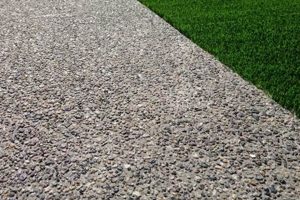
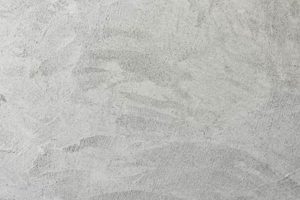
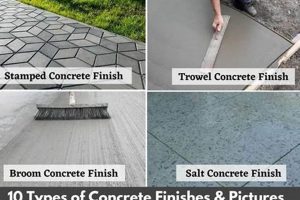
A textured surface achieved on concrete, commonly used around swimming areas, provides enhanced grip and aesthetic appeal. This surface is created by applying salt crystals to fresh concrete, which are then washed away, leaving behind small indentations. The result is a non-slip and visually interesting alternative to smooth concrete.
The application offers increased safety due to its improved traction, reducing the risk of slips and falls in wet conditions often present near water. Furthermore, the textured look can complement various architectural styles, adding a decorative touch to the surrounding environment. Historically, such texturing methods have been employed to improve the functionality and appearance of concrete surfaces in high-traffic areas.
The following sections will explore the installation process, maintenance requirements, design considerations, and cost factors associated with this type of surfacing. This detailed analysis will provide a comprehensive understanding of its suitability for different applications.
Essential Guidance
The following guidelines are crucial for achieving a durable and aesthetically pleasing result. Proper planning and execution are paramount.
Tip 1: Precise Salt Application: The amount of salt applied directly affects the texture. Over-application can create an excessively rough surface; under-application may result in insufficient grip. Conduct test areas to determine the optimal salt density for the desired effect.
Tip 2: Timely Washing: The timing of the washing process is critical. Washing too soon will dislodge the salt prematurely, negating the effect. Delaying the washing too long will embed the salt, making removal difficult. Monitor the concrete curing process to determine the ideal removal time.
Tip 3: Concrete Mix Design: The composition of the concrete mix impacts the final appearance. A high-quality mix with proper aggregate distribution ensures a uniform and structurally sound surface. Consult with concrete professionals regarding appropriate mix designs for this specific application.
Tip 4: Sealing for Longevity: Application of a concrete sealer after the salt is removed protects against staining and weathering. Choose a sealer appropriate for exterior concrete surfaces, especially those exposed to pool chemicals. Reapplication should occur periodically, depending on environmental conditions and usage.
Tip 5: Proper Drainage: Adequate drainage is vital to prevent water accumulation. Ensure the surface slopes away from the pool and any adjacent structures. Standing water can accelerate deterioration and create safety hazards.
Tip 6: Professional Installation: While DIY projects are possible, professional installation is recommended for optimal results. Experienced contractors understand the nuances of concrete work and can ensure proper execution, minimizing the risk of costly errors.
Adhering to these recommendations will enhance the lifespan, safety, and aesthetic appeal of textured concrete. Careful consideration of these factors during planning and execution is essential.
The subsequent sections will delve into further aspects of maintenance and long-term care, providing a complete understanding of its lifecycle.
1. Texture

The defining characteristic of a salt finish concrete pool deck lies in its texture. This texture is not merely an aesthetic choice but a functional imperative, influencing safety and overall performance. The process creates indentations on the concrete surface, which enhance grip and mitigate the risk of slips, particularly when the surface is wet. Without this characteristic roughness, the surface would be significantly more hazardous in a pool environment. For instance, a smooth concrete surface, while visually appealing to some, poses a substantial slip hazard, especially for children and the elderly. The texture, therefore, is a primary determinant of safety. The depth, distribution, and consistency of the texture affect its performance.
Variations in texture can be achieved by altering the size and quantity of salt crystals used during the application process. Finer salt grains result in a less aggressive texture, while coarser grains create a more pronounced, slip-resistant surface. The skill of the installer is crucial in achieving the desired texture uniformly across the area. Inconsistent application can lead to uneven surfaces with varying degrees of slip resistance, creating localized hazards. Real-world examples include commercial pools with poorly executed texture, which often require additional non-slip coatings to meet safety standards. Proper texture application provides a built-in safety feature, reducing the need for supplementary treatments.
In summary, the texture is an integral component of concrete pool decks, contributing directly to safety and usability. Understanding the nuances of its creation and the impact of varying techniques is essential for ensuring a functional and aesthetically appropriate surface. Maintaining this texture over time through appropriate cleaning and sealing practices is crucial for preserving its safety characteristics. Neglecting the texture compromises the surface’s primary benefit, underscoring the importance of proper installation and ongoing care.
2. Safety

Safety is a paramount consideration in the design and implementation of pool decks. The selected surface material must minimize the risk of slips and falls, particularly in wet environments. A properly executed salt finish contributes significantly to the overall safety profile of the pool area.
- Slip Resistance
The primary safety benefit derives from the enhanced slip resistance offered by the textured surface. The small indentations created by the salt provide increased friction, reducing the likelihood of accidents when the deck is wet. Smooth concrete, in contrast, becomes extremely slippery when wet, posing a significant hazard. A case study of a public pool renovation demonstrated a marked decrease in slip-related injuries after replacing the original smooth concrete deck with a salt-finished surface.
- Reduced Glare
The texture diffuses sunlight, minimizing glare. Excessive glare can impair visibility, increasing the risk of missteps and falls, especially around the pool’s edge. The matte finish created by this texture minimizes light reflection, improving visibility and contributing to a safer environment for swimmers and those using the surrounding area. Polished or highly reflective surfaces, on the other hand, can create hazardous glare conditions.
- Improved Traction for All Ages
The texture provides a reliable grip for individuals of all ages and mobility levels. Children running near the pool, elderly individuals with balance concerns, and individuals with mobility aids all benefit from the enhanced traction. Without adequate traction, the risk of falls increases exponentially, leading to potential injuries ranging from minor scrapes to severe fractures. The uniform texture across the deck provides consistent safety for all users.
- Resistance to Algae Growth
While not directly preventing algae, a textured surface can improve the effectiveness of cleaning and algae removal. Smooth surfaces can allow algae to adhere more tenaciously, creating slippery conditions. The texture facilitates more thorough cleaning, reducing the buildup of algae and associated slip hazards. Regular cleaning, in conjunction with the textured surface, is crucial for maintaining a safe and hygienic pool environment.
These facets underscore the integral role of safety in the selection of pool deck materials. A salt finish, properly installed and maintained, offers a significant advantage in mitigating slip hazards and promoting a safer pool environment. While other safety measures are necessary, the textured surface serves as a critical first line of defense against slip-related accidents.
3. Durability

The durability of a salt finish concrete pool deck is a critical performance attribute, influenced by several interconnected factors. The inherent nature of concrete, coupled with the application of the salt finish, dictates its capacity to withstand environmental stressors, heavy usage, and chemical exposure typical of pool environments. A durable surface minimizes the need for frequent repairs and replacements, offering long-term cost-effectiveness. Consider, for example, a commercial pool deck subjected to constant foot traffic, UV radiation, and chlorine exposure; the longevity of this surface is paramount to the overall operational budget.
The quality of the concrete mix and the proficiency of the installation significantly impact the durability of the finish. A well-proportioned mix with appropriate aggregate size and cement type provides a solid foundation. Improper mixing or curing can lead to premature cracking and surface degradation, undermining the benefits of the salt finish. Similarly, inconsistent salt application or premature washing can weaken the surface, making it more susceptible to damage. Real-world examples include decks where improper drainage led to water accumulation, resulting in freeze-thaw damage and accelerated deterioration. Properly sealed surfaces, however, exhibit improved resistance to water penetration and chemical attack, enhancing their lifespan.
Ultimately, the durability of a salt finish concrete pool deck is a function of material quality, installation expertise, and ongoing maintenance. Neglecting any of these aspects compromises the long-term performance and aesthetic appeal. Regular cleaning, timely sealing, and prompt repair of any cracks or damages are essential for preserving the integrity of the surface and maximizing its lifespan. Addressing durability proactively ensures a safe, functional, and aesthetically pleasing pool environment for years to come.
4. Aesthetics

Aesthetics constitute a crucial consideration in the selection and implementation of a concrete pool deck finish. While functional attributes such as slip resistance and durability are paramount, the visual appeal significantly contributes to the overall ambiance and value of the surrounding environment. The salt finish, in this context, provides a textured surface that offers a subtle yet distinct visual characteristic. Unlike purely utilitarian surfaces, the subtle indentations created by the salt crystals introduce visual interest and break up the monotony of a large expanse of concrete. The effect is analogous to that of honed stone, providing a tactile and visually appealing surface.
The choice of color plays a pivotal role in complementing the texture and enhancing the aesthetic impact. Light-colored concrete, for instance, reflects more sunlight, creating a cooler surface and a brighter ambiance, while darker shades absorb more heat and contribute to a more subdued aesthetic. Integration with surrounding landscaping is another critical aspect. A well-designed deck complements the natural elements of the environment, seamlessly blending with plants, water features, and architectural elements. For example, a deck with a neutral color palette and a moderately coarse salt finish can complement a minimalist, modern landscape design, while a warmer tone and finer texture may be more suitable for a traditional, garden-style setting. The aesthetic appeal directly impacts the perceived value and enjoyment of the pool area.
In summary, aesthetics represent a significant factor in the overall success of a pool deck installation. A salt finish offers a versatile option for achieving a balance between functionality and visual appeal. By carefully considering the color, texture, and integration with the surrounding environment, it is possible to create a visually pleasing and functional pool deck that enhances the overall enjoyment and value of the property. The challenges lie in harmonizing the aesthetic goals with practical considerations, such as budget constraints and maintenance requirements, to create a cohesive and enduring design.
5. Installation

The process of installing this type of concrete surface is integral to its performance and longevity. The quality of the installation directly influences the surface’s durability, safety, and aesthetic appeal. Improper installation techniques can compromise the integrity of the concrete, leading to premature cracking, uneven texture, and diminished slip resistance. For example, if the concrete base is not properly prepared and compacted, the surface may settle unevenly, resulting in stress fractures and potential trip hazards. Similarly, the timing of salt application and removal significantly impacts the final texture; inconsistent timing yields an uneven and aesthetically unappealing result. Therefore, meticulous installation is not merely a step in the process but a critical determinant of the surface’s overall success.
The installation process involves several key steps, each requiring specific expertise. These steps include preparing the sub-base, pouring and leveling the concrete, applying the salt, allowing the concrete to cure partially, washing away the salt, and sealing the finished surface. Each stage presents unique challenges and requires careful attention to detail. For instance, the type of salt used, its distribution across the surface, and the water pressure used during the washing phase all influence the final texture and appearance. Experienced installers understand these nuances and can adjust their techniques to achieve the desired result. In contrast, amateur or rushed installations often lead to inconsistencies and flaws that detract from the surface’s functionality and aesthetics. Understanding installation requirements is crucial before any construction.
In conclusion, proper installation is indispensable for realizing the full potential of this concrete application. It’s not just about laying concrete; it’s about understanding the interplay of materials, timing, and technique. A well-executed installation ensures a durable, safe, and aesthetically pleasing surface that enhances the value and enjoyment of the pool area. Conversely, a poorly executed installation undermines these benefits, leading to costly repairs, safety hazards, and aesthetic disappointment. Therefore, investing in professional and meticulous installation is essential for maximizing the long-term value of this surfacing solution. This commitment can transform a pool deck from a potential problem area into an enjoyable, safe, and beautiful space.
6. Maintenance
Consistent and appropriate upkeep is crucial for preserving the integrity, safety, and aesthetic appeal of a salt finish concrete pool deck. The porous nature of concrete, coupled with the textured surface created by the salt finish, necessitates regular attention to prevent deterioration and maintain functionality.
- Regular Cleaning
Routine cleaning removes dirt, debris, and organic matter that can accumulate within the textured surface. These accumulations, if left unattended, promote the growth of mold, mildew, and algae, leading to discoloration and increased slip hazards. Pressure washing, using appropriate pressure settings to avoid damaging the concrete, is often recommended. Mild detergents can be used to address stubborn stains, but harsh chemicals should be avoided as they can degrade the concrete sealer and compromise the surface’s integrity. Neglecting regular cleaning results in a surface that is not only unsightly but also poses a significant safety risk.
- Sealing
Application of a concrete sealer protects the surface from water penetration, chemical exposure (such as chlorine from the pool), and UV damage. Sealers create a barrier that prevents these elements from penetrating the concrete, thereby reducing the risk of cracking, spalling, and fading. The type of sealer used should be specifically formulated for exterior concrete surfaces and compatible with the salt finish. Reapplication is necessary every one to three years, depending on the level of usage and environmental conditions. Failure to reseal the surface allows damaging elements to attack the concrete, shortening its lifespan and diminishing its aesthetic appeal.
- Crack Repair
Even with proper maintenance, cracks can develop over time due to natural settling, temperature fluctuations, or heavy usage. Prompt repair of these cracks is essential to prevent water from seeping into the concrete, which can exacerbate the damage and lead to more extensive deterioration, especially in freeze-thaw climates. Concrete patching compounds or epoxy resins designed for concrete repair are suitable for filling cracks. Ignoring cracks allows moisture to penetrate the concrete’s structure, leading to expansion and contraction cycles that widen the cracks and weaken the entire surface. Timely crack repair preserves the structural integrity and prevents costly future repairs.
- Stain Removal
Pool decks are susceptible to various types of stains, including those caused by leaves, rust, or pool chemicals. Prompt removal of stains prevents them from becoming permanent and marring the surface’s appearance. The appropriate cleaning method depends on the type of stain. For organic stains, a solution of water and bleach or a specialized concrete cleaner can be effective. For rust stains, a rust remover specifically designed for concrete should be used. Allowing stains to linger makes them more difficult to remove and can permanently discolor the concrete, diminishing its aesthetic value.
These maintenance practices are indispensable for ensuring the long-term performance and appearance of a salt finish concrete pool deck. Consistent attention to cleaning, sealing, crack repair, and stain removal preserves the surface’s integrity, safety, and aesthetic appeal, providing a durable and enjoyable pool environment for years to come. Neglecting these aspects leads to premature deterioration, increased safety hazards, and ultimately, the need for costly repairs or replacement.
Frequently Asked Questions
The following addresses common inquiries regarding textured concrete surfaces commonly used in recreational areas. These answers aim to provide clarity on various aspects related to their use and maintenance.
Question 1: Is this surface suitable for all climates?
While this surface is generally durable, climates with significant freeze-thaw cycles require careful consideration. Proper sealing is crucial to prevent water penetration, which can lead to cracking and spalling during freezing temperatures.
Question 2: How does this surface compare to stamped concrete in terms of slip resistance?
The slip resistance of stamped concrete varies depending on the chosen texture. Properly executed salt finishing generally provides superior grip compared to many stamped patterns, particularly when wet.
Question 3: What is the typical lifespan of a well-maintained surface?
With proper installation, sealing, and regular cleaning, a well-maintained surface can last for 20 years or more. However, neglect can significantly shorten its lifespan.
Question 4: Can this surface be resurfaced if it becomes damaged?
Resurfacing is possible, but it requires careful preparation and application of a compatible overlay. The existing surface must be properly cleaned and prepared to ensure proper adhesion of the overlay material.
Question 5: Are there any specific cleaning products that should be avoided?
Avoid using harsh chemicals, abrasive cleaners, and acid-based products, as these can damage the sealer and the concrete itself. Opt for pH-neutral detergents specifically designed for concrete surfaces.
Question 6: What factors influence the cost of installation?
The cost of installation depends on several factors, including the size of the area, the complexity of the design, the quality of materials used, and the labor rates in the area. Obtaining multiple quotes from qualified contractors is recommended.
These responses provide a general understanding of common concerns. Consulting with concrete professionals is recommended for specific project needs and conditions.
The subsequent section will delve into design ideas, offering examples to enhance visual appeal.
Conclusion
The preceding analysis has demonstrated the multifaceted nature of salt finish concrete pool decks. From their inherent safety advantages stemming from the textured surface to the crucial aspects of durability, aesthetics, installation, and maintenance, a comprehensive understanding is paramount for informed decision-making. This type of finish offers a viable and often preferred option for pool surrounds, balancing functionality with visual appeal.
Careful consideration of the information presented allows for maximizing the lifespan and utility of salt finish concrete pool decks. Continued diligence in selecting qualified professionals, employing appropriate maintenance practices, and proactively addressing potential issues ensures a safe and enduring recreational environment. Further research and consultation with experts are encouraged to tailor this solution to specific needs and site conditions.