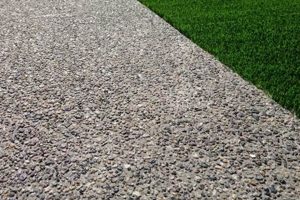
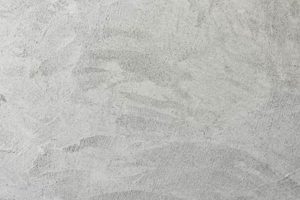
Achieving a desired concrete surface involves distinct finishing techniques that impact both aesthetics and functionality. One technique employs a flat, rectangular tool to embed aggregate particles and create a relatively rough, slip-resistant texture. The alternative method utilizes a flat steel tool to create a smooth, dense surface ideal for applications requiring easy cleaning and minimal porosity. The selection between these methods depends heavily on the intended use of the concrete.
The choice of finishing method significantly influences the durability, safety, and aesthetic appeal of concrete structures. A rougher texture offers improved traction in environments prone to wetness or spills, reducing the risk of accidents. Conversely, a smoother surface facilitates efficient cleaning and is often preferred in environments demanding stringent hygiene standards. Historical context reveals that rougher textures were traditionally favored for exterior applications, while smoother finishes became popular with the rise of modern interior design and industrial applications.
The following sections will delve into the specific characteristics, applications, advantages, and disadvantages of each finishing process, providing a detailed comparison to aid in informed decision-making for concrete projects.
Key Considerations for Surface Finishing
Selecting the appropriate finishing technique is paramount for optimizing concrete performance and achieving the desired aesthetic outcome. Careful evaluation of the project’s specific requirements is crucial.
Tip 1: Evaluate Intended Use: Determine the primary function of the concrete surface. High-traffic areas may benefit from enhanced slip resistance, while sterile environments require easy-to-clean surfaces. Prioritize surface functionality.
Tip 2: Consider Environmental Factors: Analyze the exposure conditions. Outdoor applications necessitate finishes that withstand weathering, while interior applications allow for a broader range of aesthetic choices. Account for potential wear and tear.
Tip 3: Assess Maintenance Requirements: Factor in long-term maintenance needs. Smooth surfaces are generally easier to clean and maintain than rougher surfaces. Plan for routine upkeep procedures.
Tip 4: Analyze Aggregate Type: The type and size of aggregate used in the concrete mix can impact the final appearance of the finished surface. Consult with concrete suppliers for aggregate recommendations aligned with the desired finish.
Tip 5: Adhere to Proper Timing: Proper timing during the finishing process is critical for achieving the desired result. Premature finishing can lead to surface imperfections, while delayed finishing can result in difficulty achieving the desired texture. Ensure timely execution.
Tip 6: Employ Skilled Craftsmanship: The quality of the finish is directly proportional to the skill of the concrete finishers. Engage experienced professionals with a proven track record of delivering high-quality results.
By carefully considering these factors, project managers can make informed decisions regarding surface finishing, resulting in durable, functional, and aesthetically pleasing concrete installations.
The subsequent sections will explore potential problems that could occur, and how to resolve it for a better outcome.
1. Surface Texture

Surface texture represents a defining characteristic differentiating trowel and float finishing techniques applied to concrete. The chosen method fundamentally alters the physical properties of the final surface, influencing its performance and aesthetic appeal.
- Roughness Coefficient
A floated surface exhibits a higher roughness coefficient compared to a troweled surface. This increased roughness is a direct result of the floating process, which leaves aggregate particles partially exposed and creates micro-undulations across the surface. This roughness is beneficial in applications where slip resistance is paramount, such as walkways, patios, and pool decks. The higher roughness coefficient provides enhanced traction, mitigating the risk of slips and falls.
- Smoothness and Planarity
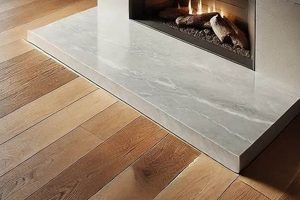
Conversely, a troweled surface attains a high degree of smoothness and planarity. The troweling action compresses the surface, creating a dense, even texture. This smoothness is desirable in interior applications where aesthetics and ease of cleaning are prioritized. Examples include polished concrete floors in retail spaces or industrial settings. The smoothness also reduces the accumulation of dust and debris, contributing to a cleaner environment.
- Microscopic Characteristics
Microscopic analysis reveals distinct differences in the surface morphology of floated and troweled concrete. A floated surface displays a more open, porous structure with visible aggregate particles. A troweled surface, however, exhibits a closed, dense structure with a significantly reduced pore size. These microscopic variations impact the concrete’s resistance to water penetration, staining, and chemical attack. Troweled surfaces generally exhibit superior resistance due to their lower porosity.
- Aesthetic Impact
The surface texture directly influences the aesthetic perception of the concrete. Floated surfaces often exhibit a more natural, rustic appearance due to the exposed aggregate and surface variations. Troweled surfaces, with their smooth, uniform texture, project a more modern, refined aesthetic. The selection of surface texture should align with the overall design intent of the project and the desired visual impression.
The deliberate manipulation of surface texture through floating or troweling techniques enables tailoring concrete’s properties to meet specific performance and aesthetic requirements. The differences in roughness, smoothness, microscopic characteristics, and aesthetic impact provide a range of options for optimizing concrete surfaces for diverse applications.
2. Slip Resistance

Slip resistance is a critical performance characteristic of concrete surfaces, directly impacting safety and liability. The choice between trowel and float finishing significantly influences a concrete surface’s capacity to prevent slips and falls, particularly in environments prone to moisture or spillage. Understanding the relationship between finishing technique and slip resistance is essential for specifying appropriate concrete applications.
- Aggregate Exposure and Friction
Float finishing, characterized by leaving aggregate particles partially exposed, creates a surface with increased frictional resistance. The exposed aggregate provides numerous points of contact, enhancing grip even when the surface is wet. This is particularly relevant in exterior applications such as sidewalks, driveways, and pool decks, where minimizing slip hazards is paramount. The degree of aggregate exposure can be further controlled by varying the depth and intensity of the floating process.
- Surface Smoothness and Hydroplaning
Trowel finishing produces a smooth, dense surface with minimal aggregate exposure. While aesthetically pleasing and easy to clean, this smoothness significantly reduces frictional resistance, especially when water is present. The smooth surface can create a hydroplaning effect, where a thin layer of water separates the shoe from the concrete, dramatically increasing the risk of slipping. Troweled finishes are generally unsuitable for areas where wet conditions are anticipated.
- Coefficient of Friction (COF) Testing
The slip resistance of concrete surfaces can be quantified using the Coefficient of Friction (COF). This measurement represents the ratio of the force required to move an object horizontally across a surface to the force holding the object vertically against the surface. Higher COF values indicate greater slip resistance. Standards organizations like ANSI and ASTM provide testing methods for determining COF, allowing for objective comparison of different concrete finishes. Float finishes consistently exhibit higher COF values than trowel finishes under wet conditions.
- Texturing Techniques for Troweled Surfaces
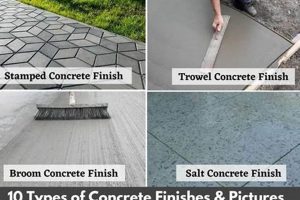
To mitigate the slip hazards associated with troweled surfaces, texturing techniques can be employed. Broom finishing, for example, involves dragging a stiff-bristled broom across the surface of freshly troweled concrete to create grooves that enhance grip. Other texturing methods include stamping and the application of non-slip coatings. These techniques increase the COF of troweled surfaces, making them suitable for a wider range of applications.
The correlation between finish technique and slip resistance necessitates careful consideration during concrete specification. While trowel finishes offer aesthetic appeal and ease of maintenance, they may compromise safety in wet environments. Float finishes, with their inherent slip-resistant properties, provide a safer alternative for exterior applications and high-traffic areas prone to moisture. The selection process should prioritize safety and performance, ensuring that the chosen finish aligns with the anticipated environmental conditions and usage patterns.
3. Porosity Levels

Porosity levels in concrete surfaces are fundamentally influenced by the finishing technique employed, directly affecting durability, resistance to environmental factors, and overall performance. The choice between a trowel finish and a float finish dictates the density of the surface and, consequently, its susceptibility to water absorption, chemical ingress, and freeze-thaw damage. A float finish, by its nature, leaves a more open surface structure with interconnected voids, resulting in higher porosity. This increased porosity allows for easier penetration of liquids and gases, potentially accelerating deterioration processes within the concrete matrix. For example, in regions with frequent freeze-thaw cycles, water absorbed into the porous surface of floated concrete can expand upon freezing, creating internal stresses that lead to cracking and spalling. The practical significance lies in understanding that floated surfaces, while offering benefits like improved slip resistance, may require additional protective measures, such as sealants, to mitigate the risks associated with higher porosity.
Conversely, a trowel finish aims to compact the surface, reducing the volume of voids and creating a denser, less permeable layer. This densification process results in lower porosity levels, enhancing the concrete’s resistance to water penetration and chemical attack. The reduction in interconnected voids limits the pathways for deleterious substances to enter the concrete, thereby extending its service life. For instance, in industrial settings where concrete is exposed to corrosive chemicals, a trowel finish provides a crucial barrier against chemical ingress, minimizing the risk of degradation. Furthermore, the lower porosity of troweled surfaces reduces the potential for efflorescence, a white, powdery deposit that forms when soluble salts migrate to the surface and react with carbon dioxide in the air. The choice of a trowel finish, therefore, represents a proactive measure to enhance the long-term durability and aesthetic appearance of concrete structures, particularly in demanding environments.
In summary, the relationship between finishing technique and porosity levels is a critical consideration in concrete design and construction. While floated surfaces offer advantages in terms of slip resistance, their higher porosity necessitates careful attention to protection and maintenance. Troweled surfaces, with their lower porosity, provide enhanced durability and resistance to environmental factors, making them suitable for a wider range of applications. The selection process should prioritize the intended use of the concrete, the anticipated exposure conditions, and the desired service life, ensuring that the chosen finishing technique aligns with the specific performance requirements of the project. Challenges remain in balancing the benefits of each finish with the need for long-term durability and minimizing the environmental impact of protective coatings.
4. Labor Intensity

The labor intensity associated with concrete finishing techniques varies significantly between trowel and float finishes, directly impacting project costs and timelines. Float finishing, generally requiring less precision and fewer passes, typically demands less labor time per unit area compared to a trowel finish. The process involves using a float tool to level the concrete surface, embed aggregate, and create a uniform texture. Because the tolerances for flatness and smoothness are less stringent than those for a trowel finish, the skill level required for float finishing, and hence the labor cost, can be comparatively lower. Large-scale exterior projects, where slip resistance and aesthetic uniformity are prioritized over absolute smoothness, often benefit from the reduced labor intensity of float finishing. Sidewalks, driveways, and patios exemplify suitable applications.
In contrast, achieving a high-quality trowel finish necessitates multiple passes with a trowel, each requiring increasing levels of skill and precision. The troweling process compacts the surface, creating a dense, smooth finish with tight tolerances for flatness. Skilled finishers are required to identify and correct surface imperfections, manage bleed water, and ensure consistent texture. The time and expertise involved elevate the labor costs associated with trowel finishing considerably. Moreover, larger projects employing trowel finishes may require specialized equipment, such as power trowels, which, while increasing efficiency, necessitate trained operators and additional maintenance considerations. Examples include interior floors in retail spaces, industrial facilities, or commercial buildings where a smooth, durable, and aesthetically pleasing surface is essential.
Ultimately, the selection between trowel and float finishing involves a trade-off between desired surface characteristics and labor investment. While float finishing offers a more economical option in terms of labor costs, trowel finishing provides superior smoothness and durability, albeit at a higher price point. Project managers must carefully evaluate the specific requirements of each project, considering the intended use of the concrete surface, budget constraints, and available skill levels, to determine the most appropriate finishing technique. Overlooking the labor intensity component can lead to inaccurate cost estimations, project delays, and ultimately, compromised concrete performance.
5. Material Costs

The selection between trowel and float finishing techniques in concrete construction directly influences material costs, impacting overall project expenses. While the base concrete mix remains consistent, the differential lies in supplementary materials and potential long-term maintenance expenditures. A float finish, often requiring less surface preparation and no specialized coatings, presents a lower initial material cost profile. However, its inherent porosity may necessitate subsequent sealant applications to enhance durability, particularly in environments exposed to harsh weather or chemical agents. This introduces additional material expenses that can erode the initial cost savings. For instance, a large exterior concrete slab finished with a float may require periodic resealing every few years to prevent water penetration and freeze-thaw damage, resulting in recurring material expenditures.
Conversely, a trowel finish, especially when pursuing a polished concrete look, entails higher upfront material investments. Grinding abrasives, polishing compounds, and densifiers contribute significantly to the initial project cost. Furthermore, specialized sealers designed to protect the polished surface from staining and abrasion add to the material budget. However, the denser surface achieved through troweling often translates to reduced maintenance requirements and extended service life, potentially offsetting the higher initial material outlay. An example would be a retail store floor with a polished trowel finish, which, while costly to install, offers exceptional durability and resistance to wear, minimizing the need for frequent repairs or replacements compared to a less durable flooring option.
In summary, material cost considerations in concrete finishing extend beyond the immediate expense of the concrete mix itself. The long-term implications of porosity, maintenance requirements, and durability play a crucial role in determining the overall economic viability of each finishing technique. A comprehensive cost-benefit analysis, accounting for both initial investments and projected life-cycle expenses, is essential for making informed decisions regarding the selection between trowel and float finishes in concrete construction. Challenges arise in accurately predicting long-term maintenance needs and the escalating costs of specialized materials, requiring careful assessment and informed forecasting.
6. Application Suitability
Application suitability forms a cornerstone in the decision-making process regarding concrete finishing techniques. The selection between a trowel or float finish must align directly with the intended function and environmental exposure of the concrete surface. Disregarding this critical connection can result in compromised performance, increased maintenance costs, and potential safety hazards. The surface characteristics imparted by each finishing method dictate its appropriateness for specific applications; a trowel finish yields a smooth, dense surface, while a float finish generates a coarser, more textured result. For example, in a high-traffic pedestrian area such as a public sidewalk, a float finish offers enhanced slip resistance due to its rougher texture, mitigating the risk of falls. Conversely, a trowel finish, while aesthetically pleasing, poses a significant slip hazard when wet, rendering it unsuitable for such applications.
Further, the intended use of the concrete dictates the importance of porosity levels, a factor directly influenced by the finishing technique. In environments requiring stringent hygiene standards, such as food processing plants or hospitals, a trowel finish is preferred. Its lower porosity minimizes the absorption of liquids and contaminants, facilitating easy cleaning and preventing bacterial growth. In contrast, the higher porosity of a float finish makes it more susceptible to staining and difficult to sanitize effectively. The practical consequences of misapplication are evident in the potential for costly remediation efforts, including surface grinding or the application of specialized coatings to rectify an unsuitable finish.
In conclusion, application suitability serves as a primary determinant in selecting between a trowel or float finish for concrete. Careful consideration of the intended use, environmental exposure, and performance requirements is essential for optimizing concrete durability, safety, and maintainability. Failure to prioritize application suitability can lead to compromised performance, increased life-cycle costs, and potential safety hazards. Challenges arise in balancing aesthetic preferences with functional requirements, necessitating a thorough understanding of the properties imparted by each finishing technique and the specific demands of the intended application.
7. Durability Factors
Durability factors represent a core consideration when evaluating trowel versus float finishes on concrete surfaces. The finishing technique significantly influences the concrete’s resistance to wear, weathering, chemical attack, and impact. A trowel finish, characterized by its dense, smooth surface, generally exhibits superior durability due to its reduced porosity. This diminished porosity minimizes the ingress of water, chlorides, and other deleterious substances that can initiate or accelerate degradation processes within the concrete matrix. For example, in coastal environments, concrete structures with trowel finishes demonstrate enhanced resistance to chloride-induced corrosion of reinforcing steel compared to those with float finishes. The practical significance of this enhanced durability lies in extended service life and reduced maintenance costs.
Float finishes, while offering advantages in slip resistance, typically exhibit higher porosity, making them more susceptible to various forms of degradation. This increased porosity allows for easier penetration of water and chemicals, leading to accelerated deterioration due to freeze-thaw cycles, chemical attack, or efflorescence. To mitigate these risks, floated surfaces often require the application of sealants or protective coatings, introducing additional costs and maintenance considerations. However, specialized aggregate mixes combined with specific float finishing techniques can improve the durability of floated surfaces. For instance, incorporating a high-performance aggregate and employing a controlled float process can create a surface that is both slip-resistant and reasonably durable, suitable for certain exterior applications.
In summary, the durability factors associated with trowel and float finishes are intrinsically linked to their respective surface characteristics and porosity levels. Trowel finishes generally offer superior durability due to their density and resistance to water and chemical penetration. Float finishes, while requiring careful consideration of environmental factors and potential protective measures, can achieve acceptable durability with appropriate material selection and construction practices. The choice between the two finishes should be based on a comprehensive assessment of the intended application, exposure conditions, and long-term performance requirements, ensuring that the chosen finish aligns with the desired service life and minimizes life-cycle costs.
Frequently Asked Questions
The following addresses common inquiries regarding the selection and application of trowel and float finishing techniques for concrete surfaces.
Question 1: What are the primary differences between a trowel finish and a float finish?
A trowel finish produces a smooth, dense surface, ideal for minimizing porosity and enhancing cleanability. A float finish yields a rougher, more textured surface, increasing slip resistance. The choice depends on the specific performance requirements of the application.
Question 2: Which finish is better for exterior concrete applications?
Float finishes are generally favored for exterior applications where slip resistance is critical. The textured surface provides enhanced traction, particularly in wet or icy conditions. However, appropriate sealants are required to mitigate water penetration.
Question 3: Does a trowel finish always require polishing?
No, a trowel finish does not inherently necessitate polishing. The decision to polish a troweled surface depends on the desired aesthetic outcome and performance requirements. Polishing further enhances smoothness and reflectivity.
Question 4: How does the cost of a trowel finish compare to that of a float finish?
Trowel finishes typically incur higher labor costs due to the increased skill and time required for achieving a smooth, dense surface. Material costs can also be higher depending on whether polishing or specialized sealants are used.
Question 5: Can a concrete surface with a float finish be made smoother?
While a float finish inherently produces a rougher surface, it can be partially smoothed through subsequent troweling operations. However, achieving the same level of smoothness as a dedicated trowel finish is generally not feasible.
Question 6: What are the maintenance requirements for each type of finish?
Trowel finishes, with their lower porosity, generally require less frequent cleaning and sealing compared to float finishes. However, both finishes benefit from regular maintenance to prevent staining and abrasion.
In essence, understanding the inherent properties of each finishing technique allows for informed decision-making, resulting in optimal concrete performance.
The subsequent section will explore the challenges and opportunities associated with each type of concrete finish.
Concluding Remarks on Surface Finishing
The preceding exploration of trowel finish vs. float finish concrete underscores the importance of informed decision-making in concrete construction. The selection of a surface finishing technique is not merely an aesthetic choice; it fundamentally impacts the performance, durability, and safety of the structure. Each method presents distinct advantages and disadvantages, requiring careful consideration of application suitability, environmental factors, and long-term maintenance requirements. A thorough understanding of these aspects is crucial for optimizing concrete’s service life and minimizing life-cycle costs.
As concrete technology continues to evolve, further research and development are necessary to enhance the performance characteristics of both trowel and float finishes. Exploring innovative materials, advanced finishing techniques, and improved sealant technologies will contribute to more durable, sustainable, and aesthetically pleasing concrete structures. Therefore, continued education and collaboration among engineers, contractors, and material scientists are essential for advancing the art and science of concrete surface finishing.