



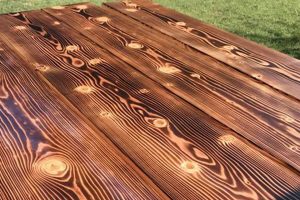
A decorative and protective treatment for wooden surfaces involves controlled combustion to alter the wood’s appearance and enhance its durability. This process utilizes heat to create charring patterns and textures, resulting in unique aesthetic characteristics. One application involves applying a flame to a wooden object, producing darkened areas and highlighting the natural grain.
The controlled application of fire to wood provides several advantages. Beyond aesthetic appeal, the charring process can increase the wood’s resistance to moisture, insects, and decay. Historically, this technique has been employed in various cultures to preserve wood and impart a distinctive visual quality to structures and artifacts, predating modern preservatives.
The following sections will explore specific techniques, safety considerations, and artistic applications associated with this time-honored method of wood preservation and embellishment. This exploration will delve into the practical aspects and creative potential afforded by this unique approach to wood surface treatment.
Essential Considerations for Achieving a Quality Wood Burning Finish
Implementing this finishing technique requires careful consideration and adherence to specific guidelines to ensure both aesthetic success and structural integrity of the wood.
Tip 1: Wood Selection: The type of wood significantly impacts the final result. Softer woods, like pine, char more readily, while hardwoods require more controlled application of heat. Understanding the wood’s density and grain is paramount.
Tip 2: Preparation is Key: The wood surface should be thoroughly cleaned and sanded to remove any imperfections. An even surface allows for consistent charring and prevents uneven penetration of any subsequent protective coatings.
Tip 3: Controlled Application of Heat: Consistent and precise application of heat is crucial. Using a propane torch, heat gun, or specialized tools designed for this purpose, maintain a consistent distance and movement to avoid scorching or uneven charring.
Tip 4: Safety Precautions: Wood combustion generates smoke and potential fire hazards. Always work in a well-ventilated area, wear appropriate protective gear, including a respirator and gloves, and have fire extinguishing equipment readily available.
Tip 5: Achieving Desired Depth: Control the depth of the char by adjusting the duration and intensity of the heat application. Lighter charring offers a subtle aesthetic, while deeper charring provides greater protection and a more pronounced visual effect.
Tip 6: Cooling and Cleaning: Allow the wood to cool completely after the charring process. Use a stiff brush to remove loose char and ash, revealing the desired texture and grain pattern.
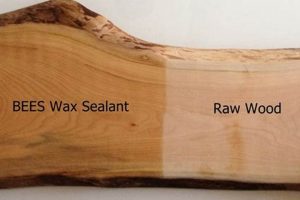
Tip 7: Sealing and Finishing: Once cooled and cleaned, apply a sealant or protective finish to preserve the charred surface and enhance its durability. Options include oils, waxes, and clear coats, each offering varying levels of protection and aesthetic characteristics.
Proper application of these tips ensures the attainment of an attractive, durable, and long-lasting protective layer. Neglecting these considerations can lead to compromised aesthetic appeal, structural weakness, and potential safety hazards.
Further refinement of these techniques and exploration of artistic possibilities will be addressed in subsequent sections.
1. Wood Species

The selection of wood species is a critical determinant in achieving the desired results when employing combustion-based finishing techniques. The inherent properties of different wood types directly influence the charring process, affecting the final appearance and protective qualities of the finished surface.
- Density and Hardness
Wood density dictates the rate and extent of charring. Softwoods, such as pine and cedar, possess lower densities, allowing for rapid and deep charring with relatively low heat. Hardwoods, including oak and maple, are denser and require higher temperatures and longer exposure times to achieve a comparable effect. This difference necessitates precise heat control to prevent scorching or uneven charring.
- Grain Pattern and Porosity
The grain pattern and porosity of wood influence the visual texture created during the charring process. Woods with prominent grain patterns, like ash, exhibit a more pronounced contrast between charred and uncharred areas, enhancing the wood’s natural features. Highly porous woods absorb more heat, potentially leading to deeper and more uniform charring compared to less porous species.
- Resin Content
The presence of resins within wood affects its flammability and charring characteristics. Resin-rich woods, such as pine, ignite more readily and produce a more intense flame, resulting in a darker and more uneven char. This requires careful monitoring and heat control to prevent uncontrolled burning and achieve a consistent finish. Less resinous woods offer greater control over the charring process.
- Color and Underlying Tone
The natural color of wood species influences the final appearance of the charred surface. Lighter-colored woods, like maple, exhibit a greater contrast between the original wood tone and the charred areas, creating a visually striking effect. Darker woods, such as walnut, may require more aggressive charring to achieve a noticeable contrast. The underlying tone of the wood can also affect the color of the char, with some species producing reddish or brownish hues.
Ultimately, the choice of wood species must align with the desired aesthetic and functional goals. Understanding the unique properties of each wood type is essential for achieving predictable and desirable results in the combustion-based finishing process. Experimentation with different species is encouraged to explore the diverse range of visual textures and protective qualities attainable through this technique.
2. Heat Control

Precise regulation of thermal energy is paramount in achieving desirable outcomes. The application of controlled heat dictates the aesthetic characteristics, protective properties, and overall durability of the resulting surface treatment.
- Intensity and Duration
The intensity of the heat source, measured in temperature, directly influences the rate and depth of char formation. Similarly, the duration of heat exposure determines the extent of the combustion process. Insufficient heat or short exposure results in superficial charring, offering limited protection. Excessive heat or prolonged exposure leads to uncontrolled burning, potentially compromising the structural integrity of the wood. Examples include using a low-temperature heat gun for subtle shading versus a high-intensity torch for deep charring. The desired finish dictates the appropriate combination of intensity and duration.
- Distance and Angle
Maintaining a consistent distance between the heat source and the wood surface ensures uniform heat distribution. Variations in distance result in uneven charring patterns. The angle of heat application also affects the distribution of thermal energy. Direct, perpendicular application produces a more intense and localized effect, while angled application diffuses the heat over a wider area. An example includes holding a torch at a 45-degree angle to create a gradient effect. Strategic manipulation of distance and angle enables nuanced control over the charring process.
- Tool Selection
The choice of heat source significantly impacts the controllability and precision of the finishing process. Propane torches provide high heat output and are suitable for large surfaces and deep charring. Heat guns offer more controlled and diffused heat, ideal for intricate designs and delicate wood types. Specialized tools, such as wood-burning pens, allow for highly precise and detailed work. Example: A heat gun is often used for creating subtle gradients on furniture, while a torch is used for the Shou Sugi Ban technique on exterior siding. Proper tool selection is crucial for achieving the desired aesthetic and functional results.
- Environmental Factors
Ambient temperature and humidity influence the wood’s response to heat. High humidity increases the wood’s moisture content, requiring more heat to initiate charring. Low ambient temperatures can slow down the combustion process. Wind can disrupt heat distribution, leading to uneven charring. Example: Applying the finish on a dry, still day allows for more predictable and consistent results. Environmental factors must be considered and compensated for to maintain control over the charring process.
Control of thermal energy is integral to the quality and longevity of the resulting surface. Careful management of intensity, duration, distance, tool selection, and environmental factors enables the attainment of predictable, durable, and aesthetically pleasing outcomes.
3. Surface Preparation

Surface preparation directly influences the outcome of a combustion-based wood finishing process. The condition of the wood surface prior to the application of heat dictates the uniformity, aesthetic appeal, and protective qualities of the final treatment. Contaminants, imperfections, and variations in surface texture impede consistent charring, resulting in an uneven and potentially compromised finish. For instance, residual varnish or paint will burn differently than bare wood, leading to unsightly blotches and inconsistent char depth. Proper surface preparation mitigates these issues, ensuring a predictable and controlled combustion process.
Specific preparation techniques include cleaning, sanding, and, in some cases, texturing. Cleaning removes dirt, oil, and other surface contaminants that could interfere with heat penetration and char formation. Sanding levels the surface, eliminating imperfections and creating a uniform canvas for the charring process. The grit of sandpaper used will impact the final smoothness of the treated surface. In situations where a specific texture is desired, wire brushing or other texturing methods may be employed prior to charring. For example, the Shou Sugi Ban technique, which involves burning and brushing cedar, often includes deliberate scoring of the wood surface to enhance the visual texture of the final product.
In summary, surface preparation is an indispensable component of a successful combustion-based finishing technique. Neglecting this step introduces variability and increases the risk of an unsatisfactory outcome. Prioritizing thorough cleaning and appropriate sanding ensures even charring, maximizes the aesthetic potential, and contributes to the long-term protective qualities of the treated wood. The practical significance of this understanding lies in the ability to achieve consistent, high-quality results while minimizing material waste and rework.
4. Safety Measures

Combustion-based wood finishing inherently presents fire and respiratory hazards, necessitating stringent safety measures. The process involves the controlled burning of wood, generating smoke, particulate matter, and potentially flammable gases. Failure to implement appropriate safety protocols can result in property damage, personal injury, or even fatality. The selection and implementation of suitable safety measures are, therefore, not merely recommended but are critical for the responsible and safe application of this finishing technique. For example, the absence of adequate ventilation can lead to the accumulation of carbon monoxide, a colorless and odorless gas that poses a significant health risk.
Protective equipment forms a fundamental layer of defense. Respirators, specifically those designed to filter particulate matter, mitigate the inhalation of harmful airborne particles produced during combustion. Fire-resistant gloves and clothing protect against burns from direct contact with hot surfaces or stray embers. Furthermore, maintaining a clear and organized workspace minimizes the risk of accidental ignition of nearby materials. A readily accessible fire extinguisher, appropriate for wood fires, is essential for rapid response to any uncontrolled combustion. These measures, while seemingly basic, are vital in preventing incidents that could have severe consequences. Another example: the proper storage of flammable materials away from the work area prevents accidental ignition during the wood burning process.
In conclusion, safety measures are an inseparable component of combustion-based finishing processes. The effective implementation of these measures, encompassing proper ventilation, protective equipment, and fire suppression capabilities, minimizes risks and ensures a safe working environment. Overlooking safety precautions compromises not only the well-being of the individual but also the integrity of the entire process. By prioritizing safety, it is possible to harness the aesthetic and protective benefits of this finishing technique while mitigating the inherent hazards associated with combustion.
5. Sealing Application
The application of a sealant following a combustion-based wood finishing process is a critical step, directly influencing the longevity and performance of the treatment. The char layer, while aesthetically desirable and offering some initial protection, remains porous and vulnerable to environmental factors. Without proper sealing, the charred surface can absorb moisture, leading to decay, cracking, and eventual delamination. Additionally, the loose char particles can easily rub off, diminishing the visual appeal and creating a mess. Real-world examples include outdoor furniture or siding that, without adequate sealing, quickly deteriorates due to exposure to rain and sunlight. The practical significance lies in preserving the investment in both the material and the labor involved in the finishing process.
The choice of sealant depends on the intended use of the finished product and the desired aesthetic. Penetrating oils, such as linseed oil or tung oil, soak into the charred wood, stabilizing the surface and enhancing the depth of the char. These oils provide a natural look but offer limited protection against abrasion and UV damage. Film-forming sealants, such as varnishes or polyurethane, create a durable, protective layer on top of the charred surface. These sealants offer superior protection against moisture, scratches, and UV exposure, but can alter the natural appearance of the wood. The application method also influences the effectiveness of the sealant. Multiple thin coats, applied evenly, provide better protection than a single thick coat, which is prone to cracking and peeling. For example, a table top might benefit from a polyurethane finish due to its durability, while an art piece might be better served with penetrating oil to maintain its rustic aesthetic.
In summary, sealing is an indispensable element of a combustion-based wood finishing technique. It is not merely an aesthetic enhancement but a functional necessity that preserves the integrity and extends the lifespan of the treated wood. Careful selection and application of the appropriate sealant, tailored to the specific application and desired aesthetic, ensures that the finished product remains both beautiful and durable for years to come. Challenges may arise in selecting the correct sealant for specific environmental conditions, but understanding the properties of different sealants is key to overcoming these challenges and maximizing the benefits of this finishing process.
6. Char Depth

The depth of char attained in a combustion-based wood finishing process fundamentally dictates both the aesthetic character and protective capabilities of the treated surface. As a primary variable in this technique, the extent of wood fiber combustion directly influences visual texture, resistance to environmental factors, and the overall longevity of the finish. Shallow charring may provide subtle visual enhancement, yet it offers limited protection. Conversely, excessive charring, while imparting a dramatic visual effect, can compromise the structural integrity of the wood. The practical significance of controlling char depth lies in optimizing the balance between aesthetic appeal and functional performance. For example, in traditional Japanese Shou Sugi Ban, the depth of char is carefully controlled to enhance the wood’s resistance to fire, insects, and decay without sacrificing structural soundness.
The relationship between char depth and protection from degradation is direct. Increased char depth creates a denser, carbon-rich layer that is inherently more resistant to moisture absorption and insect infestation. This charred layer also acts as a barrier against ultraviolet radiation, mitigating the degradation of the underlying wood. However, exceeding a certain threshold can lead to embrittlement of the wood, making it susceptible to cracking and splintering under stress. Therefore, understanding the optimal char depth for a given wood species and environmental context is crucial for achieving long-term durability. For instance, exterior siding requires a greater char depth compared to interior paneling to withstand the harsher conditions associated with outdoor exposure.
In summary, char depth is a central determinant in the success of a combustion-based wood finishing process. This variable directly influences the aesthetic outcome and protective attributes of the final product. Balancing visual appeal with structural considerations requires a thorough understanding of wood species, heat control, and the intended application of the finished piece. Challenges arise in accurately gauging and consistently replicating desired char depths, highlighting the need for careful experimentation and refined technique. The mastery of char depth control unlocks the full potential of this finishing process, enabling the creation of durable, aesthetically pleasing, and uniquely textured wood surfaces.
Frequently Asked Questions
The following addresses common inquiries regarding wood combustion finishing, aiming to clarify misconceptions and provide factual insights into the process.
Question 1: Does a wood burning finish truly enhance wood’s fire resistance?
A properly executed combustion finish can impart a degree of fire resistance. The charred layer acts as an insulator, slowing the spread of flames. However, this does not render the wood fireproof, and prolonged exposure to intense heat will still result in combustion.
Question 2: Is a wood burning finish only applicable for exterior applications?
While commonly used for exterior siding due to its protective properties, a combustion finish is also suitable for interior applications. The aesthetic appeal and unique texture make it a viable option for furniture, paneling, and decorative elements.
Question 3: Will a wood burning finish prevent wood rot?
The charring process creates a surface that is less susceptible to moisture absorption, a primary cause of wood rot. The charred layer also inhibits the growth of fungi and deters insects, further reducing the risk of decay. Sealing the finish is crucial to maximize this protection.
Question 4: Does the wood type matter when applying a wood burning finish?
The type of wood significantly influences the outcome. Softer woods char more easily than hardwoods, requiring careful heat control. Resinous woods may ignite more readily, demanding extra caution. The wood’s grain pattern also affects the visual texture of the finished surface.
Question 5: Is a wood burning finish environmentally friendly?
Combustion finishing can be considered environmentally conscious compared to some chemical treatments. However, it produces smoke and particulate matter, necessitating proper ventilation and respiratory protection. Sustainable wood sourcing practices further enhance the environmental benefits.
Question 6: How is a wood burning finish maintained over time?
Maintenance typically involves periodic cleaning to remove dirt and debris. Reapplication of sealant may be necessary to maintain the protective barrier. The frequency of maintenance depends on the severity of environmental exposure and the type of sealant used.
Understanding these points is crucial for effective implementation and appreciating the benefits of wood combustion finishing.
The subsequent section will examine various artistic applications and design considerations associated with this finishing technique.
Conclusion
The preceding exploration has illuminated various facets of combustion-based wood finishing. Critical aspects encompass material selection, heat management, surface preparation, safety imperatives, and the influence of sealant application and char depth. Each element plays a vital role in determining the aesthetic quality, protective characteristics, and long-term durability of the treated wood. The effectiveness of the wood burning finish is intrinsically linked to meticulous execution and a thorough understanding of the underlying principles.
Continued refinement of these techniques and a commitment to responsible practices are essential to fully realize the potential of this enduring method. The future of combustion-based wood finishing lies in the integration of traditional knowledge with contemporary innovation, yielding sustainable and aesthetically compelling solutions for wood preservation and design.

![Buy Quality Finished Shelf Wood - [Your Brand] | Best Final Touch: Elevate Your Projects with Professional Finishing](https://bestfinaltouch.com/wp-content/uploads/2026/05/th-447-300x200.jpg "Buy Quality Finished Shelf Wood - [Your Brand] Best Final Touch: Elevate Your Projects with Professional Finishing")
![Buy Premium Walnut Finished Wood [Deals Inside] | Best Final Touch: Elevate Your Projects with Professional Finishing](https://bestfinaltouch.com/wp-content/uploads/2026/05/th-405-300x200.jpg "Buy Premium Walnut Finished Wood [Deals Inside] Best Final Touch: Elevate Your Projects with Professional Finishing")