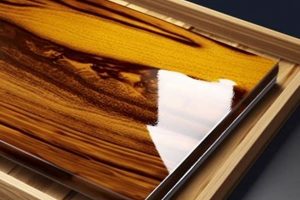
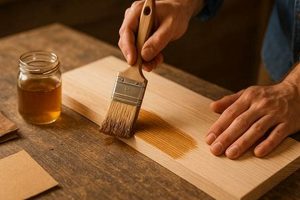
A transparent coating applied to wooden surfaces, this product preserves the wood’s natural appearance while providing protection. Examples include varnishes, lacquers, and polyurethanes formulated to dry without adding color. These coatings serve primarily to enhance the wood’s grain and tone, rather than altering them.
The application of such a coating offers several advantages, including resistance to moisture, scratches, and UV damage. This protection extends the lifespan of wooden items and furniture. Historically, these treatments have been employed to maintain the aesthetic appeal and structural integrity of wooden objects, from fine art to practical implements.
The following sections will delve deeper into the selection criteria, application techniques, and maintenance considerations for achieving optimal results with transparent wood coatings. The focus will be on providing guidance applicable across various wood types and environmental conditions.
Application Guidelines for Transparent Wood Coatings
The subsequent guidelines offer crucial advice for achieving a professional and durable surface treatment using transparent coatings on wood. Adherence to these recommendations ensures optimal results and longevity of the finish.
Tip 1: Surface Preparation is Paramount: Thoroughly sand the wood surface to achieve a smooth and even texture. Remove all dust and debris with a tack cloth before applying the coating. Improper preparation can result in visible imperfections in the final finish.
Tip 2: Select the Appropriate Product: Different transparent coatings offer varying levels of durability and resistance to environmental factors. Consider the intended use of the wood item and choose a product formulated to withstand the specific conditions it will be exposed to (e.g., exterior use, high-traffic areas).
Tip 3: Apply Thin, Even Coats: Multiple thin coats are preferable to a single thick coat. This minimizes the risk of runs, drips, and uneven drying. Allow each coat to dry completely according to the manufacturer’s instructions before applying the next.
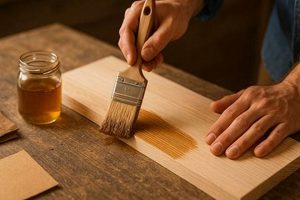
Tip 4: Utilize Proper Application Techniques: Employ a high-quality brush, sprayer, or applicator pad designed for the specific coating being used. Maintain a consistent application speed and overlap each stroke slightly to ensure uniform coverage.
Tip 5: Control Environmental Conditions: Apply transparent coatings in a well-ventilated area with moderate temperature and humidity. Extreme temperatures or high humidity can adversely affect drying time and the final finish quality.
Tip 6: Sand Lightly Between Coats: After each coat has dried, lightly sand the surface with fine-grit sandpaper (e.g., 320-grit or higher) to remove any imperfections and create a smooth surface for the subsequent coat.
Tip 7: Consider a Sealer or Primer: Applying a wood sealer or primer before the transparent coating can help to even out the wood’s porosity and improve the adhesion of the finish. This is particularly important for porous woods.
By diligently following these application guidelines, woodworkers and homeowners can achieve a durable, attractive, and long-lasting transparent coating on their wooden projects. The attention to detail in each step directly correlates with the quality and lifespan of the resulting finish.
The following sections will address specific challenges encountered during the application process and offer solutions for troubleshooting common issues.
1. Protection

A primary function of a wood clear finish is to provide a protective barrier against environmental factors that can degrade wood. This protection manifests in several ways, mitigating damage from moisture, abrasion, and ultraviolet radiation. The effectiveness of the finish in fulfilling this role directly impacts the longevity and aesthetic appeal of the underlying wood. For instance, a clear finish applied to exterior wooden furniture serves to shield the wood from rain, sunlight, and temperature fluctuations, preventing warping, cracking, and discoloration. The absence of such protection invariably leads to premature deterioration.
The type of protection offered is dependent on the specific formulation of the clear finish. Polyurethane finishes, for example, are known for their robust resistance to abrasion and chemical spills, making them suitable for high-traffic areas such as flooring and tabletops. Spar varnishes, on the other hand, are formulated to withstand the expansion and contraction of wood caused by changes in humidity, making them ideal for marine applications. The selection of the appropriate clear finish, therefore, hinges on a thorough understanding of the environmental stressors to which the wood will be exposed.
In summary, the protective qualities imparted by a wood clear finish are indispensable for maintaining the integrity and appearance of wooden surfaces. This protection, varying according to the finish type, safeguards against moisture, abrasion, and UV radiation, extending the lifespan of the wood. However, proper application and regular maintenance are also necessary to ensure the continued effectiveness of this protective barrier, addressing potential challenges in specific environments.
2. Transparency

Transparency is a fundamental attribute of any effective wood clear finish. It determines the degree to which the natural grain, color, and texture of the wood substrate are visible after the finish has been applied. A high degree of transparency allows the inherent beauty of the wood to shine through, while a finish lacking in transparency can obscure or distort these characteristics.
- Clarity of Resin
The base resin used in the formulation of the clear finish significantly influences its transparency. Resins with low color and high refractive index contribute to greater clarity. For example, water-based acrylics and certain solvent-based polyurethanes are formulated with clarity in mind. Conversely, cheaper or improperly processed resins may impart a yellow or cloudy appearance, diminishing the wood’s natural aesthetics.
- Absence of Additives
Additives such as UV absorbers, matting agents, and flow enhancers, while necessary for specific performance characteristics, can reduce the transparency of the finish if not carefully selected and incorporated. Excessive amounts of these additives can cause haziness or clouding. High-quality finishes balance the need for additives with the preservation of optical clarity.
- Film Thickness
The thickness of the applied finish layer impacts transparency. Excessively thick layers can refract light differently, leading to a milky or opaque appearance, particularly with finishes that contain a high solids content. Applying thin, even coats is crucial for maximizing transparency and achieving the desired visual effect. Professional applicators often employ multiple thin coats to build protection without sacrificing clarity.
- Surface Preparation
Proper surface preparation plays a critical role in achieving optimal transparency. An uneven or poorly sanded surface will scatter light unevenly through the finish, resulting in a less transparent appearance. Thorough sanding to a fine grit ensures a smooth, uniform substrate that allows the clear finish to perform as intended, maximizing the visibility of the wood’s natural grain.
The multifaceted relationship between transparency and a wood clear finish extends beyond mere aesthetics. While showcasing the wood’s natural beauty is paramount, a transparent finish also allows for easier inspection of the wood beneath, facilitating timely identification of potential issues like rot or insect damage. This underscores the importance of transparency as a crucial characteristic contributing to both the visual appeal and long-term preservation of wooden objects.
3. Durability

The durability of a wood clear finish is paramount to its effectiveness as a protective and aesthetic treatment for wood surfaces. It directly determines the lifespan of the finish and the degree to which it preserves the underlying wood from degradation. Environmental factors, physical abrasion, and chemical exposure all contribute to the wear and tear experienced by a clear finish, and its ability to withstand these forces is a critical indicator of its quality. For example, a finish applied to a wooden tabletop must resist scratches from everyday use, as well as potential damage from spills of liquids such as water, alcohol, or cleaning agents. A less durable finish would quickly show signs of wear, requiring frequent reapplication and potentially exposing the wood to harm.
Specific formulations within the category of wood clear finishes offer varying degrees of durability. Polyurethane finishes, for example, are generally recognized for their high abrasion resistance and chemical resistance, making them well-suited for high-traffic areas. Epoxy-based finishes offer exceptional hardness and impact resistance, commonly utilized in applications requiring enhanced physical protection. Conversely, traditional varnish finishes, while offering aesthetic appeal and good UV resistance, may be less durable in terms of abrasion resistance compared to polyurethane or epoxy. The choice of a specific clear finish, therefore, necessitates a careful consideration of the environmental conditions and the expected level of physical stress to which the wood surface will be subjected. The performance of durable finishes is often assessed using standardized testing methods, such as abrasion resistance tests and chemical resistance tests, providing quantifiable metrics for comparing different products.
In conclusion, durability is an essential attribute of any wood clear finish, directly influencing its ability to protect and preserve the wood beneath. The selection of a finish with adequate durability for the intended application is critical for ensuring long-term performance and minimizing the need for frequent maintenance or replacement. Understanding the specific durability characteristics of different finish types allows for informed decision-making, resulting in a durable and aesthetically pleasing outcome. Failure to prioritize durability can lead to premature failure of the finish, potentially compromising the underlying wood and incurring additional costs for repair or replacement.
4. Application

The application process of a wood clear finish is inextricably linked to the final outcome, impacting its protective qualities, aesthetic appearance, and longevity. Deviations from established best practices can compromise the integrity of the finish, negating the benefits of even the highest-quality product. Therefore, a thorough understanding of proper application techniques is essential.
- Surface Preparation
Surface preparation is the foundation of any successful application of a wood clear finish. This involves thorough sanding to remove imperfections, followed by meticulous dust removal. Failure to properly prepare the surface can result in adhesion problems, uneven finish texture, and accentuated surface defects. For example, residual dust particles can become trapped within the finish, creating visible blemishes. Proper surface preparation ensures a smooth, uniform base for the finish to adhere to.
- Environmental Conditions
Environmental conditions during application significantly affect the drying and curing process of wood clear finishes. High humidity can slow down drying times, potentially leading to runs, sags, or clouding of the finish. Extreme temperatures can also negatively impact the finish, either accelerating drying to the point of improper leveling or inhibiting drying altogether. Optimal application occurs within the temperature and humidity ranges specified by the finish manufacturer, typically in a well-ventilated area.
- Application Technique
The application technique itself profoundly influences the final appearance and durability of the wood clear finish. Whether applying by brush, spray, or wiping cloth, the goal is to achieve a uniform, thin coat. Over-application can lead to runs, drips, and prolonged drying times, while under-application may result in insufficient protection. The choice of applicator (brush, spray gun, etc.) should be aligned with the specific finish type and the desired level of control. Proper technique minimizes imperfections and maximizes the finish’s protective capabilities.
- Number of Coats
The number of coats applied is a critical factor in determining the level of protection and the overall aesthetic of the wood clear finish. Multiple thin coats are generally preferred over a single thick coat, as they allow for better adhesion, reduced risk of runs, and enhanced durability. Each coat should be allowed to dry completely according to the manufacturer’s instructions before applying the subsequent coat. The specific number of coats required will vary depending on the finish type and the intended use of the finished item.
These facets of application, when properly executed, contribute to a high-quality wood clear finish that enhances the beauty and protects the underlying wood. Neglecting any of these aspects can result in a compromised finish that fails to deliver the desired results. The application process, therefore, should be approached with meticulous attention to detail and adherence to established best practices.
5. Wood Type
The selection of a wood clear finish is inextricably linked to the inherent characteristics of the wood species itself. The wood type influences the finish’s absorption rate, color enhancement, and overall adhesion. A mismatch between wood type and finish can lead to aesthetic flaws, inadequate protection, and premature finish failure. For instance, applying a water-based finish to an oily wood like teak may result in poor adhesion due to the wood’s natural oils repelling the water-based formula. This interaction exemplifies a direct cause-and-effect relationship that underscores the importance of informed decision-making.
Wood density, grain pattern, and natural color variations further necessitate careful consideration when choosing a clear finish. Open-grained woods such as oak may require a grain filler prior to finish application to prevent excessive absorption and ensure a smooth, even surface. Conversely, fine-grained woods like maple can exhibit blotching if the finish is not applied carefully and evenly. The natural color of the wood also affects the final appearance, as some finishes can enhance or subtly alter the wood’s tone. For example, a clear finish with a slight amber tint can warm the appearance of a naturally cool-toned wood like ash. In practical applications, furniture makers often select specific wood-finish combinations to achieve desired aesthetic results, demonstrating the practical significance of this understanding.
Ultimately, the successful application of a wood clear finish hinges on recognizing the interplay between the finish’s properties and the specific wood type. Ignoring this crucial relationship can lead to unsatisfactory results, undermining the protective and aesthetic goals of the finishing process. While selecting the appropriate wood clear finish can be challenging, understanding the woods unique characteristics is paramount for achieving a durable and visually appealing outcome. Further research into specific wood species and finish compatibility is recommended for optimal results.
6. UV Resistance
Ultraviolet (UV) radiation represents a significant threat to wood and its finishes. Prolonged exposure to sunlight causes the degradation of lignin, a component of wood, leading to discoloration, surface checking, and weakening of the material. Wood clear finishes lacking adequate UV resistance allow this radiation to penetrate, accelerating these destructive processes. Therefore, UV resistance is a crucial attribute of any wood clear finish intended for use in environments exposed to sunlight. Finishes formulated with UV absorbers or blockers function by intercepting UV radiation, preventing it from reaching the wood surface and mitigating its harmful effects. Exterior wooden doors, for instance, benefit substantially from UV-resistant clear finishes, maintaining their aesthetic appeal and structural integrity for a longer period.
The effectiveness of UV resistance in a wood clear finish depends on several factors, including the type and concentration of UV-absorbing additives, the film thickness of the finish, and the angle and intensity of sunlight exposure. Some clear finishes incorporate UV absorbers that chemically absorb UV radiation and convert it into heat, while others use UV blockers that physically reflect or scatter the radiation. The selection of appropriate UV protection requires consideration of the specific application and environmental conditions. Clear finishes used on marine vessels, for example, demand superior UV resistance due to the intense sunlight exposure and reflective properties of water. Regular maintenance, such as reapplying the finish periodically, is also essential for maintaining optimal UV protection over time.
In summary, UV resistance is a critical characteristic of wood clear finishes, particularly for exterior applications. The presence of UV absorbers or blockers within the finish effectively mitigates the damaging effects of sunlight on wood, preserving its appearance and structural integrity. While selecting a UV-resistant finish is important, proper application and regular maintenance are equally crucial for ensuring long-term protection. Overlooking UV resistance can result in premature deterioration of the wood and finish, leading to costly repairs or replacements. Therefore, understanding and prioritizing UV resistance is paramount for achieving durable and aesthetically pleasing results with wood clear finishes.
7. Maintenance

Effective maintenance is crucial for preserving the integrity and appearance of wood clear finishes. Regular upkeep extends the lifespan of the finish, protecting the wood substrate from environmental damage and wear. Neglecting maintenance leads to premature degradation, necessitating costly repairs or refinishing.
- Regular Cleaning
Routine cleaning removes dirt, dust, and grime that can abrade the finish and diminish its clarity. Soft cloths and mild detergents prevent scratching and chemical damage. For instance, wooden furniture subjected to daily use requires frequent dusting and occasional cleaning with a damp cloth to maintain its sheen.
- Scratch Repair
Minor scratches compromise the protective barrier of the clear finish. Prompt repair prevents moisture penetration and further damage. Touch-up kits containing compatible clear finishes allow for localized repair of scratches, restoring the finish’s integrity. This is particularly important for surfaces like hardwood floors.
- Periodic Reapplication
Over time, wood clear finishes degrade due to UV exposure, abrasion, and chemical attack. Periodic reapplication restores the finish’s protective qualities and aesthetic appeal. The frequency of reapplication depends on the environmental conditions and the type of finish, but generally ranges from every few years for interior surfaces to annually for exterior surfaces.
- Environmental Control
Maintaining a stable environment minimizes stress on the wood and the clear finish. Controlling humidity levels prevents excessive expansion and contraction, reducing the risk of cracking and peeling. Proper ventilation also mitigates moisture buildup, which can foster mold growth beneath the finish. The control of these elements can substantially extend the life of a clear finish on wood.
These maintenance practices collectively ensure the longevity and effectiveness of wood clear finishes. Consistent upkeep preserves the wood’s natural beauty while safeguarding it from potential damage, ultimately maximizing the value and lifespan of wooden items and structures. A proactive approach to maintenance represents a cost-effective strategy for preserving the investment in both the wood and its clear finish.
Frequently Asked Questions About Wood Clear Finish
The following section addresses common inquiries regarding wood clear finishes, providing detailed and informative responses to assist in understanding their application, properties, and maintenance.
Question 1: What constitutes a “wood clear finish,” and how does it differ from other wood coatings?
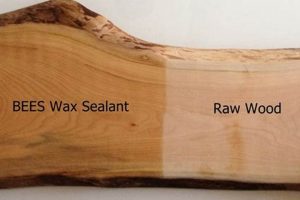
A wood clear finish is a transparent coating designed to protect and enhance the natural appearance of wood. Unlike paints or stains that alter the wood’s color, a clear finish preserves the existing grain and tone, providing a protective layer against moisture, scratches, and UV damage. Examples include varnishes, lacquers, and polyurethanes formulated to dry without imparting color.
Question 2: Which factors should be considered when selecting a wood clear finish for a specific project?
Several factors influence the selection of an appropriate clear finish, including the wood type, the intended use of the item, the level of durability required, and the environmental conditions. For example, exterior projects necessitate a finish with high UV resistance, while high-traffic areas require finishes with superior abrasion resistance. Researching the properties of different finishes, such as polyurethane, varnish, and lacquer, is essential to make an informed decision.
Question 3: What are the key steps involved in properly applying a wood clear finish?
Proper application begins with thorough surface preparation, including sanding and dust removal. Applying thin, even coats using a high-quality brush, sprayer, or applicator pad is crucial. Maintaining appropriate environmental conditions (temperature and humidity) is also important. Sanding lightly between coats enhances adhesion and smoothness. Adhering to the manufacturer’s instructions is critical for optimal results.
Question 4: How can one ensure a wood clear finish maintains its clarity over time?
Selecting a finish with high-quality resins and a low ambering tendency is important. Proper surface preparation, including fine sanding, minimizes light scattering. Avoiding excessive film thickness and minimizing the use of additives that can reduce transparency are also key factors. Regular cleaning also helps maintain the clarity and luster of the finish.
Question 5: What are common problems encountered during the application of wood clear finishes, and how can they be addressed?
Common problems include runs, drips, bubbles, and uneven drying. Runs and drips can be avoided by applying thin, even coats. Bubbles can be minimized by using a brush or sprayer designed for the specific finish. Uneven drying can result from improper surface preparation or fluctuating environmental conditions. Addressing these issues requires careful attention to application techniques and environmental control.
Question 6: How does the maintenance of a wood clear finish impact its longevity and performance?
Regular maintenance, including gentle cleaning and scratch repair, is essential for extending the lifespan of a clear finish. Periodic reapplication may be necessary to restore its protective qualities and aesthetic appeal. Controlling environmental factors, such as humidity and UV exposure, also helps maintain the finish’s integrity. Diligent maintenance is a cost-effective strategy for preserving the investment in the wood and its finish.
In summary, the successful application and maintenance of a wood clear finish depends on informed decision-making, proper techniques, and diligent care.
The following section will delve into specific case studies demonstrating the application of these principles in real-world scenarios.
Conclusion
This exploration has illuminated the multifaceted nature of wood clear finish, emphasizing its vital role in both the preservation and enhancement of wood surfaces. The discussion encompassed critical aspects such as protection, transparency, durability, and appropriate application techniques, all essential for achieving optimal and enduring results. The influence of wood type, UV resistance, and consistent maintenance routines were also highlighted as integral to the longevity and performance of this protective layer. Furthermore, it must be understood that the careful selection of appropriate materials remains paramount.
A discerning approach to utilizing wood clear finish represents a long-term investment in the enduring beauty and structural integrity of wooden objects. Recognizing the nuances involved in selecting, applying, and maintaining these finishes empowers informed decision-making and fosters a commitment to preserving valuable resources. Continued vigilance and adaptation to evolving technologies within the finishing industry will be crucial in maximizing the effectiveness and sustainability of wood clear finish for generations to come.
![Buy Premium Walnut Finished Wood [Deals Inside] | Best Final Touch: Elevate Your Projects with Professional Finishing](https://bestfinaltouch.com/wp-content/uploads/2026/05/th-405-300x200.jpg "Buy Premium Walnut Finished Wood [Deals Inside] Best Final Touch: Elevate Your Projects with Professional Finishing")