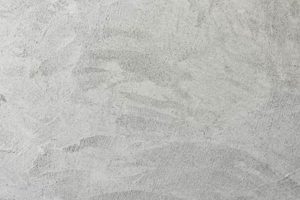
A surface treatment method applied to hardened concrete, resulting in a smooth, uniform appearance, involves the use of abrasive materials. This process eliminates surface imperfections such as minor protrusions, form marks, and textural inconsistencies. As an example, after concrete walls are cast, this technique can rectify any slight unevenness, providing a refined aesthetic.
This approach offers several advantages, including enhanced visual appeal and improved durability. The smoothed surface is less susceptible to water penetration and staining, thereby extending the lifespan of the concrete structure. Historically, this method has been utilized to achieve a higher standard of finish in architectural concrete, often seen in public buildings and high-end residential projects where aesthetics are paramount.
The following sections will delve into the specific techniques employed, materials required, and applications where this surface treatment is particularly suitable, providing a detailed understanding of achieving this desired concrete aesthetic.
Tips for Achieving an Optimal Concrete Rub Finish
Achieving a high-quality surface treatment outcome requires meticulous planning and execution. Adherence to best practices minimizes potential defects and ensures the longevity of the result.
Tip 1: Proper Concrete Preparation: The concrete substrate must be fully cured and thoroughly cleaned before commencing the process. Remove any loose debris, form release agents, or contaminants that could impede proper adhesion or create imperfections in the final surface.
Tip 2: Appropriate Abrasive Selection: Choose the correct abrasive material for the desired outcome and the hardness of the concrete. Start with coarser abrasives to remove significant imperfections, and progressively move to finer grits to achieve a smooth, polished surface. Experimentation on a small, inconspicuous area is recommended.
Tip 3: Consistent Moisture Control: Maintaining adequate moisture during the abrasion process is crucial. Wet grinding or rubbing helps to prevent the abrasive material from clogging and reduces dust generation. Ensure the surface remains consistently damp throughout the operation.
Tip 4: Uniform Application Technique: Apply consistent pressure and a uniform pattern during the rubbing process. Avoid dwelling in one spot, as this can lead to uneven removal of material and inconsistencies in the final appearance. Overlapping strokes are essential.
Tip 5: Thorough Inspection and Correction: After the initial pass, carefully inspect the surface for any remaining imperfections or inconsistencies. Address these areas with additional rubbing or grinding as needed, ensuring a seamless blend with the surrounding area.
Tip 6: Proper Curing After Treatment: After the treatment is completed, implement a proper curing process to ensure the longevity and durability of the finish. Protect the surface from extreme temperatures, direct sunlight, and excessive moisture loss during the curing period.
Tip 7: Dust Management: Control concrete dust by applying water or using dust extractors, if the work is inside a closed or confined area.
By following these guidelines, a durable and aesthetically pleasing surface is more likely to be achieved. Attention to detail and consistent application are key to success.
The following sections will explore common problems encountered and recommended solutions to address potential issues during surface treatment.
1. Surface preparation

Surface preparation is an indispensable prerequisite to a successful concrete rub finish. The effectiveness and longevity of the treatment are directly proportional to the thoroughness of the preliminary preparation. Improper or inadequate preparation can compromise the adhesion of the rub material, leading to premature failure and aesthetically unsatisfactory results.
- Removal of Contaminants
Surface contaminants, such as form release agents, oil, grease, dirt, and loose concrete particles, must be entirely removed before any treatment is applied. These substances create a barrier that prevents the rub material from properly bonding with the substrate. Failure to remove contaminants can result in peeling, blistering, or uneven texture in the final surface.
- Surface Profiling
Creating a suitable surface profile enhances the mechanical bond between the rub material and the concrete. This involves slightly roughening the surface to increase its surface area. Methods like light abrasive blasting or acid etching can be employed to achieve the desired profile. Without adequate profiling, the rub material may lack sufficient grip, leading to reduced durability.
- Repair of Existing Defects
Cracks, spalls, and other surface defects must be repaired before applying the treatment. Failure to address these imperfections will not only detract from the final aesthetic but can also compromise the structural integrity of the concrete. Patching compounds compatible with the existing concrete should be used, ensuring a seamless transition between the repair and the surrounding surface.
- Moisture Content Assessment
The moisture content of the concrete substrate must be within acceptable limits before application. Excessive moisture can interfere with the curing process of the rub material, leading to improper bonding and potential for mold or mildew growth. Moisture meters can be used to assess the concrete’s moisture level, ensuring it meets the manufacturer’s recommendations for the specific rub material being used.
The aforementioned facets of surface preparation collectively dictate the ultimate success of a concrete rub finish. By diligently addressing contaminants, profiling the surface, repairing existing defects, and assessing moisture content, a robust and visually appealing treatment can be achieved, providing long-lasting protection and enhancing the aesthetic value of the concrete structure.
2. Abrasive Selection

The selection of appropriate abrasive materials is a critical determinant in achieving a successful concrete rub finish. The abrasives’ characteristics directly influence the rate of material removal, the final surface texture, and the overall effectiveness of the process. Choosing an unsuitable abrasive can result in ineffective grinding, excessive material removal, or an undesirable surface appearance. For instance, using an overly aggressive abrasive on a soft concrete surface can lead to gouging and unevenness, while a too-fine abrasive may be ineffective in removing significant surface imperfections.
Abrasives are categorized by grit size, material composition, and bonding agent. Coarser grits are employed for initial grinding and the removal of substantial irregularities, while finer grits are utilized for polishing and achieving a smooth, refined surface. Material composition, such as silicon carbide or aluminum oxide, affects the abrasive’s hardness and cutting ability, requiring careful consideration based on the hardness of the concrete being treated. The bonding agent holds the abrasive particles together, and its selection influences the abrasive’s durability and lifespan. An example of proper application is the use of diamond-impregnated pads for polishing hardened concrete, progressing from coarser to finer grits to achieve a high-gloss finish. Improper abrasive selection can negate other diligent preparation efforts.
In summary, the relationship between abrasive selection and the quality of the concrete rub finish is direct and significant. The correct abrasive, matched to the concrete’s properties and the desired outcome, is essential for efficient material removal and the attainment of a smooth, durable surface. Understanding the characteristics of different abrasives and their effects on concrete is crucial for achieving the desired aesthetic and functional properties. Incorrect selection can lead to additional time and cost to remedy problems, or a lower quality output.
3. Moisture control
Moisture control during the application of a surface treatment is a critical factor influencing the quality and longevity of the resulting finish. The presence or absence of appropriate moisture levels directly affects the bonding, curing, and overall performance of the applied materials. Precise management of moisture is essential to avoid potential problems that can compromise the integrity of the treated surface.
- Hydration of Cementitious Materials
The hydration process of cementitious materials, often used in concrete surface treatments, necessitates a sufficient supply of water. Premature drying can lead to incomplete hydration, resulting in a weaker bond and reduced durability. Conversely, excessive moisture can dilute the mixture, weakening its structural integrity and creating surface imperfections. For example, if cementitious grout used for surface leveling dries out too quickly, it may crack or crumble, undermining the rub finish.
- Adhesion of Rubbing Compounds
Many rubbing compounds rely on specific moisture levels to properly adhere to the concrete substrate. The concrete surface must be damp but not saturated to facilitate effective bonding. Excessively dry concrete may draw moisture from the rubbing compound too quickly, hindering proper adhesion. Conversely, standing water can create a barrier that prevents the compound from making direct contact with the concrete. Consider the application of a polymer-modified rubbing compound on a hot, dry day; the compound may dry too rapidly, leading to poor adhesion and a compromised finish.
- Prevention of Dust Generation
Moisture plays a crucial role in mitigating dust generation during the rubbing process. Dry rubbing generates substantial amounts of airborne dust, posing health risks to workers and hindering visibility. Maintaining a damp surface helps to bind dust particles, reducing their dispersal into the environment. For instance, wet grinding techniques, where water is continuously applied to the grinding surface, are commonly used to minimize dust exposure during surface preparation for rub finishes.
- Influence on Curing Process
The curing process, which allows the treated concrete to gain strength and durability, is significantly influenced by moisture control. Maintaining a consistently moist environment prevents premature drying and cracking. Curing compounds are often applied to seal the surface and retain moisture during this critical period. Inadequate curing can result in a weakened surface that is more susceptible to damage and deterioration. An example would be a newly applied concrete rub finish left exposed to direct sunlight without proper curing, which would result in surface cracking due to rapid moisture loss.
These considerations highlight the intimate relationship between moisture control and the successful application of a surface treatment. Attentive monitoring and proactive management of moisture levels are essential to optimize material performance and ensure a durable, aesthetically pleasing surface.
4. Application Technique
The method employed to apply a concrete surface treatment is intrinsically linked to the quality and appearance of the resulting finish. Skillful application ensures uniform material distribution, proper adhesion, and the achievement of the desired aesthetic. Conversely, a flawed technique can lead to inconsistencies, premature failure, and an unacceptable final product.
- Uniform Pressure and Coverage
Maintaining consistent pressure and ensuring complete coverage during application are paramount. Uneven pressure can result in variations in material thickness, leading to visible inconsistencies in the finished surface. Similarly, incomplete coverage leaves areas untreated, creating a patchwork effect. For instance, when applying a cementitious overlay, failing to maintain consistent pressure with the trowel can result in areas with varying textures and color. Ensuring consistent technique during application provides a consistent finish.
- Layering and Timing
The number of layers applied and the timing between applications significantly impact the final result. Applying too much material in a single layer can lead to cracking or shrinkage during curing. Allowing insufficient time between layers can prevent proper bonding, resulting in delamination. Conversely, excessive waiting periods can lead to surface contamination, hindering adhesion of subsequent layers. Consider a multi-coat epoxy system; improper timing between coats can result in inter-coat delamination. Proper layering and timing is critical for success.
- Tool Selection and Manipulation
The choice of tools and their proper manipulation are essential for achieving the desired texture and finish. Different tools, such as trowels, brushes, and sponges, impart distinct textures to the surface. Skilled manipulation of these tools allows for precise control over the final appearance. For example, using a textured roller to apply a decorative coating creates a patterned surface, while using a smooth trowel results in a polished finish. Proper tool usage has a direct impact on texture and finish.
- Environmental Considerations
Ambient temperature, humidity, and wind speed can significantly influence the application process. Extreme temperatures can affect the curing rate of materials, while high humidity can prolong drying times. Wind can accelerate evaporation, leading to premature drying and cracking. Adapting the application technique to accommodate environmental conditions is crucial for achieving optimal results. For example, applying a concrete stain on a windy day may result in uneven color distribution due to rapid evaporation. Consider working conditions to ensure consistency and quality.
These facets of application technique collectively underscore the importance of skilled craftsmanship in achieving a high-quality concrete surface treatment. Attention to detail, proper tool usage, and careful consideration of environmental factors are essential for creating a durable and aesthetically pleasing finish. A properly executed application significantly enhances the longevity and visual appeal of the treated concrete, making it a worthwhile investment.
5. Curing Process

The curing process represents a critical stage in the successful implementation of a surface treatment. Following the application of the finish, proper curing is essential for achieving optimal strength, durability, and aesthetic qualities. The hydration of cementitious materials within the finish requires a controlled environment to facilitate the chemical reactions necessary for hardening and consolidation. Inadequate curing can lead to a range of problems, including surface cracking, reduced strength, and compromised aesthetic appearance. For example, if a cement-based rub finish is applied to a concrete wall and allowed to dry out too quickly, the resulting surface may exhibit unsightly hairline cracks, diminishing its visual appeal and potentially reducing its resistance to weathering.
The curing process primarily involves maintaining adequate moisture levels and temperature control. Various methods can be employed, including the application of curing compounds, wet coverings, or controlled humidity environments. Curing compounds create a barrier that prevents moisture loss from the finish, while wet coverings, such as burlap or plastic sheeting, provide a continuous source of moisture. Temperature control is crucial because extreme temperatures can disrupt the hydration process. High temperatures accelerate evaporation, while low temperatures can slow down or even halt the hydration reactions. The choice of curing method depends on factors such as the type of finish, environmental conditions, and project specifications. As an illustration, a polymer-modified surface treatment applied in a hot, arid climate may require the application of a curing compound followed by wet coverings to ensure adequate hydration and prevent premature drying.
In summary, the curing process is an indispensable component of achieving a high-quality surface treatment. Proper curing ensures the finish attains its intended performance characteristics and aesthetic qualities. Neglecting or improperly executing the curing process can negate the benefits of careful surface preparation, abrasive selection, application technique, and moisture control. Attention to detail and adherence to best practices in curing are therefore essential for delivering a durable and visually appealing finished product. Overlooking the curing phase effectively invalidates previous efforts, rendering the finished surface vulnerable to premature deterioration. The link between the curing process and the successful long-term performance of a surface treatment cannot be overstated.
Frequently Asked Questions
This section addresses common inquiries regarding this method, providing clarity on its application, benefits, and limitations.
Question 1: What is the primary purpose of a concrete rub finish?
The principal objective is to create a smooth, uniform surface on hardened concrete by removing minor imperfections, such as form marks and surface irregularities.
Question 2: What materials are typically required to achieve a concrete rub finish?
Commonly used materials include abrasive stones or grinding pads of varying grits, water for lubrication, and potentially patching compounds for repairing larger surface defects prior to treatment.
Question 3: Is a concrete rub finish suitable for both interior and exterior applications?
This finish can be applied to both interior and exterior concrete surfaces, provided appropriate materials and techniques are employed to account for environmental conditions and exposure to the elements.
Question 4: How does a concrete rub finish affect the durability of the concrete surface?
By removing surface imperfections and creating a smoother surface, this treatment can enhance durability by reducing the susceptibility to water penetration, staining, and freeze-thaw damage.
Question 5: What are the potential drawbacks or limitations of a concrete rub finish?
Potential drawbacks include the labor-intensive nature of the process, the generation of dust if proper precautions are not taken, and the possibility of altering the original texture or appearance of the concrete.
Question 6: Does a concrete rub finish require any specialized maintenance or upkeep?
Minimal specialized maintenance is typically required. Regular cleaning to remove dirt and debris is usually sufficient to maintain the appearance and integrity of the treated surface. Periodic resealing may be necessary in certain applications.
In summary, the selection of concrete is appropriate for surface issues, for the longevity and integrity of concrete. These techniques can be used for proper curing and preparation.
The following sections will cover the history and evolution of techniques for achieving a refined concrete surface.
In Conclusion
This exploration has detailed the concrete rub finish, encompassing its definition, benefits, application techniques, potential pitfalls, and the significance of proper preparation and curing. The process, while demanding precision and attention to detail, provides a method for refining concrete surfaces, enhancing their aesthetic appeal and contributing to long-term durability. The selection of appropriate abrasives, consistent moisture control, and skilled application techniques are crucial for successful implementation.
The pursuit of enhanced concrete surfaces, such as that achieved with a concrete rub finish, requires diligent application of knowledge and consistent pursuit of refined craftsmanship. The enduring utility of concrete structures necessitates continued investigation and development of techniques to ensure longevity and aesthetic appeal. Further research and practical application will invariably uncover refinements to current methods, ultimately contributing to the advancement of construction practices.