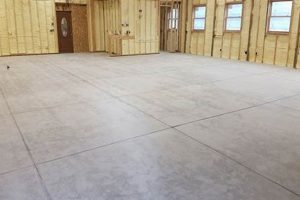
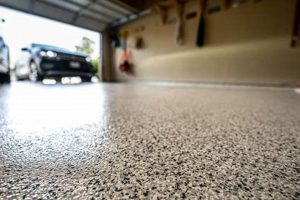
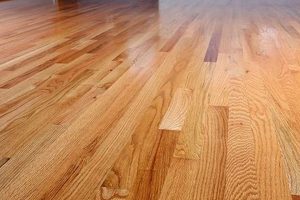
The process involves preparing, treating, and covering the subfloor of a subterranean level to create a usable and aesthetically pleasing surface. This typically includes addressing moisture concerns, installing insulation, and applying a suitable flooring material such as concrete, tile, or engineered wood. A completed surface transforms an unfinished area into functional living space.
The advantages of this undertaking are multifaceted. It can significantly increase property value by adding living space. It also provides opportunities for creating recreational areas, home offices, or additional bedrooms. Historically, transforming these underutilized spaces was driven by the need for more living areas in growing families or the desire to maximize property investment. Proper execution is essential to prevent moisture damage and ensure long-term durability.
The subsequent sections will delve into specific materials, techniques for moisture control, and detailed steps involved in achieving a durable and attractive outcome. Considerations for insulation, subfloor preparation, and different flooring options will be thoroughly examined. Further discussion will cover the legal and permitting requirements often associated with such projects.
Guidance on Subterranean Level Surface Completion
The following recommendations are designed to aid in the successful completion of a subsurface level’s flooring, ensuring longevity and usability. Careful adherence to these guidelines will minimize potential issues and maximize the return on investment.
Tip 1: Conduct a Thorough Moisture Assessment: Prior to commencement, assess the basement for existing or potential moisture issues. Perform a calcium chloride test to determine moisture vapor emission rates. Address any identified problems with appropriate waterproofing measures.
Tip 2: Implement a Robust Vapor Barrier: Install a polyethylene vapor barrier with overlapped and sealed seams. This mitigates moisture migration from the concrete slab, protecting the finished floor from dampness and potential mold growth.
Tip 3: Utilize Moisture-Resistant Subflooring: Select a subfloor system specifically designed for basement environments. Options include dimple mats, composite panels, or pressure-treated lumber, all providing a barrier against residual moisture.
Tip 4: Choose Appropriate Flooring Materials: Opt for flooring materials with inherent moisture resistance. Ceramic tile, vinyl plank, and engineered wood are often preferred over solid hardwood, which is more susceptible to water damage.
Tip 5: Ensure Proper Insulation: Install adequate insulation to minimize temperature fluctuations and prevent condensation. Rigid foam insulation offers good thermal performance and resistance to moisture absorption.
Tip 6: Mitigate Radon: Test for radon levels before, during, and after the process, as disturbing the ground can release this gas. Install a radon mitigation system according to EPA guidelines, if necessary.
Tip 7: Consider Ceiling Height: Before lowering the floor with the build-up of subfloor and finish floor, ensure adequate ceiling height and that local codes are followed. If height is inadequate consider alternative strategies such as removing concrete and lowering the slab, or not finishing the basement.
Tip 8: Maintain Consistent Ventilation: Implement or improve ventilation to promote air circulation and reduce humidity levels. Dehumidifiers or HVAC systems can further assist in maintaining a dry and comfortable environment.
Following these recommendations contributes to a long-lasting, comfortable, and valuable enhancement of the property. It is imperative to consult with qualified professionals throughout the process to ensure adherence to local building codes and best practices.
The subsequent conclusion will summarize the key considerations for successful project execution and offer final insights.
1. Moisture Mitigation

Moisture mitigation represents a fundamental prerequisite for successfully completing a subterranean level’s flooring. Addressing potential water intrusion and dampness is not merely a precautionary measure, but rather an integral component of a durable and healthy finished space.
- Hydrostatic Pressure Management
Hydrostatic pressure, resulting from groundwater surrounding the foundation, can force moisture through concrete slabs and walls. Mitigation involves implementing exterior drainage systems, sump pumps, and waterproof coatings to alleviate this pressure and prevent water from entering the interior. Failure to manage hydrostatic pressure can lead to water accumulation beneath the flooring, causing mold growth and structural damage.
- Vapor Barrier Installation
Concrete, even when seemingly dry, continuously emits moisture vapor. Installing a vapor barrier, typically a polyethylene sheet, between the concrete slab and the subfloor prevents this vapor from reaching the flooring material. This barrier minimizes the risk of warping, buckling, or adhesive failure in susceptible flooring types, such as hardwood or laminate.
- Humidity Control Strategies
High humidity levels within a subsurface environment contribute to moisture condensation on surfaces. Mitigation strategies include proper ventilation, the use of dehumidifiers, and the application of vapor-permeable paints and coatings. Effective humidity control reduces the likelihood of mold and mildew growth, enhancing the overall air quality and prolonging the lifespan of the finished floor.
- Leak Detection and Repair
Prior to installation, a thorough inspection for existing leaks or potential points of water entry is essential. Addressing cracks in foundation walls, sealing penetrations for pipes and wires, and repairing any plumbing leaks are crucial steps. Proactive leak detection and repair prevent future water damage and ensure the integrity of the finished flooring system.
The comprehensive implementation of these moisture mitigation facets ensures a stable and dry environment conducive to the longevity and performance of a finished subterranean level floor. Ignoring or underestimating these considerations can result in costly repairs, compromised air quality, and diminished property value.
2. Subfloor Preparation

The effectiveness and longevity of a finished subsurface level surface are directly contingent upon meticulous subfloor preparation. The subfloor serves as the foundational layer upon which the finished flooring rests. Its condition dictates the stability, flatness, and moisture resistance of the final product. Inadequate preparation leads to a cascade of potential problems, including uneven surfaces, flooring failures, and moisture-related issues. For instance, neglecting to level a concrete subfloor prior to installing tile can result in cracked tiles and grout lines. Similarly, failing to address moisture concerns can lead to mold growth and adhesive breakdown, compromising the entire flooring system.
Proper subfloor preparation involves several critical steps. The initial stage entails a thorough inspection to identify and address any existing damage, such as cracks, holes, or unevenness. Patching compounds and self-leveling underlayments are commonly employed to create a smooth, uniform surface. Additionally, the subfloor must be meticulously cleaned to remove debris, dust, and any residues that could interfere with adhesion. Moisture testing is paramount; if elevated moisture levels are detected, appropriate mitigation strategies, such as vapor barriers or moisture-resistant coatings, must be implemented. For example, installing a dimpled membrane beneath the subfloor creates an air gap, preventing moisture from migrating upwards and damaging the finished floor.
In conclusion, subfloor preparation is not merely a preliminary step; it is an integral component of a successful undertaking. Neglecting this phase can lead to costly repairs, compromised indoor air quality, and a diminished return on investment. Adherence to best practices in subfloor preparation ensures a stable, durable, and aesthetically pleasing finished surface, maximizing the value and usability of the subterranean space. The interconnectedness of subfloor condition and final flooring outcome necessitates a comprehensive and detail-oriented approach.
3. Insulation Selection

Insulation selection plays a pivotal role in the overall success of a subterranean level surface completion. The appropriate choice directly impacts energy efficiency, moisture control, and occupant comfort. Inadequate or inappropriate insulation can lead to elevated heating and cooling costs, condensation issues, and an uncomfortable living environment.
- Thermal Performance
The R-value of insulation dictates its resistance to heat flow. Higher R-values provide greater insulation. In subterranean environments, selecting insulation with adequate R-value minimizes heat loss during winter and heat gain during summer, resulting in significant energy savings. For instance, using R-13 fiberglass batts in the walls compared to no insulation can reduce heating bills by a considerable percentage. The specific R-value requirements are often dictated by local building codes and climate conditions.
- Moisture Resistance
Subterranean environments are prone to moisture intrusion. Insulation materials with low moisture absorption are crucial to prevent mold growth and maintain thermal performance. Closed-cell spray foam and rigid foam boards exhibit superior moisture resistance compared to fiberglass batts. Using fiberglass batts in a damp subterranean environment can lead to reduced R-value and potential health hazards due to mold growth.
- Installation Considerations
The ease of installation influences the overall cost and effectiveness of the insulation. Rigid foam boards are relatively straightforward to install, while spray foam requires professional application. Proper installation techniques, such as sealing seams and edges, are essential to prevent air leakage and maintain optimal performance. Incorrect installation, such as compressing fiberglass batts, can significantly reduce their R-value.
- Material Composition and Safety
Different insulation materials possess varying environmental impacts and safety characteristics. Certain types of spray foam contain volatile organic compounds (VOCs) that can affect indoor air quality. Selecting materials with low VOC emissions and fire-resistant properties is crucial for occupant health and safety. For example, using mineral wool insulation offers both fire resistance and minimal VOC emissions compared to some spray foam options.
The multifaceted nature of insulation selection requires careful consideration of thermal performance, moisture resistance, installation logistics, and material safety. The optimal choice contributes significantly to the long-term energy efficiency, comfort, and indoor air quality of the finished subterranean level. Integrating these factors into the decision-making process maximizes the value and usability of the completed space. The selection of proper material creates a more comfortable environment that is suitable for any intended uses of the space.
4. Material Suitability

The selection of appropriate materials is paramount to the long-term success of a subterranean level surface completion. The unique environmental conditions inherent in these spaces, characterized by potential moisture exposure and temperature fluctuations, necessitate a discerning approach to material selection. The consequences of utilizing unsuitable materials range from aesthetic degradation to structural compromise, underscoring the critical nature of this consideration. For example, installing solid hardwood flooring directly on a concrete slab without adequate moisture mitigation often results in warping, cupping, and eventual decay. This necessitates costly repairs and potentially hazardous mold remediation.
Material suitability extends beyond simple resistance to moisture. Factors such as durability, ease of maintenance, and impact on indoor air quality must also be considered. Ceramic tile, vinyl plank flooring, and engineered wood products are commonly employed due to their inherent moisture resistance and ease of cleaning. In contrast, carpet, while offering warmth and comfort, can trap moisture and provide a breeding ground for mold and mildew, particularly if not properly maintained. The choice of wall finishes is equally important; moisture-resistant paints and sealants can prevent water penetration and inhibit microbial growth. Additionally, the selection of subfloor materials plays a crucial role in mitigating moisture migration and providing a stable base for the finished floor.
In summary, the connection between material suitability and the successful completion of a subterranean level surface is inextricable. Neglecting to consider the unique environmental challenges of these spaces when selecting materials invariably leads to problems that compromise the integrity, longevity, and habitability of the finished space. A comprehensive understanding of material properties and their interaction with the subterranean environment is, therefore, essential for ensuring a durable, healthy, and aesthetically pleasing outcome. This approach ensures the best value for the project, and long-term utility of the completed project.
5. Ventilation Strategy

Ventilation strategy is integral to the successful completion and long-term maintenance of a finished subterranean level. Insufficient ventilation can exacerbate moisture-related problems, compromise indoor air quality, and negatively impact the structural integrity of the space. A well-designed ventilation system mitigates these risks, promoting a healthy and comfortable environment.
- Natural Ventilation Augmentation
While natural ventilation through windows or walkout access can be beneficial, it is often insufficient in subterranean environments. Augmenting natural ventilation with mechanical systems is typically necessary. This may involve installing exhaust fans, strategically placed to remove stale air and moisture, and ensuring adequate supply of fresh air. For example, incorporating an exhaust fan in a bathroom or laundry area helps to remove moisture generated during showers or washing activities. Without this, the humidity can cause damage and lead to the forming of mold.
- HVAC System Integration
Integrating the subterranean level into the home’s existing HVAC system can provide effective ventilation and temperature control. This requires careful consideration of airflow balance and ductwork design to ensure adequate circulation without creating drafts or imbalances in other areas of the house. A dedicated zone within the HVAC system, with its own thermostat, allows for independent temperature and ventilation control. This ensures that the subterranean level receives appropriate heating, cooling, and ventilation, promoting a comfortable and healthy environment, while reducing wear and tear on the home’s system.
- Dehumidification Implementation
Dehumidification is a critical component of a comprehensive ventilation strategy, particularly in subterranean environments prone to high humidity levels. Installing a dehumidifier helps to remove excess moisture from the air, preventing condensation, mold growth, and musty odors. The capacity of the dehumidifier should be appropriately sized for the square footage of the space and the anticipated humidity levels. Connecting the dehumidifier to a drain ensures continuous operation without the need for manual emptying. A unit with a humidistat assists with optimizing the system’s energy consumption.
- Air Sealing and Insulation Coordination
Effective ventilation relies on proper air sealing and insulation to minimize air leakage and maintain consistent temperatures. Sealing cracks, gaps, and penetrations in the foundation walls and around windows prevents uncontrolled air infiltration, which can introduce moisture and compromise the effectiveness of the ventilation system. Coordinating air sealing with insulation improves energy efficiency and reduces the risk of condensation. Applying caulk or foam, ensures air stays where it belongs to maximize efficiency of the system.
The interconnectedness of these facets underscores the importance of a holistic approach to ventilation strategy in subterranean level surface completion. A well-designed and properly implemented ventilation system is not merely an ancillary consideration but a fundamental requirement for ensuring the long-term health, comfort, and durability of the finished space. Properly done the homeowner can benefit from a durable, and properly climate controlled space.
6. Code Compliance

Adherence to building codes represents a non-negotiable aspect of completing a subterranean level’s surface. These regulations, established by local jurisdictions, are designed to ensure the safety, structural integrity, and habitability of the finished space. Disregarding code requirements can result in costly rework, legal penalties, and, more importantly, compromised safety for occupants.
- Egress Requirements
Building codes typically mandate specific egress requirements for finished subterranean levels, including the presence of an emergency escape and rescue opening (EERO). This opening, such as a window or door, must meet minimum size and accessibility standards to facilitate safe exit in the event of a fire or other emergency. Failure to comply with egress requirements can jeopardize occupant safety and result in the rejection of the finished space by building inspectors.
- Ceiling Height Regulations
Minimum ceiling height regulations are commonly stipulated in building codes to ensure adequate headroom and a comfortable living environment. Subterranean levels must meet these minimum height requirements to be considered habitable space. Lowering the floor to increase ceiling height may necessitate structural modifications and further code compliance considerations, such as underpinning the foundation.
- Fire Safety Standards
Fire safety standards dictate the use of fire-resistant materials, the installation of smoke detectors, and the provision of adequate fire separation between the subterranean level and other parts of the building. These standards aim to minimize the risk of fire spread and provide occupants with sufficient time to escape in the event of a fire. Compliance with fire safety standards often involves using fire-rated drywall, installing interconnected smoke detectors, and ensuring proper firestopping around penetrations for pipes and wires.
- Electrical and Plumbing Codes
Electrical and plumbing codes govern the safe installation and operation of electrical and plumbing systems in finished subterranean levels. These codes address issues such as proper grounding, GFCI protection, and the use of approved materials. Non-compliant electrical or plumbing installations can create fire hazards, electrical shock risks, and water damage, underscoring the importance of adhering to these codes.
The successful integration of these code-related facets directly correlates with the safety, legality, and long-term value of the completed subterranean level surface. Proactive engagement with local building officials and adherence to applicable codes are essential for ensuring a compliant and habitable finished space. Deviations from code requirements carry significant risks and should be avoided through careful planning and execution.
7. Budget Allocation

Effective budget allocation is a critical determinant in the successful completion of a subterranean level flooring project. The finite resources available necessitate careful planning to ensure that each phase, from initial moisture mitigation to the final installation of flooring, receives adequate financial support. Misallocation of funds can lead to compromises in material quality, incomplete implementation of essential steps, or project delays, ultimately impacting the long-term durability and usability of the space. For instance, skimping on the vapor barrier to save money may result in future moisture problems, necessitating costly remediation efforts. Conversely, an appropriate investment in moisture-resistant materials and professional installation ensures a longer lifespan and reduces the risk of future expenses.
The process of allocating resources for this kind of project requires a comprehensive understanding of potential costs, including materials, labor, permits, and unexpected contingencies. A detailed itemized budget, reflecting anticipated expenditures for each phase, allows for informed decision-making and prioritization of resources. Obtaining multiple quotes from contractors, conducting thorough research on material costs, and setting aside a contingency fund for unforeseen issues are crucial steps in the planning process. Prioritizing essential aspects, such as moisture control and structural integrity, while making informed choices on less critical elements, such as decorative finishes, allows for an optimized allocation of resources. For example, choosing a more economical flooring material without compromising on the quality of the subfloor preparation can balance cost considerations with long-term durability. A project completed without a realistic budget is setting itself up for disaster.
In conclusion, thoughtful budget allocation is not merely a logistical exercise; it is a strategic imperative that directly influences the outcome of the project. Careful planning, detailed cost analysis, and prioritization of essential elements ensure that resources are utilized effectively, maximizing the value and longevity of the finished subterranean level surface. The ramifications of underestimating or mismanaging the budget can be significant, highlighting the practical significance of this understanding in achieving a successful and sustainable outcome. Properly allocating the appropriate funds will ensure the project stays on target, and that the home owner will be satisfied with the finished project.
Frequently Asked Questions
The following addresses prevalent inquiries regarding the process of creating a finished floor in a subterranean setting. These questions and answers aim to provide clarity and guidance for those considering or undertaking such a project.
Question 1: What constitutes the most significant challenge in completing a subterranean level floor?
Moisture management stands as the foremost challenge. Subterranean environments are inherently susceptible to moisture intrusion from groundwater, condensation, and humidity. Inadequate mitigation can result in mold growth, structural damage, and compromised indoor air quality.
Question 2: What flooring materials are best suited for subterranean levels?
Materials with inherent moisture resistance are preferred. Ceramic tile, vinyl plank, and engineered wood products are commonly recommended due to their ability to withstand moisture exposure and maintain their structural integrity. Solid hardwood is generally not recommended without extensive moisture mitigation measures.
Question 3: How important is it to install a vapor barrier beneath a subterranean level floor?
A vapor barrier is considered essential. It prevents moisture vapor from migrating from the concrete slab into the flooring material, minimizing the risk of warping, buckling, and adhesive failure. A properly installed vapor barrier significantly prolongs the lifespan of the finished floor.
Question 4: Is professional installation necessary for completing a subterranean level floor?
While DIY installation is possible, professional installation is often recommended, particularly for complex tasks such as moisture mitigation, subfloor preparation, and HVAC integration. Professionals possess the expertise and equipment to ensure proper execution and adherence to building codes.
Question 5: What are the typical costs associated with completing a subterranean level floor?
Costs vary depending on the size of the space, the chosen materials, and the extent of required preparation. A comprehensive budget should account for materials, labor, permits, and contingency funds. Obtaining multiple quotes from contractors is advisable to establish a realistic cost estimate.
Question 6: How does insulation contribute to the success of a subterranean level floor?
Insulation minimizes temperature fluctuations, prevents condensation, and enhances energy efficiency. Selecting insulation materials with low moisture absorption is crucial to prevent mold growth and maintain thermal performance. Proper installation is essential to maximize the benefits of insulation.
Addressing these frequently asked questions provides a foundation for informed decision-making. The successful completion of a subterranean level surface hinges on careful planning, meticulous execution, and adherence to best practices.
The subsequent section will delve into strategies for maximizing the value of a completed subterranean level.
Finishing a Basement Floor
This exploration of finishing a basement floor has highlighted the multifaceted nature of the undertaking. From initial moisture mitigation and subfloor preparation to the crucial decisions regarding material suitability and ventilation strategies, each element directly influences the longevity, habitability, and overall value of the completed space. Code compliance and a well-defined budget serve as essential frameworks within which these decisions are made, ensuring safety and fiscal responsibility.
The decision to embark on finishing a basement floor represents a significant investment, one that demands careful consideration of the unique challenges and opportunities presented by subterranean environments. Informed planning, meticulous execution, and adherence to best practices are paramount to achieving a successful and sustainable outcome. The ultimate success of this endeavor hinges on a commitment to quality, diligence, and a thorough understanding of the interconnected factors that contribute to a durable, comfortable, and valuable addition to the property.