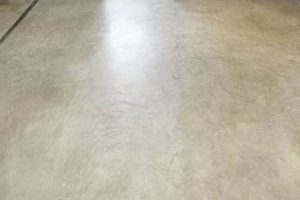
Treatments applied to interior cement-based surfaces, these enhance aesthetics, durability, and functionality. Examples include coatings, polishes, stains, and sealants which transform a plain substrate into a decorative and protective layer. These are commonly found in residential, commercial, and industrial settings.
These treatments offer numerous advantages. They improve resistance to staining, abrasion, and moisture penetration. Furthermore, they allow for a broad range of design options, from minimalist modern styles to ornate, decorative expressions. Historically, these applications have evolved from simple protective measures to sophisticated design elements.
This article explores the variety of surface applications available, examining their specific characteristics, methods of application, and suitability for different interior environments. Furthermore, the discussion will cover maintenance requirements and considerations for selecting the optimal application method for specific project needs.
Guidance on Interior Cement-Based Surface Treatments
Consider the following guidance to achieve optimal results when specifying or applying interior cement-based treatments. Proper planning and execution are critical for long-term performance and aesthetic satisfaction.
Tip 1: Surface Preparation is Paramount: Ensure the substrate is clean, dry, and free of contaminants before any application. Improper preparation can lead to adhesion failures and premature deterioration of the chosen system.
Tip 2: Select Appropriate Products: Evaluate the intended use of the space and choose a system designed for the expected traffic, chemical exposure, and environmental conditions. A high-traffic retail space requires a more durable solution than a low-use residential area.
Tip 3: Consider Moisture Vapor Transmission: Perform moisture testing before installation to mitigate potential problems arising from excessive moisture within the slab. High moisture levels can cause blistering, delamination, and microbial growth beneath impermeable coatings.
Tip 4: Apply Sealers for Protection: The application of a suitable sealer is essential to prevent staining, water damage, and wear. Select a sealer compatible with the base system and reapply periodically as recommended by the manufacturer.
Tip 5: Address Joint Movement: Control joints are crucial for managing thermal expansion and contraction. Do not bridge these joints with rigid materials; use flexible joint fillers to accommodate movement without causing cracking.
Tip 6: Evaluate Aesthetics Holistically: Consider the overall design aesthetic when selecting colors, textures, and finishes. Ensure that the chosen treatment complements the existing interior elements and lighting scheme.
Tip 7: Adhere to Manufacturer’s Instructions: Strictly follow the manufacturer’s guidelines for mixing, application, and curing. Deviations from these instructions can compromise the integrity and longevity of the installation.
By following these recommendations, one can enhance the appearance and extend the service life of interior cement-based surfaces. Careful attention to detail throughout the process yields a durable and aesthetically pleasing result.
The subsequent sections of this article will delve into specific surface treatments and their respective application techniques, providing a more granular understanding of these processes.
1. Durability

Durability, regarding interior cement-based applications, represents a critical performance metric that dictates the floor’s ability to withstand applied stresses and environmental factors over time. It directly influences the long-term cost-effectiveness and suitability of such surfaces within various interior environments.
- Abrasion Resistance
Abrasion resistance is the capacity to withstand wear caused by foot traffic, equipment movement, and cleaning processes. Polished applications and epoxy coatings, for example, provide a high degree of abrasion resistance, making them suitable for high-traffic commercial and industrial settings. Conversely, less robust sealers may require more frequent reapplication in similar environments.
- Impact Resistance
Impact resistance refers to the ability to endure sudden forces without cracking or chipping. Hybrid polymer systems and fiber-reinforced cement-based treatments enhance resistance to impacts, making them preferable in areas susceptible to dropping heavy objects or equipment. The absence of sufficient impact resistance can lead to unsightly damage and the need for costly repairs.
- Chemical Resistance
Chemical resistance signifies the capacity to withstand exposure to acids, alkalis, solvents, and other potentially corrosive substances. Epoxy and polyurethane-based applications generally exhibit superior chemical resistance, making them appropriate for industrial and laboratory environments where spills are likely. Failure to select a chemically resistant application can result in staining, etching, and degradation of the surface.
- Moisture Resistance
Moisture resistance is the ability to prevent water or other liquids from penetrating the surface. This is especially crucial in areas prone to spills or high humidity, such as bathrooms and kitchens. Sealers, coatings, and densifiers contribute to moisture resistance by reducing the permeability of the surface. Insufficient moisture protection can lead to staining, mold growth, and structural damage to the underlying slab.
The interplay of these durability facets ultimately determines the long-term performance and overall value of any interior cement-based surface. Selection must be carefully aligned with the specific demands of the intended environment to ensure sustained functionality and aesthetic appeal.
2. Aesthetics

The visual appeal of interior cement-based surfaces holds considerable sway over the perceived value and overall design coherence of interior spaces. Surface applications, therefore, directly impact aesthetics through color, texture, and sheen. Stains permeate the surface, creating variegated color effects, while dyes offer more uniform color saturation. Textures can range from smooth, polished surfaces to rough, aggregate-exposed finishes. Sealers and coatings dictate the level of sheen, from matte to high-gloss, influencing light reflection and visual depth. For example, a minimalist loft might employ a neutral gray stain with a matte sealer to achieve a modern, understated aesthetic. Conversely, a retail space might opt for a high-gloss epoxy coating in a vibrant color to attract attention and reinforce brand identity. Therefore aesthetics is a crucial attribute and its application needs to be properly implemented.
The selection of appropriate interior cement-based surface treatments directly correlates with the architectural style and intended ambiance. Polished surfaces complement contemporary designs, offering a clean and reflective aesthetic. Stamped surfaces emulate natural stone or tile, suitable for traditional or rustic settings. Decorative overlays introduce intricate patterns and textures, providing a customizable aesthetic. The proper choice reinforces the overall architectural narrative and contributes to a cohesive design scheme. Erroneous selection, however, can clash with the surrounding elements, detracting from the intended aesthetic impact.
Achieving the desired aesthetic requires careful consideration of the existing space, lighting conditions, and intended use. Challenges can arise from inconsistent application, variations in the substrate, and unforeseen chemical reactions. However, a thorough understanding of color theory, surface preparation techniques, and product compatibility will facilitate the successful execution of aesthetically pleasing interior cement-based surfaces, enhancing the visual harmony and overall appeal of interior environments.
3. Maintenance

Maintenance is a crucial determinant in the lifecycle cost and long-term aesthetic preservation of interior cement-based surfaces. The frequency and type of maintenance directly correlate with the selected application, traffic volume, and environmental conditions. Proper maintenance ensures durability and sustains the intended appearance of the treatment.
- Routine Cleaning Procedures
Regular cleaning removes dirt, dust, and debris that can abrade the surface and diminish its luster. Depending on the type of finish, routine cleaning may involve dry methods, such as sweeping or vacuuming, as well as wet methods using neutral pH cleaners. For instance, polished applications typically require only damp mopping with a microfiber pad and a pH-neutral solution. Neglecting routine cleaning can lead to the build-up of contaminants, resulting in scratches, stains, and a dull appearance.
- Protective Measures and Sealers
The application of protective sealers is essential in preventing staining and water damage. Sealers act as a barrier, resisting penetration from spills and environmental contaminants. The type of sealer required varies based on the application. For example, penetrating sealers are suitable for porous surfaces like stained applications, while topical sealers provide a protective layer over polished or coated surfaces. Periodic reapplication of sealers is necessary to maintain optimal protection.
- Spot Treatment and Stain Removal
Prompt removal of spills is critical to prevent permanent staining. The type of stain remover required depends on the nature of the staining agent and the surface finish. Acidic stains may necessitate alkaline cleaners, while oil-based stains require degreasers. Aggressive scrubbing or the use of harsh chemicals can damage the surface and compromise the finish. Gentle blotting and specialized stain removal products are recommended.
- Restorative Maintenance
Over time, even with diligent routine cleaning and protective measures, surfaces may exhibit wear and tear. Restorative maintenance encompasses processes like re-polishing, re-coating, or re-staining to restore the original appearance and functionality. The frequency of restorative maintenance depends on the traffic volume and the quality of the initial application. Regular inspections and timely interventions can prevent minor issues from escalating into major repairs.
The implementation of a comprehensive maintenance program, tailored to the specific characteristics of the interior cement-based surface, is paramount for extending its lifespan and preserving its aesthetic qualities. Neglecting maintenance not only diminishes the visual appeal but also accelerates deterioration, leading to costly repairs or replacements.
4. Cost

The selection of interior cement-based surfaces is significantly influenced by economic considerations. Initial material and labor costs are immediate factors, but lifecycle expenses related to maintenance, repairs, and potential replacement must also be evaluated. The chosen application often dictates these long-term costs. For instance, a self-leveling overlay requires a higher initial investment compared to a simple staining and sealing process. However, its enhanced durability may reduce the need for frequent repairs, ultimately proving more cost-effective over the structure’s lifespan. Similarly, polished surfaces, while demanding specialized equipment and skilled labor for installation, exhibit low maintenance requirements, translating into lower operational costs.
Conversely, applications with lower upfront costs, such as basic sealers, may require frequent reapplication to maintain their protective properties and aesthetic qualities. This recurring expense can accumulate significantly over time, exceeding the total cost of a more durable, higher-initial-cost alternative. Furthermore, cost is directly affected by the scale of the project, complexity of the design, and regional variations in labor rates and material availability. A large commercial installation may benefit from economies of scale, while a custom-designed decorative overlay in a remote location may incur substantially higher costs.
In summation, a comprehensive cost analysis, encompassing both initial investments and projected lifecycle expenses, is essential for informed decision-making regarding interior cement-based surfaces. The pursuit of the lowest initial cost may prove shortsighted if it results in increased maintenance demands or premature failure. A balanced approach, considering durability, aesthetics, and long-term economic factors, yields the most value. Furthermore, accurate cost estimation is also important for project budget.
5. Application
The process of applying treatments to interior cement-based surfaces is paramount in determining the success, longevity, and aesthetic qualities of the finished floor. Proper application techniques directly influence the durability, appearance, and overall performance of the surface.
- Surface Preparation
Effective surface preparation is the foundational step, involving thorough cleaning, grinding, and profiling to ensure proper adhesion of the selected treatment. Contaminants such as grease, dirt, and existing coatings must be removed to prevent bonding failures. The substrate’s surface profile should be mechanically roughened to provide a secure anchor for the applied material. Neglecting proper preparation leads to delamination, blistering, and premature failure. For example, applying a coating over an improperly prepared surface in a high-traffic commercial space will result in rapid wear and costly repairs.
- Mixing and Proportioning
Accurate mixing and proportioning of materials, following manufacturer specifications, is crucial for achieving the intended chemical and physical properties of the treatment. Incorrect mixing ratios can compromise the durability, flexibility, and color consistency of the finished surface. For instance, over-diluting a sealer can reduce its effectiveness, while improperly catalyzing an epoxy coating can lead to incomplete curing and a soft, tacky finish. Strict adherence to product guidelines is imperative for optimal results.
- Application Techniques
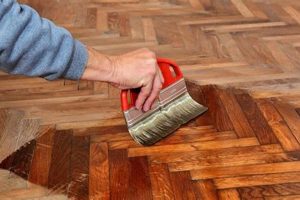
The method of applicationwhether by brush, roller, squeegee, or spraysignificantly impacts the uniformity, thickness, and texture of the applied treatment. Each technique requires specific skills and equipment to ensure consistent coverage and minimize imperfections. For example, a self-leveling overlay requires precise spreading and leveling to achieve a smooth, seamless surface. Improper application techniques result in uneven coatings, visible brush marks, and inconsistent color distribution, detracting from the aesthetic appeal and potentially compromising the protective properties of the application.
- Curing and Drying
Adequate curing and drying time, as specified by the manufacturer, is essential for allowing the treatment to fully harden and develop its intended properties. Premature exposure to traffic or environmental stresses can damage the uncured surface, leading to cracking, peeling, and discoloration. Maintaining optimal temperature and humidity conditions during curing is critical for ensuring proper polymerization and maximum durability. Insufficient curing compromises the long-term performance and aesthetic qualities of the applied surface.
These facets of application underscore the importance of skilled technicians and adherence to best practices. The success of interior cement-based surfaces hinges not only on the selection of appropriate materials but also on the meticulous execution of each step in the application process. Thoroughness and attention to detail during application directly translate into a durable, aesthetically pleasing, and long-lasting floor.
6. Slip Resistance

Slip resistance, concerning interior cement-based surfaces, is a critical safety parameter. The coefficient of friction (COF) quantifies slip resistance, indicating the force required to initiate or sustain movement between a shoe sole and the floor. Lower COF values denote increased slip risk, potentially causing accidents and injuries. Surface treatments directly influence the COF. Polished surfaces, absent of anti-slip additives, frequently exhibit lower COF values than textured or coated surfaces. The application of specialized sealers or coatings containing abrasive particles can enhance slip resistance in inherently smooth treatments. Regulations and building codes often specify minimum COF requirements for various interior spaces, particularly in high-traffic areas and locations prone to moisture exposure. A polished floor in a shopping mall, for instance, necessitates anti-slip measures to meet safety standards and mitigate liability. Failure to address slip resistance during specification and application constitutes a significant safety hazard.
The choice of treatment must consider the intended use of the space and the potential for contaminants to reduce slip resistance. Spills of liquids such as water, oil, or cleaning solutions can significantly lower the COF, increasing the risk of slips and falls. Consequently, surface treatments in commercial kitchens, restrooms, and entranceways necessitate a higher degree of slip resistance than those in dry, low-traffic areas. Furthermore, the maintenance regimen significantly impacts slip resistance over time. Improper cleaning products or excessive polishing can reduce the COF, negating the effects of anti-slip additives. Routine testing of the COF is advisable, particularly in high-risk areas, to ensure continued compliance with safety standards.
In conclusion, integrating slip resistance considerations into the selection and maintenance of interior cement-based surface treatments is paramount for ensuring occupant safety. Selecting appropriate treatments and employing suitable maintenance protocols can mitigate slip hazards. Compliance with relevant building codes and consistent monitoring of COF values are integral to a comprehensive safety strategy. The balance between aesthetics, durability, and slip resistance is essential for a functional design. The pursuit of visual appeal cannot come at the expense of safety. Surfaces with slip resistance are important on the interior cement-based surfaces.
7. Substrate Condition

The condition of the underlying substrate significantly affects the success of any application to interior cement-based surfaces. The substrate serves as the foundation upon which the entire system rests; its properties directly influence adhesion, durability, and the overall aesthetic outcome. A flawed or improperly prepared substrate can undermine even the highest-quality surface treatment. For example, a coating applied to a substrate with excessive moisture vapor transmission may exhibit blistering and delamination. Similarly, inadequate surface preparation can lead to poor bonding and premature failure of the treatment. Real-world instances highlight the importance of thorough substrate evaluation, ranging from moisture testing to assessing the presence of contaminants. Understanding the substrate condition is, therefore, an indispensable component of achieving optimal results in interior cement-based application projects.
Proper assessment and remediation of substrate deficiencies are vital steps in the application process. Cracks, unevenness, and surface laitance must be addressed before applying any treatments. Grinding, patching, and self-leveling compounds are common methods used to correct these issues, creating a sound, uniform base for the intended application. In industrial settings, where floors are subjected to heavy loads and chemical exposure, substrate reinforcement may be necessary. Ignoring these pre-application procedures can result in aesthetic imperfections, reduced service life, and costly repairs. Furthermore, specific treatments require specific substrate preparations. A polished surface demands a structurally sound and level substrate. The application of coatings requires a roughened surface profile for mechanical keying.
In summary, substrate condition is intrinsically linked to the performance and longevity of interior cement-based surface treatments. A comprehensive evaluation of the existing substrate, followed by appropriate preparation techniques, is crucial for achieving successful and durable results. Overlooking substrate deficiencies introduces significant risks that can compromise the entire project. The challenges include the early detection of moisture problems, complete removal of existing coatings, and proper surface profiling. The industry continues to emphasize the need for standardized testing methods and best practices to ensure satisfactory substrate preparation and long-term performance.
Frequently Asked Questions About Indoor Concrete Floor Finishes
This section addresses common inquiries regarding treatments applied to interior cement-based surfaces, offering clarity on best practices and considerations for achieving optimal results.
Question 1: What factors determine the suitable finish for an indoor concrete floor?
The appropriate finish depends on several factors, including intended use, traffic volume, aesthetic preferences, maintenance requirements, and budget constraints. For instance, high-traffic commercial spaces may necessitate durable epoxy coatings, while residential areas may benefit from polished surfaces due to their ease of maintenance.
Question 2: How is the longevity of an indoor concrete floor finish ensured?
Longevity is contingent upon proper surface preparation, the selection of suitable materials, adherence to manufacturer’s instructions during application, and the implementation of a consistent maintenance program. Protective sealers and regular cleaning play a crucial role in extending the lifespan of the finish.
Question 3: What steps are involved in the preparation of an indoor concrete floor prior to finishing?
Preparation typically involves removing existing coatings, grease, and contaminants, followed by grinding or profiling the surface to create a mechanical bond. Moisture testing is also essential to mitigate potential issues related to moisture vapor transmission. This ensures proper adhesion and prevents future delamination or blistering.
Question 4: What are the potential issues associated with indoor concrete floor finishes, and how can they be prevented?
Potential issues include cracking, staining, delamination, and loss of slip resistance. These can be prevented through proper material selection, meticulous application techniques, and proactive maintenance. Addressing substrate deficiencies before application minimizes the risk of such problems.
Question 5: How do maintenance requirements differ among various indoor concrete floor finishes?
Maintenance requirements vary widely depending on the type of finish. Polished applications generally require damp mopping with a pH-neutral cleaner, while epoxy coatings may require specialized cleaning solutions. Protective sealers must be reapplied periodically to maintain their protective properties. Regular inspection and timely repair of any damage are crucial for long-term maintenance.
Question 6: Is professional installation necessary for indoor concrete floor finishes?
While some simpler applications may be suitable for DIY projects, complex finishes such as polished surfaces, epoxy coatings, and decorative overlays often require professional installation. Skilled technicians possess the expertise and equipment to ensure proper application and avoid common pitfalls, resulting in a superior and longer-lasting outcome. Hiring a professional ensures the correct installation process.
These frequently asked questions highlight crucial aspects regarding treatments for interior cement-based surfaces, including selection, application, maintenance, and potential challenges. A thorough understanding of these considerations is essential for achieving successful and long-lasting results.
The subsequent sections of this article will delve into real-world examples and case studies, providing practical insights into the implementation of treatments in diverse interior environments.
Conclusion
This exposition has investigated the complexities of treatments applied to interior cement-based surfaces, emphasizing the critical interplay of factors such as durability, aesthetics, maintenance, cost, application, slip resistance, and substrate condition. A comprehensive understanding of these elements is indispensable for achieving successful and sustainable flooring solutions across diverse interior environments. Consideration of these factors assures a proper implementation and a well-designed, lasting final product.
The future of interior flooring design lies in informed decision-making and meticulous execution. By prioritizing long-term performance and safety alongside aesthetic appeal, stakeholders can maximize the value and minimize the risks associated with interior cement-based surface applications. Continued research and adherence to best practices will drive innovation and ensure the sustained quality of interior spaces for years to come. With these important considerations, the implementation process of these treatments leads to interior environments that are long-lasting, durable, and of excellent quality.