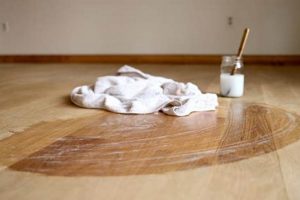
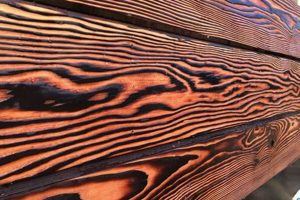
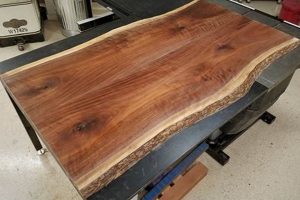
Wood finishes employing wax, while offering a distinctive aesthetic and tactile quality, present certain limitations. These drawbacks often stem from the inherent properties of wax as a protective coating. For instance, wax offers relatively low resistance to heat and moisture. A hot cup placed directly on a waxed surface can leave a permanent mark, and prolonged exposure to humidity can cause the finish to soften or become cloudy. Similarly, its durability against scratches and abrasions is limited when compared to harder finishes like varnish or lacquer.
The appeal of wax as a wood finish lies in its ease of application and the warm, natural appearance it imparts. Historically, wax has been favored for its ability to enhance the wood’s grain and provide a subtle sheen. It is also relatively easy to repair and maintain, requiring only periodic reapplication. However, the trade-off for this ease of use is a lower level of long-term protection. The surface requires regular maintenance to preserve its appearance and protective qualities, making it less suitable for high-traffic areas or surfaces subject to frequent use.
Therefore, selecting wax as a finish requires careful consideration of the intended use of the wood item and the expected environmental conditions. Aspects such as susceptibility to damage, the level of maintenance required, and the appropriateness for different wood types are all crucial factors in determining whether the aesthetic benefits of wax outweigh its inherent practical limitations. The following sections will delve further into specific shortcomings related to its protective qualities, longevity, and application challenges.
Mitigating Drawbacks of Wax Finishes on Wood
Wax finishes, while aesthetically pleasing, possess inherent limitations. Understanding these weaknesses allows for proactive steps to minimize their impact and maximize the longevity of the finish.
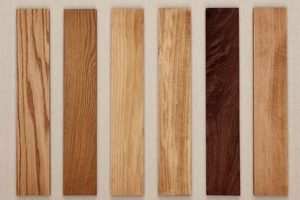
Tip 1: Select appropriate wood species: Hardwoods, such as oak or maple, offer a more stable base for wax finishes than softer woods like pine. The increased density provides better resistance to indentation and wear, mitigating some of the finish’s protective shortcomings.
Tip 2: Apply a sealant or wood conditioner: Pre-treating the wood with a sealant or conditioner helps to create a more uniform surface and reduce absorption of the wax. This allows for a thinner, more even wax layer that cures consistently, reducing the chances of blotchiness and improving durability.
Tip 3: Use multiple thin coats: Applying several thin coats of wax, rather than one thick coat, results in a stronger, more resilient finish. Allow each coat to dry and buff thoroughly before applying the next. This technique minimizes the build-up of soft wax, creating a more stable protective layer.
Tip 4: Employ a high-quality wax: The composition of the wax itself significantly impacts its performance. Opt for a wax containing carnauba wax, beeswax, and a hardening agent. These ingredients offer enhanced durability and resistance to wear, reducing the need for frequent reapplication.
Tip 5: Buff thoroughly after each application: Buffing is crucial for achieving a durable and lustrous finish. It generates heat, which helps to melt and compress the wax, creating a smoother, more resistant surface. Use a soft cloth or buffing wheel for optimal results.
Tip 6: Maintain regularly: Wax finishes require ongoing maintenance. Dust regularly to prevent grit from scratching the surface. Reapply wax as needed, typically every 6-12 months, depending on the level of use and environmental conditions.
Tip 7: Avoid excessive heat and moisture: Protecting the waxed surface from extreme temperatures and humidity is essential. Use coasters under hot items and avoid placing waxed furniture in damp environments. Promptly wipe up spills to prevent water damage.
Tip 8: Consider a hybrid approach: For surfaces that require enhanced durability, consider combining a wax finish with a more protective base coat, such as a penetrating oil or shellac. This provides a more resilient foundation while retaining the aesthetic qualities of wax.
Implementing these measures can extend the lifespan and improve the performance of wax finishes, maximizing the value of aesthetic properties while mitigating certain drawbacks. Prioritizing preventative actions helps maintain its appearance.
In conclusion, acknowledging the inherent challenges of this finish allows for informed decisions about its suitability for particular projects and facilitates the adoption of practices that enhance its overall performance.
1. Low heat resistance

The limited resistance to heat inherent in wax finishes directly contributes to their overall disadvantages when applied to wood. This characteristic stems from the relatively low melting point of the waxes commonly used in these finishes, such as beeswax and carnauba wax. Elevated temperatures, even those reached by placing a warm object on the surface, can soften or melt the wax. This softening disrupts the integrity of the protective layer, leaving the wood beneath vulnerable to damage. Furthermore, the melted wax can trap dirt and debris, creating unsightly marks and compromising the aesthetic appeal of the finish. A practical example is the formation of white rings on a waxed table surface after a hot beverage is placed upon it without a coaster. These rings are evidence of the wax softening and undergoing structural change due to the applied heat. The importance of understanding the low heat resistance of wax finishes is paramount in selecting an appropriate finish for surfaces that will experience temperature variations.
The consequences of inadequate heat resistance extend beyond mere aesthetic imperfections. Repeated exposure to even moderate heat can lead to a gradual degradation of the wax finish. This degradation necessitates more frequent reapplication of the wax to maintain the wood’s protection and appearance. In situations where wood surfaces are regularly subjected to heat, such as kitchen countertops or dining tables, the use of wax finishes is often discouraged in favor of more heat-resistant alternatives like polyurethane or epoxy resins. These alternative finishes offer a more robust barrier against heat-induced damage, minimizing the need for frequent maintenance.
In summary, the correlation between low heat resistance and the disadvantages of wax finishes highlights a critical limitation of this finish type. This limitation impacts the choice of appropriate applications and necessitates careful consideration of the potential for heat exposure. Failure to account for this vulnerability can result in compromised aesthetics, increased maintenance requirements, and ultimately, a shorter lifespan for the finished wood surface. Therefore, understanding and mitigating the effects of low heat resistance are crucial for maximizing the utility and longevity of wax finishes on wood.
2. Limited moisture protection

The inherent vulnerability of wax finishes to moisture significantly contributes to their overall disadvantages when applied to wood. The porous nature of wax, combined with its relatively low resistance to water penetration, presents challenges in protecting wood surfaces from environmental humidity and direct contact with liquids. This limitation dictates the suitability of wax finishes for specific applications and environments.
- Water Absorption and Swelling
Wood protected with wax is susceptible to water absorption when exposed to moisture. Water penetrates the wax layer and is absorbed by the wood fibers, leading to swelling. Repeated cycles of absorption and drying can cause warping, cracking, and delamination of the wood. The finish offers minimal resistance to liquid spills and constant humidity exposure, leading to deterioration of the woods structural integrity.
- Staining and Discoloration
When water penetrates a wax finish, it can carry dissolved minerals and organic compounds that leave stains and discolorations on the wood. These stains are often difficult to remove without completely stripping and refinishing the surface. Water rings, common on waxed furniture after contact with damp objects, are a prime example. This staining issue is amplified with light-colored woods or waxes, making imperfections more noticeable.
- Mold and Mildew Growth
The moisture trapped within the wood beneath a wax finish creates a conducive environment for the growth of mold and mildew. These organisms thrive in damp conditions and can cause significant damage to the wood structure, leading to rot and decay. Wax’s lack of breathability exacerbates this issue, as it prevents the moisture from evaporating, thereby promoting microbial activity. The occurrence of mold and mildew poses health risks and further compromises the finish.
- Finish Degradation
Prolonged exposure to moisture can cause the wax finish itself to degrade over time. The wax can soften, become cloudy, or even detach from the wood surface, diminishing its protective capabilities. This degradation necessitates more frequent reapplication of the wax, increasing maintenance requirements. Consequently, the finish becomes less effective in protecting the wood against further moisture-related damage.
The limitations related to moisture protection present significant drawbacks for wood surfaces finished with wax. The combined risks of water absorption, staining, mold growth, and finish degradation highlight the unsuitability of wax for environments with high humidity or frequent exposure to liquids. Therefore, the selection of wax as a finish necessitates careful consideration of the environmental conditions and intended use of the wood item to prevent premature damage and ensure longevity.
3. Susceptibility to scratching
The inherent softness of wax directly contributes to its vulnerability to scratching, forming a significant disadvantage when used as a wood finish. This susceptibility arises from the physical properties of wax, which lacks the hardness and resilience found in alternative finishes like varnish or lacquer. Consequently, even minor abrasions from everyday use can readily mar the surface, compromising its aesthetic appeal and protective capabilities. The ease with which scratches appear necessitates frequent maintenance and reapplication of wax to restore the finish’s original condition.
Consider, for example, a waxed coffee table used in a living room. The routine act of placing objects on the table, such as keys, books, or remote controls, inevitably leads to the creation of fine scratches over time. Similarly, the movement of dust and small particles across the surface during cleaning can also inflict minor abrasions. These seemingly insignificant scratches accumulate and detract from the overall appearance, requiring periodic buffing or waxing to minimize their visibility. In contrast, a finish with greater scratch resistance would withstand such routine wear and tear more effectively, reducing the need for frequent maintenance.
The practical significance of understanding this limitation lies in selecting appropriate finishes based on the anticipated use and environment of the wood item. For high-traffic areas or surfaces subject to frequent contact, the selection of wax may prove unsuitable due to its inherent susceptibility to scratching. Alternative finishes offering greater durability and scratch resistance are often preferred in these situations. Recognizing the trade-off between the aesthetic qualities of wax and its practical limitations enables informed decision-making, optimizing the long-term appearance and protection of wooden surfaces. The importance of considering surface usage and potential wear informs the selection of a finish that aligns with functional and aesthetic goals, ultimately contributing to the longevity and overall value of the wood item.
4. Requires frequent maintenance

The necessity for frequent maintenance is intrinsically linked to the disadvantages of wax finishes on wood, acting as a direct consequence of the material’s inherent properties and protective capabilities. Wax, being a relatively soft and yielding substance, offers limited resistance to the wear and tear of everyday use. This inherent vulnerability necessitates periodic reapplication and upkeep to preserve both the finish’s aesthetic appeal and its limited protective functionality. The need for frequent intervention is not merely an inconvenience but constitutes a significant drawback when compared to more durable, lower-maintenance alternatives. A waxed dining table, for instance, requires regular cleaning, waxing, and buffing to address scratches, watermarks, and general dulling of the finish tasks that would be less frequent with a polyurethane or lacquer coating. The practical significance of this stems from the additional time, resources, and effort expended to maintain the wax finish, factors that weigh heavily against its selection in many applications.
The connection between the requirement for frequent maintenance and the limitations of wax finishes extends beyond mere inconvenience. The ongoing upkeep often involves specialized products and techniques, adding to the overall cost and complexity of maintaining the wood surface. Failure to adhere to the recommended maintenance schedule can lead to a rapid deterioration of the finish, rendering the wood susceptible to damage from moisture, abrasion, and other environmental factors. This creates a cycle of reactive maintenance, where addressing neglect necessitates more intensive and costly interventions than proactive care. An example of this is a waxed wooden floor in a high-traffic area. Without regular sweeping, cleaning, and waxing, the finish quickly becomes dull and scratched, requiring professional buffing and re-waxing to restore its appearance. This continuous cycle reinforces the disadvantage of high maintenance associated with wax finishes.
In conclusion, the need for frequent maintenance is not simply a characteristic of wax finishes but rather a defining element of its inherent disadvantages. This requirement results from the material’s limited durability and protective qualities, translating into increased time, effort, and expense for the end-user. Addressing this inherent limitation necessitates a realistic assessment of the application environment, anticipated usage patterns, and the owner’s willingness to commit to ongoing upkeep. While wax finishes offer a certain aesthetic appeal and ease of application, the associated maintenance demands should be carefully weighed against alternative finishes offering greater durability and reduced long-term care requirements. Failing to acknowledge this key disadvantage can lead to dissatisfaction and potentially compromise the longevity and beauty of the finished wood surface.
5. Offers minimal durability
The assertion that wax finish offers minimal durability serves as a cornerstone within the broader context of its disadvantages when applied to wood. This lack of robust protection is not an isolated flaw but rather a fundamental characteristic that triggers a cascade of negative consequences affecting the lifespan, appearance, and maintenance requirements of the finished wood surface. The inherent softness and low abrasion resistance of wax mean it readily succumbs to scratches, impacts, and the gradual wear associated with everyday use. Consider, for example, a waxed wooden tabletop used for dining; the repeated placement of dishes, cutlery, and occasional accidental spills inevitably leads to scratches and watermarks. This necessitates frequent reapplication and maintenance to preserve the finish’s integrity, underscoring the direct relationship between minimal durability and the need for constant attention. The importance of this aspect stems from the fact that a finish’s primary function is to protect the underlying material; wax’s limited ability to fulfill this role compromises its effectiveness and practicality in numerous applications.
Furthermore, the minimal durability of wax finishes has significant implications for their suitability in high-traffic areas or on items subject to frequent handling. Wooden flooring finished with wax, for example, requires regular buffing and re-waxing to counteract the effects of foot traffic and abrasion. Without this consistent maintenance, the finish deteriorates rapidly, exposing the wood to potential damage from moisture, dirt, and impacts. This contrasts sharply with more durable finishes like polyurethane, which offer superior resistance to wear and tear, requiring significantly less frequent upkeep. The comparative lack of durability also limits the range of wood species that can be effectively finished with wax. Softer woods, already prone to denting and scratching, are particularly ill-suited for wax finishes, as the combination of a vulnerable substrate and a weak protective layer provides inadequate defense against everyday use. This constraint further highlights the practical limitations associated with minimal durability.
In conclusion, the minimal durability inherent in wax finishes on wood functions as a central disadvantage, impacting long-term performance, raising maintenance demands, and restricting suitable applications. Its reduced capacity to withstand wear and tear necessitates frequent intervention and careful handling, diminishing its appeal relative to more resilient alternatives. Acknowledging this core limitation is essential for informed decision-making, enabling users to weigh the aesthetic benefits of wax against its practical drawbacks and select the most appropriate finish for their specific needs. Addressing the challenges presented by minimal durability requires careful consideration of the intended use, environmental conditions, and available resources for ongoing maintenance, ultimately influencing the longevity and overall value of the finished wood product.
6. Soft, easily damaged finish

The characteristic of a soft and easily damaged finish is a primary component of the disadvantages associated with wax finishes on wood. This inherent softness, relative to more durable finishes such as varnish or lacquer, renders the wax layer susceptible to scratches, dents, and abrasions from even minor impacts or routine use. The causal relationship is straightforward: the pliable nature of wax offers inadequate resistance to physical forces, resulting in a compromised surface. For example, a waxed tabletop is easily marked by the sliding of objects across its surface, an event that would leave little to no trace on a more resilient finish. The result of a soft finish leads to reduced aesthetic appeal.
The importance of understanding the soft nature of wax finishes lies in accurately assessing their suitability for specific applications. A wax finish may be acceptable for decorative items that receive minimal handling, but is a poor choice for high-traffic surfaces or items subjected to frequent use. Wooden flooring finished with wax, for example, will exhibit wear patterns and require significantly more maintenance than floors finished with a more durable coating. Further, this vulnerability extends to environmental factors. Wax offers limited protection against moisture and heat, exacerbating the potential for damage from spills or temperature fluctuations. These practical consequences are often overlooked, leading to dissatisfaction with the performance of the finish and unnecessary costs for repair or replacement.
In summary, the soft and easily damaged nature of wax finishes is a critical factor contributing to their overall disadvantages. This characteristic necessitates careful consideration of the intended use and environmental conditions before selecting wax as a wood finish. Failure to account for this limitation results in increased maintenance requirements, diminished aesthetic appeal, and a reduced lifespan for the finished wood product. Recognizing this connection allows for more informed decision-making and the selection of alternative finishes when durability and protection are paramount.
Frequently Asked Questions
The following questions address common concerns and misconceptions regarding the limitations of using wax as a wood finish. These answers aim to provide clarity and assist in making informed decisions about wood finishing options.
Question 1: Is wax finish truly less durable than other wood finishes?
Yes. Wax offers minimal resistance to scratches, heat, and moisture compared to finishes like varnish, lacquer, or polyurethane. The inherent softness of wax renders it more susceptible to damage from everyday use.
Question 2: How often does a wax finish need to be reapplied?
The frequency of reapplication varies depending on usage, but typically a wax finish requires reapplication every 6 to 12 months. High-traffic areas or surfaces exposed to frequent contact may necessitate more frequent reapplication.
Question 3: Can wax finish be used on all types of wood?
While wax can be applied to most wood types, it is generally not recommended for softer woods due to their susceptibility to denting and scratching. Hardwoods provide a more stable base for wax finishes.
Question 4: Does wax finish offer adequate protection against moisture damage?
No. Wax provides limited protection against moisture penetration. Prolonged exposure to humidity or spills can cause watermarks, staining, and potential damage to the wood.
Question 5: Are there any specific environments where wax finish should be avoided?
Wax finishes are not suitable for environments with high humidity, frequent exposure to liquids, or high traffic. Kitchens, bathrooms, and outdoor furniture are examples where wax finishes should be avoided.
Question 6: Can wax finish be applied over other types of wood finishes?
Wax can be applied over some finishes, such as oil-based stains, but it is generally not recommended to apply it over film-forming finishes like varnish or lacquer, as it may not adhere properly and can interfere with their curing process.
Understanding these limitations is crucial for selecting the most appropriate finish for specific applications and ensuring the longevity and beauty of wood surfaces.
The subsequent discussion will delve into alternative finishing options that provide enhanced durability and protection compared to wax.
Conclusion
This exploration has systematically presented the disadvantages of wax finish on wood. The analysis underscores the limitations inherent in its protective capabilities, susceptibility to damage, and the high maintenance demands associated with its use. The minimal resistance to heat, moisture, and abrasion, coupled with the necessity for frequent reapplication, renders wax a less robust option compared to alternative wood finishes.
Therefore, informed decision-making requires a thorough assessment of the intended application, environmental conditions, and the long-term commitment to upkeep. While wax may offer a desirable aesthetic, its practical limitations must be carefully weighed against the need for durability and lasting protection. Further research into alternative finishing methods is encouraged to ensure optimal preservation and enhancement of wood surfaces.