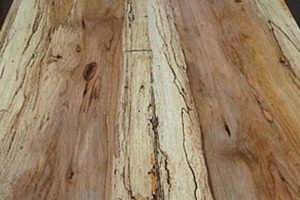
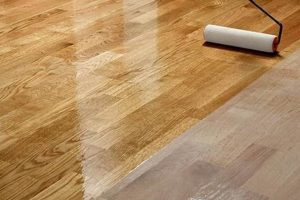
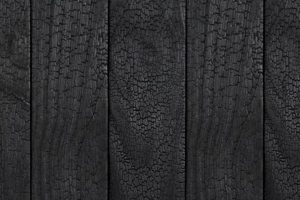
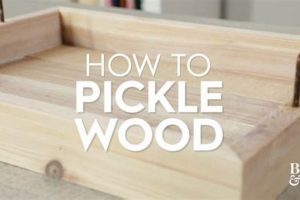
The protective or decorative layer applied to walnut surfaces enhances both its aesthetic appeal and functional longevity. These coatings serve to shield the underlying material from environmental factors such as moisture, sunlight, and physical abrasion. For instance, a clear lacquer or oil-based sealant can be applied to highlight the grain pattern and impart a lustrous sheen, while simultaneously providing a barrier against water damage.
Proper application of a surface treatment extends the lifespan of walnut furniture and architectural elements. It preserves the wood’s natural color and character, preventing fading and discoloration over time. Historically, such treatments were crucial for maintaining the value and beauty of walnut artifacts, reflecting the appreciation for this high-quality material in both utilitarian and artistic contexts. The result is a product that retains its integrity and visual appeal for generations.
Understanding the properties of different surface treatments is crucial for achieving desired results. Subsequent sections will delve into specific types, application techniques, and best practices for maintaining the treated surfaces, ensuring optimal protection and beauty.
Surface Treatment Best Practices
Properly executing surface treatments on walnut is paramount to preserving its inherent beauty and ensuring lasting protection. The following guidelines offer insights into achieving optimal results during the application process.
Tip 1: Surface Preparation is Key. Ensure the walnut surface is clean, dry, and free of any contaminants such as dust, grease, or existing coatings. Sanding with progressively finer grits will create a smooth, even substrate for optimal adhesion.
Tip 2: Select the Appropriate Product. Different types yield varying results. Oil-based finishes enhance the natural grain, while polyurethane provides a more durable, moisture-resistant barrier. Consider the intended use and desired aesthetic before choosing a product.
Tip 3: Conduct a Test Application. Before applying the chosen product to the entire piece, test it in an inconspicuous area. This allows for assessment of color, sheen, and adhesion, preventing potential issues on the primary surface.
Tip 4: Apply Thin, Even Coats. Multiple thin coats are preferable to a single thick coat, which can lead to runs, drips, and uneven drying. Allow each coat to dry completely before applying the next, following the manufacturer’s recommendations.
Tip 5: Sand Between Coats. Lightly sanding between coats with fine-grit sandpaper (e.g., 320-grit or higher) removes imperfections and ensures proper adhesion of subsequent coats. Wipe away sanding dust thoroughly before proceeding.
Tip 6: Control the Environment. Apply surface treatments in a well-ventilated area with stable temperature and humidity. Avoid direct sunlight and excessive drafts, as these can affect the drying process and outcome.
Tip 7: Consider a Sealer or Primer. A sealer can help prevent excessive absorption of the , particularly on porous or end-grain areas. This ensures a more uniform color and reduces the amount of needed.
Successfully adhering to these practices during the surface treatment process contributes to the long-term preservation and enhancement of walnut’s inherent qualities, resulting in a durable, aesthetically pleasing surface.
With a foundation of best practices established, the article will now explore specific products and their applications in more detail.
1. Protection from elements

The application of a surface treatment to walnut serves a critical protective function against environmental factors. Without appropriate treatment, walnut is susceptible to damage, discoloration, and degradation, diminishing its aesthetic appeal and structural integrity.
- Moisture Resistance
Untreated walnut is highly vulnerable to moisture absorption, leading to swelling, warping, and ultimately, decay. A durable topcoat, such as polyurethane or varnish, creates a barrier that prevents moisture from penetrating the wood fibers. This is especially crucial for applications in kitchens, bathrooms, or outdoor settings where exposure to humidity and water is unavoidable.
- UV Radiation Mitigation
Prolonged exposure to ultraviolet (UV) radiation from sunlight causes fading and discoloration in walnut. Certain surface treatments contain UV inhibitors that absorb or reflect these harmful rays, preserving the wood’s natural color and preventing it from turning gray or bleached over time. This is particularly important for furniture or architectural elements exposed to direct sunlight.
- Abrasion and Impact Defense
Daily wear and tear can cause scratches, dents, and other surface imperfections on untreated walnut. A hard-wearing topcoat, like a catalyzed varnish or lacquer, provides a protective layer that resists abrasion and impact. This extends the lifespan of the treated walnut item, preventing damage from everyday use and maintaining its aesthetic value.
- Chemical Resistance
Walnut surfaces can be damaged by exposure to household chemicals, such as cleaning agents and solvents. Certain surface treatments, particularly those with a high chemical resistance rating, provide a barrier that protects the wood from these substances, preventing staining, etching, and other forms of chemical damage. This is vital for kitchen countertops, tables, and other surfaces that come into contact with potentially harmful chemicals.
Collectively, these protective attributes afforded by surface treatments significantly enhance the durability and longevity of walnut. The selection of an appropriate sealant, considering its specific protective qualities, is thus paramount in preserving the aesthetic and structural value of this material.
2. Enhancement of aesthetics

The application of a surface treatment fundamentally impacts the visual properties of walnut. Untreated walnut, while possessing inherent beauty, presents a raw surface lacking the refined characteristics often desired in finished goods. A surface application enhances the depth and richness of the wood’s natural grain patterns, bringing them to the forefront and creating a visually appealing texture. This aesthetic transformation is a primary motivation for employing such treatments. For example, a simple oil application can dramatically deepen the color of the walnut, enhancing its figure and highlighting subtle variations in the wood. The choice of sealant, therefore, becomes a crucial decision in dictating the final aesthetic outcome.
Surface treatments contribute to the aesthetic improvement by offering varying levels of sheen, from matte to high-gloss. The chosen sheen level influences how light interacts with the wood surface, affecting the overall perception of color and texture. Matte surfaces minimize reflections, emphasizing the natural grain and color of the walnut. High-gloss surfaces, conversely, create a reflective surface that amplifies the visual depth and luster. Consider, for example, the distinct aesthetic differences between a matte-finished walnut desk, which conveys a sense of understated elegance, and a high-gloss walnut cabinet, which commands attention with its vibrant sheen. The careful selection of the sealants sheen is pivotal in achieving the desired aesthetic effect.
The enhancement of aesthetics through surface treatments is integral to realizing the full potential of walnut. By providing protection and influencing visual qualities like color and sheen, these treatments transform raw walnut into a refined and visually compelling material. The selection of appropriate treatments requires careful consideration of the desired aesthetic goals and intended use of the treated material. While challenges may arise in achieving a perfectly uniform application or selecting the ideal sealant for a specific project, the understanding of how surface applications impact aesthetics remains fundamental to the proper utilization of walnut in both functional and decorative applications.
3. Extending material lifespan

The application of a surface treatment to walnut wood is intrinsically linked to extending its material lifespan. Untreated walnut, while naturally durable, is susceptible to a range of environmental and physical stressors that can accelerate its degradation. These factors include moisture absorption, UV radiation, abrasion, and chemical exposure. A properly selected and applied product acts as a protective barrier, mitigating the effects of these stressors and thereby prolonging the wood’s structural integrity and aesthetic appeal. For instance, exterior walnut furniture benefits significantly from treatments containing UV inhibitors, which prevent fading and cracking caused by prolonged sun exposure. This direct intervention substantially extends the usability and visual quality of the wood.
Furthermore, the choice of surface treatment directly influences the wood’s resistance to common forms of damage. Penetrating oils, while enhancing the natural grain, may offer limited protection against scratches and dents. Conversely, polyurethane-based products provide a more robust, durable surface that resists physical abrasion and moisture penetration. This selection process exemplifies the practical significance of understanding the relationship between the material lifespan and the specific properties of the surface application. Architectural millwork, such as walnut doors or trim, often utilize catalyzed conversion varnishes due to their exceptional durability and resistance to wear, ensuring the longevity of these high-value components within a building’s design.
In summary, the connection between surface applications and extending walnut’s lifespan is fundamentally a matter of preventative care. By creating a protective barrier against environmental factors and physical stressors, these treatments directly contribute to the material’s durability and resistance to damage. Challenges may arise in selecting the optimal product for a specific application, requiring careful consideration of factors such as intended use, environmental conditions, and desired aesthetic outcome. However, the proactive application of appropriate sealants remains a critical strategy for preserving the inherent value and beauty of walnut wood over extended periods.
4. Type of sealant
The selection of a sealant is a critical determinant in the final characteristics of the finish walnut wood. The type of sealant directly impacts the wood’s appearance, durability, and long-term preservation. The choice is not merely aesthetic; it fundamentally influences the wood’s resistance to moisture, UV radiation, abrasion, and chemical exposure. For example, penetrating oil sealants enhance the natural grain and color of the walnut, providing a low-luster finish. However, their protective qualities are limited compared to more durable options. This trade-off between aesthetic enhancement and protective properties underscores the need for informed decision-making.
Polyurethane sealants, on the other hand, offer a significantly more durable and water-resistant barrier. This makes them well-suited for high-traffic areas or surfaces exposed to moisture. However, polyurethane can create a plastic-like appearance that some consider less desirable than the natural look achieved with oils. The practical application of this understanding is evident in the selection of sealants for different pieces of walnut furniture. A dining table, subject to spills and frequent use, might benefit from the durability of polyurethane. In contrast, a decorative walnut veneer panel might be treated with a penetrating oil to emphasize its natural beauty, with less concern for heavy-duty protection.
In conclusion, the type of sealant represents a pivotal component in the finishing process, wielding substantial influence over the resultant properties and long-term performance. Careful consideration of the specific requirements of the finished walnut product its intended use, environmental conditions, and desired aesthetic is essential for selecting the most appropriate sealant. While various challenges exist in achieving a perfect balance between aesthetics and protection, a thorough understanding of sealant characteristics ensures optimal preservation and enhancement of walnut wood’s inherent qualities.
5. Application techniques
The effectiveness and longevity of finish walnut wood are directly correlated with the specific application techniques employed. The selection and execution of these techniques significantly influence the appearance, durability, and protective qualities of the resultant surface.
- Surface Preparation Method
The initial preparation of the walnut surface is paramount. Sanding, cleaning, and the removal of imperfections directly affect the adhesion and uniformity of the surface product. Inadequate preparation can lead to uneven application, peeling, and compromised protection. For instance, failure to properly remove sanding dust before application can result in embedded particles within the finish, marring the aesthetic and reducing its durability. A meticulously prepared surface ensures optimal adherence and a smoother, more uniform final appearance.
- Application Method Selection
The choice of application method, whether brushing, spraying, or wiping, profoundly affects the finish characteristics. Brushing typically results in a thicker coat but can introduce brush marks. Spraying offers a more uniform and thinner application but requires specialized equipment and ventilation. Wiping is suitable for penetrating oils and stains, allowing for controlled absorption and color enhancement. The inappropriate selection of application method can lead to undesirable results, such as brush marks in a clear coat or uneven staining due to inconsistent wiping pressure.
- Environmental Control and Conditions
Ambient temperature, humidity, and ventilation levels during application significantly impact the drying and curing process. High humidity can impede drying, leading to clouding or tackiness. Excessive heat can cause the product to dry too quickly, resulting in cracking or blistering. Adequate ventilation is essential to remove harmful vapors and ensure proper curing. The failure to control these environmental variables can compromise the integrity and appearance of the finish.
- Number of Coats and Curing Time
The number of coats applied and the allotted curing time are critical for achieving optimal protection and durability. Insufficient coats may provide inadequate protection against moisture and abrasion, while excessive coats can lead to a thick, brittle finish that is prone to cracking. Proper curing time allows the product to fully harden and bond with the wood, maximizing its resistance to damage. Short-cutting the curing process can result in a soft, vulnerable finish that is easily marred.
These application techniques, when executed with precision and attention to detail, are essential for maximizing the aesthetic and protective qualities of finish walnut wood. Neglecting these techniques can compromise the investment in both the wood and the protective product, ultimately reducing the lifespan and visual appeal of the finished piece.
6. Maintenance routines

Consistent maintenance routines are essential to preserving both the aesthetic appeal and structural integrity of finish walnut wood. The specific treatments applied to the wood create a protective barrier, but this barrier is not invulnerable. Routine cleaning and preventative measures are necessary to mitigate the gradual accumulation of dust, grime, and potential contaminants that can degrade the surface and compromise its protective properties. For example, regular dusting with a soft cloth prevents the build-up of abrasive particles that can scratch the , while prompt removal of spills prevents staining and moisture damage. A neglect of these fundamental tasks can lead to a premature deterioration of the material, requiring costly repairs or replacement.
The type of surface treatment dictates the specific maintenance protocols required. Oil-based surfaces often benefit from periodic re-oiling to replenish the protective layer and enhance the wood’s natural luster. Polyurethane-treated surfaces, while more durable, necessitate the use of non-abrasive cleaners to avoid scratching the coating. Harsh chemicals and abrasive materials should be avoided on all walnut surfaces, as they can damage the , leading to discoloration, cracking, or peeling. Furthermore, controlling environmental factors, such as humidity and direct sunlight, plays a crucial role in preserving the wood. Excessive humidity can cause swelling and warping, while prolonged exposure to sunlight can lead to fading and discoloration. Therefore, incorporating humidity control measures and strategic placement of furniture away from direct sunlight are essential components of a comprehensive maintenance plan.
In summation, diligent adherence to appropriate maintenance routines is indispensable for maximizing the lifespan and aesthetic qualities of the surface. The absence of such care can negate the benefits conferred by the initial surface treatment, resulting in diminished visual appeal and structural deterioration over time. Challenges may arise in identifying the appropriate maintenance products and techniques for specific applications, requiring a degree of informed decision-making. However, a proactive approach to maintenance, tailored to the type of surface treatment applied, represents a fundamental investment in the long-term preservation of walnut’s intrinsic value.
Frequently Asked Questions About finish walnut wood
This section addresses common inquiries and misconceptions regarding the surface treatments applied to walnut, offering insights into best practices and optimal results.
Question 1: What distinguishes different types of sealants available for finish walnut wood?
Sealant options vary in composition, protective properties, and aesthetic impact. Penetrating oils enhance the natural grain but offer limited protection. Polyurethane provides a durable, water-resistant barrier, but can alter the wood’s appearance. Lacquer yields a smooth, glossy surface with moderate protection, while varnish offers a balance of durability and aesthetic appeal. The selection of a sealant depends on the desired balance between protection and visual enhancement.
Question 2: How does surface preparation impact the final result of finish walnut wood?
Surface preparation is critical for optimal sealant adhesion and uniformity. Inadequate sanding or cleaning can result in uneven application, peeling, or compromised protective qualities. A smooth, clean surface ensures proper bonding and a more aesthetically pleasing outcome.
Question 3: What are the key considerations for applying surface treatments to finish walnut wood in varying environmental conditions?
Environmental factors, such as temperature and humidity, can significantly affect the drying and curing process. High humidity can impede drying, leading to clouding or tackiness, while excessive heat can cause rapid drying, resulting in cracking or blistering. Adequate ventilation is essential for proper curing and the removal of harmful vapors.
Question 4: How frequently should maintenance routines be performed to preserve finish walnut wood?
The frequency of maintenance routines depends on the type of sealant applied and the level of use. Regular dusting with a soft cloth is essential to prevent the build-up of abrasive particles. Periodic re-oiling may be required for oil-treated surfaces, while polyurethane-treated surfaces should be cleaned with non-abrasive cleaners. Prompt removal of spills and control of environmental factors are also crucial.
Question 5: What are the potential consequences of neglecting proper maintenance of finish walnut wood?
Neglecting maintenance can lead to the premature deterioration of surface treatments, resulting in diminished visual appeal and structural damage. Accumulation of dust and grime can scratch the sealant, while spills and moisture can cause staining and warping. Failure to address these issues can necessitate costly repairs or replacement.
Question 6: What are the indications that finish walnut wood requires reapplication of a surface treatment?
Visible signs of wear, such as scratches, fading, discoloration, or peeling, indicate that a reapplication of sealant is necessary. Water beading poorly on the surface also suggests that the protective barrier has been compromised. Addressing these issues promptly can prevent further damage and maintain the wood’s appearance and longevity.
The consistent application of appropriate techniques, coupled with adherence to recommended maintenance schedules, ensures that treated walnut retains its inherent beauty and durability for an extended period.
With a solid understanding of these frequently asked questions, subsequent discussions will explore specialized applications and advanced techniques in surface finishing.
Conclusion
This exploration of finish walnut wood has illuminated the crucial role that surface treatments play in preserving and enhancing this valuable material. From protecting against environmental factors to augmenting its natural beauty, sealants are indispensable for maximizing its lifespan and aesthetic appeal. The appropriate selection, application, and maintenance of surface treatments are fundamental to realizing the full potential of walnut in diverse applications.
Given the significance of finish walnut wood in both functional and decorative contexts, a continued commitment to understanding and implementing best practices is essential. Preserving the integrity and visual quality of this material through informed decision-making and diligent care will ensure its enduring legacy for future generations. It is incumbent upon those who work with walnut to uphold these standards.