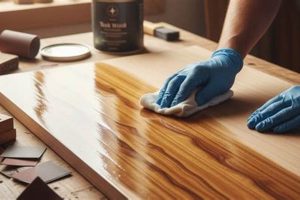
Shou Sugi Ban is a traditional Japanese method of wood preservation that involves charring the surface of wood. This technique, primarily used on cedar, creates a distinctive blackened appearance with enhanced durability. The process involves burning the wood, cooling it, brushing off the loose char, and optionally applying a natural oil.
This approach offers several advantages. The charring process renders the wood more resistant to fire, insects, and rot. It also provides a unique aesthetic that highlights the wood’s natural grain. Historically, this method was crucial in coastal regions of Japan, offering a practical solution to protect structures from the elements and extend the lifespan of wooden buildings.
The following sections will delve into the specific techniques employed in achieving this distinctive aesthetic, examine its applications in contemporary design, and explore considerations for its maintenance and longevity.
Working with Charred Wood
Achieving optimal results with this specialized wood treatment requires adherence to specific guidelines. These tips outline best practices for ensuring both the aesthetic appeal and structural integrity of the finished product.
Tip 1: Select Appropriate Wood Species: Softwoods, particularly cedar, are most receptive to the charring process due to their open grain structure. Hardwoods are less suitable as they tend to crack and warp under intense heat.
Tip 2: Control the Burning Process: Uniform charring is crucial. Avoid over-burning, which can weaken the wood. A controlled burn, with consistent flame exposure, ensures even carbonization.
Tip 3: Use Proper Cooling Techniques: After charring, allow the wood to cool naturally. Rapid cooling with water can cause the wood to crack or warp, compromising its structural integrity.
Tip 4: Brushing is Essential: Thoroughly brush the charred surface to remove loose soot and ash. This reveals the underlying wood grain and prevents the transfer of black residue. Use a stiff-bristled brush, following the grain direction.
Tip 5: Oil Application is Recommended: Applying a natural oil, such as tung oil, linseed oil, or a specialized wood oil, enhances the aesthetic appeal and provides additional protection against the elements. Ensure the oil is applied evenly and allowed to fully penetrate the wood.
Tip 6: Consider Environmental Factors: The performance of the treated wood is affected by the climate and environment. In areas with high humidity or extreme temperatures, more frequent maintenance, including re-oiling, may be necessary.
Tip 7: Safety Precautions are Paramount: Charring wood involves open flames and produces smoke. Conduct the process in a well-ventilated area, wear appropriate protective gear (gloves, eye protection, and a respirator), and have fire extinguishing equipment readily available.
Proper application of these guidelines results in a durable, aesthetically pleasing finish that enhances the natural beauty of the wood while providing long-term protection against the elements.
The subsequent section will provide an overview of various design applications that incorporate this unique wood treatment.
1. Charring Depth

Charring depth is a critical factor in determining the performance and longevity of wood treated with the traditional Japanese technique. It directly influences the wood’s resistance to fire, pests, and weathering, as well as its aesthetic qualities.
- Surface Protection
Increased charring depth creates a thicker layer of carbonized wood, providing enhanced protection against fire. The carbon layer acts as an insulator, slowing the rate at which the underlying wood ignites. This is particularly important in construction where fire resistance is a primary concern. A deeper char also deters insects and fungal growth, further extending the wood’s lifespan.
- Aesthetic Impact
The depth of char significantly affects the visual appearance. Light charring produces a subtle textural change, while a deeper burn results in a more pronounced alligator skin texture and a darker, more dramatic aesthetic. Architects and designers often manipulate charring depth to achieve specific visual effects, balancing the desired aesthetic with the practical requirements of the application.
- Structural Integrity
While charring enhances surface protection, excessive charring can compromise the structural integrity of the wood. Over-burning weakens the wood fibers and reduces its load-bearing capacity. A balanced approach is necessary, where the charring depth is sufficient to provide adequate protection without significantly diminishing the wood’s strength. Experienced craftspeople carefully monitor the burning process to ensure optimal results.
- Maintenance Requirements
Charring depth also influences maintenance needs. Deeper charring, while offering greater protection, can also lead to increased surface flaking or dusting over time. Periodic brushing and re-oiling may be required to maintain the appearance and protective qualities of the wood, particularly in environments with high exposure to the elements. The deeper the char, the more crucial is ongoing maintenance to prevent degradation.
In conclusion, charring depth is a pivotal element in the successful application of Japanese burnt wood finish, impacting not only the aesthetic appeal but also the fire resistance, pest deterrence, structural soundness, and maintenance requirements of the treated wood. Careful consideration of these factors is essential to maximize the benefits of this traditional technique.
2. Wood Species

The choice of wood species significantly influences the outcome of the Japanese charring technique. Different wood species react differently to the burning process, impacting the resulting aesthetic, durability, and protective qualities. Softwoods, such as cedar, are generally preferred due to their open grain structure, which allows for deeper and more uniform charring. This deeper charring, in turn, enhances the wood’s resistance to fire, insects, and decay. For example, Western Red Cedar is commonly used in this practice in North America due to its natural durability and favorable charring characteristics. The species’ natural oils and resins also contribute to the charring process, producing a distinctive patina.
Conversely, hardwoods, such as oak or maple, are less suitable for the technique. Their denser grain structure restricts the penetration of heat, leading to uneven charring and a higher risk of cracking or warping. While it is possible to char hardwoods, the process requires greater skill and control to avoid damaging the wood. For instance, if one attempts to apply the same intense charring process used on cedar to oak, the oak is more likely to develop deep cracks, rendering it unsuitable for many applications. This difference in response highlights the importance of selecting the appropriate wood species for this particular wood treatment.
In summary, the selection of wood species is a fundamental consideration in the application of the charring technique. Softwoods, particularly cedar, are favored for their ability to achieve a deep, uniform char, resulting in enhanced protection and a unique aesthetic. While hardwoods can be charred, the process is more challenging and may not yield the same level of performance or visual appeal. A thorough understanding of the properties of different wood species is essential for successful application of this traditional method of wood preservation.
3. Cooling Rate
The cooling rate following the charring process is a critical, often overlooked, factor in achieving a stable and aesthetically pleasing surface with the traditional Japanese wood finishing technique. The rate at which the charred wood cools directly influences the structural integrity and long-term performance of the treated material.
- Stress Reduction
Rapid cooling introduces significant stress within the wood structure. The differential contraction between the charred surface and the underlying wood can lead to cracking, warping, and delamination. A slower, controlled cooling process allows the wood to gradually equalize in temperature, minimizing internal stress and preventing these defects. For instance, if charred cedar is immediately quenched with water, the sudden temperature change is likely to cause surface cracks, compromising its weather resistance.
- Carbon Layer Stabilization
The charred surface layer is inherently fragile immediately after burning. A gradual cooling period allows the carbon matrix to stabilize, increasing its adhesion to the wood substrate. This stabilization process enhances the durability of the charred layer and reduces the risk of premature flaking or dusting. If cooled too quickly, the unstable carbon matrix can easily detach, diminishing the protective qualities of the treatment. For example, if the wood is allowed to cool naturally under ambient conditions, the carbon layer is more likely to remain intact over time.
- Moisture Content Management
The cooling rate influences the moisture content of the wood. Rapid cooling can trap moisture within the wood, creating a breeding ground for mold and decay. A slower cooling process allows for gradual moisture evaporation, reducing the risk of fungal growth and enhancing the wood’s long-term resistance to rot. Kiln-dried wood, often used in this process, benefits from slow cooling to avoid re-absorption of atmospheric moisture.
- Oil Absorption Enhancement
The temperature of the wood during oil application affects the oil’s viscosity and penetration. Allowing the charred wood to cool slightly before applying oil facilitates better absorption, improving the wood’s water resistance and enhancing the aesthetic finish. The warm wood draws the oil deeper into its pores, providing superior protection and a richer color. In contrast, applying oil to wood that is still too hot can cause the oil to evaporate too quickly, resulting in a less effective treatment.
The cooling rate is not merely a passive phase in the process; it is an active element that dictates the long-term success of the charred wood application. By carefully controlling the cooling rate, it is possible to mitigate stress, stabilize the carbon layer, manage moisture content, and enhance oil absorption, ultimately resulting in a more durable, aesthetically pleasing, and long-lasting finish that will resist decay and insect infestation.
4. Brushing Technique

The brushing technique is an indispensable step in the creation of the traditional Japanese charred wood finish. It is crucial for revealing the wood’s inherent grain and ensuring the longevity and aesthetic appeal of the final product.
- Removal of Loose Char
The primary function of brushing is to eliminate loose soot, ash, and weakly adhered charred material from the wood’s surface. Failure to remove this debris results in a finish that is prone to flaking, smudging, and premature degradation. A stiff-bristled brush, typically made of natural fibers, is employed to effectively scour the surface without excessively damaging the underlying wood grain. The thoroughness of this removal directly impacts the finish’s adherence and durability.
- Grain Definition
Brushing enhances the visibility of the wood grain. The charring process often obscures the grain, and the brushing action gently excavates the softer portions of the wood, accentuating the harder grain patterns. This results in a visually striking texture that highlights the wood’s natural beauty. The direction of brushing, typically following the grain, is important to prevent scratching or tearing of the charred surface. Different brushing tools can be used to create varying levels of texture, from a subtle enhancement to a more pronounced relief.
- Surface Preparation for Oiling
Proper brushing prepares the charred surface for subsequent oiling or sealing. By removing loose debris and opening the wood pores, brushing promotes better penetration and absorption of the protective oil. This, in turn, enhances the wood’s resistance to water damage, UV degradation, and insect infestation. If oil is applied to an unbrushed surface, it may not adhere properly, resulting in a less effective and less durable finish.
- Consistency of Finish
Brushing ensures a consistent finish across the entire surface. Variations in the charring process can lead to uneven accumulations of soot and ash. Brushing evens out these irregularities, creating a more uniform appearance. The application of consistent pressure and technique is essential to avoid creating unwanted patterns or streaks. A well-brushed surface exhibits a smooth, even texture that is both visually appealing and tactilely pleasing.
In summary, the brushing technique is not merely a superficial cleaning step; it is an integral part of the Japanese charred wood process. It plays a vital role in revealing the wood’s natural grain, preparing the surface for oiling, and ensuring the consistency and longevity of the finish. The meticulous application of this technique is essential for achieving the desired aesthetic and protective qualities associated with this traditional method of wood preservation.
5. Oil Treatment

Oil treatment is an integral stage in the creation of a durable and aesthetically pleasing Japanese charred wood finish. Applied after the charring and brushing phases, oil treatment serves multiple crucial functions that enhance the wood’s protective properties and visual appeal.
- Enhanced Water Resistance
The application of oil creates a hydrophobic barrier that repels water, significantly reducing the wood’s susceptibility to moisture absorption. This is particularly important as moisture ingress can lead to rot, fungal growth, and structural degradation. Oils such as tung oil and linseed oil penetrate the charred surface, filling the pores and creating a water-resistant seal. Examples include exterior siding and decking, where oil treatment minimizes water damage from rain and snow, extending the lifespan of the wood.
- UV Protection
Exposure to ultraviolet (UV) radiation from sunlight can cause fading, discoloration, and degradation of the charred wood surface. Certain oils contain UV inhibitors or naturally possess UV-blocking properties, helping to protect the wood from these harmful effects. The oil acts as a sacrificial layer, absorbing the UV radiation and preventing it from reaching the underlying wood structure. For instance, on charred wood furniture exposed to direct sunlight, oil treatment helps maintain its original dark color and prevents it from becoming brittle.
- Aesthetic Enhancement
Oil treatment enriches the color and accentuates the grain pattern of the charred wood, enhancing its visual appeal. The oil penetrates the charred surface, bringing out the natural beauty of the wood and creating a lustrous finish. Different types of oils produce varying effects, from a matte finish to a high-gloss sheen. For example, applying a natural oil to charred cedar reveals the intricate grain patterns and adds depth to the finish, transforming a simple piece of wood into a visually striking element.
- Reduced Surface Flaking
The charring process can leave the wood surface prone to flaking or dusting as the carbon layer slowly degrades. Oil treatment helps to bind the loose particles together, reducing surface flaking and improving the overall durability of the finish. The oil penetrates the charred layer, consolidating the carbon matrix and preventing it from easily detaching from the wood. This is particularly relevant for applications where the charred wood is subject to abrasion or contact, such as benches or handrails, where oil treatment helps maintain a smooth and intact surface.
In essence, oil treatment is a crucial component in the creation of a durable and aesthetically pleasing charred wood finish. By enhancing water resistance, providing UV protection, accentuating the grain, and reducing surface flaking, oil treatment significantly extends the lifespan and maintains the visual appeal of charred wood in a wide range of applications. Proper oil selection and application techniques are paramount to achieving optimal results and maximizing the benefits of this essential step in the process.
6. Environmental Exposure
Environmental exposure represents a critical factor influencing the performance and longevity of wood treated with the traditional Japanese charring technique. The surrounding climate and environmental conditions exert a significant influence on the durability, maintenance requirements, and overall aesthetic integrity of the finish.
- Moisture Levels and Humidity
High humidity and frequent exposure to moisture accelerate the degradation of the charred layer. Water absorption can lead to swelling, cracking, and the growth of mold and mildew, compromising the wood’s structural integrity and aesthetic appearance. In coastal regions or areas with high rainfall, more frequent maintenance, including re-oiling, becomes essential to mitigate these effects. For example, charred wood used in exterior applications in humid climates may require annual oiling to maintain its protective properties.
- Sunlight and UV Radiation
Prolonged exposure to sunlight, particularly ultraviolet (UV) radiation, causes fading and discoloration of the charred surface. UV radiation breaks down the lignin in the wood, leading to a gradual loss of the characteristic dark color. While oil treatments can provide some UV protection, they may need to be reapplied regularly to maintain their effectiveness. Charred wood used on south-facing walls or roofs is particularly vulnerable to UV damage and requires careful selection of UV-resistant oils and sealants.
- Temperature Fluctuations
Significant temperature fluctuations, especially between day and night, induce expansion and contraction in the wood, leading to stress and cracking. Extreme temperature changes can weaken the bond between the charred layer and the underlying wood, accelerating the process of delamination. In regions with harsh winters and hot summers, careful selection of wood species and proper seasoning are essential to minimize the effects of temperature-induced stress. The application of flexible sealants can also help accommodate movement and prevent cracking.
- Airborne Pollutants and Abrasion
Airborne pollutants, such as acid rain and industrial emissions, can chemically react with the charred surface, causing erosion and discoloration. Physical abrasion from windblown sand, dust, and other particles can also gradually wear away the charred layer. In urban or industrial environments, the protective properties of the charred finish may be compromised more rapidly, necessitating more frequent cleaning and maintenance. For instance, charred wood used in street furniture may require periodic cleaning to remove accumulated pollutants and prevent damage from abrasion.
The interplay between these environmental factors and the charred wood finish highlights the importance of careful planning and execution. Selecting appropriate wood species, applying effective surface treatments, and implementing regular maintenance schedules are all critical steps in ensuring the long-term performance and aesthetic appeal of this traditional technique in diverse environmental contexts. Understanding the specific environmental challenges present at a given location is paramount for optimizing the longevity and beauty of charred wood applications.
Frequently Asked Questions
This section addresses common inquiries regarding the process, application, and maintenance of the Japanese burnt wood finish. It aims to provide clear and concise answers to ensure a comprehensive understanding of this traditional technique.
Question 1: What is the primary purpose of the Japanese burnt wood finish?
The primary purpose is wood preservation. The charring process enhances the wood’s resistance to fire, insects, and rot, extending its lifespan.
Question 2: Which wood species are best suited for this type of finish?
Softwoods, particularly cedar, are the most suitable. Their open grain structure allows for deeper and more uniform charring compared to hardwoods.
Question 3: Does this type of finish require specialized maintenance?
Yes, periodic maintenance is recommended. This typically involves brushing the surface and applying a natural oil to maintain its protective qualities and aesthetic appeal.
Question 4: Can the charring process compromise the structural integrity of the wood?
Yes, excessive charring can weaken the wood. A controlled burn is necessary to balance surface protection with structural soundness.
Question 5: Is the Japanese burnt wood finish suitable for all climates?
While it offers enhanced protection, environmental factors such as high humidity or extreme temperatures can impact its performance. Adjustments to the process and maintenance schedule may be necessary depending on the climate.
Question 6: Does the burning process affect the color of the wood?
Yes, the charring process darkens the wood, creating a distinctive blackened appearance. The depth of the char influences the intensity of the color.
In summary, the Japanese burnt wood finish is a valuable technique for wood preservation, offering enhanced protection and a unique aesthetic. However, proper application and maintenance are crucial for maximizing its benefits.
The subsequent section will explore practical applications of this wood finish in modern architecture and design.
Conclusion
This exploration has detailed the methodology, benefits, and considerations surrounding the Japanese burnt wood finish. From selecting the appropriate wood species to carefully controlling the charring depth and implementing a consistent maintenance schedule, successful application demands meticulous attention to detail. Understanding the impact of environmental factors, such as humidity and UV exposure, is also paramount to maximizing the finish’s longevity and preserving its aesthetic qualities.
The inherent durability and distinctive aesthetic offered by the Japanese burnt wood finish position it as a viable solution for both residential and commercial applications. Architects and designers are encouraged to carefully evaluate the specific requirements of each project to ensure that this traditional technique is implemented effectively, contributing to sustainable and visually compelling structures.