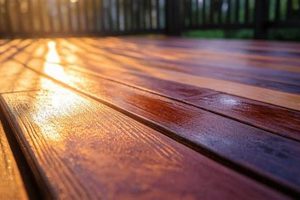
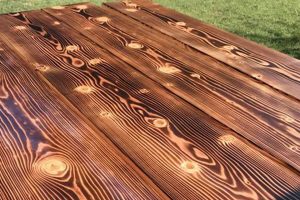
The process of applying a protective and aesthetic coating to wooden steps is a significant aspect of interior carpentry. This process typically involves preparing the surface, applying a stain and/or sealant, and ensuring a durable and visually appealing result. The application enhances the stairs’ resistance to wear and tear, protects the wood from moisture, and contributes to the overall design of the living space. For example, if stairs are scuffed or faded, application will restore their original beauty and protect them for years to come.
Proper completion of the steps ensures longevity, safety, and visual appeal. Protection against scratches, dents, and moisture extends the lifespan of the woodwork. Furthermore, a well-executed result improves traction, reducing the risk of slips and falls. Historically, various materials and techniques have been employed, reflecting evolving aesthetic preferences and technological advancements in wood preservation. A professionally implemented process increases a home’s value and enhances the quality of life within the space.
This article will delve into the essential stages of surface preparation, stain selection, application techniques, and sealant options to achieve a professional-grade, long-lasting, and visually appealing stairway. A detailed overview of the tools, materials, and methods necessary for achieving a desirable outcome is presented, offering the reader a comprehensive understanding of the process involved in properly completing a staircase.
Essential Considerations for Wood Stair Completion
Achieving a professional and durable outcome requires meticulous attention to detail and adherence to established best practices.
Tip 1: Surface Preparation is Paramount: Thoroughly sand the wooden surface to create a smooth and even base. Remove all existing coatings, imperfections, and debris. Failure to properly prepare the surface can result in uneven coating application and reduced adhesion.
Tip 2: Select Appropriate Staining Products: Evaluate the compatibility of the stain with the wood species and desired aesthetic. Consider oil-based or water-based stains, each offering distinct characteristics in terms of color penetration, drying time, and durability. Always test the stain on a discrete area before full application.
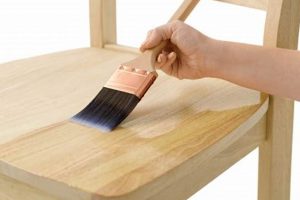
Tip 3: Apply Stain Evenly: Utilize a high-quality brush or application pad to apply the stain in consistent strokes, following the grain of the wood. Avoid excessive overlapping or pooling of stain, which can lead to blotchy and uneven coloration.
Tip 4: Allow Adequate Drying Time: Adhere strictly to the manufacturer’s recommended drying times for both the stain and the sealant. Premature application of subsequent coats can compromise the integrity of the coatings and result in a soft or tacky finish.
Tip 5: Select a Durable Sealant: Opt for a sealant formulated specifically for high-traffic areas, such as stairs. Polyurethane-based sealants offer excellent abrasion resistance, chemical resistance, and moisture protection.
Tip 6: Apply Multiple Coats of Sealant: Apply two to three thin coats of sealant, allowing each coat to dry completely before applying the next. Multiple coats provide enhanced protection and durability against wear and tear.
Tip 7: Lightly Sand Between Coats: Lightly sand between coats of sealant with fine-grit sandpaper (e.g., 320-grit or higher) to create a smooth surface for subsequent coats and promote adhesion.
By adhering to these recommendations, the longevity, safety, and aesthetic appeal of wooden staircases are significantly enhanced.
The subsequent sections will address advanced techniques and troubleshooting tips to ensure a flawless final product.
1. Preparation

Surface preparation is the foundational stage, integral to the successful completion of wooden steps. The quality of this initial step directly impacts the adhesion, durability, and overall aesthetic appeal of the final finish. Inadequate preparation invariably leads to compromised results, necessitating rework and potentially shortening the lifespan of the finish.
- Removal of Existing Coatings
Existing finishes, such as old varnish, paint, or stain, must be completely removed. The presence of these coatings impedes the proper bonding of new finishes, potentially leading to peeling, cracking, or uneven coloration. Techniques like sanding, chemical stripping, or heat guns are employed to achieve a bare wood surface. For example, if the old coating is not completely removed, then the new coating might not evenly stay and will crack.
- Sanding for Smoothness
Sanding is crucial for creating a smooth, even surface receptive to stain and sealant. Progressively finer grits of sandpaper are used to eliminate imperfections, scratches, and mill marks. Uneven sanding results in inconsistencies in the finish, highlighting imperfections rather than concealing them. For instance, starting with a rougher grit to remove major imperfections and then moving to finer grits will ensure a polished, even surface. It is important to always smooth the surface to remove unwanted texture for desired results.
- Repairing Imperfections
Addressing imperfections such as cracks, dents, and holes is essential before applying any finish. Wood filler or epoxy is used to fill these voids, creating a uniform surface. Neglecting these repairs results in an unprofessional appearance and potentially weakens the structural integrity of the steps. Filling any cracks and holes, for example, with epoxy or wood filler ensures a smooth and long-lasting finish.
- Cleaning and Dust Removal
Thoroughly cleaning the sanded surface to remove all dust and debris is the final preparation step. Residual dust particles interfere with the adhesion of the finish, creating a gritty or uneven texture. Tack cloths or vacuum cleaners with soft brush attachments are used to ensure a pristine surface. Cleaning and dust removal ensures a smooth finish.
These preparatory steps, while seemingly basic, are indispensable for achieving a professional and long-lasting result in completion of wooden steps. Investing time and effort in proper preparation pays dividends in the form of a durable, visually appealing, and safe stairway. The care and diligence applied during preparation translate directly into the quality and longevity of the final product.
2. Stain Selection

Stain selection directly influences the aesthetic outcome and, to a lesser degree, the long-term performance of completed wooden steps. The choice of stain dictates the color, tone, and depth of the wood grain’s appearance. This selection is a crucial determinant of how the steps integrate with the overall design of the interior space. For example, a dark walnut stain on oak steps creates a traditional and formal ambiance, whereas a light maple stain imparts a modern and airy feel. Proper stain selection involves careful consideration of wood species, existing dcor, and desired style.
The type of stain selected also plays a role. Oil-based stains typically penetrate deeper into the wood, enhancing grain definition and offering richer color. Water-based stains are known for their lower VOC content and faster drying times, but may not provide the same depth of color. Gel stains are useful for achieving consistent color on uneven or non-porous surfaces. Experimenting with stain samples on a hidden area of the wood helps to predict the final appearance, mitigating the risk of an undesirable outcome. Stain selection plays vital role in final look of the wooden steps.
In conclusion, the successful completion of wooden steps depends significantly on judicious stain selection. This decision impacts both the visual appeal and the protective qualities of the finish. Challenges often arise from inconsistencies in wood grain or the application process, highlighting the need for careful testing and skilled application. By prioritizing thoughtful stain selection, the durability and aesthetic integration of the staircase within the overall design scheme are substantially enhanced.
3. Even Application
The consistent distribution of coating materials is paramount to the attainment of a professional and durable outcome when completing wooden steps. Uneven application not only compromises the aesthetic uniformity but also affects the protective qualities of the finish. Achieving a consistently applied coating necessitates specific techniques and careful attention to detail.
- Brushstroke Technique
The application of stain or sealant requires a deliberate brushstroke technique. Strokes should overlap slightly and follow the grain of the wood to ensure uniform penetration and coverage. Inconsistent brushstrokes lead to variations in color intensity and sheen, detracting from the overall finish quality. For instance, failing to maintain a wet edge can result in visible lap marks, a common indicator of improper technique. It is important to use technique to paint evenly.
- Application Pad Utilization
Application pads, especially those made of microfiber, are often favored for their ability to spread coatings evenly and minimize brushstroke marks. These pads apply material in thin, uniform layers, which is particularly beneficial when applying clear sealants. Uneven pressure or excessive material on the pad can still lead to variations in coating thickness, demanding careful control during application. Proper use of application pads are important in how to finish wooden stairs.
- Spray Application Considerations
Spray application, whether using aerosol cans or professional spray equipment, provides a method for achieving an exceptionally even finish. However, consistent distance from the surface, proper nozzle adjustment, and overlapping passes are essential. Inconsistent spray patterns or over-application can result in runs, drips, or orange peel texture, all of which diminish the quality of the finish. Spray applicators are important in how to finish wooden stairs.
- Environmental Factors
Ambient temperature and humidity significantly impact the drying and curing characteristics of coating materials. Extreme temperatures or high humidity levels can cause coatings to dry unevenly, leading to imperfections such as blistering or clouding. Maintaining a controlled environment, within the manufacturer’s recommended parameters, promotes even application and proper curing. The ambient environment is key to achieving even coating.
These elements of the coating, regardless of the chosen application method, remains critical to its proper completion. This is an essential consideration for a quality outcome. Through the mastery of application techniques and an awareness of environmental influences, a superior finish can be achieved when working on these components of a building.
4. Sealant Choice
The selection of an appropriate sealant represents a pivotal decision in the process of completing wooden steps. It directly influences the durability, longevity, and aesthetic preservation of the finished surface. The sealant acts as a protective barrier against wear, moisture, and chemical damage, effectively encapsulating and preserving the underlying stain and wood.
- Polyurethane Sealants
Polyurethane-based sealants are frequently specified for high-traffic areas such as stairs due to their superior abrasion resistance. These sealants form a hard, durable film that withstands the constant friction and impact associated with foot traffic. Oil-based polyurethanes offer excellent durability and a warm, amber hue, while water-based polyurethanes provide lower VOC emissions and a clear, non-yellowing finish. For example, application of a polyurethane sealant on frequently used steps significantly reduces the likelihood of scratches and worn areas, extending the lifespan of the finish. A durable and long-lasting staircase is the goal.
- Water-Based Acrylic Sealants
Water-based acrylic sealants offer an environmentally conscious alternative with low VOC content and ease of application. While generally less abrasion-resistant than polyurethane options, they provide adequate protection for stairs in lower-traffic environments. Acrylic sealants exhibit excellent clarity, resisting yellowing over time and preserving the original color of the stain. The consideration of acrylic sealants is important for environmentally safe staircase.
- Penetrating Oil Sealants
Penetrating oil sealants, such as tung oil or linseed oil, offer a natural and aesthetically pleasing finish that enhances the wood’s grain. These sealants penetrate the wood fibers, providing protection from within and creating a subtle, matte sheen. However, oil-based sealants typically require multiple coats and regular maintenance to maintain their protective properties. To achieve a specific look this option is the go to.
- Compatibility with Stain
The compatibility between the chosen sealant and the underlying stain is a crucial consideration. Certain sealants may react adversely with specific stain formulations, resulting in discoloration, bubbling, or adhesion problems. Always perform a test application on a discrete area to ensure compatibility before applying the sealant to the entire stairway. Failure to test can result in a significant amount of time wasted and money.
Ultimately, careful consideration of traffic volume, desired aesthetic, environmental factors, and compatibility with the underlying stain guides the selection of an appropriate sealant for wooden steps. The correct choice enhances the steps durability, preserves its appearance, and contributes to the overall safety and longevity of the staircase.
5. Multiple Coats

The application of multiple layers of sealant is a critical element in the process of properly completing wooden steps. A single coat, irrespective of the product’s quality, typically provides insufficient protection against the wear and tear associated with regular use. Multiple coats create a more robust and resilient barrier, increasing the lifespan of the finish and preserving the underlying wood. For example, staircases in residential settings experience consistent foot traffic, increasing the vulnerability of the protective coat.
Each additional coat contributes incrementally to the overall durability and appearance. The initial coat penetrates the wood fibers, providing a foundation for subsequent coats to bond to. Subsequent coats build upon this foundation, forming a thicker, more protective layer that resists scratches, dents, and moisture penetration. The application also enhances the finish’s visual depth, providing a smoother and more uniform appearance. Multiple coats are often specified to withstand the everyday trials that a staircase endures.
A lack of understanding regarding the necessity of multiple coats often results in premature wear and the need for frequent refinishing. The strategic application of several layers extends the intervals between necessary maintenance. Therefore, adherence to the recommendation of applying multiple layers during wooden staircase completion is not merely an aesthetic choice but a crucial practice for preserving both the value and the structural integrity of the stairway. The best practices for how to finish wooden stairs involves understanding this key element.
6. Sanding Between
The act of abrading the surface of a coating between successive applications, commonly referred to as “sanding between,” constitutes a crucial step in the process of how to finish wood stairs. This procedure directly impacts the adhesion, smoothness, and overall quality of the final finish, influencing both its aesthetic appeal and its protective properties.
- Adhesion Enhancement
Sanding between coats creates a mechanical key for subsequent layers of finish to adhere to. The process removes the gloss from the previous coat, generating microscopic scratches that increase the surface area and improve the bond. This enhanced adhesion minimizes the risk of peeling, chipping, or cracking over time, particularly in high-traffic areas such as stair treads. For example, failing to sand between coats can result in a delaminated finish after only a short period of use.
- Imperfection Removal
Sanding between coats allows for the removal of minor imperfections that may have occurred during the application process. Dust particles, air bubbles, or uneven brushstrokes can become embedded in the finish as it dries. Light sanding with fine-grit sandpaper levels these imperfections, resulting in a smoother and more uniform surface. Consequently, this technique ensures a professionally-looking finish on wooden steps. This step smooths bumps and ensures quality.
- Gloss Control
Sanding between coats provides control over the final gloss level of the finished surface. Aggressive sanding reduces the gloss, creating a matte or satin finish. Light sanding preserves more of the gloss, resulting in a semi-gloss or gloss finish. The ability to modulate gloss allows for customization of the finished steps to match the desired aesthetic of the surrounding interior space. The gloss that a staircase provides is an essential aesthetic.
- Intercoat Contamination Removal
Sanding between coats removes any contaminants that may have settled on the surface while the previous coat was drying. These contaminants, such as dust, pollen, or insect debris, can compromise the integrity of the finish and create visual imperfections. Thorough sanding ensures a clean surface for the subsequent coat, maximizing adhesion and minimizing the risk of future problems. Keeping unwanted material from interfering is an important step.
These factors emphasize that sanding between coats is not merely an optional refinement, but a fundamental procedure in how to finish wood stairs. By attending to these principles, a durable, attractive, and long-lasting finish is achievable, enhancing both the safety and the aesthetic value of the staircase. This crucial consideration leads to an even more high quality final staircase.
7. Drying Time
The duration required for a finish to cure is a critical parameter in the successful completion of wooden steps. Inadequate adherence to recommended drying times can compromise the finish’s integrity, durability, and aesthetic qualities. Proper drying time facilitates the evaporation of solvents, the cross-linking of polymers, and the development of a durable and resilient protective layer. The application will dry efficiently with correct timing.
- Adhesion and Inter-Coat Bonding
Insufficient drying time between coats can hinder proper inter-coat adhesion. If the previous coat remains insufficiently cured, the solvents in the subsequent coat may soften the underlying layer, leading to an uneven or compromised bond. This weakened bond can result in peeling, cracking, or premature wear of the finish. For example, applying a second coat of polyurethane before the first coat has fully cured can cause the layers to separate over time. Proper bonding provides high-quality steps.
- Finish Hardness and Durability
The development of optimal hardness and durability in a wood finish is contingent upon adequate drying time. Premature exposure to traffic or environmental factors can impede the curing process, resulting in a soft, easily damaged surface. A fully cured finish resists scratches, dents, and moisture penetration, prolonging the lifespan of the completed steps. For instance, placing rugs on steps that haven’t completely dried can trap moisture and prevent the finish from hardening properly. Protect steps from exterior damage.
- Solvent Evaporation and VOC Emissions
Proper drying time allows for the complete evaporation of solvents from the finish, minimizing volatile organic compound (VOC) emissions and reducing potential health hazards. Inadequate drying can trap solvents within the finish, leading to prolonged off-gassing and unpleasant odors. Adequate solvent evaporation is essential for safe, quality completion. In addition, the stairs will maintain good health.
- Gloss Level and Appearance
Drying time influences the final gloss level and overall appearance of the finish. Premature buffing or sanding can disrupt the curing process, leading to an uneven sheen or a hazy appearance. Allowing the finish to dry completely ensures a consistent gloss level and maximizes clarity, enhancing the visual appeal of the finished steps. By drying for long periods of time, a better appearance is guaranteed.
In summary, the prescribed duration is not a suggestion, but a prerequisite for achieving a durable, safe, and aesthetically pleasing surface. The failure to comply with these guidelines leads to compromised results, necessitating costly repairs and potentially shortening the lifespan of the completed steps. The guidelines are a necessity.
Frequently Asked Questions
The following addresses common inquiries regarding the process of completing wood stairs, providing clarity on essential techniques and best practices. Understanding these answers contributes to a successful project outcome.
Question 1: Is sanding necessary before applying a new finish?
Yes, sanding is an essential preparatory step. It removes existing finishes, smooths imperfections, and creates a surface that promotes proper adhesion of the new finish.
Question 2: What type of sealant is most appropriate for high-traffic stairs?
Polyurethane-based sealants are generally recommended for high-traffic areas due to their superior abrasion resistance and durability.
Question 3: How many coats of sealant are typically required?
Multiple coats, typically two to three, provide enhanced protection and durability. Each coat should be allowed to dry completely before the application of the next.
Question 4: Why is sanding between coats of sealant recommended?
Sanding between coats enhances adhesion, removes imperfections, and controls the gloss level of the finished surface.
Question 5: What happens if the recommended drying time is not followed?
Failure to adhere to recommended drying times can compromise the finish’s integrity, resulting in a soft, easily damaged surface, adhesion problems, and prolonged off-gassing.
Question 6: How does stain selection affect the final appearance of completed wood stairs?
Stain selection determines the color, tone, and depth of the wood grain’s appearance, significantly influencing the aesthetic integration of the stairs within the interior space.
These answers provide a foundational understanding of key considerations when completing wood stairs. Attention to these details ensures a durable, attractive, and long-lasting result.
The next section will summarize the information presented, reinforcing key takeaways and providing guidance for maintaining the finished stairs.
Conclusion
This article comprehensively addressed the intricacies of achieving a durable and aesthetically pleasing surface on wooden steps. The process, from meticulous surface preparation to the selection of appropriate sealants and stains, demands adherence to established best practices. Critical steps include sanding, selecting quality materials, proper application, and allowing adequate drying time between coats. Neglecting any of these stages can compromise the final result, leading to premature wear and a diminished aesthetic appeal. Emphasis on each stage ensures lasting results.
The information contained within provides a framework for informed decision-making in completing wooden staircases. Successful completion requires not only technical proficiency but also a thorough understanding of the materials involved and the potential consequences of deviations from recommended procedures. The commitment to excellence ensures a safer, more durable, and visually appealing staircase that enhances the value and livability of any residence. A well-executed staircase ensures the safety and value of your home.