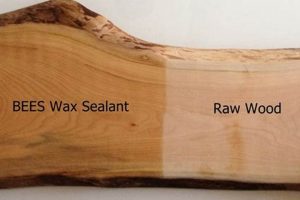
A transparent coating applied to wooden surfaces protects and enhances the natural beauty of the underlying material. This type of product is designed to allow the grain and color of the wood to remain visible, rather than obscuring them with pigment. Examples include varnishes, lacquers, polyurethanes, and water-based acrylics, each offering varying levels of durability and sheen.
Such coatings are essential for preserving wooden items from moisture, scratches, and UV damage. Their use extends the lifespan of furniture, flooring, and other wooden structures, preventing deterioration and maintaining aesthetic appeal. Historically, natural oils and waxes served this purpose, evolving into the synthetic formulations prevalent today, offering improved protection and longevity.
The selection of a suitable product depends on factors such as the intended application, the desired level of protection, and the aesthetic preferences of the user. Considerations involve the ease of application, drying time, and the potential for yellowing or cracking over time. Further discussion will elaborate on these crucial factors, enabling informed decisions.
Application Guidance for Transparent Wood Coatings
Achieving optimal results when applying transparent wood coatings necessitates careful preparation and execution. The following guidelines are designed to facilitate a professional-grade finish and ensure the longevity of the protective layer.
Tip 1: Surface Preparation is Paramount. Prior to application, the wood surface must be thoroughly sanded to create a smooth, uniform substrate. Remove all dust and debris with a tack cloth or vacuum. Inadequate preparation will result in visible imperfections and compromised adhesion.
Tip 2: Select the Appropriate Applicator. The choice of brush, roller, or spray equipment should align with the type of coating being used. Natural bristle brushes are generally recommended for oil-based products, while synthetic brushes are suitable for water-based formulations. Ensure the applicator is clean and free of loose bristles or lint.
Tip 3: Apply Thin, Even Coats. Multiple thin coats are preferable to a single thick coat. This technique minimizes the risk of runs, drips, and bubbles. Allow each coat to dry completely before applying the next, following the manufacturer’s recommended drying times.
Tip 4: Maintain a Consistent Environment. Temperature and humidity levels can significantly affect the drying process and the final finish. Apply coatings in a well-ventilated area, avoiding extreme temperatures or high humidity. Ideally, maintain a temperature range of 65-75F (18-24C).
Tip 5: Sand Between Coats (Lightly). After each coat has dried, lightly sand the surface with fine-grit sandpaper (e.g., 320-grit or higher) to remove any imperfections and create a smooth surface for subsequent coats. Thoroughly remove sanding dust before proceeding.
Tip 6: Proper Disposal of Materials. Dispose of used applicators, rags, and containers in accordance with local regulations. Solvent-soaked rags can pose a fire hazard and should be stored in a tightly sealed metal container before disposal.
Tip 7: Test in an Inconspicuous Area. Before applying any coating to the entire project, test it in a small, hidden area to ensure compatibility with the wood species and to assess the final appearance. This step can prevent costly mistakes.
Adhering to these guidelines promotes a durable and aesthetically pleasing outcome, protecting wooden surfaces while enhancing their natural beauty. Careful application ensures that the coating fulfills its intended purpose for an extended period.
Following these preparation and application tips allows to transition to the articles conclusion where the key takeaways are consolidated.
1. Protection

The primary function of transparent wood coatings is safeguarding the substrate from environmental and mechanical stressors. This protective barrier is critical in extending the lifespan and maintaining the aesthetic integrity of wooden surfaces. The degree and type of protection afforded vary depending on the specific formulation and application technique.
- Moisture Resistance
Many transparent coatings create a barrier against water intrusion, preventing swelling, warping, and rot. This is particularly important for outdoor applications or in areas with high humidity. For example, marine-grade varnishes are formulated to withstand prolonged exposure to saltwater, protecting wooden boats and decks from degradation.
- Abrasion Resistance
The coating’s ability to resist scratches and wear from physical contact is crucial in high-traffic areas. Polyurethane finishes, known for their hardness, are commonly used on wood floors to prevent damage from foot traffic and furniture. Insufficient abrasion resistance results in premature wear and necessitates frequent refinishing.
- UV Protection
Exposure to ultraviolet radiation can cause fading, discoloration, and degradation of wood. Some transparent finishes contain UV absorbers that block harmful rays, protecting the wood’s natural color and preventing structural damage. This is especially important for outdoor furniture and exterior wood surfaces.
- Chemical Resistance
Certain coatings offer resistance to household chemicals, solvents, and stains. This is essential in kitchens and dining areas where spills are likely. For instance, a catalyzed varnish might be used on a wooden countertop to resist staining from acidic foods or cleaning agents.
These facets of protection are intrinsically linked. A failure in any one area can compromise the overall integrity of the coated surface. Selection of the appropriate product requires careful consideration of the intended use and the specific environmental challenges the wood will face, thereby ensuring the transparent coating effectively preserves the underlying material.
2. Transparency

Transparency, in the context of wood coatings, is the characteristic allowing the substrate’s natural features to remain visible. This quality is paramount when the intent is to protect the wood without obscuring its inherent beauty and grain patterns. The level of transparency achieved is dependent on the coating’s formulation and application.
- Clarity of the Coating Film
The inherent clarity of the applied film directly determines the visibility of the underlying wood. High-quality products are formulated to minimize cloudiness or distortion. For example, water-based acrylics often exhibit excellent clarity, allowing the wood’s color and grain to be viewed without alteration. Conversely, some oil-based products may impart a slight amber hue, subtly influencing the wood’s appearance.
- Refractive Index Matching
The refractive index of the coating should ideally match that of the wood to minimize light scattering at the interface. Light scattering diminishes transparency and can create a hazy or milky appearance. Products formulated with careful attention to refractive index matching enhance the clarity and depth of the finish, showcasing the wood’s natural features. Properly sanding and sealing the wood helps with this matching.
- Absence of Colorants and Additives
The presence of colorants, pigments, or excessive additives detracts from transparency. While some coatings may incorporate UV absorbers to protect the wood from sunlight, these additives should be carefully selected to minimize their impact on clarity. Coatings intended for preserving the natural appearance of wood are typically formulated with a minimal amount of additives.
- Layer Thickness Impact
Even with a highly transparent coating, excessive layer thickness can reduce clarity. As more material is applied, subtle distortions or light scattering effects become amplified. Adhering to the manufacturer’s recommendations regarding application thickness is essential for maintaining optimal transparency. Multiple thin layers are generally preferable to a single thick layer.
The careful selection and application of transparent wood coatings are critical for preserving the aesthetic qualities of the wood while providing necessary protection. By understanding the factors that influence transparency, it is possible to achieve a finish that enhances the wood’s natural beauty without compromising its long-term preservation.
3. Durability

Durability represents a critical performance attribute of any transparent wood coating. The capacity of the finish to withstand environmental stressors and physical abrasion directly impacts the longevity and aesthetic preservation of the underlying wooden substrate. Selection of a coating with appropriate durability characteristics is therefore paramount.
- Resistance to Abrasion and Impact
A durable finish resists scratches, scuffs, and impacts from everyday use. Polyurethane coatings, for example, exhibit superior abrasion resistance compared to softer finishes like shellac, making them suitable for high-traffic surfaces such as flooring or tabletops. The Mohs hardness scale can quantify a finish’s resistance to scratching, providing an objective measure of durability.
- Chemical Resistance
The ability to withstand exposure to household chemicals, solvents, and spills is essential for maintaining the integrity of the finish. Epoxy-based coatings often provide superior chemical resistance, making them suitable for laboratory or kitchen environments where exposure to corrosive substances is likely. A failure in chemical resistance leads to staining, discoloration, or even degradation of the finish.
- UV Resistance and Protection from the Elements
Exposure to ultraviolet radiation causes fading, discoloration, and structural degradation of both the finish and the wood beneath. Marine-grade varnishes, formulated with UV absorbers, offer enhanced protection against sunlight, making them ideal for outdoor applications such as boat building or exterior furniture. Inadequate UV protection leads to premature aging and failure of the coating.
- Flexibility and Resistance to Cracking
Wood expands and contracts with changes in temperature and humidity. A durable finish must possess sufficient flexibility to accommodate these movements without cracking or delaminating from the substrate. Some acrylic coatings are formulated to exhibit high flexibility, making them suitable for applications where dimensional changes are significant. A brittle finish will eventually fail, exposing the wood to environmental damage.
The multifaceted nature of durability necessitates careful consideration of the intended application and the anticipated environmental conditions. While a highly durable coating may offer superior protection, it can also impact other characteristics such as flexibility or ease of application. The optimal choice balances durability with other performance attributes to achieve the desired aesthetic and functional outcome. Evaluating the specific needs of a project is a crucial step when selecting a transparent wood finish.
4. Application

The manner in which a transparent wood coating is applied directly influences its performance and aesthetic outcome. Incorrect application techniques can compromise the protective properties of the finish, leading to premature failure, or detract from the wood’s natural beauty. Factors such as surface preparation, the choice of application tools, and environmental conditions exert a significant effect on the final result. For example, applying a polyurethane coating over a poorly sanded surface will result in visible imperfections and reduced adhesion, increasing the risk of chipping and peeling.
Selecting the appropriate application method is also crucial. Brushing, spraying, and wiping each yield distinct results and are suited to different types of coatings and project scales. Brushing is often preferred for smaller projects and intricate details, while spraying provides a more uniform finish on larger surfaces. Wipe-on finishes, such as oil-based varnishes, allow for easy application and penetration into the wood grain. Proper technique, including consistent brushstrokes or spray patterns, minimizes the risk of runs, drips, and uneven coverage. Furthermore, environmental conditions like temperature and humidity must be carefully controlled during application to ensure proper drying and curing of the coating.
Ultimately, the successful application of a clear finish for wood requires a thorough understanding of the coating’s properties and the specific demands of the project. Adherence to manufacturer’s instructions, coupled with careful attention to detail, is essential for achieving a durable, aesthetically pleasing, and long-lasting result. Disregard for proper application techniques not only wastes material but also undermines the intended protective and enhancing functions of the finish, potentially requiring costly rework or premature replacement of the wood component.
5. Wood Type
The selection of a transparent wood coating is intrinsically linked to the species of wood being finished. The density, porosity, resin content, and grain structure of different woods necessitate tailored approaches to surface preparation, coating selection, and application techniques. Hardwoods, such as oak and maple, often require pore filling to achieve a smooth, glass-like surface, while softwoods, such as pine and fir, may absorb coatings unevenly, necessitating the use of sealers. Failure to account for these inherent differences can result in unsatisfactory aesthetic outcomes or compromised long-term protection. For instance, applying a thick film finish directly to a resinous wood, like pine, without proper sealing can lead to adhesion issues and eventual peeling.
The color and grain of the wood also influence the choice of coating. Certain clear finishes may slightly amber or yellow over time, an effect that can enhance the warmth of some wood species but detract from the desired appearance of others. For example, a water-based acrylic coating, known for its clarity, might be preferred for finishing light-colored woods like ash or birch, where maintaining the wood’s natural tone is paramount. Moreover, open-grained woods like oak benefit from coatings that highlight the grain pattern, while closed-grain woods like maple may require finishes that emphasize surface smoothness. The compatibility between the wood’s inherent characteristics and the coating’s properties dictates the final aesthetic and protective efficacy of the finish.
Understanding the interplay between wood type and coating characteristics is essential for achieving professional-grade results. Ignoring these considerations can lead to a range of issues, from uneven absorption and poor adhesion to undesirable color changes and compromised durability. By carefully assessing the wood species and selecting a compatible coating, professionals and hobbyists alike can ensure that the finished surface is both aesthetically pleasing and structurally sound, maximizing the lifespan and value of the wooden object.
Frequently Asked Questions
The following addresses common inquiries regarding transparent protective coatings for wooden surfaces, providing clarification on their properties, application, and maintenance.
Question 1: What distinguishes a clear finish for wood from a pigmented finish?
A transparent coating is formulated to preserve the natural color and grain pattern of the wood, whereas a pigmented coating contains colorants that obscure the wood’s natural appearance. The selection depends on the desired aesthetic outcome.
Question 2: What are the primary types of clear finishes available?
Common options include varnishes, lacquers, polyurethanes, shellacs, and water-based acrylics. Each possesses distinct properties regarding durability, application, and drying time, influencing their suitability for different projects.
Question 3: How should wood be prepared prior to applying a clear finish?
Proper preparation involves sanding the surface to achieve a smooth, uniform texture, followed by the removal of dust and debris. This ensures optimal adhesion and a flawless final appearance.
Question 4: What factors influence the durability of a clear finish?
Durability is affected by the coating’s chemical composition, resistance to abrasion, UV protection, and flexibility. Selecting a product with appropriate characteristics is crucial for longevity.
Question 5: How can a consistent and even application of a clear finish be achieved?
Applying thin, even coats using appropriate applicators, such as brushes or spray equipment, is essential. Maintaining consistent environmental conditions, including temperature and humidity, also contributes to a uniform finish.
Question 6: What maintenance is required to prolong the life of a clear finish?
Regular cleaning with appropriate cleaning agents and avoiding harsh chemicals or abrasive materials can help preserve the finish’s integrity. Periodic reapplication may be necessary to maintain its protective properties.
Proper selection and application, in alignment with the wood characteristics and environment, are vital for maximizing the benefits of transparent protective coatings. Maintenance is then an important step to retain the initial high level of look and feel.
This knowledge can be applied to a conclusion consolidating the main points of the article.
Conclusion
The preceding analysis has explored the multifaceted aspects of transparent protective coatings for wooden surfaces. Emphasis has been placed on the critical interplay between wood species, coating composition, application methodology, and environmental considerations. The appropriate selection and meticulous application of a “clear finish for wood” are paramount for ensuring both aesthetic enhancement and long-term preservation of the underlying substrate. Durability, transparency, and protection against environmental stressors are key performance indicators to be evaluated in the selection process.
Effective utilization of such coatings necessitates a comprehensive understanding of their properties and limitations. The knowledge presented herein serves to empower informed decision-making, promoting the longevity and enduring beauty of wooden structures and objects. Continued advancements in coating technology hold the promise of further enhancing their protective capabilities and aesthetic versatility, underscoring the enduring significance of transparent finishes in woodworking and related fields.

![Buy Quality Finished Shelf Wood - [Your Brand] | Best Final Touch: Elevate Your Projects with Professional Finishing](https://bestfinaltouch.com/wp-content/uploads/2026/05/th-447-300x200.jpg "Buy Quality Finished Shelf Wood - [Your Brand] Best Final Touch: Elevate Your Projects with Professional Finishing")