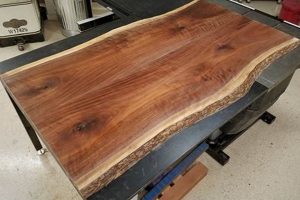
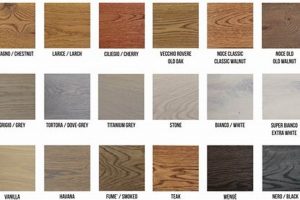
A surface treatment option for wooden objects involves the application of soap to create a protective and aesthetically pleasing layer. This method typically utilizes a combination of natural soap flakes and water, which, when applied to the wood, forms a breathable and matte surface. For example, a simple mixture of olive oil-based soap and water, diligently rubbed into a freshly sanded tabletop, can result in a subtly textured, soft-to-the-touch surface.
This finishing technique is favored for its environmentally friendly nature and the ability to highlight the natural grain and texture of the wood. Historically, it has been employed in Scandinavian design traditions, where the emphasis is on simplicity, natural materials, and sustainable practices. The resulting finish is not only visually appealing but also allows the wood to breathe, contributing to a healthier indoor environment and offering a degree of protection against everyday wear.
The subsequent sections will delve into the specific types of wood suitable for this treatment, the precise application process required to achieve optimal results, and the maintenance considerations necessary to preserve the integrity and appearance of the completed surface.
Essential Considerations for Achieving a Superior Result
The following guidelines provide critical information to maximize the effectiveness and longevity of the surface treatment. Adherence to these recommendations will contribute to a durable and aesthetically pleasing outcome.
Tip 1: Species Selection: Employ hardwoods with tight grains, such as maple, oak, or ash. These species exhibit superior absorption and retention of the treatment, leading to enhanced durability and a more uniform appearance. Softer woods may exhibit uneven absorption, resulting in a less consistent finish.
Tip 2: Surface Preparation: Thorough sanding is paramount. Progress through increasingly finer grits, concluding with a minimum of 220 grit sandpaper. A smooth, even surface facilitates uniform absorption and prevents the appearance of imperfections in the final result.
Tip 3: Soap Selection: Opt for natural, unadulterated soap flakes derived from vegetable oils. Avoid soaps containing additives such as dyes, fragrances, or detergents, as these can negatively impact the finish’s integrity and appearance. Olive oil-based soaps are frequently recommended.
Tip 4: Mixture Consistency: Prepare the soap solution by dissolving the flakes in hot water, ensuring a homogenous mixture. The consistency should be thin and milky. Overly concentrated solutions can lead to a sticky residue, while diluted solutions may not provide adequate protection.
Tip 5: Application Technique: Apply the solution evenly, working with the grain of the wood. Use a soft cloth or sponge to distribute the mixture, and avoid applying excessive amounts. Multiple thin coats are preferable to a single, heavy application.
Tip 6: Drying and Buffing: Allow each coat to dry completely before applying subsequent layers. Once the final coat has dried, buff the surface with a clean, dry cloth to enhance its sheen and remove any excess soap residue. This step is crucial for achieving a smooth and tactile finish.
Tip 7: Regular Maintenance: Periodic reapplication of the solution is necessary to maintain the finish’s protective properties and appearance. Clean the surface regularly with a damp cloth and reapply the solution as needed, typically every few months or as determined by visual inspection.
By adhering to these considerations, a durable, attractive, and environmentally conscious surface can be achieved. The resulting finish enhances the natural beauty of the wood while providing a degree of protection against everyday wear and tear.
The subsequent section will address common issues and provide troubleshooting solutions for those encountering difficulties during the application process.
1. Natural Soap Base

The efficacy and longevity of a surface treatment using soap is intrinsically linked to the composition of the soap itself, specifically the use of a natural soap base. This connection represents a cause-and-effect relationship: the selection of a natural base directly influences the qualities of the resulting finish. A natural base, typically derived from plant-based oils like olive or linseed, provides gentle cleansing without harsh chemicals that could damage or discolor the wood. For instance, the employment of harsh industrial detergents can strip the wood’s natural oils, leading to dryness and cracking, while a finish constructed from a natural soap base preserves the wood’s integrity.
The practical significance of understanding this connection lies in ensuring the proper application and maintenance of a durable finish. Using soaps with added dyes or fragrances, for example, can compromise the look of a finished product. The selection of a proper natural soap base contributes to the breathability of the finished layer, allowing moisture to escape and preventing the build-up of mold or mildew within the wood. This breathability is critical for maintaining the structural integrity of wooden furniture or flooring, particularly in environments with fluctuating humidity levels. Moreover, regular cleaning with a soap that has an appropriate natural base will help to preserve the finish rather than degrade it.
In summary, the choice of a natural soap base is a critical determinant of success. The absence of harsh chemicals supports the finish’s integrity, breathability, and overall aesthetic appeal. While the process of wood finishing may be subject to challenges, maintaining the correct materials will minimize negative impacts. By highlighting the necessity of this element, the connection between natural soap and the quality of the finished project is clearly highlighted.
2. Open-Pore Wood

The structure of wood at a microscopic level significantly impacts its interaction with surface treatments. Specifically, the characteristic porosity of certain wood species, commonly referred to as “open-pore wood,” plays a crucial role in the application and performance of a soap finish. This porous nature dictates the absorption rate, finish adhesion, and overall aesthetic outcome.
- Enhanced Absorption
Open-pore woods, such as oak and ash, possess larger and more numerous pores on their surface. This facilitates a greater degree of soap solution absorption compared to closed-pore woods like maple or birch. The enhanced absorption allows the soap to penetrate deeper into the wood’s structure, creating a more substantial and durable finish. In practice, this translates to a more pronounced grain pattern and a greater degree of protection against surface wear.
- Improved Adhesion
The presence of open pores provides an increased surface area for the soap solution to adhere to. The solution fills the pores and then hardens, creating a mechanical bond that anchors the finish to the wood. This improved adhesion reduces the likelihood of chipping, peeling, or flaking, which are common issues with finishes applied to less porous surfaces. For example, soap finishes tend to last longer on oak flooring compared to denser, closed-pore woods like cherry.
- Textural Enhancement
The open nature of the wood grain accentuates the natural texture of the wood. When the soap solution is applied, it settles into the pores and dries, highlighting the variations in grain pattern and creating a tactile surface. This textural enhancement contributes to the aesthetic appeal of the finish, providing a more natural and less artificial appearance compared to film-forming finishes like varnish or polyurethane.
- Breathability Factor
The porosity of open-pore woods allows for a degree of breathability even after the application of a soap finish. This breathability enables the wood to release moisture vapor, preventing the buildup of moisture within the wood structure. Reduced moisture accumulation minimizes the risk of warping, cracking, and fungal growth. This is especially important in environments with fluctuating humidity levels.
The interplay between the open-pore structure of certain wood species and the application of a soap finish generates a distinctive set of characteristics. Enhanced absorption, improved adhesion, textural enhancement, and breathability collectively contribute to a durable, aesthetically pleasing, and environmentally sound finishing option. By selecting suitable wood species and understanding the nuances of this interaction, superior results can be consistently achieved.
3. Matte Sheen Result

The application of soap-based treatments to wood surfaces results in a characteristic matte sheen, a consequence of the finish’s composition and interaction with the wood’s surface. Unlike film-forming finishes such as varnish or polyurethane, which create a glossy or satin surface by layering a separate material on top of the wood, soap finishes penetrate the wood’s pores. This penetration and subsequent drying of the soap solution fill the pores without creating a continuous, reflective surface. The result is a low-luster appearance that emphasizes the wood’s natural texture and grain. For example, Scandinavian furniture, often treated with soap finishes, exemplifies this matte aesthetic, showcasing the wood’s raw beauty without the high-gloss sheen of conventional finishes.
The importance of the matte sheen as a component of soap finishes lies in its ability to provide a natural and understated aesthetic. It minimizes glare and reflections, making it suitable for environments where visual comfort is a priority. The absence of a glossy surface also reduces the visibility of scratches and minor imperfections, contributing to the finish’s durability and ease of maintenance. Moreover, the matte sheen aligns with the environmentally conscious nature of soap finishes, as it typically requires less energy and fewer resources to produce and maintain compared to high-gloss alternatives. The practical significance of understanding this lies in selecting appropriate finishing options for specific design and functional requirements. A library or study, where reduced glare is desirable, would benefit from the matte sheen provided by this treatment, while a high-traffic area might necessitate the enhanced durability of a film-forming finish, despite its glossy appearance.
In summary, the matte sheen is an integral characteristic of soap-finished wood surfaces, stemming from the unique interaction between the soap solution and the wood’s porous structure. Its advantages include a natural aesthetic, reduced glare, and ease of maintenance. Understanding this connection is crucial for making informed decisions about wood finishing options, considering both aesthetic preferences and practical requirements. While soap finishes may not offer the same level of durability as some conventional finishes, their matte sheen and environmentally friendly nature make them a compelling choice for specific applications. The resulting effect accentuates the material instead of dominating it.
4. Gentle Daily Cleaning
The preservation of a surface treatment using soap on wood is intrinsically linked to the practice of gentle daily cleaning. This connection represents a cause-and-effect relationship: the method of cleaning directly impacts the integrity and longevity of the finish. Soap finishes, unlike more robust film finishes, are relatively delicate and susceptible to damage from harsh chemicals and abrasive cleaning methods. Consequently, the implementation of gentle cleaning protocols becomes paramount to maintaining the aesthetic appeal and protective qualities of the treated wood. For instance, employing abrasive scrub brushes or strong solvents can strip the soap from the wood’s pores, compromising the finish’s protective barrier and leading to premature wear. The choice of cleaning agent and method therefore directly influences the condition of the treated surface over time.
The importance of gentle daily cleaning as a component of surface treatment for wooden surfaces using soap stems from the unique properties of the finish itself. Soap finishes rely on the deposition of a thin layer of soap within the wood’s pores to provide a degree of protection against dirt and moisture. Unlike film-forming finishes, they do not create a separate, impermeable barrier. As such, aggressive cleaning can easily remove this protective layer, leaving the wood vulnerable to staining and damage. Real-life examples abound: a tabletop cleaned daily with a diluted vinegar solution may retain its finish and appearance for years, while an identical surface subjected to harsh chemical cleaners will likely exhibit fading, discoloration, and surface degradation within a significantly shorter timeframe. The practical significance of understanding this connection lies in avoiding costly repairs or replacements by adopting appropriate cleaning practices.
In summary, gentle daily cleaning is not merely a suggestion but a necessity for maintaining the integrity and appearance of soap-finished wood. The delicate nature of the finish necessitates the avoidance of harsh chemicals and abrasive methods, instead favoring mild, pH-neutral cleaners and soft cloths. By recognizing this critical link, homeowners and custodians can effectively preserve the beauty and longevity of their wood surfaces. The challenge, however, lies in consistently adhering to these practices and educating others about the specific care requirements of soap-finished wood, ensuring that the appropriate cleaning protocols are followed to protect the investment in this unique and environmentally friendly surface treatment.
5. Breathable Protective Layer

The concept of a “breathable protective layer” is fundamentally linked to the effectiveness and longevity of a surface treatment using soap. This relationship is causal: the application of soap to wood, when properly executed, creates a breathable layer that safeguards the material from environmental stressors, while simultaneously permitting the passage of moisture vapor. This contrasts sharply with film-forming finishes like polyurethane, which establish an impermeable barrier. A soap finish deposits soap particles within the wood’s pores, creating a matrix that repels surface contaminants yet allows the wood to equilibrate with ambient humidity. Consider antique furniture treated with traditional soap finishes: these pieces often exhibit remarkable preservation, due in part to the breathable nature of the protective layer, which prevents moisture accumulation and subsequent decay.
The importance of the “breathable protective layer” lies in its ability to mitigate the detrimental effects of moisture fluctuations. Wood is hygroscopic; it absorbs and releases moisture in response to changes in the surrounding environment. When moisture is trapped within the wood, it can lead to swelling, warping, cracking, and the proliferation of mold and mildew. A breathable layer, such as that provided by a soap finish, allows moisture vapor to escape, preventing these issues. As an example, wooden floors in historic buildings treated with soap finishes are demonstrably less prone to warping and cupping compared to those sealed with impermeable coatings. Furthermore, the breathability of the soap finish allows for the application of further treatments or repairs without trapping moisture, simplifying restoration efforts. Proper airflow enables wood to expand and contract naturally.
In summary, the “breathable protective layer” afforded by soap finishes is a critical factor in the preservation of wooden surfaces. Its ability to regulate moisture content reduces the risk of structural damage and microbial growth, contributing to the long-term stability and aesthetic appeal of the treated material. While the soap application requires periodic reapplication, the benefits of breathability far outweigh the maintenance requirements, particularly in environments prone to humidity variations. Selecting appropriate soap for the wood will also affect breathability levels. The balance between protection and moisture permeability renders this approach a valuable asset in wood conservation and sustainable building practices.
6. Periodic Reapplication Needed

Maintaining a protective and aesthetically pleasing surface on wood treated with soap necessitates scheduled reapplication of the treatment. This requirement is not a deficiency but an inherent characteristic of the finish, stemming from its application method and material properties.
- Wear Layer Depletion
The primary factor driving the need for periodic reapplication is the gradual depletion of the wear layer. Everyday use subjects the surface to friction, abrasion, and the accumulation of dirt and grime. These factors gradually erode the soap film, diminishing its protective capabilities. For example, frequently used tabletops or flooring will exhibit a noticeable reduction in sheen and an increased susceptibility to staining over time, necessitating reapplication to restore the original protection.
- Water Solubility
Soap, by its chemical nature, exhibits water solubility. Exposure to moisture, whether from spills, cleaning, or ambient humidity, causes the soap film to dissolve and leach from the wood’s pores. This process accelerates in areas subjected to frequent wetting, such as kitchen countertops or bathroom vanities. Regular reapplication replenishes the lost soap and maintains the integrity of the protective barrier.
- UV Degradation
Exposure to ultraviolet (UV) radiation can also contribute to the degradation of the soap finish. UV light can break down the organic compounds in the soap, leading to discoloration and a reduction in its protective properties. Surfaces exposed to direct sunlight, such as window sills or outdoor furniture, will require more frequent reapplication than those in shaded areas.
- Maintenance Imperatives
Periodic reapplication is not solely a reactive measure to address wear and tear; it is also a proactive maintenance strategy. Regular reapplication helps to remove accumulated dirt and grime, preventing them from becoming embedded in the wood’s surface and causing permanent staining. It also restores the sheen and enhances the overall aesthetic appeal of the finished wood, ensuring it retains its beauty and character over time.
The requirement for periodic reapplication, though seemingly demanding, is an integral part of the finishing process. By accepting and embracing this maintenance imperative, the beauty and protective characteristics of soap-finished wood can be sustained, creating a lasting and environmentally sound finish option. The reapplication frequency is variable and depends on exposure factors and the specific species of wood.
Frequently Asked Questions
The following section addresses common inquiries and misconceptions regarding the application, maintenance, and characteristics of the finishing option on wooden surfaces. The information presented aims to provide clarity and guidance for those considering or currently utilizing this treatment.
Question 1: Is a soap finish suitable for all types of wood?
The suitability of the treatment varies depending on the species. Open-pore hardwoods, such as oak, ash, and elm, generally exhibit superior results due to their enhanced absorption capabilities. Close-grained woods, like maple or birch, may require more meticulous preparation to ensure proper adhesion and penetration.
Question 2: How does a soap finish compare to other wood finishes in terms of durability?
Compared to film-forming finishes like polyurethane or varnish, it provides less resistance to abrasion, scratching, and moisture. It is best suited for surfaces subjected to moderate wear and tear. Regular maintenance and reapplication are necessary to maintain its protective properties.
Question 3: What type of soap is best for achieving the desired finish?
Natural, unadulterated soap flakes derived from vegetable oils are optimal. Soaps containing dyes, fragrances, or detergents can negatively impact the appearance and integrity of the finish. Olive oil-based soaps are frequently recommended for their gentle cleansing properties and compatibility with wood.
Question 4: How frequently should a soap finish be reapplied?
The reapplication frequency depends on several factors, including the type of wood, the level of wear and tear, and the environmental conditions. Surfaces subjected to heavy use or frequent exposure to moisture may require monthly or quarterly reapplication. Visual inspection can help determine when reapplication is necessary.
Question 5: Can a soap finish be applied over existing finishes?
The successful application over existing finishes is unlikely. The existing finish must be completely removed through sanding or stripping to allow the soap solution to penetrate the wood’s pores. Applying over an existing barrier will prevent proper adhesion and protection.
Question 6: How should soap-finished wood be cleaned?
Gentle cleaning methods are essential to preserve the finish. A damp cloth and a mild, pH-neutral soap solution are recommended. Abrasive cleaners, scrub brushes, and harsh chemicals should be avoided, as they can damage the soap film and scratch the wood’s surface.
The key takeaways from these questions highlight the importance of wood selection, maintenance, and appropriate cleaning techniques for achieving optimal results. This finishing option offers an environmentally friendly and aesthetically pleasing alternative to conventional wood finishes, but it requires a commitment to regular care and attention.
The subsequent section will explore case studies illustrating the practical application and performance of this treatment in various settings.
Soap Finish for Wood
This exploration has underscored the defining characteristics of soap finish for wood: its composition, application, maintenance requirements, and suitability for specific wood species. This analysis has demonstrated that soap-based treatments present a unique set of advantages, including environmental compatibility and the ability to enhance the natural aesthetics of wood. However, its limited durability necessitates diligent maintenance and periodic reapplication to preserve its protective and visual qualities. The assessment also illuminates the importance of selecting appropriate wood species and cleaning methods to ensure optimal performance and longevity of the finish.
The future utilization of soap finish for wood hinges on a clear understanding of its inherent properties and limitations. While it may not be universally suitable for all applications, its environmentally conscious nature and aesthetic appeal render it a viable option for those seeking a sustainable and visually distinctive surface treatment. Continued research and refinement of soap-based formulas may address some of the current limitations, further expanding its applicability and solidifying its role in responsible wood finishing practices. The onus lies on informed decision-making, carefully weighing the benefits and drawbacks to ensure its appropriate application in specific contexts.