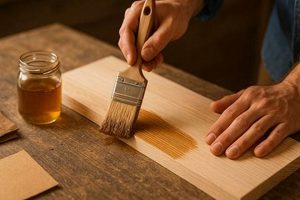
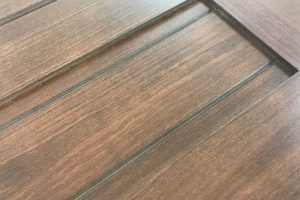
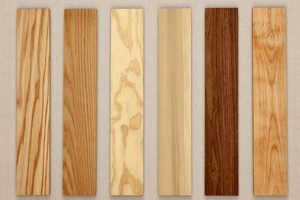
A category of treatments applied to wood surfaces, these products alter the color and enhance the natural grain without completely obscuring it. They typically consist of a pigment or dye suspended in a solvent or binder. For example, applying a mahogany-toned preparation to an oak surface will impart a reddish-brown hue while still allowing the oak’s inherent texture to be visible.
These surface applications offer both aesthetic and protective advantages. Beyond enhancing visual appeal, they can provide a barrier against moisture, UV radiation, and minor abrasions, thereby prolonging the lifespan of wooden objects. Historically, the use of such treatments dates back centuries, evolving from rudimentary mixtures of natural pigments and oils to sophisticated, chemically engineered formulations.
The subsequent sections will delve into various types available, application techniques, factors influencing selection, and best practices for maintaining a treated wood surface.
Essential Considerations for Optimal Results
Achieving a professional and lasting result requires careful planning and execution. The following guidelines are designed to optimize the application process and enhance the longevity of the treated wood.
Tip 1: Surface Preparation is Paramount: Prior to application, ensure the wood surface is clean, dry, and free from any existing coatings, dust, or debris. Sanding is often necessary to create a smooth and receptive substrate. Imperfections left unattended will be accentuated by the treatment.
Tip 2: Select the Appropriate Product Type: Different formulations cater to varying needs. Oil-based versions offer deeper penetration and richer color, while water-based options are generally lower in VOCs and easier to clean. Consider the intended use and environmental conditions when making this choice.
Tip 3: Test on a Discrete Area: Before committing to an entire project, apply the chosen product to an inconspicuous section of the wood. This allows for assessment of the color, penetration, and overall aesthetic effect, and provides an opportunity to adjust the application technique if needed.
Tip 4: Apply in Thin, Even Coats: Avoid over-application, which can lead to uneven drying and a sticky or tacky finish. Multiple thin coats are preferable to a single thick coat. Always follow the manufacturer’s instructions regarding application methods and drying times.
Tip 5: Maintain Proper Ventilation: Adequate ventilation is crucial during application and drying, especially when using solvent-based products. This minimizes exposure to harmful fumes and facilitates proper curing of the treatment.
Tip 6: Dispose of Materials Responsibly: Used applicators, rags, and containers may contain hazardous materials. Dispose of them according to local regulations and guidelines to prevent environmental contamination.
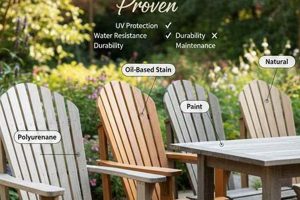
Tip 7: Consider a Topcoat for Enhanced Protection: While some products offer inherent protective qualities, a clear topcoat (such as varnish or polyurethane) can provide an additional layer of resistance against moisture, abrasion, and UV damage, further extending the lifespan of the treated wood.
By adhering to these guidelines, one can significantly improve the appearance, durability, and longevity of treated wood surfaces. Diligence in preparation and application is key to achieving a professional and aesthetically pleasing result.
The subsequent sections will explore best practices for maintaining such surface and addressing common issues that may arise over time.
1. Color Enhancement

Color enhancement is a primary function when applying surface treatments to wood. It transcends mere alteration of hue, fundamentally affecting the perception and aesthetic value of the material. The choice of a particular treatment dictates not only the resulting color but also the degree to which the wood’s natural grain and texture are emphasized or subdued.
- Hue Modification
The fundamental alteration of the wood’s inherent color is perhaps the most apparent aspect of color enhancement. Treatments introduce pigments or dyes that impart a specific hue, ranging from light and natural tones to deep, saturated colors. This allows for customization to match existing dcor or achieve a desired aesthetic effect. For example, a clear, natural treatment minimally alters the wood’s color while enhancing its inherent warmth, whereas a dark mahogany treatment drastically changes the color while preserving the grain pattern.
- Tone Adjustment
Beyond hue, surface treatments influence the tone of the wood, affecting its lightness or darkness. This is often used to create contrast, depth, or visual interest. Lighter tones can brighten a room and create a sense of spaciousness, while darker tones can add warmth and sophistication. For instance, applying a whitewash treatment lightens the wood’s tone, creating a rustic, weathered appearance, while a dark walnut treatment deepens the tone, adding richness and formality.
- Color Matching and Replication
Surface treatments facilitate the matching or replication of specific colors, allowing for consistency across different wood types or surfaces. This is particularly useful in furniture restoration or when integrating new wooden elements into an existing design. The ability to precisely match colors ensures a cohesive and harmonious aesthetic throughout a space. For example, a surface treatment can be used to make pine mimic the appearance of cherry wood, creating a uniform look without the expense of using more expensive materials.
- Accentuation of Grain and Texture
While directly altering the color, surface treatments can also subtly accentuate or subdue the natural grain and texture of the wood. Certain treatments are designed to penetrate deeply into the wood fibers, enhancing the grain pattern and creating a more pronounced visual effect. Others may fill in the grain, creating a smoother, more uniform surface. For example, applying a penetrating oil-based treatment to oak can highlight the wood’s distinctive grain, while a gel stain might be used to create a more uniform color on a less porous wood like maple.
In summary, color enhancement is a multifaceted process that goes beyond simply changing the color of wood. It involves careful consideration of hue, tone, grain accentuation, and matching capabilities to achieve the desired aesthetic result. The correct application of treatments allows not only for the protection of the wood but also for the expression of individual style and the enhancement of its inherent beauty.
2. Grain Accentuation

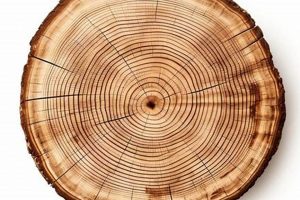
Grain accentuation, as a critical element in wood finishing, involves enhancing the natural patterns and textures inherent in wood. Surface treatments play a pivotal role in either highlighting or subtly altering these features, significantly influencing the final aesthetic of a wood product. The interaction between the finish and the wood’s grain determines the depth, clarity, and visual impact of the overall design.
- Pigment Deposition in Grain Pores
Certain treatments, particularly those with higher solid content, deposit pigments within the open pores of the wood grain. This deposition creates a visual contrast between the grain and the surrounding wood, effectively accentuating the grain pattern. For example, applying a dark-toned paste wood filler to oak before treatment fills the grain pores, resulting in a pronounced grain pattern when a lighter treatment is subsequently applied. This effect is often sought after in furniture and cabinetry to enhance the wood’s natural character.
- Refractive Index Modulation
The refractive index of the surface treatment can either enhance or diminish the visibility of the grain. Surface treatments with a refractive index similar to that of the wood will tend to make the grain appear less prominent, whereas those with a significantly different refractive index will accentuate the grain due to increased light refraction. An example of this is the use of oil-based surface treatments, which typically have a higher refractive index than water-based treatments, resulting in a richer and more pronounced grain appearance.
- Selective Absorption of Treatment
The varying densities and textures within the wood grain cause differential absorption of the treatment. Denser areas of the grain tend to absorb less treatment, resulting in a lighter color, while more porous areas absorb more, resulting in a darker color. This selective absorption enhances the natural contrast within the wood, accentuating the grain pattern. The application of a wiping is a classic example of selective absorption.
- Textural Enhancement Through Build-Up
Certain application methods, such as layering multiple coats of surface treatment, can create a slight build-up on the wood surface, particularly along the grain lines. This build-up adds a tactile dimension to the grain, enhancing its visibility and creating a more textured feel. A high-build varnish, for instance, can accentuate the grain while simultaneously providing a durable, protective coating.
In summary, grain accentuation through surface treatments is a complex process that involves both chemical and physical interactions between the finish and the wood. The selection of the appropriate treatment and application technique is crucial to achieving the desired level of grain enhancement, allowing for a wide range of aesthetic effects from subtle highlighting to dramatic emphasis.
3. Surface Protection
Surface protection constitutes a critical function offered by treatments applied to wood. These treatments act as barriers against various environmental factors that can degrade or damage the underlying material. Without adequate safeguarding, wood is susceptible to moisture absorption, ultraviolet (UV) radiation, physical abrasion, and biological attack, leading to warping, cracking, fading, and decay. The inclusion of protective qualities within these products directly extends the lifespan and maintains the aesthetic integrity of the wood. As an example, exterior doors and window frames treated with weather-resistant products resist water damage, preventing rot and maintaining structural stability over extended periods.
The protective mechanisms incorporated vary depending on the specific formulation. Many contain UV absorbers that mitigate the damaging effects of sunlight, preventing color fading and surface degradation. Water-repellent additives reduce moisture absorption, minimizing swelling and contraction that can lead to cracking. Some also include biocides to inhibit the growth of mold, mildew, and wood-boring insects. The selection of the appropriate treatment is therefore paramount, requiring consideration of the wood species, environmental conditions, and the intended use of the object. For instance, a wooden deck exposed to direct sunlight and moisture requires a product with strong UV protection and water repellency to prevent premature deterioration. Similarly, wooden furniture in humid environments benefits from treatments containing mildew inhibitors.
Ultimately, understanding the connection between surface protection and the application of these surface treatments allows for informed decision-making, leading to increased durability, reduced maintenance costs, and preservation of wooden structures and artifacts. The integration of protective properties represents a fundamental aspect of the overall value proposition. Further advances in material science are continually enhancing the protective capabilities, leading to more effective and longer-lasting solutions.
4. Penetration Depth

Penetration depth, concerning surface treatments for wood, directly influences the durability, longevity, and aesthetic qualities of the treated material. The extent to which a treatment permeates the wood structure dictates its resistance to wear, moisture intrusion, and color fading.
- Substrate Adhesion and Bond Strength
Deeper penetration facilitates a stronger mechanical bond between the treatment and the wood substrate. This enhanced adhesion reduces the likelihood of peeling, blistering, or chipping, particularly under conditions of fluctuating temperature or humidity. For instance, oil-based surface treatments generally penetrate deeper than water-based versions, resulting in superior adhesion and resistance to mechanical stress on exterior wood surfaces.
- Resistance to UV Degradation
Penetration depth influences the effectiveness of UV-protective additives within the treatment. Deeper penetration ensures that these additives are distributed throughout a greater volume of wood, providing a more robust defense against ultraviolet radiation. When the treatment only remains on the surface of the wood, it will not last a long time before color is damaged. Thus, a deeper treatment provides greater UV damage.
- Moisture Barrier Effectiveness
A treatment that penetrates deeply creates a more effective moisture barrier. By filling the porous structure of the wood, the treatment impedes water absorption, preventing swelling, warping, and decay. A surface-level treatment offers limited protection against moisture intrusion and is prone to failure in high-humidity environments or when exposed to direct water contact. This is often why marine varnishes are used on boats, because they protect against water damage.
- Color Retention and Fading Resistance
Deeper penetration of the treatment contributes to improved color retention and resistance to fading. When the colorant is embedded within the wood structure, it is less susceptible to surface abrasion and degradation from UV exposure. Surface-level products are more prone to color loss over time, requiring more frequent reapplication to maintain the desired aesthetic appearance. The deeper it goes, the less likely damage will occur.
The interplay between penetration depth and the choice of surface treatment is critical for optimizing the performance and longevity of wood finishes. Selecting products and application techniques that promote deeper penetration yields enhanced durability, improved protection against environmental factors, and prolonged aesthetic appeal.
5. Application Method

The application method exerts significant influence on the final appearance, performance, and longevity of treatments applied to wood surfaces. The means by which the treatment is applied dictates the uniformity of color, the degree of grain accentuation, and the level of protection achieved. Inadequate or inappropriate application techniques can lead to a variety of undesirable outcomes, including uneven coloration, streaking, pooling, and premature failure of the coating. For instance, applying a gel-based treatment too thickly with a brush can result in a blotchy appearance, while failing to properly wipe off excess treatment after application can lead to a sticky or tacky finish. The selection of the correct method is thus a critical determinant of success.
Several common application methods exist, each with its own advantages and limitations. Brushing is suitable for smaller projects and allows for precise control, but it can leave brush marks if not executed carefully. Spraying provides a smooth, even finish on larger surfaces, but requires specialized equipment and proper ventilation. Wiping is ideal for achieving a subtle color enhancement and accentuating the grain, but requires careful attention to detail to avoid leaving streaks. Dipping provides efficient coverage for smaller components, but is not suitable for large surfaces. The choice of application method should be informed by the type of treatment being used, the size and complexity of the project, and the desired aesthetic outcome. Consider the application of a penetrating oil finish to a large wooden table. Spraying might seem efficient, but brushing the oil into the grain and then wiping off the excess ensures deep penetration and enhances the wood’s natural beauty.
Ultimately, a thorough understanding of the relationship between the application method and the desired characteristics of surface treatments is essential for achieving professional-quality results. While the properties of the treatment itself are important, the manner in which it is applied is equally crucial. Challenges often arise from a lack of proper surface preparation, inadequate technique, or the use of inappropriate tools. Overcoming these challenges requires careful planning, attention to detail, and adherence to best practices. The successful combination of the right treatment and the optimal application method yields a finish that is both aesthetically pleasing and functionally durable.
6. Longevity Expectation
Longevity expectation, in the context of wood stain finishes, refers to the anticipated lifespan of the applied treatment before requiring maintenance or reapplication. This expectation is not merely a desired outcome but a critical factor influencing the selection of specific products, application techniques, and subsequent maintenance protocols. The inherent properties of the wood substrate, the environmental conditions to which it will be exposed, and the desired aesthetic contribute to establishing a realistic longevity expectation. For example, a deck surface in a region with intense sunlight and frequent rainfall would necessitate a higher-grade, UV-resistant stain applied meticulously to maximize its lifespan, as opposed to an interior trim detail receiving minimal exposure.
The relationship between longevity expectation and the selection of wood stain finishes is causative. The desired lifespan directly informs the choice of stain chemistry (oil-based, water-based, gel stain), the inclusion of additives (UV absorbers, mildewcides), and the application method. Higher longevity expectations typically demand higher-quality, more durable stains and more labor-intensive application processes, such as multiple coats and thorough surface preparation. Failure to adequately consider longevity expectation during the selection process results in premature degradation, increased maintenance costs, and potential compromise of the underlying wood structure. The economic significance of this relationship is substantial, as investing in a longer-lasting finish upfront often proves more cost-effective than frequent reapplications of cheaper alternatives. Consider the cost difference between applying a high-quality marine-grade varnish to a wooden boat every five years versus a lower-quality varnish annually.
In summary, longevity expectation is an indispensable component of informed decision-making regarding wood stain finishes. It necessitates a comprehensive understanding of material properties, environmental factors, and the desired aesthetic outcome. While achieving extended lifespans requires careful planning and execution, the resulting reduction in maintenance, preservation of the wood substrate, and long-term cost savings justify the initial investment and diligent approach. Challenges in accurately predicting longevity arise from the variability of environmental conditions and the potential for unforeseen wear and tear. However, by incorporating best practices, considering past performance data, and selecting appropriate materials, a reasonable longevity expectation can be established and achieved, ensuring the enduring beauty and protection of wood surfaces.
Frequently Asked Questions About Wood Stain Finishes
The following addresses common inquiries and clarifies misconceptions surrounding the selection, application, and maintenance of such treatments applied to wooden surfaces.
Question 1: What distinguishes wood stain finishes from paint?
Wood stain finishes are designed to penetrate the wood surface, enhancing the natural grain and color without completely obscuring it. Paint, conversely, forms an opaque layer that covers the wood’s natural characteristics. The primary distinction lies in the level of transparency and the degree to which the wood grain remains visible.
Question 2: Are all wood stain finishes suitable for exterior use?
No. Exterior applications necessitate formulations specifically designed to withstand environmental factors such as ultraviolet (UV) radiation, moisture, and temperature fluctuations. Interior applications may not offer the same level of protection against these elements. Select only products explicitly labeled for exterior use.
Question 3: How does surface preparation influence the outcome of a wood stain finish?
Surface preparation is paramount. The wood must be clean, dry, and free of any existing coatings, dust, or contaminants. Sanding is often required to create a smooth, receptive surface. Failure to properly prepare the surface can result in uneven color absorption, poor adhesion, and a compromised final appearance.
Question 4: What is the significance of VOC (Volatile Organic Compound) content in wood stain finishes?
VOCs are organic chemicals that evaporate at room temperature and can contribute to air pollution and potential health hazards. Lower-VOC or zero-VOC options are environmentally preferable and often safer for indoor use. Consider the VOC content when selecting a product, particularly for enclosed spaces.
Question 5: How should excess wood stain finish be disposed of safely?
Wood stain finishes and their associated waste materials (rags, brushes, containers) may contain hazardous chemicals. Dispose of them according to local regulations. Consult your municipal waste management authority for guidance on proper disposal methods. Do not pour excess stain down drains or into the environment.
Question 6: Is a topcoat necessary after applying a wood stain finish?
The necessity of a topcoat depends on the intended use and the level of protection required. A topcoat, such as varnish or polyurethane, provides an additional layer of resistance against moisture, abrasion, and UV damage. For surfaces subject to heavy use or exposure to the elements, a topcoat is generally recommended.
These inquiries offer foundational knowledge to foster informed decisions when engaging with the task of treating wood surfaces. Each step in the process needs diligence and precision, to enhance the esthetic and longevity.
The next section will delve into specific application techniques, addressing best practices for achieving professional-quality results.
Conclusion
This examination has elucidated the multifaceted nature of wood stain finishes, covering their composition, application, and performance characteristics. The choice of treatment significantly affects the appearance, protection, and longevity of wood surfaces. Achieving optimal results necessitates careful consideration of factors such as wood species, environmental exposure, desired aesthetic, and appropriate application techniques.
The informed selection and proper application of these treatments, therefore, represent a critical investment in the preservation and enhancement of wooden materials. Continued diligence in understanding evolving technologies and best practices will ensure the enduring beauty and functionality of wood for generations to come. The responsible use of resources remains key to promoting enduring and visually appealing outcomes.