The concluding treatment of wooden boards intended for food preparation involves the application of a substance to protect the wood, enhance its appearance, and create a surface suitable for direct contact with food. This process typically employs food-safe oils or waxes. As an example, mineral oil or beeswax are commonly used to saturate the wood fibers, preventing them from absorbing liquids and harboring bacteria.
Proper surface treatment of these kitchen implements extends their lifespan, reduces the risk of contamination, and maintains their aesthetic appeal. Historically, various methods have been employed to achieve this, ranging from simple oiling techniques to more complex multi-stage processes. The practice is vital in both domestic and commercial food preparation settings.
The subsequent sections will delve into the specific types of substances used, the application techniques involved, and the ongoing maintenance required to ensure the longevity and safety of treated wooden surfaces used for cutting and chopping.
Surface Treatment Best Practices
Achieving a durable and food-safe surface on wooden boards requires careful attention to detail and adherence to established best practices. The following tips outline key considerations for optimal results.
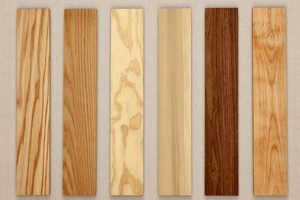
Tip 1: Wood Selection. Employ hardwoods known for their density and tight grain, such as maple or walnut. These varieties are less porous and less prone to moisture absorption.
Tip 2: Preparation is Paramount. Before any treatment, ensure the wooden surface is smooth and free of imperfections. Sanding with progressively finer grits is essential.
Tip 3: Food-Safe Substances. Utilize only substances specifically designated as food-safe. Mineral oil, beeswax, and carnauba wax are frequently recommended due to their inert properties.
Tip 4: Multiple Applications. Apply several thin coats of the chosen substance, allowing sufficient time for absorption between each application. This ensures thorough saturation of the wood fibers.
Tip 5: Proper Curing. After application, allow the treated surface to cure for an adequate period. This allows the substance to fully penetrate and harden, creating a resilient barrier.
Tip 6: Maintenance Regimen. Regular maintenance is crucial for longevity. Reapply the surface treatment periodically, especially after heavy use or washing.
Tip 7: Avoid Harsh Chemicals. Refrain from using harsh detergents or abrasive cleaners, as these can strip the surface treatment and damage the wood.
Adhering to these guidelines ensures a safe, durable, and aesthetically pleasing surface for wooden food preparation implements. Consistent application of these best practices will significantly extend the lifespan of the wooden item and minimize the risk of contamination.
The subsequent section will address common problems encountered during surface treatment and provide troubleshooting solutions.
1. Food-Safe Materials

The selection of appropriate substances is paramount when treating wooden surfaces intended for food preparation. The safety of consumers is directly linked to the properties of the substances used to enhance and protect these surfaces.
- Inertness and Non-Toxicity
A primary requirement of any substance used is its chemical inertness, meaning it does not react with food or leach harmful components into the food. Mineral oil, a common choice, is refined to meet these criteria. Failure to use inert substances can result in the introduction of toxins into the food chain.
- Absence of Allergens
Substances derived from nuts or other common allergens must be avoided, or clearly labeled, to prevent allergic reactions. While certain nut oils might offer desirable properties, their potential to trigger allergies necessitates caution and alternative options, like coconut oil, may be considered with appropriate labeling.
- Resistance to Microbial Growth
The chosen substance should not promote the growth of bacteria or fungi. Some natural oils can become rancid, providing a breeding ground for microorganisms. Proper refinement and the addition of stabilizing agents can mitigate this risk. Regular cleaning and maintenance also minimize microbial proliferation.
- Regulatory Compliance
Substances intended for food contact must comply with relevant regulations set forth by governing bodies, such as the Food and Drug Administration (FDA) in the United States. Compliance ensures that the substances have undergone rigorous testing and are deemed safe for their intended use. Manufacturers of these implements bear the responsibility of adhering to these standards.
These facets underscore the critical role that food-safe materials play in maintaining hygiene and preventing adverse health effects. The correct application of suitable substances, coupled with proper maintenance, contributes to the safety and longevity of treated wooden surfaces used for cutting and chopping.
2. Proper Wood Selection
The efficacy of any surface treatment is inextricably linked to the initial selection of wood. Choosing the appropriate wood species directly influences the durability, hygiene, and overall performance of boards intended for food preparation. For example, hardwoods like maple, cherry, and walnut possess tight grain structures that resist moisture absorption and inhibit bacterial growth more effectively than softwoods such as pine or fir. This inherent resistance reduces the likelihood of warping, cracking, and the harboring of harmful microorganisms, thereby minimizing potential contamination.
Furthermore, the density of the chosen wood impacts the penetration and longevity of the applied finish. Denser woods, while potentially requiring more initial coats, tend to retain surface treatments longer and exhibit greater resistance to wear and tear from knife use. The choice of open-grained woods will require more frequent reapplication of treatment substances due to the increased propensity for liquids to penetrate the surface. As a counterexample, using bamboo, though technically a grass, offers a high-density and sustainable alternative wood, making it a suitable choice.
In conclusion, the selection of wood is not merely a preliminary step but an integral component of the surface treatment process. By prioritizing hardwoods with tight grain structures and considering the long-term effects of wood density on finish retention, manufacturers and end-users can maximize the lifespan, safety, and aesthetic appeal of their wooden food preparation implements. Ignoring this critical aspect can compromise the effectiveness of even the most meticulous surface treatment regimen, leading to premature degradation and potential health risks.
3. Sanding Techniques
Sanding techniques serve as a foundational element in the effective surface treatment of wooden boards designed for food preparation. The process of abrasion, utilizing successively finer grits of sandpaper, directly influences the subsequent absorption and adhesion of protective substances. A properly sanded surface exhibits a uniform texture, free from imperfections that might otherwise impede the penetration of oils or waxes. This preparation directly affects the durability and longevity of the protective barrier, thereby impacting the board’s resistance to moisture, bacteria, and staining. For example, a poorly sanded surface may result in uneven absorption of mineral oil, leading to localized areas of dryness and increased susceptibility to cracking. Similarly, inadequate sanding can leave behind raised grain, creating an uneven surface that is difficult to clean and may harbor bacteria.
The specific techniques employed during sanding are crucial. Starting with a coarser grit, such as 80 or 120, levels the surface and removes any existing blemishes. Progressing through finer grits, such as 220, 320, and even 400, gradually refines the texture, creating a smooth, almost polished surface. This multi-stage approach ensures optimal adhesion of the chosen protective substance. Furthermore, sanding should be performed along the grain of the wood to minimize the risk of scratching or tearing. For intricately shaped or contoured boards, specialized sanding tools or techniques, such as hand sanding with flexible sanding pads, may be necessary to ensure uniform surface preparation. In many cases, this preparation can elevate wood pieces to works of art.
In summary, sanding techniques represent a critical precursor to the successful surface treatment of wooden boards intended for food use. The proper execution of this process, involving the selection of appropriate grits, the application of correct sanding techniques, and attention to detail, directly contributes to the creation of a durable, hygienic, and aesthetically pleasing surface. The failure to adequately prepare the surface can compromise the effectiveness of even the highest-quality protective substances, ultimately reducing the lifespan and safety of the wooden implement. Emphasis on the value of high-quality sanding is warranted.
4. Application Methods
The manner in which protective substances are applied to wooden boards is a critical determinant of the efficacy and longevity of the surface treatment. Variations in technique significantly impact the saturation of the wood, the uniformity of the protective layer, and the overall durability of the finish.
- Brush Application
Employing a brush, typically made of natural or synthetic bristles, allows for precise control over the amount of substance applied. This method is suitable for intricate designs or contoured surfaces where uniform coverage is challenging to achieve. However, brush application may result in brush strokes or uneven distribution if not executed with care. For instance, applying mineral oil with a stiff-bristled brush to an engraved board allows the oil to penetrate fine details, but requires subsequent wiping to prevent pooling.
- Cloth Application
Using a clean, lint-free cloth offers a controlled and even distribution of the protective substance. This method minimizes the risk of excess build-up and allows for the efficient removal of any surplus material. Cloth application is particularly well-suited for large, flat surfaces. As an example, a soft cotton cloth can be used to apply beeswax to a large butcher block, ensuring a thin, even coat that is then buffed to a smooth finish.
- Immersion
Submerging the entire board in the protective substance ensures complete saturation of the wood fibers. This method is advantageous for achieving maximum protection, particularly in end-grain boards, which are highly absorbent. However, immersion requires a significant volume of the substance and may necessitate a longer drying time. A practical example involves submerging a small end-grain cutting board in mineral oil for several hours to fully saturate the wood, followed by a thorough draining process.
- Spray Application
Spraying provides a uniform and consistent coating, particularly useful for large-scale operations or intricate designs. This method minimizes the risk of surface contamination and can be highly efficient. However, it requires appropriate ventilation and safety precautions due to the potential for airborne particles. An industrial setting might employ a spray system to apply a food-grade lacquer to a batch of commercially produced wooden boards, ensuring a smooth, consistent finish across all items.
The selection of an appropriate application method hinges on factors such as the size and shape of the wooden item, the type of protective substance being used, and the desired level of protection. Regardless of the chosen method, careful attention to detail and adherence to proper techniques are crucial for achieving a durable, hygienic, and aesthetically pleasing result. Thoughtful choice of method is not trivial.
5. Curing Time

Curing time, the period allowed for a surface treatment to fully set and harden, represents a critical phase in the process of finishing wood cutting boards. Its duration directly impacts the durability, effectiveness, and safety of the resulting surface. Insufficient curing can lead to a finish that is tacky, easily damaged, and potentially unsafe for food contact.
- Solvent Evaporation and Polymerization
Many protective substances, such as varnishes or lacquers (though less common in direct food contact applications), rely on the evaporation of solvents and/or the polymerization of resins to form a solid film. Curing time allows these chemical processes to occur completely. Insufficient time results in incomplete solvent removal and/or incomplete polymerization, yielding a soft and easily scratched finish. In the context of boards, this means reduced protection against moisture and bacteria.
- Oil Absorption and Oxidation
In the case of food-safe oils like mineral oil or linseed oil, curing involves the absorption of the oil into the wood fibers and, in some cases (like linseed oil), oxidation. Oxidation involves a chemical reaction with the air that hardens the oil. Adequate curing time ensures the oil penetrates deeply and hardens sufficiently, providing a more robust barrier against liquids and contaminants. Premature use can lead to the oil being washed away or absorbed into food.
- Wax Hardening and Adhesion
Waxes, such as beeswax, provide a protective layer by hardening and adhering to the wood surface. Curing time allows the wax to fully solidify and bond with the underlying wood fibers. Insufficient curing can result in a soft, easily displaced wax layer, leaving the board vulnerable. Example: If a waxed board is used immediately after application, the wax can transfer to the food.
- Environmental Factors Influence
Curing time is significantly influenced by environmental factors such as temperature, humidity, and air circulation. Higher temperatures and lower humidity levels generally accelerate the curing process, while poor air circulation can inhibit it. Proper ventilation and temperature control are essential to ensure uniform and complete curing. Example: a board cured in a damp basement will take significantly longer to cure than one cured in a dry, well-ventilated area.
These facets demonstrate that curing time is not merely a waiting period, but an active phase during which the protective substance undergoes critical physical and chemical transformations. The selection of appropriate curing times, informed by the specific substance used and environmental conditions, is essential for achieving a durable, safe, and effective finish on wooden cutting boards. The consequence of neglect may have adverse health impacts.
6. Regular Maintenance
The efficacy of any initial surface treatment on wooden food preparation surfaces is directly contingent upon diligent and consistent maintenance practices. Failure to adhere to a regular maintenance schedule precipitates a decline in the protective qualities of the finish, rendering the wood susceptible to moisture absorption, bacterial contamination, and eventual degradation. This decline necessitates more frequent reapplication of protective substances and ultimately reduces the lifespan of the implement. For instance, a board that is routinely oiled after each cleaning maintains a saturated surface, preventing liquids from penetrating the wood fibers and fostering microbial growth. Conversely, a board left unmaintained will exhibit dryness, cracking, and an increased propensity for harboring bacteria.
The specific maintenance regimen depends on the type of substances used in the initial surface treatment and the frequency of board usage. Boards treated with mineral oil typically require more frequent reapplication compared to those finished with beeswax or a combination of waxes and oils. Washing practices also impact maintenance needs. Hand washing with mild soap and water is preferable to dishwasher cleaning, as the latter can strip away protective oils. Following washing, thorough drying is crucial to prevent moisture retention. Furthermore, periodic sanitization with diluted vinegar or lemon juice can further reduce the risk of bacterial contamination. As an example, a butcher block used daily in a commercial kitchen requires a more rigorous cleaning and oiling schedule than a personal board used sparingly.
In summary, regular maintenance is not a supplementary element, but an indispensable component of ensuring the continued safety, hygiene, and longevity of finished wooden boards. Consistent application of recommended maintenance practices maximizes the effectiveness of the initial surface treatment, mitigates the risk of contamination, and preserves the aesthetic qualities of the wood. The lack of a regular maintenance schedule effectively negates the benefits of even the most meticulous surface treatment application.
Frequently Asked Questions
This section addresses common inquiries and misconceptions pertaining to the proper surface treatment of wooden implements used in food preparation. The information provided aims to clarify best practices and ensure the safety and longevity of these items.
Question 1: Why is surface treatment necessary for wood boards?
Surface treatment protects the wood from moisture absorption, which can lead to warping, cracking, and bacterial growth. It also creates a food-safe surface and enhances the board’s appearance.
Question 2: What are the recommended materials for surface treatment?
Food-safe mineral oil, beeswax, and carnauba wax are commonly recommended due to their inert and non-toxic properties. These substances create a protective barrier without contaminating food.
Question 3: How often should a wood board be retreated?
The frequency of reapplication depends on usage and washing habits. A general guideline is to retreat the board whenever it appears dry or after several washes. Visual inspection is the most reliable indicator.
Question 4: Can vegetable oils be used instead of mineral oil?
Vegetable oils are generally not recommended due to their tendency to become rancid over time, which can impart unpleasant odors and flavors to food. Mineral oil remains the preferred choice due to its stability and non-reactive nature.
Question 5: What are the potential consequences of neglecting surface treatment?
Neglecting surface treatment can result in a board that is prone to cracking, warping, and bacterial contamination. The board’s lifespan will be significantly reduced, and it may pose a health risk.
Question 6: Is sanding necessary before each reapplication of surface treatment?
Sanding is generally not necessary for routine reapplication. However, if the board exhibits raised grain or minor imperfections, light sanding with a fine-grit sandpaper can improve the absorption and adhesion of the new treatment.
The correct and consistent application of appropriate methods is vital. Addressing surface needs directly combats board damage.
The next section provides a checklist to guide the board-care process from start to finish.
Finishing Wood Cutting Boards
The preceding discussion elucidated the multifaceted nature of finishing wood cutting boards, emphasizing the importance of appropriate material selection, proper application methods, adequate curing time, and consistent maintenance. Adherence to established best practices directly impacts the safety, longevity, and aesthetic qualities of these essential kitchen implements. Neglecting any facet of this process compromises the integrity of the board and increases the risk of bacterial contamination.
The diligent application of the knowledge presented serves as a cornerstone for safeguarding food safety and maximizing the lifespan of valuable wooden boards. Continued vigilance and adherence to rigorous standards ensure that these implements remain a safe and sustainable component of food preparation practices. The responsible consumer and the conscientious manufacturer must prioritize these considerations.