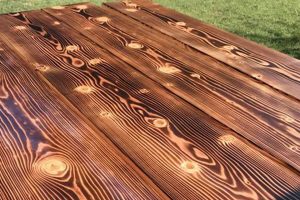
The process involves applying protective and aesthetic coatings to treads, risers, and other components, enhancing both durability and visual appeal. This procedure typically encompasses sanding to achieve a smooth surface, followed by the application of stain, paint, varnish, or polyurethane to protect against wear, moisture, and ultraviolet light. For example, meticulously sanding each stair element and then applying several coats of polyurethane yields a resilient and attractive surface.
Properly executed surfacing extends the lifespan of the construction, safeguards against potential damage from foot traffic and environmental factors, and elevates the interior design. Historically, various materials like oils and waxes were employed, gradually transitioning to more durable and readily available synthetic coatings. The adoption of a suitable method represents a significant investment in the home’s value and aesthetic consistency.
The following sections will delve into specific techniques, material selection, and essential tools required for achieving a professional-grade result, offering practical guidance for homeowners and contractors alike. Subsequent discussion will cover surface preparation, application methods, and troubleshooting common issues encountered during the completion of the stair refurbishment.
Essential Guidelines
The subsequent recommendations are designed to maximize the effectiveness and longevity of the completed project. Adherence to these principles contributes significantly to a superior and enduring outcome.
Tip 1: Precise Surface Preparation: Prior to applying any coating, meticulous sanding is imperative. Begin with coarse grit sandpaper to remove existing finishes or imperfections, progressing to finer grits to achieve a smooth, uniform substrate. Failure to adequately prepare the surface will compromise adhesion and visual appeal.
Tip 2: Appropriate Product Selection: Evaluate the intended use and environmental conditions before selecting a coating. Polyurethane provides exceptional durability for high-traffic areas, while varnish offers superior clarity and depth of finish. Consider factors such as moisture resistance, UV protection, and ease of application.
Tip 3: Controlled Application Environment: Ensure adequate ventilation and temperature control during the application process. Dust and debris can contaminate the finish, resulting in an uneven or flawed appearance. Maintaining a stable temperature promotes proper curing and adhesion.
Tip 4: Thin, Even Coats: Apply multiple thin coats of the chosen coating rather than a single thick coat. This technique minimizes the risk of runs, drips, and air bubbles, resulting in a smoother, more professional finish. Allow sufficient drying time between coats.
Tip 5: Intermediate Sanding: Lightly sand between coats with a fine-grit sandpaper (e.g., 320 grit) to remove imperfections and promote adhesion of subsequent layers. Clean the surface thoroughly after sanding to remove dust particles.
Tip 6: Consistent Application Technique: Maintain a consistent stroke and application pressure to ensure uniform coverage and avoid lap marks. Whether using a brush, roller, or sprayer, practice the technique on a scrap piece of wood to refine the method.
Tip 7: Adequate Curing Time: Allow the completed surface to cure fully before exposing it to heavy traffic or moisture. Refer to the manufacturer’s recommendations for specific curing times, as they vary depending on the product and environmental conditions.
Proper implementation of these guidelines will result in a durable, aesthetically pleasing, and long-lasting surface, significantly enhancing the overall value and appeal of the staircase.
The final section provides concluding remarks and suggests avenues for further exploration and learning.
1. Surface Preparation

Surface preparation constitutes a foundational phase in the process of finishing wood stairs. It significantly influences the adhesion, appearance, and longevity of any applied coating. Inadequate preparation invariably leads to compromised results, necessitating costly rework.
- Removal of Existing Finishes
Complete removal of prior coatings, such as paint, varnish, or polyurethane, is crucial. Chemical strippers, sanding, or a combination of both may be required. The presence of old finishes inhibits proper bonding of new materials, resulting in peeling or flaking.
- Sanding and Smoothing
Sanding eliminates imperfections, such as scratches, dents, or raised grain, creating a uniform surface. A progression of sandpaper grits, from coarse to fine, is typically employed. Uneven surfaces translate into visible flaws in the final finish.
- Repairing Damage
Addressing structural damage, like cracks or gouges, is essential prior to coating application. Wood filler or epoxy can be used to repair these defects. Failure to repair damage results in a compromised structural integrity and aesthetic deficiencies.
- Cleaning and Dust Removal
Thorough cleaning to remove dust, debris, and contaminants ensures optimal adhesion. Vacuuming, wiping with tack cloths, or using compressed air are common methods. Residual contaminants interfere with coating adhesion and can cause surface irregularities.
Effective surface preparation, encompassing these facets, is paramount for achieving a durable and visually appealing finish on wood stairs. Neglecting any of these steps invariably compromises the final outcome, potentially leading to premature failure of the coating system.
2. Material Selection
Material selection directly influences the performance and aesthetic qualities of a wood staircase. The choice of wood species, stain, sealant, and topcoat determines the durability, resistance to wear, and overall visual impact of the structure. For instance, using a soft wood like pine in a high-traffic area necessitates a more robust coating system compared to utilizing a hardwood like oak. The appropriate combination of materials mitigates damage from abrasion, moisture, and ultraviolet radiation. Failure to select compatible and suitable materials can lead to premature wear, discoloration, or structural compromise. The long-term integrity of the stair system is, therefore, intrinsically linked to informed material decisions made during the finishing process.
The practical implications of material choices are evident in real-world scenarios. Consider the selection of polyurethane versus varnish as a topcoat. Polyurethane, known for its superior abrasion resistance, is often preferred for heavily used stairs in residential homes. Varnish, while offering a richer, more lustrous finish, may prove less durable under the same conditions. Similarly, the selection of a water-based stain versus an oil-based stain impacts drying time, VOC emissions, and the depth of color penetration. Understanding these nuanced differences allows for tailored solutions based on specific project requirements and environmental considerations. Proper material application, guided by manufacturer specifications, further ensures the intended performance characteristics are realized.
In summary, material selection is a critical determinant in achieving successful stair refinement. Careful evaluation of wood species, protective coatings, and application methods ensures both the functional integrity and aesthetic appeal of the finished staircase. Challenges such as balancing durability with desired aesthetics require thoughtful consideration and often necessitate consulting with experienced professionals. The ability to make informed material choices directly translates to increased longevity and reduced maintenance costs, aligning with the broader goals of sustainable and responsible home improvement practices.
3. Application Techniques

Effective application of finishing materials is critical to achieving a durable and aesthetically pleasing result on wood stairs. The selected technique directly impacts the uniformity, adhesion, and longevity of the coating, influencing both the visual appearance and protective qualities of the finish.
- Brushing
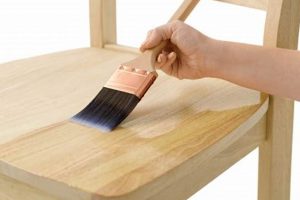
Brushing involves the application of coatings using a brush, typically with natural or synthetic bristles. This technique allows for precise control in confined areas, such as stair treads and risers. However, brushing may result in brush marks or uneven application if not performed with proper skill and technique. The choice of brush type and the consistency of the coating influence the final appearance.
- Rolling
Rolling utilizes a roller to apply coatings over larger, flatter surfaces. This method is generally faster than brushing and can provide a smoother finish with minimal brush marks. Rollers are particularly suited for stair stringers and handrails. Proper roller selection, considering nap length and material, is essential to avoid excessive stippling or orange peel texture.
- Spraying
Spraying involves the atomization of coatings using compressed air or airless spray equipment. This technique yields a uniform, smooth finish with minimal surface imperfections. Spraying is advantageous for intricate details and hard-to-reach areas. However, it requires proper ventilation, safety precautions, and skilled operation to prevent overspray and ensure consistent coverage.
- Wiping
Wiping applications involve applying a product and then wiping away the excess, often used for staining wood. This method is effective for highlighting the wood grain and achieving a uniform color. Rags or cloths are used to apply a thin layer and then remove the excess stain, allowing the grain to be visible. This technique can produce a richer, deeper color and a more natural look.
These application techniques are not mutually exclusive; a combination of methods may be employed to optimize the finishing process. For instance, brushing may be used for detailed areas, while rolling or spraying is employed for larger surfaces. Ultimately, the selection of the appropriate technique depends on the specific requirements of the project, the type of coating being applied, and the skill of the applicator.
4. Durability Enhancement
Durability enhancement, in the context of finishing wood stairs, denotes the implementation of techniques and materials specifically chosen to prolong the lifespan and maintain the structural integrity of the staircase. The selection of appropriate finishing methods and protective coatings directly correlates with the resistance of the wood surface to wear, abrasion, impact, moisture, and ultraviolet degradation. Without adequate durability enhancement measures, wood stairs are susceptible to premature damage, requiring costly repairs or replacements. For example, the application of a high-solids polyurethane coating provides a significantly more resilient barrier against foot traffic and liquid spills than a standard varnish, thereby extending the usable life of the stairs.
The practical significance of durability enhancement becomes apparent when considering the long-term economic implications. While initial cost savings may be realized by employing less robust finishing systems, the subsequent maintenance and repair expenses often outweigh these initial savings. Furthermore, the intangible benefits of maintaining a safe and aesthetically pleasing staircase contribute to the overall value and marketability of the property. For instance, stairs in a heavily used commercial building, treated with a commercial-grade epoxy coating, will withstand daily wear and tear, reducing the frequency of disruptive and costly maintenance interventions. The implementation of anti-slip additives within the finish further enhances safety, reducing the risk of accidents and potential liability.
In summary, durability enhancement is an indispensable component of finishing wood stairs. The selection and application of appropriate materials and techniques are essential to mitigating potential damage and ensuring the long-term performance and safety of the staircase. While challenges may arise in balancing cost considerations with performance requirements, the proactive investment in durability enhancement yields substantial economic and safety benefits over the lifespan of the structure.
5. Safety Compliance

Adherence to safety standards is paramount when refining wood stairs. Non-compliance can result in hazardous conditions leading to injuries, legal liabilities, and compromised structural integrity. The following facets underscore the critical connection between safety regulations and the proper execution of wood stair refinishing.
- Slip Resistance
Stair surfaces must exhibit adequate slip resistance to prevent falls. Finishes should be selected and applied to meet or exceed established coefficients of friction, as defined by applicable building codes. The incorporation of anti-slip additives, such as abrasive particles, may be necessary to enhance traction, particularly in environments prone to moisture. Failure to address slip resistance can result in severe injuries and subsequent legal repercussions.
- Volatile Organic Compound (VOC) Emissions
Finishing materials containing high levels of VOCs pose health risks to occupants and installers. Compliance with regulations governing VOC emissions, such as those established by the Environmental Protection Agency (EPA), is essential. The selection of low-VOC or zero-VOC finishes minimizes indoor air pollution and mitigates potential adverse health effects. Non-compliance can result in fines, penalties, and negative health consequences.
- Fire Resistance
In certain building applications, stair finishes must meet specific fire resistance standards. The use of fire-retardant coatings or materials can help to slow the spread of flames and provide valuable time for evacuation. Compliance with fire safety codes is crucial for protecting occupants in the event of a fire. Non-compliance can lead to catastrophic consequences and significant legal liabilities.
- Proper Ventilation
Adequate ventilation during the application and curing of finishing materials is essential to minimize exposure to hazardous fumes and ensure proper drying. Work areas should be well-ventilated to maintain safe air quality and prevent the accumulation of flammable vapors. Failure to provide adequate ventilation can result in respiratory problems, headaches, and other adverse health effects.
These safety considerations are integral to achieving a successful and compliant wood stair refinishing project. Ignoring these facets not only jeopardizes the safety of occupants and workers but also exposes individuals and organizations to significant legal and financial risks. Therefore, prioritizing safety compliance is a fundamental responsibility in all aspects of wood stair refinishing.
Frequently Asked Questions
The following questions address common concerns and provide clarity regarding the process. This information aims to provide practical knowledge for achieving a successful outcome.
Question 1: How frequently should wood stairs be refinished?
The frequency is contingent upon foot traffic and the durability of the finish. High-traffic stairs may require refinishing every 3-5 years, while stairs in low-traffic areas may last 7-10 years or more. Visible wear, such as scratches, dullness, or peeling finish, indicates the need for refinishing.
Question 2: Is it necessary to hire a professional for wood stair refinishing?
While DIY refinishing is possible, professional refinishers possess specialized skills and equipment to ensure a high-quality, durable finish. Hiring a professional is advisable for complex projects, valuable wood species, or when time constraints exist.
Question 3: What are the primary factors influencing the cost of wood stair refinishing?
Cost is primarily determined by the size of the staircase, the type of wood, the condition of the existing finish, and the choice of refinishing materials. Complex stair designs and intricate detailing may increase the overall expense.
Question 4: What safety precautions should be observed during wood stair refinishing?
Proper ventilation is critical to minimize exposure to harmful fumes from sanding dust and finishing products. The use of respirators, eye protection, and gloves is essential. Flammable materials should be stored safely, away from heat sources.
Question 5: How can the lifespan of a newly refinished wood staircase be extended?
Regular cleaning with appropriate cleaning products, the use of protective mats or runners in high-traffic areas, and prompt repair of any damage can significantly extend the lifespan. Avoiding abrasive cleaners and excessive moisture is also beneficial.
Question 6: What are the potential drawbacks of attempting DIY wood stair refinishing?
Potential drawbacks include uneven sanding, improper application of finishes, and the risk of damaging the wood surface. Mistakes can be costly to rectify and may necessitate professional intervention to correct.
These FAQs provide a foundation for understanding the complexities involved. Careful planning and execution are essential for achieving a satisfactory result.
The next section will present a summary of key points and suggest additional resources for further study.
Conclusion
This exploration of finishing wood stairs has highlighted critical aspects ranging from surface preparation and material selection to application techniques, durability enhancement, and stringent safety compliance. Each facet contributes significantly to the long-term performance and aesthetic value of the staircase. The informed application of these principles ensures a resilient and visually appealing result, reducing maintenance needs and enhancing overall property value. A comprehensive understanding of these elements is paramount for both DIY enthusiasts and professional contractors seeking to achieve superior outcomes.
The decision to undertake finishing wood stairs represents a significant investment in both structural integrity and aesthetic refinement. Prioritizing meticulous execution and adherence to safety guidelines not only safeguards the longevity of the staircase but also ensures the well-being of its users. Further research into advanced techniques and emerging materials is encouraged to maintain optimal performance and adapt to evolving standards within the industry.