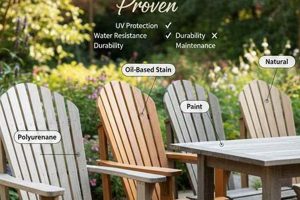
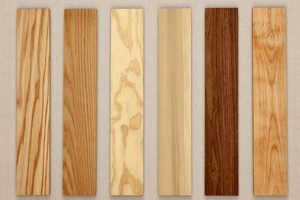
The process involves applying protective coatings to exterior lumber to enhance its aesthetic appeal and extend its lifespan. This treatment shields the material from environmental stressors such as ultraviolet radiation, moisture, and temperature fluctuations, preventing degradation and decay. Common examples include staining, sealing, and painting lumber used in decks, fences, and outdoor furniture.
Implementing appropriate protective measures is crucial for preserving the structural integrity and visual quality of exterior wood structures. Historically, various natural oils and resins have been employed for this purpose. Modern treatments offer advanced protection, mitigating warping, cracking, and fungal growth. Consistent upkeep prevents costly repairs and replacements, ensuring longevity and sustained beauty.
The subsequent sections will detail various methods and products available, providing guidance on selecting the optimal approach for specific wood types and environmental conditions. Emphasis will be placed on proper preparation, application techniques, and maintenance strategies to achieve durable and visually appealing results. These considerations are vital to maximizing the investment in outdoor wood projects.
Essential Guidelines for Exterior Lumber Preservation
The following recommendations offer practical guidance for maximizing the effectiveness and longevity of protective treatments applied to lumber used outdoors. Adherence to these principles will promote durability and aesthetic appeal.
Tip 1: Prioritize Surface Preparation. Thorough cleaning and sanding are paramount. Remove any existing finishes, dirt, or mildew before application. A clean, smooth surface allows for optimal adhesion and penetration of the protective coating.
Tip 2: Select Appropriate Products. Consider the wood species, environmental conditions, and desired aesthetic. Oil-based products often provide superior penetration, while water-based options offer easier cleanup and lower VOC emissions. Consult product specifications to ensure compatibility.
Tip 3: Apply Multiple Coats. Two or three thin, even coats are generally preferable to a single thick coat. Multiple coats provide more comprehensive protection and minimize the risk of drips or runs. Allow each coat to dry completely before applying the next, following the manufacturer’s instructions.
Tip 4: Address End Grain. End grain is particularly susceptible to moisture absorption. Apply a liberal amount of sealant or preservative to end cuts and exposed edges. Consider using a specialized end-grain sealer for enhanced protection.
Tip 5: Maintain Regularly. Inspect the finish annually for signs of wear or damage. Clean surfaces periodically to remove dirt and debris. Reapply a maintenance coat every one to three years, depending on the product and environmental exposure, to preserve protection.
Tip 6: Consider UV Protection. Ultraviolet radiation is a primary cause of wood degradation. Choose products that contain UV inhibitors to mitigate its effects. Pigmented stains and paints offer greater UV protection than clear finishes.
Tip 7: Ensure Proper Ventilation. When working with solvent-based products, ensure adequate ventilation to minimize exposure to fumes. Follow all safety precautions outlined by the manufacturer, including wearing appropriate personal protective equipment.
Implementing these guidelines provides a comprehensive approach to safeguarding exterior lumber, ensuring prolonged performance and aesthetic appeal. Consistent attention to preparation, product selection, application, and maintenance is essential for maximizing the benefits of preservative treatments.
The subsequent section will address common challenges encountered in preserving outdoor wood and offer solutions for mitigating potential problems.
1. Surface Preparation

Surface preparation constitutes a foundational step in the process of finishing outdoor wood, directly impacting the adhesion, durability, and overall effectiveness of the applied protective coating. Inadequate preparation invariably leads to premature failure of the finish, resulting in peeling, cracking, and compromised protection against environmental elements. The presence of contaminants, such as dirt, mildew, or loose fibers, creates a barrier that prevents the finish from properly bonding with the wood substrate. This deficiency undermines the coating’s ability to shield the wood from moisture, ultraviolet radiation, and temperature fluctuations, accelerating decay and reducing the lifespan of the structure. For example, failing to remove old, flaking paint from a deck before applying a new stain will result in uneven absorption and subsequent peeling of the new stain, rendering it ineffective.
Effective surface preparation encompasses several key procedures tailored to the specific wood species and existing condition. Cleaning with a suitable detergent and water mixture removes surface contaminants, while sanding eliminates imperfections and creates a profile that enhances adhesion. For weathered wood, power washing may be necessary to remove loose fibers and restore a clean surface. In cases of mildew infestation, a specialized cleaning solution is required to kill the fungus and prevent its recurrence. The correct grit sandpaper is crucial; too coarse can damage the wood, while too fine may not provide sufficient tooth for the finish to grip. The chosen method must consider the type of wood. Softwoods often require gentler methods compared to hardwoods.
In conclusion, proper surface preparation is not merely a preliminary step but an integral component of a successful exterior wood finishing project. It establishes the foundation upon which the protective coating can effectively function, ensuring long-term durability and preserving the aesthetic integrity of the wood structure. Ignoring this crucial phase inevitably leads to compromised results and increased maintenance costs. The return on investment from meticulous surface preparation far outweighs the time and effort expended.
2. Product Selection
The success of finishing outdoor wood hinges significantly on appropriate product selection. The choice of finish directly influences the wood’s resistance to environmental factors, its longevity, and its aesthetic appeal. Selecting an incompatible product can lead to premature failure, requiring costly repairs or replacement. For instance, using an interior varnish on exterior wood exposes the wood to moisture and UV damage, resulting in cracking, peeling, and eventual decay. Conversely, choosing a product specifically designed for exterior use, such as a marine-grade varnish, provides enhanced protection against these elements, extending the wood’s lifespan.
The decision-making process must consider several factors, including the type of wood, the climate, and the intended use of the wood structure. Different wood species possess varying levels of natural resistance to decay and insect infestation. Therefore, a product suitable for pressure-treated pine might not be appropriate for cedar or redwood. Similarly, structures located in coastal regions with high humidity and salt spray require finishes with superior moisture resistance and anti-corrosive properties. Understanding these variables is crucial for selecting a product that offers optimal protection and performance. Real-world examples demonstrate the practical significance of this understanding: a deck finished with a penetrating oil stain in a sunny location will require more frequent reapplication compared to a deck finished with a paint that offers UV protection.
Ultimately, informed product selection represents a critical component of effective outdoor wood finishing. By carefully considering the wood species, environmental conditions, and desired aesthetic, one can choose a finish that provides long-lasting protection and enhances the wood’s natural beauty. Failure to do so can result in costly repairs and diminished structural integrity. The selection process should not be viewed as a mere formality but as a strategic investment in the long-term preservation of outdoor wood structures.
3. Application Technique
Application technique directly influences the efficacy and longevity of any exterior wood finish. Improper application undermines the protective qualities of even the highest-quality products. Insufficient preparation or inconsistent coverage creates vulnerabilities that allow moisture penetration, UV damage, and fungal growth. Consider a scenario where a deck stain is applied unevenly. Areas with thin or missed coverage will degrade more rapidly, leading to discoloration, cracking, and eventual wood rot. Conversely, meticulous application ensures a uniform barrier against environmental stressors.
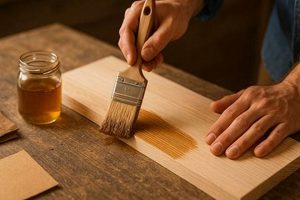
The correct technique varies depending on the type of finish being applied. Oil-based stains typically require thin, even coats to allow for proper penetration. Thick applications may result in a sticky, uncured surface. Paints, on the other hand, often require multiple coats to achieve adequate coverage and durability. The use of appropriate tools, such as brushes, rollers, or sprayers, also impacts the final result. Brushes are often preferred for detailed work and controlling the amount of product applied, while sprayers are suitable for large, flat surfaces, provided proper masking and ventilation are employed. Real-world application examples include decks, fences, and siding, which showcase this aspects application, importance, and benefits.
Ultimately, mastering the appropriate application technique is paramount to achieving lasting protection and aesthetic appeal when finishing outdoor wood. Ignoring this factor can negate the benefits of premium products and lead to premature failure, necessitating costly repairs or replacements. Attention to detail and adherence to manufacturer’s instructions are essential for maximizing the return on investment in exterior wood finishing projects. Consistent application across surface materials, including the woods texture and edges, results in effective protection and longer lasting visual quality.
4. Environmental Factors

Environmental factors exert a profound influence on the performance and longevity of exterior wood finishes. Exposure to ultraviolet (UV) radiation, moisture, temperature fluctuations, and biological agents directly challenges the integrity of these protective coatings. UV radiation degrades lignin, the structural component of wood, leading to surface discoloration and embrittlement. Moisture, in the form of rain, humidity, or condensation, promotes fungal growth and wood decay, causing structural weakening and aesthetic degradation. Temperature fluctuations induce expansion and contraction of the wood, stressing the finish and leading to cracking and peeling. The presence of insects, such as termites and carpenter bees, further compromises the wood’s structural integrity.
The selection of appropriate finishes must therefore consider these environmental stressors. For example, structures located in coastal regions with high salt content require finishes with enhanced moisture resistance and anti-corrosive properties. In arid climates with intense sunlight, finishes containing UV inhibitors are essential to prevent photodegradation. Proper surface preparation is crucial, as contaminants can exacerbate the effects of environmental factors. Regular maintenance, including cleaning and reapplication of the finish, extends the protective lifespan. Failing to account for these factors results in premature failure of the finish and accelerated wood degradation. Examples of outdoor materials which require maintenance and care include decks, sidings, and any form of wooden furniture. Each of these requires proper coating to ensure effective maintenance and protection.
In conclusion, environmental factors represent a critical consideration in the selection, application, and maintenance of exterior wood finishes. Understanding these influences and implementing appropriate protective measures is essential for preserving the structural integrity and aesthetic appeal of outdoor wood structures. Ignoring these factors compromises the longevity and performance of the finish, resulting in costly repairs and diminished value. Consistent monitoring and adaptation of finishing strategies based on prevailing environmental conditions are necessary for sustained protection.
5. Maintenance Schedule

A structured maintenance schedule is fundamental to preserving the integrity and appearance of exterior wood finishes. Its absence precipitates premature degradation, necessitating costly repairs or replacements. A proactive approach, guided by a well-defined maintenance schedule, ensures the longevity of the protective coating and the underlying wood substrate.
- Regular Cleaning
Periodic cleaning removes accumulated dirt, debris, and biological growth that can compromise the finish. Mold, mildew, and algae, if left unchecked, will penetrate the protective layer, fostering decay and discoloration. Mild soap and water solutions, coupled with gentle scrubbing, effectively eliminate these contaminants. The frequency of cleaning depends on the environmental conditions, with areas prone to high humidity or heavy pollution requiring more frequent attention. Neglecting this aspect allows harmful substances to degrade the finish and the wood beneath, leading to accelerated deterioration.
- Inspection for Damage
Regular inspection allows for the early detection of damage to the finish, such as cracks, peeling, or fading. Addressing these issues promptly prevents further degradation and minimizes the need for extensive repairs. Careful observation of the wood surface reveals signs of water intrusion, insect activity, or mechanical damage. Identifying these problems early allows for targeted intervention, such as spot repairs or reapplication of the finish to affected areas. Postponing these inspections enables minor damage to escalate into more significant problems, compromising the structural integrity of the wood and necessitating more costly interventions.
- Reapplication of Finish
Periodic reapplication of the finish replenishes the protective layer, compensating for wear and tear caused by environmental factors. Over time, exposure to UV radiation, moisture, and temperature fluctuations degrades the finish, reducing its effectiveness. Reapplication of the finish restores the protective barrier, extending the lifespan of the wood and maintaining its aesthetic appeal. The frequency of reapplication varies depending on the type of finish, the environmental conditions, and the level of exposure to sunlight and moisture. Delaying reapplication allows the wood to become vulnerable to damage, increasing the risk of decay and structural failure.
- Addressing Problem Areas
Specific areas of the wood structure may require more frequent attention due to localized environmental stressors. Horizontal surfaces, such as decks and railings, are more susceptible to water accumulation and UV exposure than vertical surfaces. Areas prone to standing water or shaded from direct sunlight may experience increased fungal growth. Tailoring the maintenance schedule to address these problem areas ensures comprehensive protection and prevents localized degradation. Neglecting these vulnerable areas leads to uneven deterioration and compromised structural integrity.
In summary, integrating a detailed maintenance schedule is critical for ensuring optimal performance and longevity in outdoor wood structures. Regular cleaning, damage inspections, finish reapplication, and focus on problem areas work collectively to minimize the negative impact of environmental forces on wood, so following these tips are an effective method for proper wood maintenence schedule. These measures directly contribute to preserving the structural integrity and aesthetic appeal of wood structures, offering a significant return on investment through reduced repair costs and extended lifespan.
6. Wood Species

The selection of wood species critically dictates the success of finishing outdoor wood. Different species exhibit varying degrees of natural resistance to decay, insect infestation, and moisture absorption. These inherent characteristics directly influence the choice of appropriate finishes and the required maintenance schedule. For instance, hardwoods such as teak and ipe possess high densities and natural oils that render them exceptionally resistant to weathering, necessitating specialized oil-based finishes rather than water-based coatings that may not penetrate effectively. Conversely, softwoods like pine, while more affordable, require pressure treatment with preservatives and a robust paint system to withstand environmental exposure. The interplay between wood species and finish type determines the long-term performance and aesthetic appeal of outdoor structures.
Practical applications highlight the significance of this understanding. A cedar deck, known for its natural resistance to decay, may benefit from a clear sealant to preserve its color and grain while providing protection against UV radiation. Conversely, a pressure-treated pine fence requires a stain or paint that offers both moisture protection and UV resistance to prevent warping, cracking, and fading. Failure to account for the specific properties of the wood species can result in premature failure of the finish, leading to costly repairs and diminished structural integrity. The improper selection might include painting Redwood with an acrylic latex paint; Redwood contains extractives which can cause issues with adhesion and an oil-based priming is preferable.
In summary, the wood species serves as a foundational determinant in the realm of finishing outdoor wood. Its inherent properties necessitate careful consideration when selecting finishes and designing maintenance plans. By recognizing the unique characteristics of different wood species and tailoring finishing strategies accordingly, one can maximize the longevity, durability, and aesthetic value of outdoor wood structures. Neglecting this critical aspect often results in compromised performance and increased long-term costs. Therefor, a greater understanding of the woods species and how that related to outdoor finishing materials helps ensure the correct match is selected for maximum benefit.
Frequently Asked Questions
The following addresses common inquiries regarding the preservation and enhancement of exterior wood surfaces. The information provided aims to clarify best practices and mitigate potential issues.
Question 1: What constitutes the most crucial aspect of preparing wood for an exterior finish?
Surface preparation is paramount. Removal of contaminants, such as dirt, mildew, and loose fibers, ensures proper adhesion and optimal performance of the applied coating.
Question 2: How does wood species impact the selection of appropriate exterior finishes?
Wood species exhibit varying degrees of natural resistance to decay and insect infestation. This necessitates tailored finishing strategies to maximize longevity and aesthetic appeal. Hardwoods may require different approaches compared to softwoods.
Question 3: What are the primary environmental factors that degrade exterior wood finishes?
Ultraviolet (UV) radiation, moisture, temperature fluctuations, and biological agents pose significant threats to exterior wood. Selecting finishes that mitigate these stressors is essential for prolonged protection.
Question 4: How frequently should exterior wood finishes be maintained?
Maintenance frequency depends on the type of finish, environmental conditions, and level of exposure. Regular cleaning, inspection, and reapplication of the finish are crucial for preserving its protective qualities.
Question 5: What are the advantages and disadvantages of oil-based versus water-based exterior wood finishes?
Oil-based finishes often provide superior penetration and water resistance, while water-based finishes offer easier cleanup and lower volatile organic compound (VOC) emissions. The choice depends on specific project requirements and environmental considerations.
Question 6: Is it necessary to apply multiple coats of exterior wood finish?
Multiple thin coats are generally preferable to a single thick coat. Multiple coats provide more comprehensive protection and minimize the risk of drips, runs, and uneven coverage.
The answers to these FAQs provide a foundation for understanding the critical elements involved in successful exterior wood finishing. Employing best practices ensures prolonged protection and enhances the aesthetic value of wooden structures.
The subsequent section will explore advanced techniques and specialized products for enhancing the durability and aesthetic appeal of exterior wood.
Finishing Outdoor Wood
This exploration has underscored the multifaceted nature of finishing outdoor wood. Surface preparation, product selection, application technique, environmental factors, maintenance schedules, and wood species characteristics converge to determine the long-term viability and aesthetic quality of exterior wood structures. A comprehensive understanding of these elements enables informed decision-making and promotes responsible stewardship of valuable resources.
Effective preservation demands diligence and a commitment to established best practices. Prioritizing careful planning and execution safeguards wood against the relentless forces of nature, ensuring lasting beauty and structural integrity. Adherence to these principles represents an investment in sustainability and a testament to the enduring appeal of well-maintained wood.