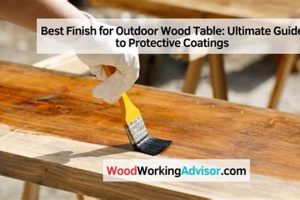
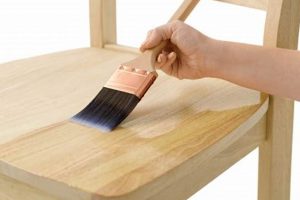
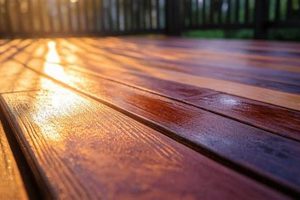
A liquid coating, easily applied with a cloth, protects and enhances wooden surfaces. This application method allows for thin, even coats, ideal for highlighting the wood’s natural grain. Examples include thinned varnishes, polyurethanes, and oil-based sealants specifically formulated for simple application.
Its significance lies in its ease of use, even for those with minimal experience, resulting in a smooth and durable layer. This method minimizes brush strokes and drips. Traditionally, craftsmen have utilized thinned shellacs and oils to achieve a similar effect, albeit with varying degrees of durability. This approach offers a protective barrier against moisture, scratches, and UV damage, prolonging the lifespan and aesthetic appeal of wooden items.
The following sections will delve into the specific types available, their respective applications, preparation techniques for optimal results, and maintenance practices to ensure lasting protection and beauty.
Application Best Practices
Optimal results from surface coatings on wood are achieved through careful technique and attention to detail. The following tips will enhance the appearance and durability of the protective layer.
Tip 1: Surface Preparation is Crucial: Ensure the wood is clean, dry, and free from dust, grease, or previous finishes. Sanding to the appropriate grit level (typically between 220 and 320) creates a smooth, receptive surface, maximizing adhesion.
Tip 2: Thin Coats are Preferable: Multiple thin applications are superior to a single thick coat. This technique prevents drips, runs, and uneven drying, leading to a more consistent and visually appealing result. Allow sufficient drying time between coats as specified by the product manufacturer.
Tip 3: Use a Lint-Free Application Cloth: Employ a clean, lint-free cloth, such as cheesecloth or a microfiber cloth, to apply the coating. This prevents fibers from being embedded in the wet layer, which would compromise the smooth finish.
Tip 4: Apply with the Grain: Working along the wood grain ensures even distribution and minimizes the visibility of any imperfections in the application. Overlapping strokes slightly helps to blend each pass seamlessly.
Tip 5: Consider Environmental Factors: Application in a well-ventilated area is critical to minimize exposure to fumes and ensure proper drying. Avoid application in direct sunlight or high humidity, as these conditions can negatively affect the curing process.
Tip 6: Proper Disposal of Materials: Dispose of used cloths properly according to local regulations. Oily rags can spontaneously combust, so they should be stored in a sealed, water-filled metal container or laid flat to dry completely before disposal.
Following these guidelines will promote a professional-looking and lasting protective barrier on wooden surfaces, improving both its function and appearance.
The next section explores maintenance procedures to ensure the prolonged beauty and effectiveness of the protective coating.
1. Application Method

The application method is intrinsically linked to the success of achieving a desirable and durable coating on wood using a wipe-on technique. The characteristics of this method directly influence the final outcome, affecting factors such as finish quality, penetration, and overall protection.
- Achieving Thin and Even Coats
The wipe-on application inherently promotes the application of thin and even coats. This contrasts with brushing or spraying, where achieving uniform thickness can be more challenging. Thin coats allow for better penetration into the wood’s pores, enhancing adhesion and minimizing the risk of runs or drips. This is particularly advantageous for intricate designs or vertical surfaces.
- Minimizing Brush Strokes and Imperfections
One primary benefit of the wipe-on method is the reduction or elimination of brush strokes. Brush marks are a common issue with traditional application techniques and require additional sanding to rectify. The wiping action blends the finish smoothly across the surface, resulting in a more refined appearance with less manual intervention.
- Controlling Finish Penetration and Build-Up
The wipe-on approach allows for greater control over finish penetration. The applicator can adjust the pressure and number of coats to achieve the desired level of saturation. This control is crucial for achieving both a robust protective layer and maintaining the natural texture and appearance of the wood. Excess buildup, which can obscure the grain, is also less likely with this method.
- Suitable Materials and Tools
The wipe-on process necessitates the use of specific materials and tools. Lint-free cloths, such as cheesecloth or microfiber, are essential for preventing fibers from being embedded in the finish. The compatibility of the chosen finish with the wiping method is also paramount; finishes formulated for wiping have modified viscosity to ensure even distribution and prevent premature drying.
In summary, the wipe-on application method fundamentally shapes the characteristics of the resulting finish. Its emphasis on thin coats, reduced imperfections, controlled penetration, and the use of suitable materials contributes significantly to the overall quality, durability, and aesthetic appeal of the coated wood surface. Selecting a finish designed for this application technique is essential to capitalize on these inherent advantages.
2. Durability Level

The correlation between the protective qualities achievable through a wipe-on application and the intended use of the wooden item is fundamental. The level of resistance to wear, moisture, and chemical exposure required directly dictates the appropriate finish formulation. For instance, surfaces subjected to frequent contact, such as tabletops or countertops, necessitate a more robust coating than decorative items with minimal physical interaction. The finish’s composition, specifically its resin and additive content, determines its ability to withstand these environmental factors and physical stresses.
Consider a wooden toy versus a hardwood floor. The toy, handled frequently and potentially subjected to moisture and abrasion, demands a durable finish like a polyurethane, offering substantial scratch and water resistance. Conversely, a decorative wooden bowl, primarily used for display, might benefit more from an oil-based application, which enhances the wood’s natural grain but provides less physical protection. The correct balance between aesthetic enhancement and protective capability is essential. A common challenge is selecting a finish that provides adequate protection without compromising the wood’s natural appearance or tactile qualities. Furthermore, the long-term maintenance requirements are significantly affected by the choice of finish and its inherent durability. Choosing a less durable finish may require more frequent reapplication, adding to the overall cost and effort.
Therefore, a thorough assessment of the environment the wooden item will inhabit and the stresses it will endure is critical in selecting the appropriate finish for wipe-on application. This informed decision will directly affect the longevity, maintenance needs, and overall satisfaction with the finished product. The durability level must align with the intended application to ensure optimal performance and preservation of the wood’s beauty and structural integrity.
3. Wood Species

The selection of wood species significantly influences the performance and appearance of any coating applied via a wipe-on method. Different woods possess unique characteristics affecting absorption rates, color, and overall aesthetic outcome. Understanding these properties is crucial for achieving optimal results.
- Pore Size and Density
The pore size and density of wood directly impact finish absorption. Open-grained woods, such as oak and ash, readily absorb coatings, often requiring multiple applications to achieve a uniform finish. Conversely, closed-grained woods, like maple and cherry, absorb less, potentially leading to a more superficial coating. Proper surface preparation, including sanding and the use of wood conditioners, can mitigate these differences. For open-grained species, a grain filler might be necessary to create a smooth, even surface prior to finish application.
- Natural Wood Color and Undertones
The natural color and undertones of wood significantly affect the final appearance. Lighter woods, like maple and birch, exhibit a more pronounced color shift when coated, while darker woods, such as walnut and mahogany, may mask the subtle nuances of certain finishes. Transparent or lightly tinted finishes are often preferred for preserving the wood’s inherent beauty. When using a tinted application, testing on a sample area is essential to ensure the desired color is achieved without obscuring the grain.
- Resin and Oil Content
Certain wood species, particularly those classified as exotic hardwoods, contain high levels of natural oils and resins. These substances can interfere with the adhesion and drying of some coatings, leading to inconsistent results. Prior to application, it may be necessary to degrease the wood surface with appropriate solvents to ensure proper bonding. Compatibility between the chosen coating and the specific wood species is a critical consideration, often necessitating a trial application.
- Wood Hardness and Stability
The hardness and stability of wood influence the durability and longevity of the coating. Softer woods are more susceptible to scratches and dents, potentially requiring a more robust protective finish. Unstable woods prone to expansion and contraction may cause the finish to crack or delaminate over time. Selecting a flexible coating and employing proper wood acclimation techniques can minimize these issues.
In conclusion, the selection of an appropriate wood species in conjunction with a compatible finish is paramount for achieving a durable and aesthetically pleasing result with a wipe-on application. Factors such as pore size, color, resin content, hardness, and stability must be carefully considered to ensure optimal finish performance and preservation of the wood’s inherent characteristics. Experimentation and thorough preparation are vital steps in this process.
4. Finish Type

The category of protective coatings profoundly impacts the final appearance, durability, and ease of application in conjunction with the wipe-on method for wood finishing. The inherent properties of each finish type dictate its suitability for various wood species, applications, and desired aesthetic outcomes.
- Oil-Based Finishes
Oil-based coatings, such as linseed and tung oil, penetrate the wood fibers, emphasizing the grain and providing a warm, natural appearance. These finishes offer minimal surface protection against scratches and moisture, making them suitable for low-traffic items. For instance, a wooden display case might benefit from the aesthetic enhancement of an oil-based coating, whereas a frequently used tabletop would require a more durable option. The slow curing time and potential for yellowing are notable considerations.
- Water-Based Finishes
Water-based coatings, typically acrylic or polyurethane formulations, provide a durable, clear finish with low odor and VOC emissions. They dry quickly and resist yellowing, making them suitable for light-colored woods and projects where a clear, protective layer is desired. An example would be a child’s wooden toy, where safety and durability are paramount. While offering good scratch resistance, water-based coatings may raise the grain of the wood, requiring additional sanding between coats.
- Solvent-Based Finishes
Solvent-based coatings, including varnishes and lacquers, offer exceptional durability and resistance to chemicals and abrasion. These finishes are often preferred for high-traffic areas and furniture that requires a robust protective layer. For example, a bar top would benefit from the chemical resistance and durability of a solvent-based application. However, solvent-based finishes typically have strong odors and require proper ventilation during application.
- Hybrid Finishes
Hybrid coatings combine the properties of different finish types to achieve specific performance characteristics. For example, an oil-modified polyurethane blends the penetrating qualities of an oil finish with the durability of polyurethane. This type of finish might be suitable for a wooden floor, offering both aesthetic enhancement and adequate protection. Hybrid coatings allow for customization of finish properties to meet the demands of particular projects.
In summary, the selection of the appropriate finish type is crucial for maximizing the benefits of the wipe-on application method. Considerations such as desired appearance, durability requirements, wood species, and environmental factors must be carefully evaluated to ensure a successful and long-lasting result. The interaction between these factors dictates the overall performance and aesthetic quality of the finished wood surface.
5. Drying Time
The duration required for a surface coating to fully cure is a critical factor in any woodworking project employing a wipe-on application. Drying time significantly impacts project timelines, the number of coats that can be applied within a given period, and the overall quality and durability of the completed finish.
- Environmental Factors and Cure Rate
Ambient temperature, humidity, and air circulation directly influence the evaporation rate of solvents within a finish. Elevated temperatures and low humidity generally accelerate drying, while cooler temperatures and high humidity retard it. Inadequate ventilation can trap solvent vapors, prolonging the drying process and potentially leading to an uneven or compromised finish. A controlled environment is therefore essential for predictable results and consistent finish quality. For example, a finish that might cure in 6 hours under ideal conditions could take 12 or more in a humid, poorly ventilated space. This directly affects the project’s workflow and the potential for imperfections arising from premature handling.
- Finish Composition and Volatile Content
The chemical composition of the coating dictates its inherent drying characteristics. Oil-based coatings, for instance, typically require longer drying periods compared to water-based or solvent-based formulations. The volatile organic compound (VOC) content also plays a crucial role, with finishes containing higher VOC levels often exhibiting faster initial drying times. However, these faster-drying finishes may also release more fumes and require greater safety precautions. Selecting a coating with appropriate drying properties is essential, balancing speed with safety and environmental considerations. The manufacturer’s specifications regarding drying time should be carefully observed and adhered to.
- Coat Thickness and Drying Uniformity
The wipe-on method is inherently suited to applying thin coats, which dry more rapidly and evenly than thicker applications. Excessive application leads to prolonged drying times, increasing the risk of trapped solvents and an uneven or tacky surface. The recommended number of coats and the specified drying time between coats must be strictly followed to ensure proper curing and adhesion. Applying subsequent coats before the previous coat is fully dry can result in a compromised finish that is susceptible to cracking, peeling, or other forms of degradation. Proper application technique and adherence to drying guidelines are therefore paramount.
- Impact on Project Timeline and Handling
Drying time has a direct impact on the overall project timeline and the point at which the finished item can be safely handled and put into service. Premature handling can result in surface damage, fingerprints, or other imperfections that detract from the final appearance. Planning the project to accommodate the specified drying times for each coat is essential to avoid delays or compromises in quality. The use of fast-drying finishes can accelerate the process but may also require more careful application to avoid issues such as brush marks or uneven coverage. Patience and adherence to recommended drying times are ultimately crucial for achieving a professional-looking and durable finish.
In summary, drying time is an inextricably linked parameter to the utilization of wood finishes applied via wiping. Controlling environmental influences, understanding the finish’s composition, applying thin coats, and respecting the established timeline are critical elements ensuring successful outcome and the preservation of wooden articles.
6. Sheen Level

Sheen level, in the context of coatings applied via wiping, refers to the degree to which a finished surface reflects light. This characteristic fundamentally influences the perceived appearance of the wood, affecting the visibility of grain patterns, color depth, and overall aesthetic appeal. The selection of a specific sheen is not merely a cosmetic choice but a critical decision that interacts with the wood species, the type of coating used, and the intended function of the finished item. A high-gloss coating on a frequently handled surface, for instance, might accentuate scratches and imperfections, while a matte or satin sheen could conceal these blemishes more effectively. Therefore, sheen level selection should align with both aesthetic preferences and practical considerations.
Coatings available for wipe-on application span a range of sheen levels, typically categorized as matte, satin, semi-gloss, and gloss. A matte application exhibits minimal light reflection, offering a natural, subdued appearance that emphasizes the wood’s texture. Satin applications provide a moderate level of reflectivity, striking a balance between aesthetics and practicality. Semi-gloss and gloss coatings reflect a significant amount of light, creating a shiny, reflective surface. For example, a matte sheen might be preferred for antique furniture to maintain a vintage aesthetic, while a gloss application might be chosen for a modern kitchen cabinet to enhance its visual impact and ease of cleaning. Furthermore, the chosen sheen level can impact the perceived color of the wood. Glossier sheens tend to darken the wood, while matte sheens preserve the wood’s original color tones more accurately.
Ultimately, the choice of sheen level is an integral component of the finishing process. The selection affects both the functional and aesthetic aspects of the finished wood surface. A thorough understanding of how different sheens interact with various wood species and coating types is essential for achieving the desired outcome. Careful consideration of the intended use, the environmental conditions to which the finished item will be exposed, and the desired aesthetic is critical for selecting the optimal sheen level. Balancing these factors ensures that the wipe-on application not only protects the wood but also enhances its inherent beauty and longevity.
7. Surface Prep
Adequate preparation of the wood surface is inextricably linked to the successful application and performance of coatings applied via a wipe-on method. The quality and longevity of the resulting coating are directly dependent on the meticulousness of the preparation process. Failure to properly prepare the surface can compromise adhesion, uniformity, and the overall aesthetic outcome.
- Cleaning and Degreasing
The removal of contaminants such as dust, grease, wax, and fingerprints is paramount prior to coating application. These substances inhibit proper adhesion and can lead to imperfections in the finished surface. Solvents like mineral spirits or denatured alcohol are commonly employed for degreasing, followed by thorough wiping with a clean, lint-free cloth. For instance, residue from handling or previous coatings must be completely removed to prevent uneven absorption and finish defects. Neglecting this step can result in fisheyes or areas where the coating fails to adhere correctly.
- Sanding and Smoothing
Sanding creates a smooth, uniform surface that promotes even coating absorption and adhesion. The grade of sandpaper used depends on the wood species and the existing surface condition, typically ranging from 120-grit for initial leveling to 320-grit for final smoothing. Sanding with the grain is essential to avoid cross-grain scratches. For example, rough-sawn lumber requires more aggressive sanding than pre-finished surfaces. Inadequate sanding can result in a rough or uneven finish, while excessive sanding can damage delicate veneers or alter the wood’s profile.
- Raising the Grain
Water-based coatings can raise the grain of the wood, creating a rough texture. To mitigate this, the wood surface should be dampened with water and allowed to dry completely before final sanding. This process raises the grain, which is then removed through sanding, resulting in a smoother surface after the coating is applied. This step is particularly important for achieving a glass-smooth finish with water-based applications. Failing to raise the grain can lead to a textured surface that detracts from the overall appearance.
- Wood Conditioning
Applying a wood conditioner prior to coating application helps to control absorption rates, particularly in porous woods. Conditioners seal the wood pores, preventing the finish from soaking in unevenly and creating blotchy or inconsistent coloring. This step is particularly beneficial for softwoods like pine, which are prone to uneven absorption. For instance, without conditioning, a stain applied to pine might appear darker in some areas than others. Conditioning ensures a more uniform color and enhances the overall aesthetic appeal.
In summary, meticulous surface preparation is not merely a preliminary step but an integral component of the wipe-on application. Each stepcleaning, sanding, raising the grain, and conditioningcontributes directly to the final quality and longevity of the coating. The time and effort invested in proper preparation are rewarded with a smoother, more uniform, and more durable finish that enhances the natural beauty of the wood.
Frequently Asked Questions
This section addresses common inquiries regarding the application of protective coatings to wooden surfaces through a wipe-on method. The information provided aims to clarify procedures and address potential issues.
Question 1: How does the wipe-on method compare to brush application in terms of achieving a smooth finish?
The wipe-on technique generally results in a smoother surface. The application of thin, even coats minimizes brush strokes, a common problem associated with traditional brushing techniques. This method requires fewer post-application adjustments to achieve a level surface.
Question 2: What safety precautions should be taken during wipe-on application?
Adequate ventilation is crucial to minimize exposure to potentially harmful vapors. The use of appropriate personal protective equipment, such as gloves and respirators, is recommended. Furthermore, proper disposal of used applicators, especially those soaked with oil-based coatings, is essential to prevent spontaneous combustion.
Question 3: Is surface preparation different for a wipe-on finish compared to other application methods?
No, surface preparation remains critical regardless of the application method. Cleaning, sanding, and, when appropriate, applying a wood conditioner are essential steps for ensuring proper adhesion and a uniform finish. The specifics of surface preparation depend more on the type of wood and existing surface condition than on the chosen application technique.
Question 4: How does one address imperfections, such as dust particles, in the finish?
Minor imperfections can often be addressed through light sanding with fine-grit sandpaper (e.g., 400-grit or higher) after the coating has fully cured. Subsequent re-application may be necessary to restore the finish’s integrity. It is crucial to remove dust particles meticulously before each application to minimize the recurrence of this issue.
Question 5: What factors affect the drying time?
Drying time is influenced by environmental conditions, particularly temperature, humidity, and air circulation. Higher temperatures and lower humidity typically accelerate drying. Additionally, the composition of the coating itself plays a significant role, with some formulations drying faster than others. The manufacturer’s recommendations should always be consulted regarding drying times.
Question 6: Can the wipe-on method be used with all types of wood?
The wipe-on method is generally applicable to all wood types. However, adjustments may be necessary depending on the wood’s porosity and oil content. Open-grained woods may require multiple applications to achieve adequate coverage, while oily woods may necessitate degreasing prior to application.
In summary, the wipe-on method offers several advantages in achieving a smooth and durable protective layer on wood. Success requires careful adherence to safety guidelines, proper surface preparation, and attention to environmental factors influencing drying time.
The following section will present a concise summary of the information covered, emphasizing the key benefits and considerations associated with its application.
Conclusion
This exploration of the application of wipe on finish for wood highlights its utility in providing a protective and aesthetically pleasing coating to wooden surfaces. The method’s inherent advantages, including ease of use, reduced application errors, and enhanced finish control, position it as a viable option for both novice and experienced woodworkers. The success of this application is contingent upon diligent surface preparation, informed selection of coating type, and careful consideration of environmental factors. Furthermore, adherence to safety precautions during application and disposal is crucial for ensuring a safe working environment.
Properly executed, the utilization of wipe on finish for wood preserves and enhances the inherent beauty and integrity of wooden articles. The knowledge presented encourages informed decision-making and skilled execution, maximizing the potential for successful and long-lasting outcomes. Continued adherence to best practices and exploration of advanced techniques will further refine and elevate the results achieved through this application.