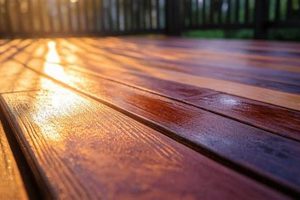
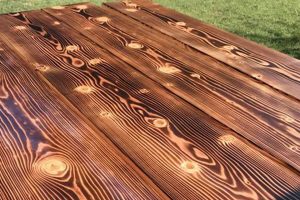
The process of removing existing coatings from wooden surfaces, be they paint, varnish, or other sealants, is essential for restoration and refinishing. This surface preparation technique allows for the application of new treatments, revealing the original wood grain and character. An example would be taking an antique dresser with layers of old paint back to its natural wood appearance.
Undertaking such a process enables better adhesion for subsequent finishes, ensuring longevity and aesthetic appeal. Furthermore, it offers an opportunity to repair any underlying damage to the wood that may have been hidden by previous coatings. Historically, removing old coatings was a laborious task, but modern chemical strippers and techniques have greatly simplified the procedure.
The subsequent sections will outline various methods employed to accomplish this task, including chemical applications, heat treatments, and mechanical abrasion. Each method presents unique considerations regarding safety, efficiency, and suitability for different wood types and existing coating compositions. Detailed instructions and best practices will be provided for each approach.
Essential Considerations for Coating Removal
Successful coating removal from wood requires careful planning and execution. The following tips offer guidance for achieving optimal results.
Tip 1: Safety First. Prioritize personal protection. Chemical strippers can be caustic, and sanding creates dust particles. Always wear appropriate gloves, eye protection, and respiratory protection.
Tip 2: Identify the Coating. Different finishes respond best to different removal methods. Understanding if the coating is oil-based, water-based, or a specialized product can inform the selection of the appropriate stripping agent or technique.
Tip 3: Test a Small Area. Before applying a stripping agent to the entire surface, test it in an inconspicuous area. This determines the efficacy of the stripper and potential damage to the wood. Observe the effect on both the coating and the wood substrate.
Tip 4: Multiple Applications May Be Necessary. Thick or multiple layers of finish may necessitate multiple applications of a chemical stripper. Allow each application to dwell for the recommended time before removal.
Tip 5: Neutralize the Wood. After using a chemical stripper, neutralize the wood surface according to the stripper manufacturer’s instructions. This prevents interference with subsequent finishing products.
Tip 6: Exercise Caution with Heat Guns. While heat guns can be effective, excessive heat can scorch or warp the wood. Maintain a consistent distance and movement to avoid damage.
Tip 7: Consider Mechanical Abrasion Carefully. Sanding can be effective, but it can also damage the wood if not done correctly. Use appropriate grit sandpaper and avoid excessive pressure. Hand sanding is often preferable to power sanding for delicate work.
Proper removal of existing coatings provides a clean slate for refinishing, leading to a more durable and aesthetically pleasing final product. Failure to adhere to these recommendations may yield suboptimal results or even damage the wood.
The next section will detail specific refinishing techniques following effective coating removal.
1. Preparation

The successful removal of coatings from wood is intrinsically linked to meticulous workspace and material preparation. The undertaking necessitates a dedicated, well-ventilated area to mitigate the risks associated with chemical strippers or the dispersion of dust particles generated during mechanical abrasion. Adequate ventilation is paramount to prevent the inhalation of potentially harmful fumes, safeguarding respiratory health. The workspace should be covered with protective sheeting, such as drop cloths or plastic, to prevent damage to surrounding surfaces from spills or debris. This pre-emptive measure minimizes cleanup time and prevents potential staining or corrosion.
Material selection is equally crucial. The choice of stripping agent, whether chemical or mechanical, is directly dictated by the type of finish being removed. For instance, shellac responds well to denatured alcohol, while polyurethane typically requires a stronger chemical stripper containing methylene chloride. Furthermore, the availability of appropriate tools scrapers, brushes, steel wool, sandpaper facilitates efficient and controlled removal. A lack of proper tools can lead to inefficient progress, increased risk of damage to the wood, and a compromised final result. For example, attempting to remove a stubborn varnish with insufficient scraping tools may gouge the wood surface, necessitating additional repairs.
In conclusion, adequate preparation of the workspace and careful selection of materials are not merely preliminary steps but integral components of the process. This phase significantly affects the efficiency, safety, and ultimate quality of the coating removal endeavor. Neglecting these aspects can lead to preventable complications, increased workload, and a diminished final aesthetic. Therefore, diligent adherence to preparation protocols is fundamental to achieving optimal results in coating removal.
2. Stripper
The efficacy of stripping coatings from wood is intrinsically linked to the method employed, primarily through chemical or mechanical means. Chemical strippers, comprised of solvents designed to dissolve or soften finishes, present an alternative to physical abrasion. The selection between these two depends on the nature of the finish, the type of wood, and the desired outcome. Chemical strippers are particularly useful when dealing with intricate carvings or veneers where mechanical abrasion poses a risk of damage. For example, removing paint from an antique chair with delicate details is often best accomplished using a chemical stripper to avoid altering the wood’s original form. Mechanical stripping, conversely, involves physically removing the coating through sanding, scraping, or other abrasive techniques. This method is frequently preferred for thicker finishes or when chemical usage is undesirable due to environmental concerns or the presence of hazardous materials. The impact of each method dictates the degree of wood surface preservation or potential alteration.
The improper application of either method can lead to adverse effects. Over-aggressive mechanical stripping, such as using coarse-grit sandpaper, can irreversibly damage the wood surface, removing detail and potentially altering its dimensions. Similarly, the incorrect or prolonged use of chemical strippers can result in wood discoloration, softening of adhesives, or even chemical residue affecting subsequent finishes. Consider a situation where an inexperienced individual attempts to sand away multiple layers of varnish from a tabletop using a power sander; the result may be an uneven surface requiring extensive repair. The understanding of the cause-and-effect relationship between stripper choice and potential outcomes is, therefore, a cornerstone of proper wood restoration.
In summation, the decision to employ chemical versus mechanical stripping techniques is not arbitrary but rather a calculated choice based on a multitude of factors. Recognizing the advantages and disadvantages of each method, coupled with a thorough assessment of the wood and finish in question, is essential for a successful restoration. The mastery of both approaches enables the craftsman to make informed decisions, achieving the desired outcome while preserving the integrity of the wooden substrate. The effectiveness of either method relies on understanding potential challenges and adjusting the approach as needed.
3. Application

The successful removal of existing coatings from wooden surfaces hinges critically on the application method and dwell time of stripping agents. These parameters directly influence the efficacy of the stripping process and the potential for damage to the wood substrate. Therefore, understanding their interconnectedness is paramount for achieving desired outcomes.
- Brush Application and Even Coating
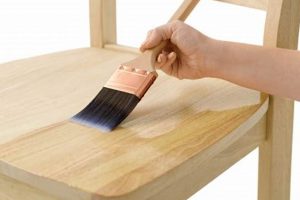
The application method, typically involving a brush or spray, dictates the uniformity of the stripping agent’s distribution across the surface. Uneven application leads to inconsistent softening of the coating, resulting in difficulties during removal and potential damage to areas where the stripper is either too concentrated or too sparse. For instance, applying a chemical stripper with a cheap brush may result in uneven coverage, leading to some areas requiring multiple applications while others are over-stripped. The quality of the application process directly impacts the efficiency and effectiveness of the stripping operation.
- Dwell Time and Finish Penetration
Dwell time, the duration a stripping agent remains in contact with the finish, is a crucial factor in facilitating penetration and breakdown. Insufficient dwell time may result in incomplete softening, requiring additional applications or increasing the effort needed for physical removal. Conversely, excessive dwell time can lead to damage, particularly with aggressive chemical strippers that may etch or discolor the wood surface. Consider the difference between stripping a thin layer of varnish (requiring a short dwell time) versus multiple layers of paint (necessitating a longer, possibly repeated, dwell time). The ideal dwell time is contingent on the coating type, thickness, and the specific properties of the stripping agent.
- Temperature and Dwell Time Correlation
Ambient temperature significantly affects the efficacy of chemical stripping agents. Higher temperatures generally accelerate the chemical reaction, reducing the required dwell time. Conversely, lower temperatures may necessitate extended dwell times to achieve the same level of finish softening. A practical example is stripping a piece of furniture in a warm garage versus in an unheated shed during winter. The temperature differential demands careful adjustment of the dwell time to optimize the stripping process and prevent damage. Ignoring the temperature’s influence can lead to either incomplete stripping or unwanted chemical reactions with the wood.
- Multiple Applications and Layered Finishes
When dealing with multiple layers of finish, a single application of stripping agent may prove insufficient. Multiple applications, each with its own dwell time, may be necessary to fully penetrate and soften all layers. This approach allows for controlled removal, minimizing the risk of damage to the underlying wood. An instance of this would be stripping an antique door with several coats of paint accumulated over decades. Each application targets a specific layer, preventing the stripper from overly affecting the wood beneath. The number of applications and their respective dwell times are directly proportional to the complexity and thickness of the existing finish.
In conclusion, the method of application and the duration of dwell time are inextricably linked to the successful removal of coatings from wood. These factors, influenced by considerations such as coating type, temperature, and the nature of the stripping agent, require careful consideration and precise execution. An understanding of these parameters is crucial for achieving optimal results, preventing damage to the wood, and ensuring a smooth transition to subsequent refinishing stages.
4. Removal
The task of coating removal from wood necessitates the use of specific tools designed to facilitate the process safely and effectively. These implements range from handheld devices to specialized equipment, each suited to particular finishes and wood types. Appropriate tool selection is crucial to prevent damage to the underlying wood while efficiently eliminating the existing coating.
- Scrapers: Precision and Control
Scrapers, available in various shapes and sizes, offer precise control in removing softened finishes. These tools, when properly sharpened, allow for the delicate lifting of coatings without gouging the wood. For instance, a cabinet scraper is useful for removing old varnish from flat surfaces, while a profiled scraper can access intricate details on carved woodwork. The effectiveness of a scraper hinges on its sharpness and the user’s technique in maintaining a consistent angle and pressure.
- Chemical-Resistant Brushes and Applicators: Safe Application
The application of chemical strippers requires brushes and applicators specifically designed to withstand the corrosive nature of these substances. Natural bristle brushes may degrade or dissolve when exposed to certain solvents, necessitating the use of synthetic alternatives. Furthermore, specialized applicators, such as pump sprayers, can provide uniform coating distribution, minimizing waste and maximizing the stripper’s effectiveness. The selection of appropriate brushes and applicators ensures both user safety and optimal stripping performance.
- Heat Guns: Controlled Heating
Heat guns, when used judiciously, can soften finishes for easier removal by scraping. However, excessive heat can scorch or warp the wood. Therefore, heat guns equipped with variable temperature settings and nozzles designed to diffuse heat are essential for controlled application. For example, a heat gun with a reflector nozzle can be used to remove paint from molding, directing heat evenly without overheating localized areas. Proper technique involves maintaining a constant distance and motion to prevent damage.
- Abrasive Pads and Steel Wool: Gentle Removal
Abrasive pads and steel wool provide a means of gently removing softened finishes and residual debris. These materials are available in various grades, allowing for controlled abrasion without aggressively altering the wood surface. Fine-grade steel wool, for instance, can be used to remove the last traces of varnish after chemical stripping, leaving a smooth surface ready for refinishing. The use of lubricants, such as mineral spirits, can further minimize scratching and facilitate smoother removal.
In conclusion, the selection and application of safe and effective tools are integral to the successful removal of coatings from wood. Each tool serves a specific purpose, and its proper utilization ensures both efficiency and the preservation of the wood’s integrity. The combination of appropriate tool selection and skilled technique is paramount to achieving optimal results in the coating removal process, paving the way for subsequent refinishing.
5. Neutralization

Following the removal of existing coatings from wood, the process of neutralization becomes crucial for preparing the surface to receive subsequent finishes. Residual stripping agents, if left unaddressed, can compromise the adhesion, appearance, and longevity of new coatings. The concept of surface readiness encompasses the elimination of these residues to ensure optimal bonding and compatibility.
- pH Balance Restoration
Many chemical strippers are either acidic or alkaline, altering the wood’s natural pH. Restoring the pH balance is critical because an imbalanced pH can interfere with the curing process of certain finishes or cause discoloration. For example, if an alkaline stripper is used and not properly neutralized, an oil-based stain may not penetrate evenly, leading to blotchiness. pH restoration is typically achieved using specialized neutralizing solutions or diluted acids like vinegar.
- Removal of Chemical Residue
Even after rinsing, microscopic amounts of chemical strippers can remain embedded in the wood grain. These residues may prevent the proper adhesion of new coatings or cause them to fail prematurely. Solvents such as mineral spirits or denatured alcohol are often employed to further clean the surface and remove any lingering chemical traces. This step is particularly important when using water-based finishes, which are more sensitive to contaminants.
- Drying and Moisture Content
Neutralization processes often involve the introduction of moisture to the wood. Allowing the wood to thoroughly dry and return to an appropriate moisture content is essential before applying new finishes. Excess moisture can cause swelling, warping, or blistering of the finish. The use of a moisture meter can help determine when the wood has reached an acceptable level of dryness, typically between 6% and 8% for interior applications.
- Surface Inspection and Preparation
Neutralization provides an opportunity for a thorough inspection of the wood surface. Any remaining imperfections, such as raised grain or minor damage, can be addressed at this stage. Light sanding with fine-grit sandpaper is often used to smooth the surface and create a better profile for the new finish to adhere to. This final preparation ensures a uniform and aesthetically pleasing result.
In summary, the neutralization stage is an indispensable component of the process. By restoring pH balance, removing chemical residues, ensuring proper drying, and facilitating surface inspection, neutralization guarantees that the wood surface is fully prepared to receive subsequent finishes. The adherence to these processes directly impacts the long-term performance and visual appeal of the finished piece, exemplifying the value of proper surface readiness following coating removal.
Frequently Asked Questions
The following questions address common inquiries and concerns related to the process of removing existing coatings from wooden surfaces. The intent is to provide clarity and guidance based on established practices and principles.
Question 1: Is sanding alone sufficient for removing all types of finishes?
Sanding can be effective for removing some finishes, particularly softer coatings or those that are already failing. However, sanding alone may not be sufficient for removing thick, resilient finishes such as polyurethane or epoxy. Aggressive sanding can also damage the wood surface, especially on veneers or delicate carvings. Chemical stripping or heat treatment may be necessary for complete and damage-free removal.
Question 2: What are the key safety precautions when using chemical strippers?
Chemical strippers often contain hazardous solvents that can cause skin and respiratory irritation. Adequate ventilation is essential to prevent the inhalation of fumes. The use of chemical-resistant gloves, eye protection, and a respirator is mandatory to protect against skin and respiratory exposure. Furthermore, chemical strippers should be stored in a secure location away from children and pets.
Question 3: Can heat guns damage wood during finish removal?
Yes, excessive heat can cause scorching, warping, or cracking of the wood. It is essential to use heat guns with variable temperature settings and to maintain a consistent distance and motion to avoid overheating localized areas. Directing heat on a single spot for too long can lead to irreversible damage, particularly on thin veneers or delicate components.
Question 4: How does the age of the finish affect the removal process?
Older finishes may have become brittle and easier to remove, but they may also contain lead or other hazardous materials. Appropriate testing and safety precautions are necessary when dealing with older finishes. Newer finishes, especially those containing advanced polymers, may be more resistant to chemical strippers and require multiple applications or more aggressive techniques.
Question 5: Is it necessary to neutralize wood after using a chemical stripper?
Neutralization is generally recommended, particularly when using alkaline or acidic chemical strippers. Residual stripper can interfere with the adhesion and curing of subsequent finishes. The appropriate neutralizing agent, as specified by the stripper manufacturer, should be used to restore the wood’s pH balance and remove any lingering chemical residues.
Question 6: How can one determine the type of finish on a piece of wood before attempting to remove it?
Determining the finish type can aid in selecting the appropriate removal method. A simple test involves applying a small amount of denatured alcohol to an inconspicuous area. If the finish dissolves or softens, it is likely shellac. Lacquer thinner can be used to test for lacquer. For other finishes, such as varnish or polyurethane, a solvent test may not be definitive, and a small, inconspicuous test area with a chemical stripper may be necessary.
The process of removing existing coatings from wood requires careful consideration of safety, material compatibility, and the specific characteristics of the wood and finish. Adherence to established practices and the use of appropriate tools and techniques are essential for achieving optimal results.
The next section will detail specific refinishing techniques following effective coating removal.
Conclusion
This document has comprehensively explored the procedures and considerations involved in the task of how to strip finish from wood. From preparatory measures and the selection of appropriate stripping agents to the crucial steps of application, removal, and surface neutralization, each aspect has been detailed to provide a thorough understanding of the process. Emphasis has been placed on safety protocols, material compatibility, and the specific nuances associated with different wood types and coating compositions.
The efficacy of restoring and refinishing wooden surfaces hinges on the diligent application of the knowledge presented. Accurate execution, informed decision-making, and meticulous attention to detail are essential to achieving a successful outcome. With careful planning and adherence to established best practices, optimal results can be obtained, ensuring the preservation and enhancement of wood’s natural beauty and structural integrity.