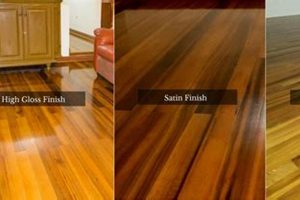
This type of engineered wood material consists of multiple layers of wood veneer bonded together with adhesive, topped with a pre-applied coating. The pre-applied coating provides a durable, aesthetically pleasing surface ready for installation. As an example, a birch plywood core with a factory-applied polyurethane finish represents one form of this flooring option.
Utilizing a pre-finished surface offers several advantages, including reduced installation time, consistent finish quality, and minimized on-site mess. Historically, unfinished plywood required sanding, staining, and sealing after installation, adding considerable labor and time to the project. This engineered wood product offers a streamlined alternative with improved dimensional stability compared to solid hardwood.
The subsequent sections will delve into the selection criteria, installation techniques, maintenance procedures, and comparative analysis concerning alternative flooring solutions for this particular building material. This information will provide a foundation for making informed decisions regarding its application in various settings.
Essential Guidance
The successful implementation of this type of flooring requires careful consideration of several key factors to ensure longevity and aesthetic appeal.
Tip 1: Subfloor Preparation: Prior to installation, ensure the subfloor is level, clean, and dry. Inadequate preparation can lead to unevenness and potential damage. Employ a self-leveling compound to rectify minor imperfections.
Tip 2: Acclimation: Allow the material to acclimate to the room’s temperature and humidity for at least 72 hours before installation. This prevents warping and expansion issues post-installation. Consult the manufacturer’s guidelines for specific acclimation periods.
Tip 3: Moisture Barrier: Always install a moisture barrier beneath the flooring, particularly in basements or over concrete slabs. This prevents moisture from seeping into the plywood, which can cause swelling and delamination.
Tip 4: Expansion Gaps: Maintain appropriate expansion gaps around the perimeter of the room and any fixed objects. These gaps accommodate natural expansion and contraction due to temperature and humidity changes, preventing buckling.
Tip 5: Adhesive Selection: Choose an adhesive specifically designed for wood flooring applications and suitable for the substrate. Using an inappropriate adhesive can result in bonding failures and costly repairs.
Tip 6: Proper Cutting Tools: Use sharp, fine-tooth blades when cutting the material to minimize splintering and achieve clean edges. Employ a circular saw or a miter saw for accurate cuts.
Tip 7: Consistent Installation Pattern: Maintain a consistent and aesthetically pleasing layout, staggering the seams appropriately. Irregular patterns can detract from the overall appearance.
Adhering to these guidelines will contribute significantly to a successful and durable installation, maximizing the lifespan and visual appeal.
The concluding section will summarize the primary advantages and disadvantages, offering a holistic perspective on its suitability for diverse applications.
1. Durability

The durability of finished plywood flooring is a primary consideration for its selection in both residential and commercial applications. Its ability to withstand wear, impact, and environmental factors directly impacts its lifespan and overall value. The integrated nature of the plywood core and the applied finish contribute to its performance characteristics.
- Finish Type
The type of finish applied dictates the floor’s resistance to scratches, stains, and abrasion. Polyurethane, acrylic, and UV-cured finishes are common choices, each offering varying levels of protection. For instance, a polyurethane finish provides excellent abrasion resistance, making it suitable for high-traffic areas. Inadequate finish selection results in premature wear and aesthetic degradation.
- Plywood Core Composition
The quality and construction of the plywood core beneath the finish layer significantly influence overall durability. Higher-grade plywood, characterized by more layers and fewer voids, provides greater structural integrity and resistance to impact damage. A poorly constructed core can lead to delamination or warping, undermining the finish’s protective capabilities.
- Moisture Resistance
The flooring’s ability to withstand moisture exposure is a critical factor in its long-term durability. Finishes specifically formulated for water resistance, combined with plywood treated to resist moisture absorption, are essential for installations in kitchens, bathrooms, or basements. Inadequate moisture protection promotes swelling, warping, and eventual degradation of the flooring.
- Maintenance Practices
Proper maintenance routines contribute significantly to the flooring’s sustained durability. Regular cleaning with appropriate cleaning agents, prompt spill cleanup, and the use of protective mats in high-traffic areas minimize wear and tear. Neglecting these practices accelerates deterioration and reduces the floor’s lifespan.
The durability of finished plywood flooring is not a singular attribute but rather a confluence of factors encompassing finish properties, core quality, moisture resistance, and maintenance protocols. A comprehensive understanding of these elements ensures informed product selection and maximizes the flooring’s longevity and sustained aesthetic appeal.
2. Installation

The installation process is a pivotal factor influencing the overall performance and longevity of this flooring option. Proper execution ensures structural integrity, aesthetic appeal, and prevents premature failures. Adherence to manufacturer guidelines and industry best practices is paramount.
- Subfloor Preparation
Subfloor preparation is the foundational step, demanding a clean, level, and dry surface. Irregularities or debris compromise the integrity of the installation, potentially leading to unevenness, squeaking, or premature wear. Moisture content must be within acceptable limits to prevent warping or delamination. Proper preparation may involve leveling compounds, sanding, or moisture remediation.
- Acclimation Period
The acclimation period, during which the flooring adjusts to the ambient temperature and humidity of the installation environment, is critical. Failure to acclimate results in dimensional changes post-installation, leading to gapping, buckling, or cupping. The duration of acclimation varies depending on the product specifications and environmental conditions. Storing the material in the intended space for a specified time allows it to equilibrate with the surrounding atmosphere.
- Attachment Method
The chosen attachment method, typically involving adhesives, fasteners, or a combination thereof, must be compatible with both the flooring and the subfloor. Inappropriate adhesive selection compromises the bond, potentially leading to movement or separation. Incorrect fastener spacing or type may cause damage to the flooring or the subfloor. The manufacturer’s recommendations should be strictly followed to ensure a secure and lasting connection.
- Expansion Gaps
The incorporation of expansion gaps around the perimeter of the room and at fixed obstructions is essential to accommodate natural expansion and contraction due to temperature and humidity fluctuations. Failure to provide adequate expansion gaps results in compressive forces that can cause buckling, peaking, or damage to adjacent walls. These gaps are typically concealed by baseboards or trim.
These four facets, when properly addressed, contribute significantly to a successful installation. Neglecting any of these steps can compromise the performance and longevity of this engineered flooring solution. Careful attention to detail and adherence to established guidelines are crucial for achieving a durable and aesthetically pleasing result.
3. Aesthetics

Aesthetics, the branch of philosophy dealing with the nature of beauty and taste, directly influences the perceived value and desirability of finished plywood flooring. The applied finish dictates color, texture, and sheen, affecting the overall visual appeal. Surface treatments can mimic natural wood grain patterns, providing a cost-effective alternative to solid hardwood. For example, a light-colored, matte-finished plywood can create a Scandinavian-inspired minimalist aesthetic, while a darker, high-gloss finish may evoke a more traditional or formal setting. The choice of finish significantly impacts the perceived room size, brightness, and overall ambiance.
Considerations for aesthetic selection extend beyond personal preference. The intended use of the space, lighting conditions, and surrounding decor must be taken into account. A flooring choice discordant with the overall design scheme detracts from the perceived value of the property. The ability of the finish to conceal imperfections, resist fading, and maintain its original appearance over time also contributes to long-term aesthetic satisfaction. Scratches and wear patterns on a poorly chosen finish can significantly diminish its visual appeal, necessitating costly repairs or replacement.
Ultimately, the successful integration of finished plywood flooring into a design relies on a holistic understanding of aesthetic principles. Selecting a finish that complements the architectural style, meets functional requirements, and stands the test of time is critical. The investment in a high-quality finish, thoughtfully chosen to enhance the visual environment, yields significant returns in terms of perceived value, user satisfaction, and overall design coherence. Challenges arise from the subjective nature of aesthetic preferences; thus, careful consideration and consultation with design professionals are often warranted.
4. Cost-Effectiveness

Evaluating the economic viability of flooring options necessitates a thorough assessment of initial investment, installation expenses, lifecycle maintenance, and potential replacement costs. Finished plywood flooring presents a compelling case for cost-effectiveness when considering these factors holistically.
- Initial Material Expense
The upfront cost of finished plywood flooring typically falls below that of solid hardwood or high-end tile alternatives. This price advantage stems from efficient manufacturing processes and readily available raw materials. Lower initial material expenses free up capital for other aspects of a construction or renovation project, contributing to overall budget management. For example, a homeowner on a tight budget might choose this flooring over a more expensive hardwood, allowing them to invest in higher-quality appliances.
- Installation Labor Reduction
The pre-finished nature of the product streamlines the installation process, minimizing labor hours and associated costs. Unlike unfinished plywood that requires sanding, staining, and sealing, finished options are ready for immediate installation. This reduction in labor translates to faster project completion times and lower overall project expenses. For instance, a contractor bidding on a large-scale project might offer a more competitive price by utilizing finished plywood flooring due to the decreased labor costs.
- Long-Term Maintenance Requirements
Properly maintained finished plywood flooring can exhibit considerable longevity, reducing the frequency of costly replacements. Durable factory finishes resist scratches, stains, and fading, simplifying routine cleaning and minimizing the need for frequent refinishing. A well-maintained floor reduces long-term expenses. A business owner might find that investing in a durable finish initially saves money in the long run by reducing maintenance and replacement costs.
- Property Value Enhancement
While cost-effectiveness is primarily concerned with minimizing expenses, the aesthetic appeal and perceived value of finished plywood flooring can indirectly contribute to economic benefits. A well-installed and maintained floor can enhance the perceived value of a property, potentially leading to higher resale prices or rental rates. An investor renovating a property for resale might choose this flooring to achieve a desirable aesthetic at a reasonable cost, increasing the property’s market value.
Analyzing the interplay between initial investment, installation labor, lifecycle maintenance, and property value demonstrates the potential for finished plywood flooring to represent a cost-effective flooring solution. While initial expenses are a primary consideration, a comprehensive lifecycle cost analysis reveals the long-term economic benefits of this flooring option.
5. Maintenance

The longevity and aesthetic appeal of finished plywood flooring are intrinsically linked to consistent and appropriate maintenance practices. Regular upkeep is essential for preserving the finish, preventing damage, and maximizing the lifespan of the flooring.
- Routine Cleaning Protocols
Regular cleaning removes dirt, dust, and debris that can abrade the finish and dull its appearance. The frequency of cleaning depends on traffic volume and environmental conditions. A microfiber mop or vacuum cleaner with a soft brush attachment is suitable for routine cleaning. Abrasive cleaners or harsh chemicals should be avoided as they can damage the finish and compromise its protective qualities. Consistent cleaning prevents the buildup of grime and maintains the floor’s original luster. For example, floors in high-traffic areas, such as hallways and entryways, require more frequent cleaning than those in low-traffic zones.
- Appropriate Cleaning Agents
The selection of appropriate cleaning agents is critical to avoiding damage to the finish. Neutral pH cleaners specifically formulated for wood or laminate flooring are recommended. Avoid using excessive water, as it can seep into the seams and cause warping or delamination. Damp mopping with a well-wrung mop is the preferred method. Always test the cleaning agent in an inconspicuous area first to ensure compatibility with the finish. For instance, vinegar-based solutions, while effective for general cleaning, can dull certain finishes and should be avoided.
- Scratch and Dent Prevention
Preventative measures are essential for minimizing scratches and dents. Protective felt pads should be placed under furniture legs to prevent scratching. Heavy objects should be lifted rather than dragged across the floor. High-traffic areas should be protected with rugs or mats. Promptly clean up spills to prevent staining or water damage. Small scratches can sometimes be repaired with touch-up kits designed for wood finishes. For example, placing a doormat at entrances reduces the amount of dirt and debris tracked onto the floor, minimizing abrasion.
- Refinishing Considerations
Over time, even with proper maintenance, the finish may wear down or become damaged. Refinishing is an option to restore the floor’s appearance. However, the feasibility of refinishing depends on the thickness of the finish layer and the type of finish used. Some finishes are more amenable to refinishing than others. Consult with a flooring professional to assess the condition of the floor and determine the appropriate refinishing method. For example, a polyurethane finish can typically be screened and recoated to restore its luster, while other finishes may require complete sanding and refinishing.
Consistent adherence to appropriate maintenance practices is paramount for preserving the beauty and extending the lifespan of finished plywood flooring. Neglecting maintenance can result in premature wear, damage, and costly repairs. The investment in proper maintenance protocols is a worthwhile endeavor that yields significant returns in terms of aesthetics, durability, and overall cost-effectiveness.
6. Sustainability

The integration of sustainable practices within the production and lifecycle of finished plywood flooring has become increasingly critical. The long-term environmental impact of building materials necessitates careful consideration of resource management, manufacturing processes, and end-of-life disposal. Sustainable finished plywood flooring aims to minimize deforestation, reduce carbon emissions, and promote responsible forestry management. Certifications, such as those from the Forest Stewardship Council (FSC), provide assurance that the wood originates from responsibly managed forests. An example is seen in companies who prioritize the use of rapidly renewable resources, such as bamboo plywood with a non-toxic finish, offering a more ecologically sound alternative. This approach directly reduces pressure on old-growth forests and promotes biodiversity.
Furthermore, the adhesives and finishes used in production significantly impact sustainability. Formaldehyde-based adhesives, commonly used in conventional plywood, release volatile organic compounds (VOCs) that contribute to indoor air pollution. Sustainable alternatives employ low- or no-VOC adhesives, such as soy-based or phenol-formaldehyde resins with reduced formaldehyde content. Finishes utilizing water-based or UV-cured coatings also minimize VOC emissions, contributing to healthier indoor environments. The shift toward these eco-friendly materials mitigates the negative impacts on both human health and the environment. Consider the impact of using a water-based finish on a product versus one that is oil-based and is not sustainable.
Ultimately, embracing sustainability within the finished plywood flooring industry requires a commitment to responsible sourcing, eco-friendly manufacturing processes, and informed consumer choices. Prioritizing certified products, low-VOC materials, and durable finishes minimizes environmental impact and promotes a healthier built environment. The increased demand for sustainable flooring solutions drives innovation within the industry, leading to the development of more environmentally responsible products and practices. Challenges remain in achieving widespread adoption of sustainable practices, including cost considerations and consumer awareness, however, the long-term benefits for both the environment and human well-being warrant continued efforts in this direction.
Frequently Asked Questions About Finished Plywood Flooring
This section addresses common inquiries regarding this engineered flooring material. The information provided aims to clarify misconceptions and offer objective insights.
Question 1: Is finished plywood flooring suitable for high-moisture environments, such as bathrooms?
While certain products are designed with moisture-resistant cores and finishes, consistent exposure to high humidity and standing water is detrimental. Installation in bathrooms requires diligent attention to sealing edges and seams, coupled with adequate ventilation.
Question 2: How does the durability of finished plywood flooring compare to solid hardwood?
Durability is contingent upon the quality of both the plywood core and the applied finish. High-quality plywood with a robust finish can withstand considerable wear; however, solid hardwood generally offers greater resistance to dents and can be refinished more extensively.
Question 3: What are the primary advantages of choosing finished plywood flooring over unfinished options?
The pre-finished nature significantly reduces installation time and labor costs. It also ensures a consistent, factory-applied finish quality, eliminating the potential for on-site application errors.
Question 4: Can finished plywood flooring be installed over radiant heating systems?
Installation over radiant heating systems is feasible, but specific product recommendations and installation guidelines must be followed. Rapid temperature fluctuations and excessive heat can damage the plywood core and compromise the finish.
Question 5: What is the recommended cleaning regimen for maintaining finished plywood flooring?
Regular cleaning with a neutral pH cleaner and a damp mop is recommended. Abrasive cleaners and excessive water should be avoided. Prompt spill cleanup is essential to prevent staining.
Question 6: How does the cost of finished plywood flooring compare to laminate flooring?
Generally, finished plywood flooring occupies a price point between basic laminate options and solid hardwood. However, price variations exist depending on plywood grade, finish type, and manufacturer.
In summary, this engineered flooring offers a blend of affordability, ease of installation, and aesthetic versatility. Careful consideration of environmental factors and proper maintenance are critical for ensuring long-term performance.
The subsequent section presents a comparative analysis of finished plywood flooring against alternative flooring solutions, highlighting key distinctions and relative merits.
Conclusion
This examination of finished plywood flooring has explored its composition, advantages, installation nuances, maintenance requirements, sustainability considerations, and economic viability. The analysis reveals a nuanced understanding of its applications and limitations. Finished plywood flooring represents a practical solution for various interior design projects.
The informed selection and responsible implementation of finished plywood flooring requires diligent consideration of the factors outlined herein. Continued advancements in manufacturing processes and sustainable materials offer a promising future for this engineered flooring option.