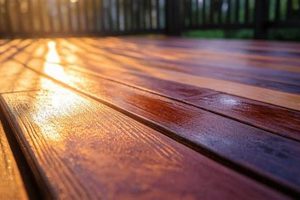
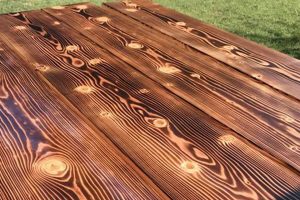
The process of applying a protective and aesthetically pleasing coating to lumber that retains its natural, untouched edge is a crucial step in woodworking. This procedure enhances the beauty of the wood, protects it from environmental factors, and ensures its longevity. The treatment involves several stages, from preparing the surface to the final application of a sealant or finish. For example, a walnut slab with its bark intact may require careful sanding and filling of any voids before the application of a clear epoxy resin to highlight its natural features.
Proper completion safeguards against moisture damage, prevents cracking and warping, and brings out the wood’s inherent color and grain patterns. This technique is particularly valued in furniture making and interior design, where the raw, organic appeal of the wood is a central design element. Historically, these slabs were often considered unusable due to their irregular shape; however, modern techniques now celebrate and preserve the natural contours, adding a unique character to finished pieces. The practice elevates the material beyond a mere building component, transforming it into a work of art.
Understanding the various stages involved, including surface preparation, stain or color application, and selecting the appropriate type of protective coat, is essential for achieving optimal results. Factors such as the intended use of the piece, the type of wood, and the desired aesthetic all influence the choice of materials and techniques employed. The following sections will delve into each of these aspects, providing a comprehensive guide to the completion of wood retaining its organic perimeter.
Essential Tips for Finishing Wood Retaining Its Natural Border
Achieving a professional and lasting finish on wood with its raw edge requires careful attention to detail and adherence to best practices. The following tips provide guidance on key aspects of the process, ensuring optimal results and preserving the material’s unique character.
Tip 1: Surface Preparation is Paramount: Thoroughly clean the slab, removing any dirt, debris, or loose bark. Use a wire brush or compressed air to ensure all crevices are clear. Improper preparation can lead to adhesion issues and an uneven finish.
Tip 2: Address Imperfections Strategically: Evaluate the surface for cracks, voids, or insect damage. Fill these areas with epoxy resin mixed with pigment or wood dust to match the wood’s color. This strengthens the slab and provides a smooth, uniform surface for finishing.
Tip 3: Sanding with Precision: Employ a multi-step sanding process, starting with a coarse grit (e.g., 80-grit) and gradually progressing to finer grits (e.g., 220-grit or higher). Sand in the direction of the wood grain and pay close attention to the edges to avoid rounding them over. Consistent sanding creates a smooth and receptive surface for the finish.
Tip 4: Choosing the Right Finish: Select a finish appropriate for the wood type and intended use. Options include oil-based polyurethane, water-based polyurethane, epoxy resin, and lacquer. Consider factors such as durability, water resistance, and UV protection.
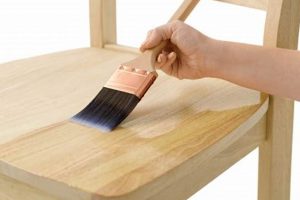
Tip 5: Application Techniques: Apply the chosen finish in thin, even coats, following the manufacturer’s instructions. Avoid over-application, which can lead to drips, runs, and a cloudy appearance. Allow each coat to dry completely before applying the next.
Tip 6: Dealing with the Bark: If retaining the bark, consider applying a bark stabilizer to prevent it from drying out and flaking off. Options include penetrating epoxy sealers or specialized bark consolidants. Note that bark stability can vary greatly depending on the species and environment.
Tip 7: Consider a Flood Coat of Epoxy: For a glass-like finish, a flood coat of epoxy resin can be applied. This provides a durable, waterproof surface that highlights the wood’s natural grain. Proper mixing and pouring techniques are crucial to avoid bubbles and imperfections.
By adhering to these tips, one can effectively enhance its beauty, protect it from damage, and ensure its longevity. Attention to surface preparation, strategic imperfection repair, careful sanding, appropriate finish selection, and precise application techniques are critical for achieving professional-quality results.
The subsequent sections will provide detailed guidance on specific finishing techniques and considerations for different types of wood and applications.
1. Surface preparation diligence

Surface preparation is the foundational step in woodworking, and its importance is amplified when the material retains its natural edge. The final appearance and longevity of the finished piece are directly correlated with the thoroughness of this initial phase.
- Cleaning and Debris Removal
Prior to any sanding or finishing, the slab must be thoroughly cleaned. This involves removing all traces of dirt, bark fragments, and any other loose debris. Pressure washing, wire brushing, and compressed air are commonly employed. Failure to adequately clean the surface can lead to finish adhesion issues and trapped contaminants that compromise the overall aesthetic. For example, residual saw dust can create tiny bumps beneath the finish, ruining an otherwise smooth surface.
- Assessing and Addressing Imperfections
A detailed inspection of the slab is crucial for identifying any imperfections that need to be addressed. These may include cracks, voids, or insect damage. Filling these imperfections with epoxy resin or wood filler is essential to create a stable and uniform surface. Neglecting this step can lead to structural weaknesses and an uneven finish. Consider a situation where a hairline crack is left unfilled; moisture can penetrate this crack, leading to further expansion and eventual failure of the finish.
- Sanding Progression and Technique
Sanding is a critical component of surface preparation, requiring a systematic progression from coarser to finer grits. The initial sanding stages aim to remove any surface irregularities, while subsequent stages refine the surface, creating a smooth and receptive canvas for the finish. Inconsistent sanding can result in visible scratches and an uneven sheen. For instance, skipping grits or applying excessive pressure with a coarse grit can create deep scratches that are difficult to remove.
- Moisture Content Management
Ensuring the wood has reached an equilibrium moisture content (EMC) for its environment before finishing is crucial. Applying a finish to wood that is still drying can trap moisture, leading to warping, cracking, or finish delamination. This is especially important for slabs that are green or have not been properly kiln-dried. Using a moisture meter to verify the wood’s moisture content is essential before proceeding with the finishing process.
In conclusion, meticulous surface preparation is not merely a preliminary step but an integral component of achieving a high-quality finish on wood that retains its organic perimeter. By prioritizing cleaning, imperfection repair, sanding technique, and moisture control, the final result will better showcase the inherent beauty of the wood, withstand environmental stressors, and endure for years to come. These facets have a direct impact on the overall success of the finishing process, underscoring its vital role.
2. Stabilizing the natural edge

The longevity and aesthetic appeal of wood featuring its raw edge are intrinsically linked to the effectiveness of stabilization techniques. This process directly influences the success of any subsequent finishing efforts. Premature degradation of the edge can compromise the integrity of the entire piece and diminish the quality of the completed finish.
- Bark Consolidation
When retaining the bark is desired, consolidation becomes a crucial step. Bark, by its nature, is prone to drying, cracking, and eventual detachment. Consolidating agents, typically penetrating epoxy sealers or specialized bark adhesives, are applied to fortify the bark structure. Without such intervention, the bark may deteriorate, leaving an unsightly and unstable edge, and disrupting any finish applied over it. Consider the instance of a walnut slab table where the bark was not consolidated; within a year, sections began to flake off, exposing the raw wood beneath and necessitating costly repairs.
- Edge Reinforcement with Resin
Exposed wood along the natural edge is susceptible to mechanical damage. Filling voids and reinforcing fragile sections with epoxy resin provides structural support. This resin acts as a barrier against impacts and abrasion, preventing chipping and splintering. An example is the use of tinted epoxy to fill a knot hole along the edge of a maple slab, preventing it from becoming a point of weakness that could eventually lead to the entire edge breaking off. It integrates seamlessly to finish the top edge.
- Moisture Content Management
Fluctuations in humidity can induce stress within the wood, particularly at the juncture between the finished surface and the raw edge. Proper drying and acclimation of the wood to its intended environment are critical prior to finishing. Failure to manage moisture content can result in warping, cracking, or delamination of the finish along the edge. Imagine a situation where a partially dried slab is finished and installed in a home; as it continues to dry, the stresses can cause the finish to crack and peel along the edge.
- Protective Coating Application
The exposed edge, whether bark or raw wood, benefits from a protective coating specifically designed for exterior use. This coating shields against UV radiation, moisture, and insect infestation, extending the life of the edge and preventing decay. A clear UV-resistant polyurethane, for example, can be applied to a cedar slab destined for outdoor use as a bench, preventing the wood from graying and deteriorating due to sun exposure and moisture.
Stabilizing the natural edge is not merely a cosmetic consideration; it is a fundamental step in preserving the structural integrity and aesthetic value. The chosen stabilization methods directly impact the adhesion, appearance, and longevity. Prioritizing these steps ultimately contributes to a more successful and enduring result.
3. Appropriate finish selection

The process of completing wood featuring its natural edge is significantly influenced by the choice of finish. This selection is not arbitrary; it is a critical determinant of the finished piece’s aesthetic appeal, durability, and long-term protection. Inappropriate finish selection can lead to a myriad of issues, ranging from premature degradation and aesthetic flaws to compromised structural integrity. The type of wood, intended use of the item, and environmental factors are pivotal considerations. For instance, a polyurethane finish, while durable, may not be the ideal choice for wood intended for outdoor use due to its susceptibility to UV damage, potentially causing cracking and discoloration over time. This direct cause-and-effect relationship underscores the need for careful evaluation.
The proper selection should align with the wood species’ characteristics. Oily woods, such as teak or rosewood, may require specific preparation techniques or finishes designed to adhere to their surfaces. Failure to address these unique properties can result in poor adhesion or uneven finish application. Conversely, a film-building finish, like lacquer, might not penetrate sufficiently into a porous wood like oak, requiring a different application strategy to achieve uniform coverage. Consider a scenario where a film finish is applied to a green live edge slab: as the wood dries and contracts, the film finish is likely to crack, exposing the wood and rendering the protection useless. These scenarios demonstrate the practical significance of aligning finish properties with wood characteristics.
In conclusion, “Appropriate finish selection” is an indispensable element within the broader context of lumber completion maintaining its untouched perimeter. Careful consideration of the wood species, intended usage, and environmental factors mitigates potential issues and ensures a finish that enhances the wood’s natural beauty while providing lasting protection. The challenges associated with improper selection are substantial, emphasizing the need for informed decision-making and thorough understanding of finish properties. A suitable finish not only preserves the material’s aesthetic appeal, but also protects it against environmental factors, promoting the piece’s value and lifespan.
4. Precise application technique

The attainment of a high-quality finish on wood retaining its natural edge is inextricably linked to precise application technique. This aspect is not merely a supplementary step; it is a pivotal component influencing the visual appeal, protective capacity, and long-term durability of the finished piece. Improper application, regardless of the quality of the finish itself, can result in a range of undesirable outcomes, including uneven coverage, runs, drips, air bubbles, and compromised protection against environmental factors. The cause-and-effect relationship is direct: a lack of precision in application invariably leads to a subpar final product.
The practical significance of precise application is readily apparent in real-world examples. Consider the application of epoxy resin to a wood slab intended for use as a tabletop. If the resin is not mixed and applied meticulously, air bubbles may become trapped within the finish, creating unsightly imperfections and weakening its structural integrity. Similarly, when applying a varnish or polyurethane, an uneven stroke pattern can result in noticeable lap marks, detracting from the overall aesthetic and indicating a lack of professional skill. A controlled environment, the use of appropriate applicators (brushes, spray guns, etc.), and a thorough understanding of the finish’s properties (viscosity, drying time, etc.) are essential for achieving optimal results. The finish and natural organic edge must integrate perfectly.
In summation, precise application technique constitutes an indispensable element in finishing lumber retaining its natural, untouched border. Challenges inherent in this step are mitigated through adherence to established best practices, attention to detail, and a commitment to continuous refinement of skills. By recognizing the critical role of application technique and investing in proper training and equipment, woodworkers can consistently produce finishes that enhance the beauty, protection, and longevity of their creations. This understanding links directly to the broader theme of quality craftsmanship and sustainable woodworking practices. This integration has a direct impact on the overall success of the finishing process, underscoring its vital role.
5. Consistent maintenance practices
Sustained longevity and aesthetic appeal are directly proportional to the consistent maintenance applied following the completion of wood retaining its natural edge. While proper finishing techniques lay the groundwork for protection and beauty, ongoing care is essential to mitigate the effects of environmental factors and preserve the integrity of the finish over time.
- Regular Cleaning Regimen
The establishment of a regular cleaning schedule is fundamental to preventing the buildup of dust, dirt, and other contaminants that can gradually dull the finish and potentially cause abrasion. Utilizing a soft, damp cloth and a pH-neutral cleaner is recommended to gently remove surface debris without damaging the finish. Abrasive cleaners or harsh chemicals should be avoided, as they can etch or dissolve the finish layer. For instance, a live edge dining table subjected to daily use necessitates frequent cleaning to prevent the accumulation of food residue and spills, which can stain or degrade the finish if left unattended. Consistent and gentle maintenance will help avoid the problem and sustain the piece.
- Humidity and Temperature Control
Fluctuations in humidity and temperature can exert stress on wood, leading to warping, cracking, or finish delamination. Maintaining a stable environment is crucial to minimizing these effects. The use of humidifiers or dehumidifiers may be necessary to regulate moisture levels, particularly in climates with extreme seasonal variations. An untreated slab experiences natural effects from these external factors, causing damage to the material and altering the quality. In a museum setting, live edge display cases require meticulous climate control to safeguard against dimensional changes and preserve the finish for decades.
- Periodic Finish Reapplication
Depending on the type of finish and the level of use, periodic reapplication may be necessary to restore its protective qualities and aesthetic appearance. A worn or damaged finish is more susceptible to moisture penetration, UV damage, and scratches. The frequency of reapplication will vary, but a visual inspection for signs of wear, such as dullness, cracking, or discoloration, can serve as a guide. For example, an outdoor live edge bench exposed to direct sunlight and frequent use may require a fresh coat of sealant every year or two to maintain its weather resistance and prevent fading.
- Surface Protection Measures
Implementing protective measures can significantly reduce the risk of damage to the finish. The use of coasters, placemats, and felt pads on furniture legs can prevent scratches, water rings, and other surface imperfections. Thoughtful placement of the piece away from direct sunlight or heat sources can minimize the risk of fading or warping. In a commercial setting, a live edge reception desk may benefit from a protective film or coating to withstand the constant use and potential for spills and impacts.
The implementation of consistent maintenance practices directly supports the preservation of the finish and the integrity of the lumber retaining its natural edge. From routine cleaning to environmental control and periodic reapplication, each facet contributes to the long-term beauty and durability of the piece. These efforts, when diligently applied, ensure that the inherent value and aesthetic qualities are preserved, making “how to finish live edge wood” a worthwhile endeavor.
Frequently Asked Questions
The following addresses prevalent inquiries regarding the appropriate methods and considerations for finishing wood maintaining its organic perimeter. These answers aim to provide clarity and guidance for achieving optimal results.
Question 1: How critical is the initial surface preparation when working with wood retaining its raw border?
The initial surface preparation is paramount. Thorough cleaning and sanding are essential for ensuring proper adhesion of the finish and achieving a smooth, even surface. Inadequate preparation can lead to finish failure, aesthetic flaws, and compromised protection against environmental factors.
Question 2: What steps are essential for stabilizing the natural edge to prevent deterioration?
Stabilization of the natural edge involves several crucial steps. Bark consolidation, using penetrating epoxy sealers, is necessary to prevent cracking and detachment. Reinforcement with resin can provide structural support to fragile sections. Proper moisture content management is also essential to minimize warping and cracking.
Question 3: How does one select the appropriate finish for a project involving lumber maintaining its organic perimeter?
The selection of an appropriate finish requires careful consideration of several factors. These include the type of wood, its intended use, and environmental conditions. Oily woods may require specific preparation techniques, while surfaces exposed to UV radiation necessitate finishes with UV inhibitors. The selected finish must align with the inherent properties and intended application of the lumber.
Question 4: What application techniques are most conducive to achieving a professional finish on wood that retains its natural edge?
Achieving a professional finish demands precise application techniques. These involve the use of appropriate applicators, maintaining a controlled environment, and adhering to the manufacturer’s instructions for the chosen finish. Thin, even coats are essential to prevent runs, drips, and air bubbles.
Question 5: What maintenance practices are crucial for preserving the finish on lumber maintaining its untouched perimeter?
Preserving the finish requires consistent maintenance practices. Regular cleaning with pH-neutral cleaners, humidity and temperature control, and periodic finish reapplication are all vital for maintaining the finish’s integrity. Protective measures, such as coasters and placemats, can also help prevent damage.
Question 6: How does one address existing imperfections, such as cracks or voids, before completing wood that retains its raw border?
Existing imperfections should be addressed prior to finishing. Cracks and voids can be filled with epoxy resin or wood filler, ensuring that the filler matches the wood’s color. This process provides a smooth, uniform surface and enhances the structural integrity of the wood. Failing to address imperfections can result in an uneven finish and potential structural weaknesses.
Proper finishing techniques and diligent maintenance practices are crucial. Attention to detail and a commitment to quality craftsmanship will contribute to a beautiful and durable result.
The subsequent section will examine case studies illustrating best practices and challenges in lumber completion while preserving the natural perimeter.
How to Finish Live Edge Wood
This exploration has underscored the multifaceted nature of achieving a successful completion that maintains its organic perimeter. The process demands meticulous attention to detail, from the initial surface preparation and edge stabilization to the judicious selection and application of appropriate finishes. Consistent maintenance practices further contribute to the long-term preservation of both aesthetic appeal and structural integrity. Mastery of these elements is crucial for transforming raw materials into enduring works of art.
The information contained within this article provides a solid foundation for undertaking such projects. It is incumbent upon the woodworker to apply this knowledge with diligence and foresight. The resulting pieces will not only exemplify skilled craftsmanship but also stand as testaments to the enduring beauty and value of natural materials. Further study and experimentation are encouraged to refine these techniques and contribute to the continued evolution of this art form.