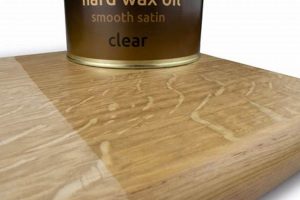
The process of applying a protective or decorative coating to timber surfaces encompasses both finishing and staining. Staining involves the application of a colorant to alter the wood’s appearance, while finishing refers to the application of a sealant to protect the wood from environmental factors and enhance its durability. An example includes applying a cherry-toned stain to a pine tabletop, followed by several coats of polyurethane varnish.
Proper surface preparation and coating are paramount for wood longevity and aesthetic appeal. These processes safeguard against moisture damage, UV degradation, and physical wear, thus extending the lifespan of wooden objects and structures. Historically, natural oils and waxes were employed for protection, but modern techniques utilize synthetic resins and advanced pigment technologies offering superior performance.
The subsequent sections will elaborate on surface preparation techniques, stain application methods, sealant options, and troubleshooting common issues encountered during the wood finishing process. Each step is detailed to ensure optimal results and a professional-quality outcome.
Essential Considerations for Wood Coating
Achieving a durable and aesthetically pleasing coating on wood requires careful attention to detail throughout each stage of the process. The following guidelines offer practical advice for optimal results.
Tip 1: Surface Preparation is Paramount: Thoroughly sand the wood surface, progressing through increasingly finer grits of sandpaper. Remove all dust and debris prior to applying any coating. Improper preparation can lead to uneven stain absorption and compromised adhesion.
Tip 2: Select the Appropriate Stain: Consider the type of wood and desired aesthetic. Oil-based stains penetrate deeply, enhancing the wood’s natural grain, while water-based stains offer easier cleanup and lower VOC emissions. Always test the stain on an inconspicuous area first to ensure desired color accuracy.
Tip 3: Apply Stain Evenly: Use a brush, rag, or sprayer to apply the stain in the direction of the wood grain. Avoid pooling or drips. Wipe off excess stain after a specified dwell time, as indicated by the manufacturer’s instructions, to prevent an overly dark or blotchy appearance.
Tip 4: Allow Adequate Drying Time: Ensure sufficient drying time between coats of stain and before applying a clear finish. Premature application of a topcoat can trap moisture, leading to clouding or adhesion failure.
Tip 5: Choose a Compatible Finish: Select a finish that is compatible with the chosen stain and intended use of the wood item. Polyurethane provides excellent durability and water resistance, while lacquer offers a smooth, fast-drying option for interior applications.
Tip 6: Apply Finish in Thin, Even Coats: Multiple thin coats of finish are preferable to a single thick coat, which can lead to runs, drips, and prolonged drying times. Lightly sand between coats with fine-grit sandpaper to promote adhesion.
Tip 7: Control the Environment: Apply stain and finish in a well-ventilated area with minimal dust and debris. Avoid applying coatings in direct sunlight or extreme temperatures, as these conditions can affect drying and curing times.
Proper execution of these steps will contribute significantly to the longevity and visual appeal of any wood surface coating project. Adherence to these principles ensures a professional and lasting result.
The concluding section will address common challenges and provide solutions for achieving a flawless wood surface coating.
1. Preparation

Effective surface preparation is the foundational stage in achieving a high-quality wood finish. It directly impacts the adhesion, uniformity, and overall appearance of both stain and protective coatings. Inadequate preparation invariably leads to compromised results, irrespective of the quality of the materials used. This section elucidates key facets of wood surface preparation.
- Sanding Techniques
Sanding removes imperfections, such as scratches, dents, and mill marks, creating a smooth and uniform surface for stain or finish application. The sanding process typically involves progressing through a series of sandpaper grits, starting with coarser grits to remove major imperfections and transitioning to finer grits to refine the surface. The goal is to achieve a surface free of visible scratches, ensuring even stain absorption and optimal finish adhesion. For instance, failing to adequately sand out deep scratches will result in those imperfections being highlighted by the stain, detracting from the final result.
- Dust Removal
Thorough dust removal is critical after sanding. Dust particles left on the wood surface can interfere with stain penetration and finish adhesion, leading to a textured or uneven appearance. Methods for dust removal include vacuuming with a brush attachment, wiping with a tack cloth, or using compressed air. The selected method should effectively remove all dust without leaving any residue. For example, residual dust can create tiny bubbles in a polyurethane finish, compromising its clarity and durability.
- Wood Cleaning
Cleaning the wood surface removes oils, grease, and other contaminants that can impede stain absorption and finish adhesion. Depending on the type of wood and the contaminants present, cleaning methods may include wiping with mineral spirits, denatured alcohol, or a specialized wood cleaner. The cleaning agent should be compatible with the wood and the subsequent stain or finish. Failure to remove grease from oily woods, such as teak, can prevent stain from penetrating evenly, resulting in a blotchy finish.
- Repairing Imperfections
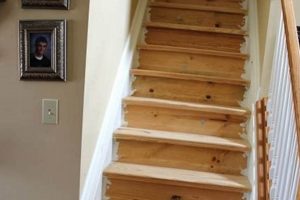
Addressing imperfections like cracks, holes, and knots prior to staining or finishing is essential for achieving a professional-looking result. Wood fillers or epoxy resins can be used to fill these imperfections, creating a smooth and uniform surface. The selected filler should be compatible with the wood and able to accept stain and finish. For example, using a wood filler that does not accept stain will result in noticeable color variations, detracting from the overall appearance of the finished piece.
In summary, meticulous surface preparation is a non-negotiable prerequisite for achieving a successful and aesthetically pleasing wood finish. The aforementioned facets sanding, dust removal, cleaning, and imperfection repair each contribute to creating an optimal surface for stain and finish application, ultimately enhancing the beauty and longevity of the finished wood product.
2. Stain Selection
The appropriate selection of stain is a pivotal determinant in the wood finishing process, directly influencing the final aesthetic and impacting the perceived quality of the finished piece. The decision extends beyond mere color preference, necessitating a thorough understanding of wood species, stain composition, and desired outcome.
- Wood Species Compatibility
Different wood species exhibit varying degrees of porosity and grain density, which directly affects stain absorption. Softwoods, such as pine, tend to absorb stain more readily than hardwoods like maple, leading to potential blotching or uneven coloration if the stain is not carefully chosen and applied. An oil-based stain, for instance, may penetrate too deeply into pine, resulting in an unappealing, dark finish, while a gel stain might be more suitable for controlling absorption on such porous surfaces. Matching stain type to wood type is fundamental for predictable results.
- Stain Type Characteristics
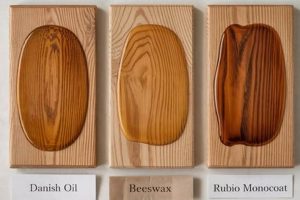
Stains are broadly categorized into oil-based, water-based, and gel stains, each possessing distinct characteristics that influence the final appearance and application process. Oil-based stains offer deeper penetration and richer coloration but require longer drying times and mineral spirits for cleanup. Water-based stains dry quickly, emit lower VOCs, and are easier to clean up, but may not penetrate as deeply as oil-based options. Gel stains, formulated with a thicker consistency, are ideal for non-porous surfaces or vertical applications, minimizing drips and providing more controlled color deposition. The selection of stain type hinges on the desired finish, environmental considerations, and skill level of the applicator.
- Color Undertones and Lighting
The perceived color of a stain can vary significantly depending on the ambient lighting conditions and the undertones present in the wood. Natural light tends to accentuate the warm undertones in a stain, while artificial light can alter the color perception, making it appear cooler or more muted. Furthermore, the existing color of the wood can influence the final stained color; for example, a stain with warm undertones may appear more pronounced on a wood species with naturally cool undertones. Sample testing on a representative piece of wood under different lighting conditions is crucial for ensuring the desired color accuracy.
- Grain Enhancement and Clarity
Certain stains are formulated to enhance the natural grain pattern of the wood, emphasizing its texture and character. These stains typically contain pigments that settle into the grain, creating a contrast between the darker stained areas and the lighter wood fibers. Conversely, some stains are designed to provide a more uniform color, minimizing grain visibility and creating a smooth, even finish. The choice depends on the desired aesthetic; highlighting the wood grain emphasizes its natural beauty, while minimizing grain visibility creates a more contemporary or minimalist look. The ability of a stain to enhance or obscure the grain is a critical factor in achieving the desired aesthetic during wood finishing.
Ultimately, the proper stain selection is integral to the overall success of wood finishing. By carefully considering the wood species, stain type, color undertones, and grain enhancement properties, a woodworker can achieve the desired aesthetic and create a durable, visually appealing finished product that highlights the inherent beauty of the wood.
3. Application Technique
The proficiency of application technique directly dictates the quality and durability of a wood finish and stain. Proper methodology mitigates common issues such as uneven color distribution, visible brushstrokes, and compromised adhesion, all pivotal factors in determining the success of wood finishing and staining endeavors.
- Brush Application
Brush application involves using various brush types, such as natural bristle for oil-based products and synthetic bristle for water-based products, to apply stain or finish. Proper brush technique necessitates maintaining a wet edge, applying even pressure, and overlapping strokes to avoid visible lines. Failure to use the appropriate brush or neglecting proper stroke overlap can result in an inconsistent finish with noticeable brush marks. For example, applying polyurethane with a low-quality brush may leave bristles embedded in the finish, compromising its smoothness.
- Spraying Application
Spraying, utilizing equipment such as HVLP (High Volume Low Pressure) sprayers, offers a method for achieving a uniform finish, particularly on intricate surfaces or large areas. This technique requires careful control of the spray pattern, fluid viscosity, and air pressure to prevent runs, drips, or orange peel texture. Inadequate sprayer calibration or improper technique can lead to an uneven coating, requiring additional sanding and reapplication. For instance, insufficient air pressure may cause the finish to atomize poorly, resulting in a textured surface.
- Wiping Application
Wiping application involves applying stain or finish with a cloth or rag, allowing for controlled penetration and even distribution. This method is particularly suitable for applying oil-based stains or sealers, enabling the user to work the product into the wood grain and remove excess. Improper wiping technique can lead to an uneven finish with blotchy areas or streaks. For instance, failing to remove excess stain can result in a dark, uneven color that obscures the wood grain.
- Pad Application
Pad application utilizes specialized applicator pads to apply stain or finish, offering a method for achieving a smooth, even coating on flat surfaces. This technique is often used for applying water-based finishes or sealers, allowing for controlled application and minimal brushstrokes. Improper pad selection or application technique can result in an uneven finish with visible lines or swirl marks. For instance, using a dirty or worn pad may transfer contaminants to the surface, compromising the finish quality.
In conclusion, effective application technique is paramount for achieving a professional-quality finish. Each method brushing, spraying, wiping, and padding demands specific skills and knowledge to prevent common issues and ensure optimal results, ultimately influencing the aesthetic appeal and longevity of the finished wood product.
4. Drying Time
The duration required for applied stains and finishes to cure constitutes a critical, often underestimated, aspect of wood finishing. Insufficient drying periods can severely compromise the integrity and appearance of the completed project, leading to a range of undesirable outcomes.
- Impact on Adhesion
Inadequate drying time between coats of stain or finish compromises the adhesion of subsequent layers. When a fresh coat is applied over a partially cured layer, solvents from the new coat can re-dissolve the previous one, creating a weak bond. This compromised adhesion can lead to peeling, cracking, or bubbling of the finish over time. For example, applying a second coat of polyurethane before the first is fully dry may result in a milky or cloudy appearance, indicating poor adhesion and trapped solvents. The consequence necessitates complete stripping and reapplication to rectify.
- Influence on Finish Hardness
The curing process allows the resins and polymers in stains and finishes to cross-link, forming a hard, durable surface. Insufficient drying time interrupts this process, resulting in a finish that remains soft, tacky, and vulnerable to scratches and dents. A lacquer finish that is not allowed to fully cure, for instance, will be more susceptible to damage from everyday use, such as from placing objects on its surface. Full hardness is crucial for the protective function of the finish.
- Effect on Color Development
The color of many stains, particularly oil-based varieties, continues to develop as the solvents evaporate and the pigments settle into the wood fibers. Rushing the drying process can prevent the true color from fully manifesting, resulting in a lighter or less saturated appearance than intended. A cherry stain applied to oak, for example, may appear more pink than red if not allowed sufficient drying time for the pigments to fully oxidize. Patience is necessary for color accuracy.
- Solvent Entrapment and Off-Gassing
Insufficient drying can trap solvents within the finish layer. These trapped solvents will gradually evaporate over time, leading to unpleasant odors and potential health concerns. Furthermore, the slow release of solvents can create bubbles or imperfections in the finish as they escape. A freshly finished cabinet, for example, may emit a strong chemical odor for weeks if the finish was not given adequate time to dry and off-gas. Proper ventilation during the drying process can mitigate this issue, but sufficient time remains essential.
Therefore, adherence to manufacturer-recommended drying times is paramount for achieving a durable, aesthetically pleasing, and safe wood finish. Premature handling or application of subsequent coats will inevitably compromise the final result, underscoring the necessity of patience and careful adherence to established protocols.
5. Protective Coating
The application of a protective coating is a crucial and final step in how wood is finished and stained. This layer serves as a barrier against environmental factors, enhancing durability and preserving the aesthetic qualities achieved through staining and other preparatory processes.
- Abrasion Resistance
Protective coatings, such as polyurethane or epoxy, provide a robust shield against physical wear and tear. They prevent scratches, scuffs, and dents that can mar the surface of finished wood. For example, a table coated with a durable finish will withstand the daily abrasion from plates, utensils, and other objects, maintaining its appearance for a longer period. The level of abrasion resistance directly correlates with the longevity and aesthetic appeal of the treated wood.
- Moisture Protection
Wood is susceptible to moisture damage, which can lead to warping, swelling, and decay. Protective coatings create a barrier that prevents water from penetrating the wood fibers, safeguarding against these issues. An exterior door treated with a weather-resistant finish will be less prone to water damage caused by rain or humidity. This protection extends the lifespan of the wood and reduces the need for frequent repairs.
- UV Resistance
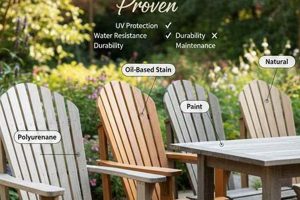
Exposure to ultraviolet (UV) radiation from sunlight can cause discoloration and degradation of both the wood itself and the stain applied to it. Protective coatings containing UV inhibitors help to block these harmful rays, preserving the original color and preventing fading. Outdoor furniture or wooden decks benefit significantly from finishes with UV resistance, ensuring they maintain their appearance despite prolonged sun exposure. Without this protection, the wood’s finish would deteriorate, requiring more frequent refinishing.
- Chemical Resistance
Certain protective coatings offer resistance to household chemicals, such as cleaning agents, solvents, and spills. This prevents staining, etching, and other forms of damage that can result from contact with these substances. A kitchen countertop finished with a chemical-resistant coating will be more resistant to stains from food spills and damage from cleaning products. This added layer of protection maintains the wood’s integrity and appearance, reducing the likelihood of permanent damage.
In essence, the selection and application of an appropriate protective coating are integral to ensuring the longevity and aesthetic preservation of wood finishes. Factors such as abrasion, moisture, UV radiation, and chemical exposure necessitate a comprehensive understanding of coating properties to achieve optimal results in the wood finishing process. The protective coating is, therefore, a vital investment in the long-term value and beauty of finished wood products.
Frequently Asked Questions
This section addresses common inquiries regarding the processes of wood finishing and staining, providing concise and informative answers to ensure successful project outcomes.
Question 1: What is the most common cause of blotchy stain application?
Blotchy stain application typically results from inadequate surface preparation. Uneven sanding or the presence of residual contaminants impedes uniform stain absorption, leading to inconsistent color distribution.
Question 2: How does temperature affect the drying time of wood finishes?
Lower temperatures generally prolong the drying time of wood finishes. Conversely, higher temperatures can accelerate drying, but may also lead to premature skinning and solvent entrapment. Adherence to manufacturer-recommended temperature ranges is advised.
Question 3: Is it necessary to sand between coats of polyurethane?
Sanding between coats of polyurethane is recommended to promote adhesion and remove imperfections. Light sanding with fine-grit sandpaper (e.g., 320-grit or higher) creates a mechanical key for subsequent coats, resulting in a smoother and more durable finish.
Question 4: Can water-based stains be used over oil-based finishes, and vice versa?
Applying a water-based stain over an oil-based finish is generally not recommended due to adhesion issues. The oil-based finish creates a barrier that prevents the water-based stain from penetrating the wood. Applying an oil-based stain over a properly prepared water-based finish is possible, but requires careful consideration of compatibility and adequate drying time.
Question 5: What are the advantages of using a wood conditioner before staining?
Wood conditioner helps to equalize the porosity of the wood surface, reducing the likelihood of blotching or uneven stain absorption. It is particularly beneficial for softwoods, such as pine, which are prone to uneven staining.
Question 6: How does the type of wood affect stain color?
Different wood species possess inherent colors and grain patterns that influence the final appearance of the stain. Light-colored woods, such as maple, allow the stain color to be more faithfully represented, while darker woods, such as walnut, can alter the stain’s undertones. A test application on a representative piece of the wood is recommended to assess the final color.
Proper execution of wood finishing and staining requires meticulous attention to detail and adherence to established best practices. Understanding the factors that influence the outcome is essential for achieving professional and lasting results.
The subsequent section will discuss common problems, troubleshooting and how to ensure the longevity of a wood finish.
Conclusion
The preceding discourse has systematically examined the essential processes involved in how to finish and stain wood. From initial surface preparation to the application of protective coatings, each step contributes significantly to the overall quality and longevity of the finished product. Careful consideration of wood species, stain selection, application techniques, drying times, and appropriate protective measures are all critical determinants of success. This article has provided a comprehensive guide, enabling practitioners to navigate the complexities of wood finishing with greater confidence and expertise.
Mastering the art of how to finish and stain wood is a continuous process of learning and refinement. It demands patience, precision, and a commitment to understanding the nuances of wood and finishing materials. By embracing these principles, individuals can transform raw wood into enduring and aesthetically pleasing objects, enhancing their inherent beauty and value for years to come. The diligent application of these techniques yields not only functional improvements but also an enduring legacy of craftsmanship.