The application of a specific resinous secretion dissolved in alcohol to coat wooden surfaces is a traditional method of protecting and enhancing their appearance. This process involves applying thin layers, allowing each coat to dry before subsequent applications. The result is a lustrous, often warm-toned surface that accentuates the wood’s natural grain. An example of this technique would be seen on antique furniture where its use was prevalent, contributing to the preservation of the piece’s aesthetic qualities over time.
This approach offers several advantages, including its fast-drying nature and ease of repair. Historically, it has been valued for its natural origin and biodegradability, making it a more environmentally conscious choice compared to some synthetic alternatives. Its use has spanned centuries, from fine furniture making to musical instruments, reflecting its versatility and enduring appeal.
The subsequent discussion will delve into the preparation of the material, optimal application techniques, and the specific considerations necessary to achieve a professional and durable result. Further topics will include troubleshooting common issues and exploring various finishing options available using this time-honored method.
Tips for Achieving Optimal Results
Successful application relies on careful preparation and technique. The following tips will assist in achieving a durable and aesthetically pleasing finish.
Tip 1: Surface Preparation is Paramount: Ensure the wood surface is thoroughly sanded and free of dust, oils, or previous finishes. A clean, smooth surface promotes optimal adhesion and an even appearance.
Tip 2: Use Fresh Materials: Pre-mixed solutions have a limited shelf life. For best results, utilize freshly prepared flakes dissolved in denatured alcohol. This ensures proper drying and film formation.
Tip 3: Apply Thin Coats: Multiple thin coats are preferable to a single thick coat. Thin layers dry more evenly and minimize the risk of runs, drips, and solvent entrapment.
Tip 4: Sand Between Coats (Optional): Lightly sanding between coats with fine-grit sandpaper (e.g., 320-grit or higher) can help to level the surface and remove any imperfections. Ensure thorough dust removal after sanding.
Tip 5: Control the Environment: Apply the finish in a well-ventilated area with moderate temperature and humidity. Extreme conditions can affect drying time and the final appearance of the finish.
Tip 6: Utilize Appropriate Application Tools: Use a high-quality brush designed for solvent-based finishes or consider spray application for a smoother, more consistent result. Proper tool selection contributes significantly to the final quality.
Tip 7: Allow Adequate Drying Time: Allow each coat to dry completely before applying the next. Insufficient drying time can lead to cloudiness or adhesion problems. Consult the manufacturer’s recommendations for specific drying times.
Adhering to these recommendations will contribute significantly to a professional, durable, and aesthetically pleasing outcome. Careful attention to detail throughout the process is essential.
The following sections will address specific application techniques and considerations for achieving various desired aesthetics.
1. Clarity

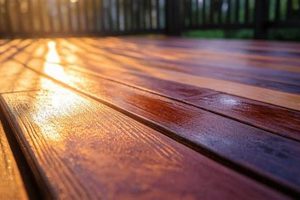
Clarity, in the context of coating wood surfaces with a specific resinous secretion, refers to the degree of transparency and the absence of cloudiness or discoloration within the applied film. The clarity of the finish directly influences the visibility and vibrancy of the underlying wood grain and color. A finish with high clarity allows the natural beauty of the wood to shine through, whereas a cloudy or discolored film can obscure or distort the wood’s inherent characteristics. The selection of the resinous secretion, its purity, and the application method all contribute significantly to the final clarity. For instance, using aged or contaminated materials can introduce impurities that compromise the clarity of the dried film. Similarly, improper dilution or application techniques can lead to uneven distribution, resulting in areas of reduced clarity.
The desired level of clarity often dictates the specific type of resinous secretion and the preparation process employed. Higher grades of resinous materials, carefully processed and filtered, are typically used when exceptional clarity is required. Application techniques, such as spray finishing, can also enhance clarity by creating a smoother, more uniform film. Furthermore, the number of coats applied can impact clarity. While multiple thin coats are generally preferred for durability, excessive build-up can sometimes reduce clarity, particularly if the material is not fully cured between applications. Examples in antique restoration demonstrate the importance of clarity. When restoring a valuable antique, the goal is often to preserve the original appearance of the wood while providing a protective layer. A finish lacking clarity would detract from the antique’s value and authenticity.
In summary, clarity is a critical attribute when coating wood surfaces, directly affecting the aesthetic outcome and perceived value of the finished piece. Achieving optimal clarity requires careful material selection, meticulous preparation, and precise application techniques. While factors like the wood species and desired level of protection also play a role, the clarity of the finish remains a paramount consideration, impacting how effectively the wood’s natural beauty is showcased. Therefore, professionals and woodworking enthusiasts must prioritize clarity in their choice of materials and methods to achieve the most aesthetically pleasing and authentic results.
2. Protection

The application of a resinous secretion dissolved in alcohol to wood surfaces inherently provides a protective barrier against environmental factors. This protective quality is a primary reason for employing this finishing technique. The cured film acts as a shield, reducing the wood’s exposure to moisture, ultraviolet radiation, and physical abrasion. Moisture, a significant threat to wood stability, can cause warping, swelling, and decay. The finish retards the absorption of water, thereby mitigating these effects. Similarly, ultraviolet radiation from sunlight can degrade wood fibers, leading to discoloration and weakening. The coating provides a degree of screening, lessening the damaging impact of UV exposure. Furthermore, the hardened layer offers a level of resistance against scratches, dents, and other forms of superficial damage that can compromise the wood’s appearance and structural integrity. As an example, wooden furniture, particularly tabletops and frequently handled surfaces, benefit from the protective properties of such a finish. Without it, these surfaces would be more susceptible to wear and tear, resulting in a diminished aesthetic and potentially a shorter lifespan.
However, the level of protection afforded is dependent on several factors, including the number of coats applied, the specific formulation of the finish, and the environmental conditions to which the wood is exposed. Thicker films offer greater protection against moisture and abrasion, but excessive thickness can also lead to brittleness and cracking. Similarly, formulations with additives designed to enhance UV resistance will provide superior protection against sunlight compared to those without such additives. The degree of protection is also relative. While the finish offers resistance, it is not impervious. Prolonged exposure to harsh conditions, such as direct sunlight or standing water, can still compromise the integrity of the finish and the underlying wood. Examples in musical instruments, where sound quality depends on the wood’s vibrational characteristics, demonstrate the trade-offs between protection and acoustic properties. Heavy finishes can dampen sound, requiring careful application and material selection to balance protection with acoustic performance.
In conclusion, the protective qualities of a wood coating are a crucial consideration when selecting this finishing technique. Understanding the types of protection it provides, the factors that influence its effectiveness, and its limitations is essential for making informed decisions about wood finishing. While this finish provides a valuable barrier against environmental damage, it is not a panacea. Proper application, appropriate formulation, and ongoing maintenance are necessary to ensure that the wood receives adequate and long-lasting protection. Balancing these factors with the desired aesthetic qualities of the finish is key to achieving a successful outcome.
3. Repairability

Repairability, as a characteristic of a specific wood finish involving a resinous secretion dissolved in alcohol, refers to the ease with which damage to the coating can be rectified without requiring complete refinishing. This attribute is a direct consequence of the finish’s inherent properties. The finish forms a film that bonds to itself, meaning new coats can meld with existing layers. Damage such as scratches, water marks, or minor surface imperfections can often be addressed by simply applying additional coats of the solution to the affected area. The solvent in the fresh application partially dissolves the existing film, allowing the new material to integrate seamlessly. This contrasts with many synthetic finishes, which often require sanding down to bare wood before recoating to ensure proper adhesion. The implications of this feature are substantial. Repairability extends the lifespan of wood furnishings, reduces the need for extensive and costly restoration, and preserves the original patina of antique pieces. A practical example lies in furniture restoration, where a damaged table top can frequently be restored with localized repairs, preserving the character and value of the antique.
The practical application of this repairability extends beyond simple cosmetic fixes. Complex damage, such as areas where the finish has chipped or worn away, can be addressed through a more involved process of layering and leveling. The process involves carefully cleaning the damaged area, applying thin coats of the solution to build up the film thickness, and then leveling the repaired section to match the surrounding finish. This layering approach ensures that the repair blends seamlessly with the existing finish, minimizing the visibility of the repair. Furthermore, the reversibility of this finishing method contributes to its repairability. If a repair is not satisfactory, the finish can be removed with alcohol and the process can be restarted. This forgiving nature makes it an appealing choice for both professional restorers and hobbyists. Consider the use of this finish on a fine violin. Over time, scratches and wear marks may appear on the instrument’s surface. Because the finish is repairable, a luthier can restore the violin’s appearance without drastically altering its original finish.
In summary, repairability represents a significant advantage of coating wood surfaces with a specific solution. The capacity to seamlessly integrate new coats with existing ones allows for localized repairs, preserving the integrity and appearance of the wood piece. This characteristic reduces the need for complete refinishing, extends the lifespan of wooden objects, and makes this finish a preferred choice for restoration work. Challenges in repair, such as color matching aged finishes, are often outweighed by the comparative ease and reversibility of the repair process. The inherent repairability of this solution links directly to its enduring value in furniture making, instrument crafting, and antique restoration, ensuring that wood pieces retain their beauty and functionality for generations.
4. Adhesion

Adhesion is a critical factor in the success of any wood finishing endeavor, and its role is particularly pronounced when employing a finish created from a resinous secretion dissolved in alcohol. The integrity of the bond between the wood substrate and the applied coating directly influences the durability, longevity, and aesthetic quality of the finished piece. Without proper adhesion, the coating is prone to chipping, peeling, or blistering, ultimately compromising its protective and decorative functions.
- Surface Preparation
The condition of the wood surface prior to application dictates the degree of adhesion achieved. Contaminants such as dirt, oil, wax, or pre-existing finishes impede the formation of a strong bond. Thorough sanding is typically required to create a slightly roughened surface, increasing the surface area available for bonding. Furthermore, the removal of sanding dust is essential. Example: Insufficient sanding on an oily wood such as teak results in poor adhesion, leading to premature finish failure. Conversely, proper surface preparation optimizes adhesion, resulting in a durable and aesthetically pleasing coating.
- Compatibility of Materials
Adhesion is influenced by the inherent compatibility between the wood species and the finish. Certain wood species, such as resinous pines, may present challenges due to their natural oils and extractives, which can interfere with bonding. A barrier coat may be necessary to promote adhesion in such cases. Example: Applying a finish directly to rosewood, which is known for its oils, often results in poor initial adhesion. A shellac washcoat, used as a barrier, can improve adhesion in such situations. Selecting appropriate materials is essential to avoid compatibility issues.
- Application Technique
The method of application also plays a role in adhesion. Applying the finish in thin, even coats allows for proper penetration and bonding with the wood fibers. Excessive thickness can lead to uneven drying and reduced adhesion strength. Example: Applying a thick, single coat rather than multiple thin coats often results in compromised adhesion and potential for solvent entrapment, leading to bubbles and subsequent peeling. Controlled application, with proper drying times between coats, maximizes the adhesion of the film.
- Environmental Conditions
Ambient temperature and humidity levels during application and curing can significantly impact adhesion. High humidity can impede the solvent evaporation process, while extreme temperatures can affect the flow and leveling characteristics of the finish. These factors can consequently reduce the strength of the bond between the coating and the wood. Example: Applying this finish in a high humidity environment can slow the drying process and compromise its ability to properly bond with the wood surface, leading to adhesion issues. Maintaining suitable environmental conditions is critical for optimal adhesion.
In summary, achieving optimal adhesion when coating wood involves careful consideration of several interacting factors. These facets, when addressed systematically, contribute to a durable and aesthetically pleasing finish. Prioritizing these elements, from meticulous surface preparation to careful attention to application and environmental controls, is key to ensuring the long-term success and preservation of wood projects. The resulting strong bond enhances the finish’s ability to protect and beautify the wood, ensuring that the effort invested in the finishing process yields enduring results.
5. Preparation

Surface preparation is inextricably linked to the successful application of a specific resinous wood finish dissolved in alcohol. The quality of the preparation directly influences the adhesion, appearance, and longevity of the final finish. Proper preparation removes contaminants and imperfections, providing a sound base for the finish to bond. If the surface is not adequately prepared, the finish may not adhere correctly, leading to chipping, peeling, or other defects. A practical example can be seen in furniture restoration. If an old finish is not completely removed and the surface not properly sanded before applying the new resinous finish, the new coating will likely fail prematurely.
The process of preparation involves several key steps, each contributing to the overall outcome. Cleaning the wood to remove dirt, oil, or wax ensures a clean surface for the finish to adhere to. Sanding the wood smooths imperfections and creates a slightly rough surface, improving mechanical adhesion. Filling any holes or cracks ensures a uniform surface, preventing the finish from sinking into imperfections and creating unevenness. Each step must be performed meticulously to optimize the final result. For instance, when finishing a musical instrument, careful sanding and pore-filling are essential to create a smooth, resonant surface for the finish, contributing to the instrument’s tonal quality and appearance.
In summary, preparation is not merely a preliminary step, but an integral component of the wood finishing process. The time and effort invested in proper preparation yield significant returns in the form of a durable, aesthetically pleasing, and long-lasting finish. While the specific techniques and materials used in preparation may vary depending on the wood species and desired outcome, the underlying principle remains constant: meticulous preparation is essential for achieving a professional-quality result with this type of finish. Overlooking or underestimating the importance of this phase compromises the overall success of the finishing project.
6. Application

The method of application directly dictates the final quality and durability of a surface coating employing a resinous secretion dissolved in alcohol. Improper application techniques invariably lead to defects, such as runs, drips, uneven color distribution, or inadequate film thickness. A controlled and deliberate application process is therefore not merely a step, but a critical determinant of the entire finishing endeavor’s success. The cause-and-effect relationship is clearly demonstrable: skilled application results in a smooth, even, and durable finish, while careless application leads to aesthetic and structural deficiencies. For example, when applying this finish to a delicate musical instrument, a skilled craftsman will utilize techniques like French polishing to build up thin, even layers, avoiding the orange peel effect that results from spraying too much material at once. The appearance and protection afforded by the coating are fundamentally tied to the application method.
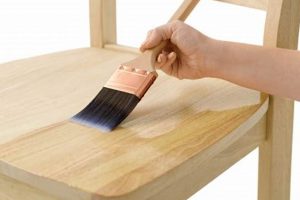
Practical application strategies vary depending on the project’s scale, the desired aesthetic, and the applicator’s skill. Brushing, wiping, and spraying are all viable methods, each with unique advantages and disadvantages. Brushing, while labor-intensive, offers a high degree of control and is suitable for intricate details. Wiping is ideal for achieving a thin, even film, and it is particularly well-suited for large, flat surfaces. Spraying allows for rapid and uniform coverage, but it requires specialized equipment and a controlled environment. The correct choice depends on the circumstances. In furniture restoration, a combination of techniques may be employed, using brushing for detailed areas and wiping for larger surfaces. The mastery of diverse techniques expands the range of achievable results, permitting the applicator to tailor the finish to the specific demands of the project.
In conclusion, the application phase of finishing wood is not a perfunctory activity but a skill-intensive process that directly governs the finish’s quality. Recognizing the cause-and-effect relationship between application technique and outcome, and selecting the most appropriate method for the task, is essential. Challenges such as achieving consistent color, avoiding defects, and managing drying times are inherent to the process. Understanding application methods is inextricably linked to the goal of wood coating. The effectiveness of the surface coating hinges upon the mastery of this essential element.
Frequently Asked Questions
The following addresses frequently encountered queries regarding the application of a specific alcohol-dissolved resinous secretion as a wood finish. These questions and answers are designed to provide clarity and guidance on common concerns and misconceptions surrounding this finishing method.
Question 1: Is this type of finish durable enough for high-traffic surfaces, such as tabletops?
This coating offers moderate protection. For high-traffic surfaces, consider applying multiple coats and incorporating a wax topcoat for added resistance to scratches and spills. Regular maintenance is crucial for preserving the finish’s integrity under heavy use. Alternative, more durable finishes might be more appropriate for applications subject to extreme wear.
Question 2: How does temperature and humidity affect the drying time of this finish?
Elevated humidity levels impede solvent evaporation, extending the drying time. Low temperatures similarly slow the drying process. Optimal drying conditions involve moderate temperatures (65-75F) and low to moderate humidity. Ensuring adequate ventilation also facilitates solvent release and promotes faster drying.
Question 3: Can this finish be applied over existing finishes?
Applying this coating over existing finishes requires careful consideration. Incompatibility can lead to adhesion failures. A compatibility test on an inconspicuous area is recommended. If the existing finish is oil-based, complete removal is typically necessary to ensure proper bonding. A barrier coat may improve adhesion over certain existing finishes.
Question 4: What is the best method for cleaning wood surfaces finished with this coating?
Gentle cleaning with a soft, damp cloth is recommended. Avoid harsh chemicals, abrasive cleaners, and excessive moisture. A mild soap solution may be used for more stubborn dirt. Periodic waxing can help to protect the finish and enhance its luster.
Question 5: How can runs or drips in the finish be corrected?
Minor runs or drips can often be addressed by lightly sanding the affected area with fine-grit sandpaper after the finish has fully dried. Care should be taken not to sand through the surrounding finish. Additional coats can then be applied to blend the repaired area with the rest of the surface.
Question 6: Is this type of finish food-safe?
While derived from a natural source, the denatured alcohol used as a solvent renders the finish unsuitable for direct contact with food. Surfaces intended for food contact should be finished with a food-safe alternative. Consult relevant regulations regarding acceptable finishes for food-related applications.
In summary, understanding these common concerns and their corresponding solutions is paramount to achieving successful outcomes when coating wood surfaces with a solution derived from alcohol. Proper preparation, technique, and maintenance all play a crucial role in the long-term performance of the finish.
The following section will explore common problems associated with this process.
Conclusion
The preceding discussion has illuminated various aspects of finishing wood with shellac, ranging from material preparation to application techniques and troubleshooting. Key attributes, including clarity, protection, repairability, and adhesion, have been examined in detail. The proper execution of each stage contributes significantly to the overall success and longevity of the final product. It has been emphasized that appropriate preparation, suitable application methods, and an awareness of environmental factors are critical for achieving optimal results when employing this traditional finishing technique.
The successful application of this method demands a commitment to detail and an understanding of its inherent properties. While modern alternatives exist, the enduring appeal of finishing wood with shellac lies in its unique aesthetic qualities, ease of repair, and environmentally conscious nature. Further research and practical experimentation will undoubtedly refine its use in both restoration and contemporary woodworking. The discerning artisan will continue to find value in this time-honored method for enhancing and preserving the natural beauty of wood.