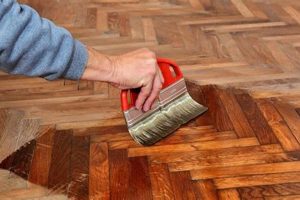
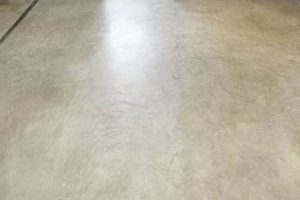
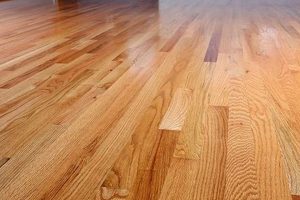
A surface treatment commonly applied to timber flooring, this product creates a durable, protective layer. It is a liquid coating that hardens upon drying, forming a resilient barrier against scratches, stains, and moisture. For example, after sanding and preparing a hardwood surface, multiple coats are often applied to achieve a desired level of sheen and protection.
This treatment is valued for its ability to enhance the aesthetic appeal of wood while simultaneously extending its lifespan. Its application safeguards against daily wear and tear, reducing the frequency of refinishing. Historically, other coatings were used; however, this particular option gained popularity due to its robust nature, ease of application, and long-lasting properties.
Understanding the characteristics of surface treatments such as this one is essential for maintaining the beauty and integrity of timber flooring. The subsequent sections will delve into the types available, application techniques, maintenance procedures, and common issues that may arise.
Tips for Optimal Application and Maintenance
Achieving a flawless and durable surface requires careful preparation, application, and maintenance. The following guidelines will enhance the longevity and aesthetic appeal of the treated surface.
Tip 1: Proper Surface Preparation is Critical: Ensure the wood surface is thoroughly sanded, clean, and free of dust or debris. Inadequate preparation can lead to adhesion issues and an uneven finish.
Tip 2: Select the Appropriate Product Type: Water-based options offer lower VOCs and faster drying times, while oil-based types provide greater durability and a richer amber hue. Consider environmental impact and desired aesthetic outcome when selecting the appropriate product.
Tip 3: Apply Thin, Even Coats: Multiple thin coats are preferable to a single thick coat, which can result in drips, runs, and prolonged drying times. Use a high-quality applicator and maintain consistent pressure.
Tip 4: Allow Adequate Drying Time Between Coats: Adhering to the manufacturer’s recommended drying times is crucial for proper curing and adhesion. Insufficient drying can compromise the integrity of the finish.
Tip 5: Consider Abrading Between Coats: Lightly sanding between coats with fine-grit sandpaper can improve adhesion and create a smoother final surface. Remove all sanding dust before applying the subsequent coat.
Tip 6: Maintain Consistent Environmental Conditions: Temperature and humidity levels can significantly impact drying times and the overall quality of the finish. Work in a well-ventilated area with stable environmental conditions.
Tip 7: Use Appropriate Cleaning Products: Avoid harsh chemicals or abrasive cleaners, which can damage or dull the finish. Opt for pH-neutral cleaners specifically designed for finished wood floors.
Tip 8: Implement Preventative Measures: Utilize area rugs in high-traffic zones and felt pads under furniture legs to minimize scratches and wear. Regular sweeping or vacuuming will remove abrasive particles that can damage the surface.
By adhering to these guidelines, a durable, beautiful, and long-lasting surface can be achieved and maintained. Prioritizing proper preparation, application, and regular maintenance is key to maximizing the investment in timber flooring.
The concluding section will address common problems encountered with treated timber floors and offer solutions for their remediation.
1. Durability

Durability is a paramount consideration when selecting a surface treatment for timber flooring. It directly impacts the floor’s lifespan, maintenance requirements, and overall cost-effectiveness. A resilient finish minimizes the need for frequent repairs and refinishing, preserving both the aesthetic appeal and structural integrity of the wood.
- Abrasion Resistance
The inherent ability to withstand surface wear from foot traffic, furniture movement, and everyday use is critical. Formulations with higher solid content and specialized additives provide superior resistance to scratching, scuffing, and general abrasion. For example, commercial spaces with high foot traffic often necessitate a more durable formulation than residential settings. Premature wear through the coating can expose the wood beneath, leading to accelerated damage and the need for costly repairs.
- Impact Resistance
The capacity to absorb and disperse the energy from impacts, such as dropped objects, is vital. A more flexible composition can better withstand impacts without cracking or chipping. For instance, a brittle finish may shatter upon impact, while a more resilient one will deform slightly and then return to its original shape. Adequate impact resistance prevents localized damage and extends the overall lifespan of the flooring.
- Chemical Resistance
Exposure to household chemicals, cleaning agents, and spills can degrade a surface treatment over time. Formulations that exhibit superior chemical resistance resist staining, discoloration, and softening upon contact with common household substances. For example, a surface treatment lacking chemical resistance may become permanently stained by spilled coffee or damaged by harsh cleaning products. This resistance ensures the flooring maintains its appearance and structural integrity despite accidental exposure.
- Moisture Resistance
The capacity to repel moisture and prevent water penetration is essential for preserving the underlying wood. A more hydrophobic treatment will prevent water from seeping into the wood fibers, which can lead to warping, swelling, and rot. For instance, in areas prone to moisture exposure, such as kitchens and bathrooms, a water-resistant formulation is crucial to prevent water damage and maintain the flooring’s structural integrity.
In summation, the durability of a surface treatment for timber flooring directly correlates with its ability to withstand various forms of wear, tear, and environmental stressors. Selecting a product with appropriate levels of abrasion, impact, chemical, and moisture resistance is crucial for ensuring the long-term performance and aesthetic appeal of the flooring. These factors collectively contribute to a flooring surface that can withstand the demands of daily use and maintain its beauty for years to come.
2. Application Ease

The ease of application is a significant factor influencing the selection and utilization of a surface treatment for timber flooring. Simpler application procedures reduce labor costs, minimize errors, and contribute to project completion efficiency. The following details crucial facets regarding this aspect.
- Surface Preparation Requirements
The level of preparation needed directly impacts application ease. Certain treatments require extensive sanding and cleaning, increasing labor time and complexity. Simpler options may tolerate minor imperfections, reducing preparation efforts. For example, a self-leveling formulation might mask slight surface irregularities, whereas a high-gloss finish necessitates meticulous preparation to avoid visible flaws. Reduced preparation translates to faster project turnaround and lower overall costs.
- Application Method
The chosen method significantly influences the effort involved. Options range from brush and roller to spray application, each with distinct advantages and disadvantages. Brushing and rolling are generally simpler for DIY projects but may result in uneven coatings if proper technique is not applied. Spraying offers faster and more uniform coverage but requires specialized equipment and expertise. The ease of the application method directly impacts the time, labor, and skill required to achieve a desired result.
- Drying Time and Number of Coats
Faster drying times and fewer required coats contribute to greater application ease. Treatments with extended drying periods can prolong project timelines and increase the risk of dust contamination or damage. Similarly, multiple coats increase labor and material costs. Formulations with rapid drying times and excellent coverage reduce project duration and minimize the number of required applications, enhancing overall efficiency.
- Clean-up Procedures
The simplicity of clean-up is an often-overlooked aspect of application ease. Water-based treatments typically offer easier clean-up with soap and water, while solvent-based options require specialized cleaners and disposal methods. Simplified clean-up procedures reduce labor time and minimize environmental concerns associated with hazardous waste disposal. The type of solvent or remover needed contributes directly to how easy the clean-up process is.
The considerations mentioned previously underscore the importance of application ease. Careful evaluation of preparation requirements, application method, drying time, and clean-up procedures is crucial for selecting a treatment that aligns with project goals, skill level, and budgetary constraints. This contributes to optimized workflow and minimizes potential complications during the process.
3. Moisture Resistance

The ability to resist moisture penetration is a critical attribute. As an impermeable barrier, the coating minimizes the absorption of water and other liquids into the wood substrate. This resistance is primarily achieved through the cured film’s density and hydrophobic properties. Untreated timber readily absorbs moisture, leading to swelling, warping, and potential decay. By inhibiting this absorption, the surface treatment mitigates these risks, extending the lifespan of the flooring. For instance, in kitchens and bathrooms, where water exposure is prevalent, this barrier protects the wood from damage caused by spills, humidity, and cleaning activities.
This protective characteristic is directly proportional to the number of coats applied and the quality of the formulation. Multiple layers create a more robust and continuous film, reducing the likelihood of moisture seeping through any imperfections or gaps. Furthermore, specialized formulations, often containing additives such as UV inhibitors and water repellents, provide enhanced protection in demanding environments. The presence of scratches or abrasions compromises this resistance, creating pathways for moisture to enter the wood. Regular maintenance and prompt repair of any surface damage are thus essential for preserving the barrier function.
In summary, moisture resistance is a fundamental property contributing to the longevity and performance. The efficacy of this attribute hinges on proper application, quality of materials, and ongoing maintenance. Understanding this connection is crucial for selecting and maintaining timber flooring in areas susceptible to moisture exposure, preventing potential damage and ensuring the enduring beauty of the surface.
4. Appearance options

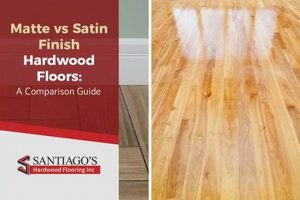
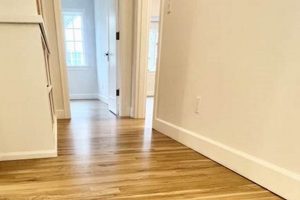
The aesthetic versatility afforded by this flooring treatment constitutes a significant advantage. This surface application provides a spectrum of visual finishes, ranging from matte to high-gloss, influencing the overall perception of the treated space. The cause-and-effect relationship is direct: the chosen coating dictates the floor’s sheen, color depth, and light reflectivity. The availability of these options allows for customization to match diverse interior design styles and preferences. For example, a matte finish might be selected for a rustic or contemporary setting, while a high-gloss finish could enhance the elegance of a formal living room. The significance of appearance options lies in their capacity to transform a functional floor into a design element, contributing significantly to the ambiance and value of a property.
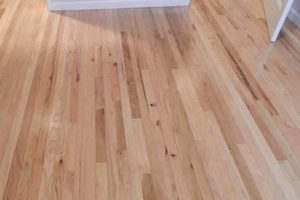
Further broadening the aesthetic palette are variations in color and tone achievable through staining prior to the surface treatment. Staining allows for the enhancement of the wood’s natural grain or the introduction of entirely new hues. This flexibility enables coordination with existing dcor or the creation of a unique visual statement. Consider, for instance, the application of a dark stain to create a dramatic contrast with light-colored walls or the use of a subtle stain to enhance the wood’s natural warmth. The practical application of these techniques lies in the ability to tailor the floor’s appearance to complement the architectural style, lighting conditions, and intended use of the space.
In conclusion, appearance options are an integral component, profoundly impacting the overall aesthetic of a timber floor. The choice of sheen, color, and staining techniques offers designers and homeowners considerable control over the final result. While challenges may arise in selecting the most suitable option for a specific application, understanding the cause-and-effect relationship between the treatment and the resulting appearance is crucial for achieving the desired visual impact. The ability to customize the appearance ensures that the flooring not only provides functional utility but also contributes significantly to the overall design and ambiance of the interior space.
5. Maintenance requirements

Sustaining the aesthetic appeal and protective qualities of timber flooring treated with a surface coating necessitates consistent maintenance protocols. The frequency and intensity of these procedures directly influence the coating’s longevity and the floor’s overall condition.
- Regular Cleaning Procedures
Routine cleaning is fundamental for removing surface debris and preventing the buildup of grime. Sweeping, vacuuming, or using a microfiber mop eliminates abrasive particles that can scratch the coating. The frequency of these activities depends on the level of foot traffic and environmental conditions. For example, households with pets or children may require more frequent cleaning than those with fewer occupants. The implications of neglecting regular cleaning include accelerated wear, a dull appearance, and potential damage to the underlying wood.
- Appropriate Cleaning Agents
The selection of cleaning agents directly impacts the integrity. Harsh chemicals, abrasive cleaners, or excessive water can damage or dull the coating, compromising its protective properties. pH-neutral cleaners specifically designed for finished wood floors are recommended. For instance, ammonia-based products can strip the coating, leaving the wood susceptible to moisture damage and staining. Utilizing appropriate cleaning agents preserves the finish and extends its lifespan.
- Preventative Measures
Implementing preventative measures minimizes wear and tear on the finished surface. Area rugs in high-traffic zones and felt pads under furniture legs reduce the risk of scratches and dents. Maintaining proper humidity levels also prevents excessive expansion and contraction of the wood, which can stress the coating. In practical terms, a doormat at entrances can trap dirt and debris before they are tracked onto the flooring. These precautions safeguard the integrity and maintain the appearance.
- Recoating Frequency
Periodic recoating rejuvenates the surface and restores its protective properties. The frequency of recoating depends on the level of wear and the type of surface treatment applied. A worn or scratched surface is more susceptible to moisture damage and staining. Recoating involves lightly sanding the existing surface and applying a fresh layer of the treatment. For example, residential floors may require recoating every 3-5 years, while commercial floors may need more frequent attention. Timely recoating preserves the floor’s aesthetic appeal and extends its overall lifespan.
These interconnected facets highlight the importance of proactive maintenance. The cumulative effect of regular cleaning, appropriate cleaning agents, preventative measures, and timely recoating ensures that the floor retains its beauty and durability. Neglecting these maintenance requirements can lead to premature wear, costly repairs, and a diminished lifespan. Prioritizing proper care is essential for realizing the full potential of treated timber flooring.
6. VOC Emissions

Volatile Organic Compounds (VOCs) are emitted during the application and curing process of certain surface treatments. Traditional formulations often contain solvents that evaporate into the atmosphere, contributing to air pollution and posing potential health risks. Exposure to elevated VOC levels can cause respiratory irritation, headaches, and, in some cases, more severe health complications. The impact on indoor air quality is a primary concern, particularly in enclosed spaces with limited ventilation. The presence of VOCs directly correlates with the type and quantity of solvents used in the finish formulation. The significance of understanding VOC emissions lies in the ability to make informed choices that minimize environmental impact and safeguard human health. A practical example involves selecting water-based treatments, which typically exhibit significantly lower VOC emissions compared to solvent-based counterparts.
Regulations and consumer awareness have driven the development of low-VOC and zero-VOC formulations. These alternatives utilize different solvents or water-based technologies to reduce the release of harmful compounds. While these options may offer environmental and health advantages, they can sometimes exhibit variations in performance characteristics, such as drying time, durability, or aesthetic qualities. Therefore, careful consideration of the trade-offs between VOC levels and performance is essential. For instance, a project prioritizing environmental sustainability may opt for a low-VOC finish, even if it requires a slightly longer drying time or a different application technique. Furthermore, proper ventilation during and after the application process is crucial for mitigating the impact of any remaining VOC emissions.
In summary, the connection between VOC emissions and flooring treatments is a critical factor in selecting a sustainable and healthy flooring solution. While traditional formulations may offer desirable performance characteristics, the associated VOC emissions necessitate careful consideration. The availability of low-VOC and zero-VOC alternatives provides options for minimizing environmental impact and protecting human health. The challenge lies in balancing VOC levels with desired performance attributes and implementing proper ventilation practices. Ultimately, informed decision-making, driven by an understanding of VOC emissions, contributes to a more responsible and sustainable approach to flooring selection and application.
Frequently Asked Questions
This section addresses common inquiries regarding the application, properties, and maintenance of timber flooring finished with a protective surface coating.
Question 1: How does the durability of water-based versions compare to oil-based options?
Water-based treatments have advanced significantly. While traditionally considered less durable than oil-based counterparts, modern water-based formulations often exhibit comparable resistance to abrasion and chemicals. The specific durability depends on the product’s solids content, formulation, and the number of coats applied. Oil-based treatments typically offer a richer amber hue and may provide slightly better moisture resistance. However, water-based options present lower VOC emissions and faster drying times.
Question 2: What constitutes proper surface preparation prior to the application?
Thorough surface preparation is crucial for optimal adhesion and a flawless finish. This typically involves sanding the wood surface to a smooth, even plane, removing all existing finishes or contaminants. The appropriate sanding grit progression depends on the wood species and the existing surface condition. Following sanding, meticulous cleaning is required to remove all dust and debris. Failure to adequately prepare the surface can result in adhesion issues, uneven coatings, and a compromised final result.
Question 3: What is the recommended method for cleaning timber flooring with this treatment?
Regular cleaning should involve sweeping, vacuuming, or using a microfiber mop to remove surface debris. For deeper cleaning, pH-neutral cleaners specifically designed for finished wood floors are recommended. Harsh chemicals, abrasive cleaners, and excessive water should be avoided. Always follow the manufacturer’s instructions for the specific cleaning product. Proper cleaning techniques prevent damage to the coating and maintain the floor’s aesthetic appearance.
Question 4: How frequently should timber flooring with this type of coating be recoated?
The recoating frequency depends on the level of wear, the type of treatment applied, and the environmental conditions. Residential floors typically require recoating every 3-5 years, while commercial floors may need more frequent attention. Signs of wear, such as scratches, dullness, or damage to the surface coating, indicate the need for recoating. Timely recoating rejuvenates the surface and restores its protective properties, extending the overall lifespan of the flooring.
Question 5: Is it possible to apply this treatment over an existing finish?
Applying a new surface treatment over an existing finish is generally not recommended without proper preparation. The existing finish must be thoroughly sanded to create a suitable surface for adhesion. Compatibility between the old and new finishes should also be considered. In some cases, complete removal of the existing finish is necessary to ensure optimal results. Consulting with a professional is advised to determine the appropriate course of action.
Question 6: What factors influence the drying time of this treatment?
Several factors can influence the drying time, including temperature, humidity, ventilation, and the type of treatment applied. Higher temperatures and lower humidity levels typically accelerate drying, while poor ventilation can prolong the process. Water-based treatments generally dry faster than oil-based options. Adhering to the manufacturer’s recommended drying times is crucial for proper curing and adhesion. Insufficient drying can compromise the integrity of the surface coating.
This FAQ section provides a comprehensive overview of key considerations regarding timber flooring finished with a protective coating. Proper understanding and adherence to these guidelines ensure optimal performance, longevity, and aesthetic appeal.
The subsequent section will delve into troubleshooting common issues that may arise and offer potential solutions.
Polyurethane Wood Finish Floor
This exploration has illuminated the critical aspects of “polyurethane wood finish floor,” ranging from durability and application ease to moisture resistance, appearance options, VOC emissions, and essential maintenance requirements. The performance and longevity of timber flooring treated with such a coating hinge upon informed selection, meticulous application, and consistent upkeep. Understanding the interplay between these elements is paramount for achieving optimal results.
Ultimately, the responsible implementation of “polyurethane wood finish floor” strategies extends beyond mere aesthetics; it encompasses environmental stewardship, economic prudence, and a commitment to preserving the intrinsic value of timber resources. Continued research and innovation in coating technologies will undoubtedly shape future practices, offering ever-more sustainable and effective solutions for protecting and enhancing wood surfaces. Therefore, diligent consideration of these factors remains crucial for maximizing the benefits and minimizing the potential drawbacks associated with this widely utilized flooring treatment.