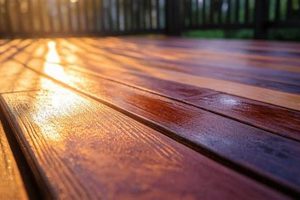
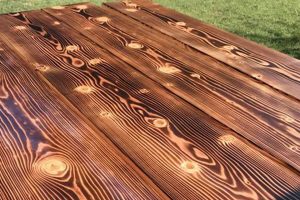
A surface treatment applied to lumber derived from trees in the Populus genus enhances its aesthetic appeal and durability. This process typically involves sanding the wood to a smooth texture, followed by the application of a stain, paint, or clear coating. For example, a table crafted from this type of lumber might receive a protective layer of varnish to resist scratches and moisture.
This method of preparation increases the wood’s resistance to environmental factors such as humidity and UV exposure, extending its lifespan and reducing maintenance requirements. Historically, artisans and manufacturers have utilized this technique to create furniture, cabinetry, and other wood products with enhanced visual appeal and longevity, thus increasing their value and desirability.
The following sections will delve into the specific types of coatings commonly used, the application techniques that yield optimal results, and the factors to consider when selecting the appropriate finishing method for different applications. Considerations will include project type and desired aesthetic.
Enhancing Poplar Lumber Surfaces
The following guidelines provide insights into achieving optimal results when preparing surfaces of lumber derived from the Populus genus. Attention to detail during each stage is crucial for a lasting and visually appealing outcome.
Tip 1: Wood Selection: Prioritize lumber with minimal knots and consistent grain patterns. The presence of excessive imperfections will complicate the finishing process and potentially compromise the final appearance.
Tip 2: Surface Preparation: Sand the surface thoroughly using progressively finer grits of sandpaper. Start with a coarser grit (e.g., 120) to remove imperfections and then move to finer grits (e.g., 220, 320) for a smooth, even surface. Vacuum the surface meticulously after each sanding stage to remove dust particles.
Tip 3: Stain Application (if applicable): When applying stain, ensure even coverage to avoid blotching or uneven coloration. Apply thin coats and allow each coat to dry completely before proceeding. Consider using a wood conditioner prior to staining to promote uniform absorption of the stain.
Tip 4: Sealer Application: Apply a sealer coat to enhance adhesion and provide a uniform surface for the topcoat. Select a sealer compatible with the chosen topcoat to prevent compatibility issues.
Tip 5: Topcoat Selection: Choose a topcoat based on the intended use and desired level of durability. Options include varnish, lacquer, polyurethane, and water-based acrylics. Each offers different levels of protection against scratches, moisture, and UV exposure.
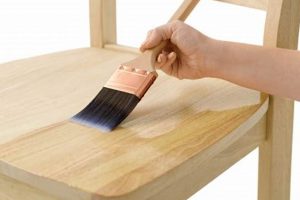
Tip 6: Topcoat Application: Apply the topcoat in thin, even coats using a high-quality brush, sprayer, or wiping cloth. Allow each coat to dry completely before applying the next. Sand lightly between coats with fine-grit sandpaper (e.g., 400 grit) to remove any imperfections and promote adhesion.
Tip 7: Environmental Control: Ensure that the work environment is clean, dust-free, and adequately ventilated. Avoid applying products in direct sunlight or extreme temperatures, as this can affect the drying time and finish quality.
Consistent application of these strategies will yield a durable and aesthetically pleasing result, maximizing the inherent qualities of the lumber. Proper surface preparation is critical to the longevity and overall success of the process.
The subsequent discussion will focus on specific finishing techniques and advanced considerations for achieving professional-grade results.
1. Surface Preparation

Surface preparation is a foundational step in achieving a high-quality Populus lumber surface treatment. It directly impacts the adhesion, appearance, and durability of any coating applied. Neglecting this phase compromises the overall outcome, regardless of the quality of the finish itself.
- Sanding and Smoothing
This process removes imperfections, such as mill marks, scratches, and raised grain, creating a uniform surface for the finish. Sanding with progressively finer grits is crucial. Failure to adequately smooth the wood results in an uneven finish that accentuates, rather than conceals, these flaws.
- Cleaning and Dust Removal
Contaminants like dust, dirt, and oils impede the adhesion of the finish, leading to peeling, bubbling, or discoloration. Thorough cleaning, often involving vacuuming and wiping with a tack cloth, is necessary to ensure a pristine surface. Residue left behind compromises the bond between wood and treatment, reducing its lifespan.
- Addressing Wood Defects
Knots, pitch pockets, and other natural defects in the wood require specific attention. Filling these imperfections with appropriate wood fillers or patching compounds creates a level surface, preventing the finish from sinking or cracking over time. Ignoring such blemishes results in an aesthetically flawed and structurally weakened surface.
- Moisture Content Management
Wood’s moisture content significantly affects finish absorption and adhesion. Lumber that is too wet or too dry may expand or contract after the finish is applied, leading to cracking, warping, or delamination. Ensuring the wood is properly seasoned and acclimated to its environment is essential for a stable and long-lasting result.
The effectiveness of any surface treatment relies heavily on meticulous execution of these preparation steps. Without proper attention to sanding, cleaning, addressing defects, and managing moisture, even the most advanced coatings will fail to deliver optimal performance. The longevity and aesthetic appeal of Populus lumber depend on a solid foundation built through comprehensive surface preparation.
2. Coating Selection
The selection of an appropriate coating is paramount in achieving a successful and durable finish on Populus lumber. Coating choice directly influences the aesthetic appearance, protective qualities, and longevity of the treated wood surface.
- Type of Coating
Various coating types, including varnish, lacquer, polyurethane, and water-based acrylics, offer distinct characteristics. Varnish provides a durable, solvent-resistant finish, suitable for high-wear surfaces. Lacquer dries rapidly, offering a smooth, even surface. Polyurethane excels in moisture resistance, making it ideal for humid environments. Water-based acrylics are environmentally friendly and provide good color retention. The specific application determines the most suitable coating type.
- Compatibility
Coating compatibility with Populus lumber is a crucial consideration. Certain coatings may not adhere well to the wood’s surface or may react adversely with extractives present in the wood. Selecting a coating specifically formulated for use with hardwoods ensures optimal adhesion and prevents potential issues such as peeling, cracking, or discoloration.
- Desired Aesthetic
The desired aesthetic dictates coating selection. Gloss, semi-gloss, satin, and matte finishes offer varying levels of sheen. Transparent coatings showcase the natural wood grain, while pigmented coatings provide color and opacity. The choice should align with the project’s intended design and style.
- Environmental Factors
Environmental factors, such as UV exposure and humidity levels, influence the selection of a coating. Coatings with UV inhibitors protect the wood from fading and discoloration caused by sunlight. Moisture-resistant coatings prevent warping, swelling, and decay in humid environments. Selecting a coating appropriate for the intended environment extends the lifespan of the finished surface.
The interplay between coating type, compatibility, aesthetic considerations, and environmental factors is integral to achieving a superior finish on Populus lumber. Careful evaluation of these elements ensures a durable, visually appealing, and long-lasting result. Failure to consider these aspects can lead to premature failure of the coating and degradation of the underlying wood.
3. Application Technique
The effectiveness of any surface treatment applied to Populus lumber is inextricably linked to the application technique employed. The method by which coatings are applied dictates the uniformity, thickness, and overall quality of the resulting finish. Improper application invariably leads to diminished aesthetic appeal and compromised protection of the underlying wood. For example, applying a varnish with an inadequate brush can leave brush marks and an uneven sheen, while spraying without proper ventilation can result in an inconsistent coating and potential health hazards.
Different coating types necessitate specific application techniques. For instance, stains are often applied with a rag or brush and then wiped to achieve even color penetration. Polyurethane coatings, on the other hand, are commonly sprayed to minimize brush strokes and ensure a smooth, durable surface. Furthermore, the preparation of the wood surface prior to coating directly impacts the success of the application. Failure to properly sand and clean the wood before applying the finish will lead to poor adhesion and an uneven final result. Real-world examples include cabinets with peeling lacquer due to insufficient surface preparation and furniture with bubbled varnish due to improper spraying techniques. The application directly influences the cost and long-term performance.
In summary, the choice of application technique is a critical factor in achieving a desirable and long-lasting finish on Populus lumber. Selecting the appropriate technique, preparing the wood surface meticulously, and adhering to the manufacturer’s guidelines are essential steps in ensuring the successful outcome. Challenges may arise from varying humidity levels and temperature fluctuations, which can affect the drying process. Understanding and addressing these challenges are paramount for achieving professional-grade results and maximizing the lifespan of the finished Populus wood product.
4. Drying Process

The drying process constitutes a critical phase in surface treatment of Populus lumber, exerting a profound influence on the integrity and final appearance of the product. Insufficient or improperly managed drying can negate the benefits of meticulous surface preparation and precise coating application. Moisture trapped within the wood post-treatment can lead to swelling, warping, and eventual delamination of the finish. Conversely, overly rapid drying can result in surface cracking and checking, compromising the structural integrity and aesthetic quality. A carefully controlled drying environment, considering temperature, humidity, and air circulation, is therefore essential for optimizing the final result.
The drying process is affected both by the ambient environmental conditions and the chemical composition of the coatings used. Coatings that dry too quickly may not allow for proper leveling, leading to an uneven surface. Conversely, coatings that dry too slowly increase the risk of dust contamination and can prolong the overall project timeline. Furthermore, the choice of drying method – air drying versus kiln drying, for example – can substantially impact the outcome. Air drying is a gentler process that minimizes stress on the wood but requires a longer duration. Kiln drying accelerates the process but demands precise temperature control to prevent damage to the wood fibers. An example is a furniture manufacturer experiencing finish failures due to insufficient drying, leading to costly rework and customer dissatisfaction.
In conclusion, the drying process is an indispensable component of Populus lumber surface treatment, necessitating careful consideration of environmental factors, coating characteristics, and drying techniques. A thorough understanding of these parameters is vital for achieving a durable, visually appealing, and long-lasting finish. Challenges related to inconsistent drying conditions and inadequate process control must be addressed to maximize the quality and longevity of the finished product, reinforcing its overall value and structural soundness.
5. Environmental Factors
Environmental factors exert a substantial influence on the performance and longevity of surface treatments applied to Populus lumber. Exposure to varying levels of humidity, temperature fluctuations, and ultraviolet (UV) radiation can significantly impact the integrity and aesthetic appeal of the coating. For instance, elevated humidity levels can cause moisture absorption by the wood, leading to swelling, warping, and subsequent delamination of the finish. Conversely, prolonged exposure to intense sunlight can result in the fading and discoloration of the coating, diminishing its protective properties and aesthetic value. The interplay between these environmental elements directly affects the lifespan and appearance of treated Populus wood products. The type of coating has a direct correlation to resisting these factors.
The selection of appropriate surface treatments must, therefore, account for the specific environmental conditions to which the finished product will be exposed. Coatings containing UV inhibitors can mitigate the harmful effects of sunlight, preserving the coating’s color and preventing degradation of the underlying wood. Moisture-resistant coatings can minimize the absorption of water, reducing the risk of swelling and warping. In coastal environments, coatings formulated to withstand salt spray are essential for preventing corrosion and maintaining the integrity of the finish. Interior applications may prioritize coatings with low volatile organic compound (VOC) emissions, contributing to improved indoor air quality. These practical considerations highlight the importance of tailoring the surface treatment to the specific environmental context.
In summary, environmental factors constitute a critical consideration in the successful application and long-term performance of surface treatments on Populus lumber. A thorough understanding of the potential impacts of humidity, temperature, and UV radiation is essential for selecting the appropriate coating and ensuring the durability and aesthetic appeal of the finished product. Challenges related to unpredictable weather patterns and evolving environmental conditions require a proactive approach, emphasizing the importance of ongoing monitoring and adaptation of surface treatment strategies to maximize the lifespan and value of Populus wood products. This proactive approach can extend the longevity of products such as furniture, millwork, and construction components.
6. Maintenance Requirements

Maintenance requirements are an integral consideration when evaluating the long-term suitability of lumber from the Populus genus with a surface treatment. The type of finish applied, the environmental exposure, and the intended use of the treated wood directly dictate the frequency and intensity of required maintenance procedures. Proper maintenance preserves the aesthetic appeal and extends the lifespan of the finished product, protecting the investment in both materials and labor.
- Regular Cleaning
Routine cleaning removes dust, dirt, and other surface contaminants that can degrade the finish over time. Gentle cleaning agents and soft cloths are recommended to avoid scratching or damaging the coating. The frequency of cleaning depends on the environmental conditions and usage; surfaces exposed to heavy traffic or harsh environments may require more frequent attention. Failure to clean regularly can result in a dull appearance and accelerated wear of the finish.
- Protective Measures
Implementing protective measures minimizes the risk of damage to the surface treatment. Using coasters under beverages, placemats under dishes, and felt pads under furniture legs prevents scratches, dents, and stains. Avoiding the use of harsh chemicals or abrasive cleaners preserves the integrity of the finish. Strategic placement of treated wood products away from direct sunlight or excessive moisture further mitigates potential damage.
- Periodic Refinishing
Over time, surface treatments inevitably experience wear and tear, necessitating periodic refinishing. This process involves sanding the surface to remove damaged or degraded layers, followed by the application of a new coating. The frequency of refinishing depends on the durability of the original finish and the level of exposure to wear and tear. Timely refinishing restores the aesthetic appeal and extends the lifespan of the Populus lumber product.
- Inspection and Repair
Regular inspection of the finished surface allows for early detection of damage, such as scratches, chips, or cracks. Prompt repair of minor imperfections prevents them from escalating into more significant problems. Using appropriate touch-up kits or consulting with a professional refinisher ensures proper repair techniques and prevents further damage to the surface. Neglecting minor damage can lead to more extensive and costly repairs in the future.
These maintenance facets are inherently linked to the selection of the initial finish. More durable coatings require less frequent and less intensive maintenance. Conversely, less durable finishes necessitate more vigilant monitoring and more frequent interventions. By understanding the maintenance requirements associated with different surface treatments, informed decisions can be made to optimize the long-term performance and aesthetic value of treated lumber from the Populus genus.
7. Longevity Expectations
The anticipated lifespan of lumber from the Populus genus, when subjected to a surface treatment, is intrinsically linked to the specific methods and materials employed. Longevity expectations represent a critical component of any finishing project, influencing decisions regarding surface preparation, coating selection, and maintenance protocols. The failure to realistically assess and manage longevity expectations can result in premature degradation of the finish, compromising both the aesthetic appeal and structural integrity of the wood. For instance, a clear varnish applied without UV inhibitors to an exterior door crafted from Populus wood is likely to exhibit yellowing and cracking within a relatively short timeframe, negating the initial benefits of the surface treatment. Proper planning and execution are important for longevity.
Achieving desired longevity requires a comprehensive understanding of the factors contributing to finish degradation. These factors encompass environmental exposure, including fluctuations in humidity and temperature, as well as the inherent properties of the wood and the chosen coating. The selection of durable, weather-resistant finishes, coupled with meticulous surface preparation and consistent maintenance, significantly extends the lifespan of the treated wood. Consider interior woodwork that receives only occasional cleaning versus exterior decking exposed to constant weathering; each scenario demands a tailored approach to maximize longevity. The longevity of treated lumber and its cost are also critical.
In summary, longevity expectations serve as a fundamental driver in the process of finishing Populus wood. By carefully considering the environmental context, selecting appropriate materials, and adhering to rigorous maintenance practices, realistic longevity goals can be achieved. Challenges associated with unpredictable environmental conditions and evolving coating technologies necessitate a proactive and adaptive approach to surface treatment, ensuring the long-term preservation and value of lumber from the Populus genus. The selection and preparation of Populus are crucial to the final finish.
Frequently Asked Questions About Finished Poplar Lumber
The following questions address common inquiries regarding surface treatments applied to lumber from the Populus genus, providing insights into performance, applications, and best practices.
Question 1: What are the primary advantages of applying a surface treatment to lumber from the Populus genus?
Applying a surface treatment enhances the wood’s durability, resistance to environmental factors (moisture, UV radiation), and aesthetic appeal. It also provides a protective barrier against scratches, stains, and wear.
Question 2: What are the most suitable types of finishes for Populus wood, considering its inherent characteristics?
Suitable finishes include polyurethane, lacquer, varnish, and water-based acrylics. The choice depends on the intended use, desired aesthetic, and level of durability required. Compatibility with poplar’s grain and absorbent nature should be considered.
Question 3: How does surface preparation impact the success of a surface treatment on Populus lumber?
Thorough surface preparation, including sanding, cleaning, and addressing imperfections, is essential for optimal adhesion and a smooth, even finish. Inadequate preparation leads to poor adhesion and an uneven final result.
Question 4: What are the key considerations for selecting a stain for Populus lumber?
Consider the desired color, grain enhancement, and UV resistance. A wood conditioner can promote even stain absorption, preventing blotching. Test the stain on a sample piece of Populus to ensure the desired outcome.
Question 5: How does environmental exposure influence the longevity of a surface treatment on Populus wood?
Exposure to high humidity, temperature fluctuations, and UV radiation can accelerate the degradation of the finish. Selecting a finish with appropriate protective properties and implementing regular maintenance extends its lifespan.
Question 6: What maintenance practices are recommended for preserving the quality of a surface treatment on Populus lumber?
Regular cleaning with gentle cleaning agents, protective measures to prevent scratches and stains, and periodic refinishing as needed are recommended. Prompt repair of any damage prevents further deterioration.
The information presented aims to provide a clear understanding of best practices in surface treatments for Populus lumber. These guidelines serve as a reference for achieving lasting, quality finishes.
The subsequent section will delve into specific project applications and case studies, illustrating the principles discussed thus far.
Conclusion
This exploration has detailed the multifaceted considerations involved in achieving a quality surface treatment for lumber derived from Populus species. Key points include the criticality of meticulous surface preparation, the informed selection of coatings aligned with project requirements and environmental conditions, the application of appropriate techniques, and diligent maintenance practices. Furthermore, establishing realistic longevity expectations is vital for optimizing both cost-effectiveness and the sustained aesthetic value of the finished product.
The effective implementation of these principles ensures the enduring performance and visual appeal of poplar wood finished items. Continued adherence to established guidelines and proactive adaptation to evolving environmental challenges will further enhance the utility and long-term value of this versatile material across diverse applications.