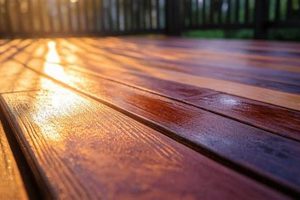
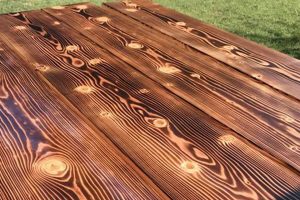
A coating derived from insect secretions, this substance dissolved in alcohol forms a versatile product applied to wooden surfaces. This solution dries to a hard, glossy film, enhancing the aesthetic appeal and providing a degree of protection. It is commonly utilized to bring out the natural grain and color of various wood types.
Its enduring popularity stems from several advantageous characteristics. Historically, it served as a primary finish, celebrated for its clarity, rapid drying time, and ease of application. Furthermore, the finish is repairable; subsequent coats readily meld with previous layers. It offers a barrier against moisture and minor scratches, contributing to the longevity of treated items.
The following sections will delve into preparation techniques, application methods, and considerations for achieving optimal results with this traditional wood finish. Surface preparation, layering techniques, and maintenance strategies will be examined in detail.
Application Guidance
Optimal outcomes depend on adherence to proven techniques. The following guidance offers practical insights for achieving a durable and aesthetically pleasing surface.
Tip 1: Surface Preparation: Ensure the wooden substrate is meticulously sanded and free of contaminants. Residue impairs adhesion and compromises the final appearance.
Tip 2: Dilution for Application: Thinning the solution improves flow and minimizes brush strokes. Multiple thin coats generally yield superior results to a single heavy coat.
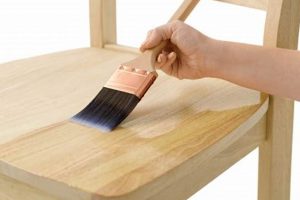
Tip 3: Application Technique: Employ a high-quality brush designed for fine finishes. Apply with long, even strokes, maintaining a wet edge to prevent lap marks.
Tip 4: Sanding Between Coats: Lightly abrade each layer with fine-grit sandpaper (320-400 grit) to create a smooth base for subsequent coats.
Tip 5: Environmental Control: Work in a well-ventilated area with minimal dust. Airborne particles can become embedded in the finish, marring the appearance.
Tip 6: Curing Time: Allow adequate drying time between coats and before subjecting the finished piece to handling or use. Insufficient curing can lead to surface imperfections.
Tip 7: Avoid Temperature Extremes: Apply and dry under moderate temperatures. Avoid direct sunlight or freezing conditions that can affect the flow and drying of the finish.
Adhering to these techniques promotes a smooth, resilient, and visually appealing coating. Correct preparation and application are crucial to realizing the finish’s full potential.
The subsequent section addresses considerations for selecting the appropriate formulation and addressing common challenges encountered during the application process.
1. Clarity

Clarity is a defining characteristic of shellac, significantly influencing its aesthetic value in wood finishing. As a transparent or translucent coating, shellac allows the natural grain and color variations of the wood substrate to remain visible. The absence of significant color casts or opaqueness ensures the wood’s inherent beauty is highlighted rather than obscured. This transparency is particularly important for projects where preserving the wood’s character is paramount. An example would be antique restoration, where maintaining the original appearance and wood tone is desirable. Shellac’s clarity enables restorers to protect the surface without drastically altering the aged patina.
The degree of clarity can vary based on the type of shellac used. Dewaxed shellac, processed to remove natural waxes, generally exhibits higher clarity than shellac with wax content. The presence of wax can impart a slightly cloudy appearance. The selection of shellac type, therefore, depends on the desired level of transparency. For instance, a fine mahogany table might benefit from dewaxed shellac to showcase its rich grain patterns, while a rustic pine surface may not require such stringent clarity. In practical terms, clarity affects how the final finished piece is perceived, influencing the overall impression of quality and craftsmanship.
In summary, the clarity of shellac is a crucial factor that affects the final aesthetic of wood finishing projects. It balances protective properties with the preservation of the wood’s intrinsic beauty. While different types offer varying degrees of clarity, understanding these nuances is crucial for selecting the ideal shellac and applying the optimal finishing technique to any given woodworking endeavor.
2. Adhesion

Adhesion, in the context of shellac for wood finishing, denotes the ability of the coating to firmly bond with the wooden substrate. This property is critical to the long-term performance and durability of the finish. Insufficient adhesion leads to premature failure, manifesting as peeling, flaking, or blistering. Proper surface preparation is paramount in ensuring adequate adhesion. Contaminants, such as dust, grease, or wax, act as barriers, preventing the shellac from establishing a strong bond. Sanding the wood creates a textured surface, increasing the available area for mechanical interlocking and enhancing adhesion. The compatibility of shellac with prior finishes or sealers is also a factor; incompatible materials may compromise the integrity of the bond.
Several factors affect the strength of adhesion. The type and age of shellac, the nature of the wood species, and the ambient conditions during application all contribute. Fresh shellac, properly dissolved in alcohol, typically exhibits superior adhesion compared to older or improperly mixed solutions. Certain wood species, particularly those with high oil content, may require special surface preparation techniques to promote adhesion. Temperature and humidity levels during application influence the drying rate and the formation of the bond; optimal conditions promote even drying and strong adhesion. Case studies of furniture restoration reveal that compromised adhesion often necessitates complete removal of the existing finish and meticulous surface preparation before reapplication.
In summary, adhesion is a fundamental property that determines the longevity and efficacy of shellac as a wood finish. Adequate adhesion depends on a combination of proper surface preparation, appropriate material selection, and controlled application conditions. Understanding the underlying principles of adhesion is essential for achieving professional results and avoiding costly failures. Surface preparation is critical for optimal adhesion which is also vital to longevity and appearance. Understanding the link between these properties aids in the longevity and appearance of shellac as a protective and decorative finish.
3. Durability

The durability of shellac as a wood finish is a significant factor in its suitability for various applications. While prized for its aesthetic qualities and ease of use, its inherent resistance to physical abrasion, moisture, and chemical exposure must be carefully considered. The relatively soft nature of the dried film makes it susceptible to scratching and denting, limiting its use in high-traffic areas or on surfaces subject to frequent contact. Prolonged exposure to moisture can result in clouding or softening of the finish, while certain solvents and cleaning agents can dissolve or damage the coating. The practical implication is that shellac-finished surfaces require careful handling and maintenance to preserve their appearance and integrity. The choice of shellac, therefore, involves weighing its aesthetic advantages against its limitations in durability.
Enhancements to durability can be achieved through specific application techniques and maintenance practices. Multiple thin coats, properly cured, offer greater resistance to wear than a single thick coat. The application of a wax coating provides a degree of protection against moisture and minor abrasions. Regular cleaning with gentle, non-abrasive cleaners helps maintain the finish’s integrity. However, even with these measures, shellac remains less durable than more modern finishes such as polyurethane or lacquer. Examples include instances where shellac finishes on antique furniture, while historically accurate and aesthetically pleasing, require careful preservation to avoid damage from everyday use, compared to contemporary pieces finished with more resilient coatings.
In summary, the durability of shellac presents a trade-off between aesthetic appeal and functional resilience. While its relative softness and susceptibility to moisture and chemicals limit its applicability in certain situations, careful application, maintenance, and appropriate use can mitigate these limitations. The understanding of shellac’s durability characteristics is crucial for making informed decisions about its suitability for specific wood finishing projects and for implementing effective preservation strategies. Therefore, to maximize shellac’s durability, surface preparation, coating types, and maintaining a controlled environment are crucial.
4. Application

The application of shellac directly influences the final outcome of a wood finishing project. The method of applying shellac, be it brushing, spraying, or padding, determines the smoothness, evenness, and overall appearance of the finished surface. An improperly applied coat can result in runs, drips, or an uneven texture, detracting from the aesthetic value of the wood. Surface preparation, including sanding and cleaning, is an integral part of the application process. A poorly prepared surface compromises adhesion, potentially leading to peeling or blistering over time. The environment in which the shellac is applied, including temperature and humidity, also affects the drying rate and finish quality. For instance, high humidity can retard drying, leading to a cloudy or hazy appearance.
Different application techniques yield distinct results. Brushing is a traditional method, suitable for smaller projects or intricate details, but requires skill to avoid brush marks. Spraying provides a more uniform and consistent coating, particularly on larger surfaces, but necessitates appropriate equipment and ventilation. Padding, using a cloth pad to apply thin layers, can produce a smooth, even finish, favored by some for its control and finesse. The choice of application method should align with the size and complexity of the project, as well as the desired aesthetic outcome. For example, in antique furniture restoration, padding might be preferred to maintain the original character and texture, while spraying may be more efficient for refinishing a large tabletop.
In conclusion, the correct application of shellac is paramount to achieving a durable and visually appealing wood finish. Skillful execution, encompassing surface preparation, appropriate application techniques, and environmental control, transforms raw material into a beautiful and functional piece. Application is therefore a central component of shellac for wood finishing and impacts longevity and presentation. Poor application renders shellac useless; skilled application makes it invaluable.
5. Repairability

One of the defining characteristics of shellac as a wood finish is its inherent repairability. This attribute distinguishes it from many modern coatings and contributes significantly to its enduring appeal, particularly in restoration and conservation contexts. The capacity to seamlessly repair damage or address imperfections without requiring complete refinishing stems from shellac’s chemical properties: it readily dissolves in alcohol, allowing new applications to bond with existing layers. This creates a homogenous film rather than discrete strata, effectively eliminating visible repair lines. Minor scratches, watermarks, or blemishes can be rectified by applying a fresh coat of shellac to the affected area, dissolving the existing finish and creating a unified surface. This process minimizes the invasiveness of the repair and preserves the original patina of the wood.
The ease of repair offers tangible benefits in practical applications. For example, consider an antique desk with a shellac finish exhibiting minor scratches accumulated over decades of use. Rather than stripping and refinishing the entire piece, a conservator can selectively address the damaged areas by carefully applying new shellac, blending it seamlessly with the original finish. This approach preserves the historical integrity of the desk while restoring its aesthetic appearance. Similarly, water rings on a shellac-finished tabletop can often be removed by gently applying denatured alcohol and then reapplying a thin coat of shellac to the affected area. The repairability of shellac extends its lifespan, reduces the need for extensive restoration work, and allows for the continued appreciation of antique and vintage wood furniture.
The understanding of shellac’s repairability is essential for both professional wood finishers and amateur enthusiasts. It allows informed decisions regarding maintenance strategies and repair techniques. While some challenges exist, such as color matching and achieving a consistent sheen, the inherent ease with which shellac can be repaired remains a significant advantage. This attribute underscores its value in preserving and restoring valuable wood items, ensuring their beauty and functionality for generations to come. The ease and low cost of repair makes shellac a smart choice in many situations.
6. Coloration

The coloration of shellac exerts a significant influence on the final aesthetic of wood finishing projects. Shellac is not a colorless coating; it exists in a spectrum of hues, ranging from nearly transparent to deep amber. This intrinsic color impacts the underlying wood’s appearance, either enhancing its natural tones or imparting a subtle tint. The choice of shellac color, therefore, becomes a crucial design decision, affecting the perceived warmth, depth, and character of the finished piece. For instance, a clear or “blonde” shellac preserves the light, natural tone of woods like maple, whereas an amber shellac enriches darker woods such as walnut, adding a vintage or antique-like warmth. The coloration effect is not merely superficial; it penetrates the wood’s surface to varying degrees, creating subtle nuances in grain definition and tonal contrast.
The relationship between shellac coloration and wood type dictates the overall outcome. Using dark amber shellac on a naturally red-toned wood, like cherry, intensifies the redness, potentially creating an overly saturated effect. Conversely, a blonde shellac might appear almost invisible on a very light-colored wood, offering minimal enhancement. In practical applications, restorers and woodworkers carefully select shellac color to achieve the desired effect. For example, in antique furniture restoration, matching the original shellac coloration is paramount to maintaining the piece’s historical accuracy. Tinted shellac can also be created by adding dyes or pigments, allowing for custom coloration to achieve specific design objectives. Understanding these subtleties is vital for optimizing the coloration in wood finishing projects.
In summary, the inherent coloration of shellac forms an integral component of the wood finishing process, directly impacting the final appearance. Careful consideration of the shellac’s hue, in relation to the wood species and desired aesthetic, is essential for achieving optimal results. While challenges may arise in color matching and achieving consistent coloration across large surfaces, the ability to manipulate and control this attribute contributes significantly to the versatility and artistic potential of shellac. Therefore, color selection is paramount for maximizing its aesthetic appeal.
7. Solubility
Solubility constitutes a defining characteristic of shellac that significantly impacts its use in wood finishing. This property governs its application, repair, and removal, setting it apart from many synthetic coatings. An understanding of shellac’s solubility is essential for achieving optimal results and addressing common challenges in the finishing process.
- Solvent Base
Shellac dissolves readily in denatured alcohol (ethanol with added denaturants), a property central to its application and cleanup. Unlike water-based finishes requiring water, or oil-based finishes requiring mineral spirits, alcohol is uniquely suited to shellac. Brushes and equipment are easily cleaned with alcohol, and adjustments to the finish’s viscosity are achieved by simply adding more alcohol. The rapid evaporation of alcohol also contributes to shellac’s quick drying time. The choice of solvent is thus critical to the properties and use of this finish.
- Re-Coating and Blending
Shellac’s solubility allows for seamless re-coating and blending of layers. Each new coat partially dissolves the previous layer, creating a homogenous film rather than distinct strata. This facilitates easy repairs of scratches or blemishes and allows for the addition of further coats to build up the finish without creating visible lines or edges. This contrasts with some finishes where careful sanding is needed between coats to ensure adhesion.
- Finish Removal
The alcohol-based solubility of shellac also allows for relatively easy removal, either partially or completely. If a shellac finish is damaged or undesired, it can be stripped using denatured alcohol, without the harsh chemicals needed for removing many synthetic finishes. This feature is particularly valuable in antique restoration where preserving the original wood and minimizing chemical exposure are priorities. The ability to readily remove a finish and start over is a benefit not shared by all wood coatings.
- Limitations with Water and Humidity
Conversely, solubility in alcohol is also a point of vulnerability. Shellac is susceptible to damage from water and high humidity. Excessive moisture can dissolve or soften the finish, leading to clouding, blistering, or white rings. While shellac provides some protection against moisture, it is not suitable for surfaces frequently exposed to water or damp conditions. This limitation dictates the appropriate use cases for shellac, primarily interior, low-moisture environments.
In summary, the solubility of shellac in alcohol is a double-edged sword. While it offers ease of application, re-coating, repair, and removal, it also limits its resistance to moisture. A comprehensive understanding of this characteristic is crucial for selecting the appropriate finish and ensuring its long-term performance. The choice of finish requires understanding its properties.
Frequently Asked Questions
This section addresses prevalent inquiries regarding the utilization of shellac for wood finishing, providing concise and authoritative answers.
Question 1: Is shellac a durable finish for high-use surfaces?
Shellac possesses moderate durability. It offers adequate protection for surfaces experiencing light to moderate use. High-traffic areas or surfaces subject to frequent abrasion may necessitate more resilient finishes.
Question 2: Can shellac be applied over existing finishes?
Shellac adheres best to bare wood or previously shellacked surfaces. Application over incompatible finishes may result in adhesion problems or undesirable aesthetic outcomes. Testing a small area is advised prior to full application.
Question 3: How should shellac be thinned for optimal application?
Shellac requires dilution with denatured alcohol. The ratio depends on the application method and desired film thickness. Multiple thin coats, applied after appropriate dilution, generally yield superior results compared to a single thick coat.
Question 4: What are the primary advantages of using shellac?
Key advantages include rapid drying time, ease of application and repair, clarity, and the ability to enhance wood grain. It also serves as a suitable barrier coat between incompatible finishes.
Question 5: How should shellac-finished surfaces be cleaned and maintained?
Cleaning shellac-finished surfaces requires gentle methods. A soft cloth dampened with mild soap and water is recommended. Abrasive cleaners and excessive moisture should be avoided.
Question 6: Is shellac suitable for outdoor use?
Shellac is primarily intended for interior applications. Exposure to moisture and ultraviolet radiation degrades the finish, reducing its protective and aesthetic qualities. Exterior use is generally discouraged.
In summary, shellac remains a viable option for wood finishing, possessing unique advantages balanced by certain limitations. Informed application and maintenance are crucial for achieving satisfactory results.
The subsequent section explores case studies illustrating the use of shellac in various wood finishing contexts.
Conclusion
The preceding analysis elucidates the multifaceted nature of shellac for wood finishing. Key attributesclarity, adhesion, durability, application, coloration, solubility, and repairabilitydetermine its suitability across diverse woodworking projects. Strategic application, informed by an understanding of these factors, maximizes its benefits. While modern alternatives offer enhanced durability, shellac retains value, particularly in restoration and specialized applications requiring nuanced aesthetic control and ease of repair.
Continued refinement in application techniques and material formulations may further expand its utility. The informed selection and conscientious use of this traditional finish contributes to both the preservation of historical artifacts and the creation of enduring, aesthetically pleasing wooden objects. Therefore, a thorough understanding of shellac’s unique properties is crucial for anyone engaged in wood finishing.