Coatings applied to wooden surfaces that come into contact with edibles must be nontoxic and impart no harmful substances. This requirement ensures that no chemicals leach into victuals, safeguarding consumers’ health. An example includes butcher blocks and wooden salad bowls, where the surface interacts directly with sustenance.
Using appropriate coatings is paramount for health safety, inhibiting bacterial growth, and preventing wood degradation. Historically, natural oils have been employed, but modern options provide enhanced durability and resistance to moisture. The selection of the correct surface treatment contributes to the longevity and hygiene of wooden kitchenware.
This article will explore the various categories of suitable options, examining their composition, application methods, and specific uses. It will also address safety certifications and best practices for maintaining treated wooden surfaces, ensuring they remain appropriate for contact with sustenance over time.
Guidance on Applying Protective Coatings for Culinary Woodware
The proper application and maintenance of coverings designed for implements used in the preparation or serving of meals are essential. The following guidance ensures the durability, safety, and hygiene of these wooden items.
Tip 1: Select an appropriate product. Ensure the covering is explicitly designed and certified for food contact. Review the manufacturers documentation to verify compliance with relevant standards.
Tip 2: Surface preparation is critical. Sand the wood to a smooth finish, typically 220 grit or finer, prior to application. Remove all dust and debris, as contaminants can compromise adhesion and create an uneven surface.
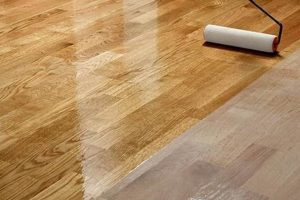
Tip 3: Apply thin, even coats. Multiple thin coats are preferable to a single thick coat. Allow each coat to dry completely per the manufacturer’s instructions. This method promotes proper curing and minimizes the risk of trapped solvents.
Tip 4: Allow adequate curing time. The curing process allows the coating to fully harden and become inert. Premature use can result in softening or leaching of uncured components. Consult the product specifications for recommended curing durations, which can range from days to weeks.
Tip 5: Consider the wood species. Some wood species may require different application techniques or product formulations. For example, oily woods like teak may benefit from a sealant prior to applying the desired coating.
Tip 6: Regular maintenance is crucial. Periodically inspect wooden surfaces for signs of wear, damage, or discoloration. Reapplication may be necessary to maintain the protective barrier. Follow the original application guidelines when reapplying.
Tip 7: Use appropriate cleaning methods. Avoid harsh chemicals or abrasive scrubbers. Opt for gentle detergents and soft cloths to clean wooden items. Excessive moisture should also be avoided during cleaning, and the item should be thoroughly dried afterwards.
Following these guidelines will enhance the protection of wooden surfaces used in culinary contexts, preserving their integrity and promoting the safety of foodstuffs. Prioritizing the correct methodology protects not only the wood itself but also those who come into contact with it.
The subsequent sections will further delve into the assessment and selection criteria for treatments, offering further insights into informed consumer choices and best practices.
1. Nontoxic Composition

The foundational requirement of coatings intended for culinary woodware lies in their nontoxic constitution. This aspect dictates whether a finish qualifies for proximity to edibles. Specifically, these coverings must not leach harmful chemicals into food, nor should they emit volatile organic compounds (VOCs) into the surrounding environment during or after application. The introduction of toxic elements, even in trace amounts, can pose significant health risks upon ingestion or inhalation. An example illustrating this risk involves certain polyurethane finishes that, if not fully cured, may release isocyanates, known irritants and potential carcinogens. Therefore, coatings must be formulated with ingredients that are inert and pose no physiological harm when ingested or contacted.
The evaluation of nontoxic composition extends beyond the immediate chemical make-up. It incorporates an assessment of potential breakdown products and the stability of the finish under varying conditions, such as heat, moisture, and contact with acidic or alkaline substances. For example, some natural oil finishes, while generally considered safe, can become rancid over time, affecting both the taste and safety of foods. Similarly, certain shellac-based coatings may dissolve or degrade upon contact with alcohol, releasing potentially harmful byproducts. The thorough characterization of a coating’s chemical properties is, therefore, a critical step in verifying its suitability for culinary applications.
The practical implication of understanding the nontoxic composition of a coating manifests in informed product selection and responsible application practices. By prioritizing products that explicitly certify compliance with safety standards, such as those established by the FDA or equivalent bodies, consumers and manufacturers alike can mitigate the risks associated with potential chemical contamination. In conclusion, the guarantee of nontoxic composition is the cornerstone for any finish deemed safe for wooden implements used in contact with edibles. This emphasis on safety protects consumer health and maintains the integrity of culinary practices.
2. Application Method

The manner in which coatings intended for culinary woodware are applied directly affects their safety and performance. Improper application can negate the inherent nontoxicity of a chosen finish, creating potential health hazards. For instance, an unevenly applied coating may result in areas with insufficient protection, allowing moisture penetration and promoting bacterial growth. Conversely, excessively thick layers can impede complete curing, trapping solvents and potentially leading to the leaching of harmful chemicals into food. The preparation of the wooden surface, including thorough sanding and cleaning, is a prerequisite to ensure proper adhesion and prevent contamination that could compromise the finish’s integrity. Therefore, adherence to recommended application protocols is not merely a matter of aesthetics but a critical factor in maintaining food safety.
Different types of treatments necessitate distinct application techniques. Oil finishes, such as mineral oil or walnut oil, are often applied by saturation, requiring repeated applications until the wood is fully saturated. These finishes typically involve wiping off excess oil to prevent a sticky or tacky surface. Polyurethane-based coatings, on the other hand, may require the use of brushes or sprayers to achieve a uniform and durable layer. Each method introduces specific challenges and considerations. Brushing can leave brush marks, while spraying requires proper ventilation and safety equipment to avoid inhalation of potentially harmful vapors. Moreover, the compatibility of the coating with the application tool must be considered, as certain solvents can dissolve or damage brushes and spray equipment.
In conclusion, the application method constitutes an indispensable component of achieving a safe and effective finish for wooden items intended for culinary use. Improperly applied coatings can negate the intended protective benefits and introduce health risks. Strict adherence to manufacturer’s instructions, combined with meticulous surface preparation and appropriate tool selection, is paramount. The successful application of these finishes ensures the longevity, hygiene, and safety of wooden kitchenware. Future research could focus on developing application methods that minimize VOC emissions and improve the durability of finishes while retaining food safety standards.
3. Durability

The durability of surface treatments applied to wooden culinary items is directly related to safety and longevity. A coatings ability to withstand repeated use, cleaning, and exposure to moisture determines its effectiveness in preventing bacterial ingress and maintaining a hygienic surface. When a protective barrier degrades or becomes compromised, the underlying wood is vulnerable to water damage, warping, and microbial contamination. For instance, a cutting board with a coating that easily scratches or wears away provides crevices where bacteria can accumulate, even after thorough cleaning. Therefore, durability is not merely a matter of aesthetic appeal but a fundamental component of food safety.
The selection of appropriate materials and application techniques significantly influences durability. Polymerized oil finishes, for example, offer increased resistance to water and abrasion compared to simple mineral oil treatments, resulting in longer-lasting protection. Similarly, the application of multiple thin coats, allowed to fully cure between each layer, generally yields a more resilient surface than a single thick coat. Real-world examples include wooden salad bowls and utensils that, when treated with durable, food-safe coatings, can withstand frequent washing and handling without compromising their protective barrier. Regular maintenance, such as reapplication of the coating as needed, further extends the lifespan and ensures continued safety.
In summary, durability is a critical attribute of coverings designed for culinary woodware. A durable coating provides long-term protection against moisture, bacteria, and wear, ensuring the safety and hygiene of the wooden surface. Challenges remain in balancing durability with food safety, as some highly durable coatings may not meet the stringent criteria for nontoxicity. However, ongoing research and development are yielding improved formulations that offer both longevity and safety. Understanding the practical significance of durability ensures informed choices, proper maintenance, and the sustained use of wooden items in culinary contexts.
4. Moisture Resistance

The capacity to resist moisture penetration constitutes a critical attribute of coatings designed for wooden items used in culinary environments. Water absorption by wood can instigate a cascade of detrimental effects, including warping, cracking, and the proliferation of microorganisms. Coatings that effectively prevent water ingress mitigate these risks, preserving the structural integrity and hygiene of the treated surface. The effectiveness of a finish in repelling moisture directly influences its suitability for applications involving direct contact with sustenance. For instance, a wooden salad bowl treated with a water-resistant, food-safe coating will maintain its shape and prevent the growth of harmful bacteria that could contaminate the food, compared to an untreated bowl that would rapidly absorb moisture and degrade.
Several factors contribute to the moisture resistance of a coating. The chemical composition of the finish dictates its inherent water-repellent properties. Polymerized oils, for example, create a cross-linked network that is far less permeable to water than unpolymerized oils. The application method also plays a crucial role. Multiple thin coats, properly cured, provide a more continuous and impermeable barrier than a single thick coat. Furthermore, the choice of wood species can influence the performance of the coating. Denser hardwoods generally absorb less moisture than softer woods, enhancing the effectiveness of the protective barrier. Therefore, selecting the appropriate finish, employing proper application techniques, and considering the characteristics of the wood substrate are all essential for achieving optimal moisture resistance.
In summary, moisture resistance is an indispensable characteristic of coverings intended for culinary woodware. By preventing water absorption and its associated consequences, these finishes contribute significantly to the longevity, safety, and hygiene of treated wooden items. While challenges remain in developing coatings that offer both high moisture resistance and complete food safety, ongoing advancements in materials science are yielding promising solutions. Understanding the practical importance of moisture resistance enables informed product selection and effective maintenance practices, ensuring that wooden kitchenware remains both functional and safe for extended use.
5. Regulatory Compliance

Adherence to regulatory standards forms the backbone of ensuring the safety and suitability of coatings used on wooden surfaces intended for food contact. These regulations establish permissible substances and acceptable limits, aiming to protect consumer health from potential hazards associated with chemical migration into foodstuffs. Compliance provides assurance that the treatment meets established benchmarks for nontoxicity and safe use.
- FDA Regulations (21 CFR)
The United States Food and Drug Administration (FDA) sets forth specific regulations under Title 21 of the Code of Federal Regulations (CFR) governing materials that come into contact with food. These regulations define permissible substances and establish limitations on their use. For coatings, this means that all ingredients must be approved for food contact and must not migrate into food in quantities that could pose a health risk. Failure to comply with these regulations can result in product recalls and legal penalties. An example includes the prohibition of certain heavy metals in pigments used in coatings for wooden utensils.
- European Union Regulations (EC 1935/2004)
The European Union (EU) has its own framework regulation (EC) No 1935/2004 concerning materials and articles intended to come into contact with food. This regulation establishes general safety requirements and provides a basis for specific measures relating to different materials. It ensures that coatings used on wooden products do not transfer their constituents to food in quantities that could endanger human health or bring about an unacceptable change in the composition or characteristics of the food. Non-compliance can lead to trade restrictions within the EU. An instance of this is the limitation on the migration of formaldehyde from coatings used on wooden cutting boards.
- Third-Party Certifications
Beyond government regulations, third-party certifications provide an additional layer of assurance regarding the safety of coatings. Organizations such as NSF International and the Greenguard Environmental Institute offer certifications based on rigorous testing and evaluation. These certifications demonstrate that a coating has been independently verified to meet specific safety standards. For example, a coating certified by NSF for food zone contact signifies that it is safe for direct contact with food and can withstand frequent cleaning without degrading. These certifications are valuable for manufacturers seeking to demonstrate their commitment to safety and for consumers seeking reassurance.
- Migration Testing and Limits
A crucial aspect of regulatory compliance involves migration testing, where the potential transfer of substances from the coating into food simulants is assessed. Regulations specify acceptable migration limits for various chemicals, ensuring that any transfer remains within safe levels. These tests often involve exposing the coated material to different food simulants under controlled conditions and then analyzing the simulants for the presence of migrating substances. Compliance with migration limits is essential for demonstrating that a coating does not pose a health risk. An example includes testing for the migration of bisphenol A (BPA) from coatings used on wooden food storage containers.
These various facets of regulatory compliance, from adherence to FDA and EU regulations to obtaining third-party certifications and passing migration tests, collectively ensure that coatings used on wooden items intended for food contact meet stringent safety standards. By prioritizing compliance, manufacturers and consumers can mitigate the risks associated with chemical contamination and promote the safe use of wooden kitchenware. Continuous monitoring and adaptation to evolving regulatory requirements are essential for maintaining the integrity of coatings and safeguarding public health.
6. Maintenance Practices

Sustaining the integrity and safety of coatings applied to woodenware designed for culinary use depends significantly on rigorous and consistent maintenance practices. These procedures not only extend the life of the protection but also ensure the continued absence of harmful substances leaching into victuals.
- Regular Cleaning Protocols
Implementation of appropriate cleaning methods constitutes a primary aspect of maintenance. Abrasive cleansers or harsh chemicals can compromise the covering, leading to premature degradation. Gentle detergents and soft cloths are advisable, avoiding prolonged exposure to excessive moisture. For instance, a wooden salad bowl should be promptly dried after washing to prevent water absorption and subsequent microbial growth. These practices preserve the treated surface and inhibit contamination.
- Periodic Reapplication of Coatings
The nature of usage and environmental factors gradually erode the protective capacity of coverings. Periodic reapplication of a appropriate coating can renew the barrier against moisture, bacteria, and wear. The frequency of reapplication varies based on the specific covering, the intensity of usage, and prevailing environmental conditions. Butcher blocks, for instance, often require more frequent oiling compared to wooden utensils due to their constant contact with moisture and raw foodstuffs. Consistent reapplication maintains food safety.
- Inspection for Wear and Damage
Consistent visual inspection for signs of wear, damage, or discoloration allows timely intervention before significant degradation occurs. Cracks, scratches, or peeling can expose the underlying wood to moisture and bacteria, negating the protective benefits. Recognizing these signs early facilitates prompt repair or reapplication, averting potential health hazards. For example, spotting a crack in a wooden spoon’s covering necessitates immediate attention to prevent bacterial accumulation within the fissure. Proactive inspections uphold safety standards.
- Proper Storage Conditions
Appropriate storage environments further contribute to the longevity and efficacy of coatings. Extremes in temperature or humidity can negatively affect the integrity of the covering, leading to premature failure. Storing wooden implements in cool, dry locations prevents warping, cracking, and coating degradation. Conversely, prolonged exposure to direct sunlight can cause coatings to fade or become brittle. Controlled storage conditions extend the life of the woodware and the protectant.
Collectively, these maintenance practices are integral to preserving the safety and functionality of coatings utilized on culinary woodware. Strict adherence to recommended cleaning protocols, periodic reapplication, diligent inspection, and appropriate storage not only prolong the life of treated wooden items but also safeguard those who utilize them, emphasizing the importance of consistent care for maintaining safety in contact with food.
Frequently Asked Questions About Protective Coatings for Culinary Wood Surfaces
This section addresses common inquiries and clarifies misconceptions regarding coverings designed for wooden items in direct contact with food. The answers provided aim to offer clarity and guidance based on scientific principles and established best practices.
Question 1: Is it possible for all “food safe finishes for wood” to be entirely non-toxic?
A surface treatment labeled as such must adhere to rigorous regulatory standards. The term implies that the dried and cured finish does not leach harmful substances into food in quantities that pose a health risk. It does not necessarily mean the product is entirely devoid of any chemical compounds, but rather that the compounds present are within acceptable safety limits.
Question 2: How often should a “food safe finishes for wood” be reapplied to a butcher block?
Reapplication frequency depends on usage intensity, cleaning methods, and the specific coating. Butcher blocks that undergo daily use and frequent washing will necessitate more frequent reapplication, potentially as often as monthly. Visual inspection for dryness or water absorption is a reliable indicator for when maintenance is needed.
Question 3: Are natural oil finishes inherently safer than synthetic “food safe finishes for wood”?
The designation “natural” does not automatically equate to enhanced safety. Some natural oils can become rancid over time or may not provide adequate protection against moisture and bacteria. The safety of any finish, regardless of its origin, hinges on its compliance with regulatory standards and its suitability for the intended use.
Question 4: Can the application method of “food safe finishes for wood” affect its safety?
Improper application can compromise the safety of even the most benign protectant. Uneven coatings, incomplete curing, or inadequate surface preparation can lead to trapped solvents or insufficient protection against moisture and microbial growth. Adhering to the manufacturer’s instructions is paramount.
Question 5: Are all “food safe finishes for wood” suitable for all types of wood?
Certain types of wood may require different types of coverings. Oily woods, for example, may need a sealant prior to applying a topcoat. Manufacturers’ specifications should be consulted to ensure compatibility between the wood species and the selected protectant.
Question 6: Can a “food safe finishes for wood” prevent all bacterial growth on a wooden surface?
While appropriate surface treatments inhibit bacterial growth, they do not provide a sterile environment. Consistent cleaning and maintenance are still necessary to minimize the risk of contamination. Furthermore, coatings with antimicrobial additives may offer enhanced protection, but their safety and efficacy must be verified.
The crucial aspects of the article can be summarized as; the coatings applied to wooden surfaces that come into contact with edibles must be nontoxic and impart no harmful substances, using appropriate coatings is paramount for health safety, inhibiting bacterial growth, and preventing wood degradation, and durability of surface treatments applied to wooden culinary items is directly related to safety and longevity.
The subsequent section will present a conclusion summarizing key concepts and offering perspectives on future trends in “food safe finishes for wood”.
Conclusion
The preceding exploration has underscored the critical importance of selecting and maintaining appropriate surface treatments for wooden items used in culinary contexts. The necessity for non-toxic compositions, proper application techniques, durability, moisture resistance, and regulatory compliance cannot be overstated. Failure to adhere to these principles can compromise consumer health and undermine the integrity of food preparation practices.
The informed selection of these protective coatings requires diligent consideration and a commitment to safety. Future innovation and research must prioritize developing surface treatments that not only meet but exceed current safety standards, ensuring the enduring safety and utility of wooden culinary implements for generations to come. Ongoing education and adherence to best practices are essential for all stakeholders, from manufacturers to consumers, in upholding the highest standards of safety in culinary environments.