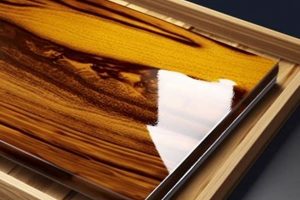
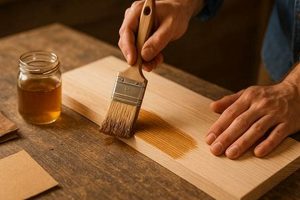
Prepared softwood sourced from coniferous trees, such as those belonging to the Pinus genus, undergoes a process to enhance its appearance and durability. This treatment typically involves sanding, staining, and the application of a protective coating like varnish or lacquer. The result is a surface that is smoother, more resistant to moisture and wear, and often visually more appealing. For example, interior trim, furniture components, and decorative paneling frequently utilize this type of material after processing.
The use of this treated material offers numerous advantages. Enhanced resistance to environmental factors increases the lifespan of the product. The application of stains and protective layers allows for customization, enabling it to complement a variety of design aesthetics. Historically, this method has been employed to improve the practicality and longevity of wood-based items, making them suitable for both utilitarian and ornamental purposes. The relatively low cost and workability of the raw material, coupled with the benefits of surface treatment, contributes to its widespread adoption.
The subsequent sections will explore the selection criteria for choosing the appropriate treatment methods, the various application techniques that yield optimal results, and the long-term maintenance strategies necessary to preserve the integrity and appearance of these surfaces.
Tips for Working with Finished Pine Wood
Achieving optimal results with this material requires careful consideration during each stage of a project. The following tips provide guidance on material selection, preparation, and maintenance.
Tip 1: Select Kiln-Dried Lumber: Prioritize lumber that has undergone kiln-drying. This process reduces moisture content, minimizing warping, cracking, and dimensional instability after finishing. Examine the moisture content with a meter for optimal results.
Tip 2: Sand Thoroughly: Proper surface preparation is crucial. Begin with a coarser grit sandpaper (e.g., 120-grit) to remove imperfections and then progressively move to finer grits (e.g., 220-grit) for a smooth, uniform surface. Ensure all sanding marks are eliminated before applying any finish.
Tip 3: Use a Wood Conditioner: Apply a wood conditioner before staining. Pine is prone to blotching; a conditioner helps ensure even stain absorption and a more consistent color across the surface. Follow the manufacturer’s instructions for application and drying times.
Tip 4: Choose the Right Finish: Select a finish appropriate for the intended application and desired aesthetic. Oil-based finishes offer durability and warmth, while water-based finishes are lower in VOCs and dry quickly. Consider the level of gloss and protection required for the project.
Tip 5: Apply Thin Coats: Apply finishes in thin, even coats. Multiple thin coats are preferable to a single thick coat, as they minimize drips, runs, and uneven drying. Allow each coat to dry completely before applying the next.
Tip 6: Sand Between Coats: Lightly sand between coats of finish with a fine-grit sandpaper (e.g., 320-grit or higher). This creates a smoother surface and improves adhesion for subsequent coats. Remove all sanding dust before proceeding.
Tip 7: Consider a Sealer: Applying a sanding sealer before the final finish coats can further enhance the smoothness and durability. This helps to fill the wood pores and provide a more uniform surface for the topcoat.
Tip 8: Maintain with Care: Regularly clean surfaces with a mild soap and water solution. Avoid harsh chemicals or abrasive cleaners, which can damage the finish. Apply a furniture polish or wax periodically to maintain the luster and protect the surface.
Adhering to these guidelines enhances the final appearance and longevity of projects using this adaptable material. Proper material selection, meticulous preparation, and careful finishing are essential for achieving professional-quality results.
The following sections will delve into advanced finishing techniques and address common challenges encountered when working with this wood type.
1. Appearance

The connection between “finished pine wood” and appearance is fundamental. Surface treatment directly impacts the visual characteristics of the lumber, transforming it from its raw state to a more refined aesthetic. Sanding removes imperfections and creates a smoother base, while staining or painting alters the color and grain definition. Protective topcoats, such as varnish or lacquer, add sheen and enhance the visual appeal. The appearance of a piece of furniture made of this material, for instance, is largely defined by the choices made during the finishing process, impacting its value and suitability for specific design styles. Without surface treatment, the natural characteristics of the wood may be less desirable or susceptible to rapid degradation. The selection of finishing techniques significantly shapes the final visual presentation.
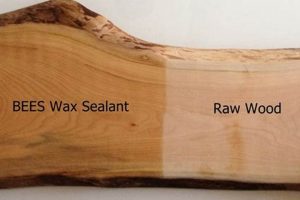
Consider the difference between unfinished pine and a piece coated in a clear polyurethane. The unfinished wood may exhibit a rough texture, inconsistent color, and a susceptibility to staining. Conversely, the polyurethane-coated piece presents a smooth, uniform surface with enhanced grain definition and a protective layer that resists scratches and moisture. The enhanced appearance often translates to increased market value and broader application possibilities. A carefully chosen stain can highlight the wood’s natural grain patterns or provide a consistent color tone, allowing it to blend seamlessly with existing decor or architectural elements. Skilled finishing can elevate the perceived quality of less expensive softwoods, making it a versatile choice for a range of projects.
In summary, appearance is not merely a cosmetic consideration, but an integral element of treated Pinus lumber influencing its utility, market value, and suitability for diverse applications. Understanding the relationship enables informed decisions during material selection and processing, leading to desired outcomes. Challenges in achieving a flawless appearance often stem from inadequate surface preparation or improper application techniques. Addressing these challenges directly improves the final product, reinforcing the importance of mastering these skills.
2. Durability

The durability of processed Pinus lumber is significantly influenced by the finishing techniques employed. Surface treatments act as protective barriers, mitigating the effects of environmental factors and physical wear, thereby extending the lifespan of the material. The level of protection conferred directly impacts the suitability of this lumber for different applications, ranging from interior trim to exterior structures.
- Moisture Resistance
Untreated softwood is highly susceptible to moisture absorption, leading to warping, swelling, and rot. Finishes such as varnish, lacquer, and oil-based sealants create a hydrophobic barrier, preventing water penetration and minimizing dimensional changes. This is particularly crucial for outdoor applications where the wood is exposed to rain, humidity, and fluctuating temperatures. For example, treated decking demonstrates increased resistance to water damage, preventing decay and maintaining structural integrity for a longer period.
- Abrasion Resistance
Protective coatings enhance the material’s resistance to abrasion and physical wear. This is especially important for surfaces that experience frequent contact or friction, such as flooring, furniture tops, and countertops. Durable finishes, such as polyurethane, form a hard, scratch-resistant layer that protects the underlying wood from damage. The improved abrasion resistance ensures the surface retains its appearance and structural integrity despite daily use. Consider the difference between a heavily used wooden table with and without protective surface treatment. The former will sustain damage far more slowly.
- UV Protection
Exposure to ultraviolet (UV) radiation can cause discoloration, fading, and degradation of untreated lumber. Certain finishes, particularly those containing UV inhibitors, provide a protective barrier against the harmful effects of sunlight. This is critical for outdoor applications and areas exposed to direct sunlight, such as windowsills and exterior siding. UV-resistant coatings help preserve the natural color and appearance of the wood, preventing it from turning gray or developing surface cracks. The improved color retention greatly increases the appeal of the treated material.
- Resistance to Biological Degradation
Softwood is vulnerable to attack by insects, fungi, and other organisms that cause decay. Certain finishes, particularly those containing preservatives, can provide protection against these biological threats. These preservatives penetrate the wood fibers, making them less palatable to pests and inhibiting the growth of fungi. This is particularly important for lumber used in damp or humid environments where biological degradation is a significant concern. Wood used outdoors is treated with specific chemicals which protects from natural threats.
In summary, the durability of processed Pinus lumber is significantly improved through the application of appropriate finishing techniques. The selection of the right finish depends on the specific application and the environmental conditions to which the wood will be exposed. Enhancing moisture resistance, abrasion resistance, UV protection, and resistance to biological degradation collectively contribute to the increased longevity and performance of wood products. The judicious use of finishes is essential for maximizing the service life and minimizing maintenance requirements of these materials.
3. Protection

The concept of protection is intrinsically linked to treated Pinus lumber. Surface treatments applied to the wood serve as defensive barriers against various detrimental factors, safeguarding the underlying material from damage and degradation. The degree and type of protection afforded by a finish directly impact the longevity, usability, and aesthetic appeal of the lumber. The effectiveness of this protection is crucial in determining whether the finished material can withstand the intended environmental conditions and functional demands. Failure to adequately protect can result in premature deterioration, necessitating costly repairs or replacements. Consider exterior window frames: untreated examples will quickly degrade from exposure to sun and weather. Treated examples show resistance and retain visual and structural integrity.
The practical implications of protective finishes extend beyond mere preservation. For instance, finishes designed for kitchen cabinetry need to repel water and resist staining from food spills. Similarly, flooring finishes require robust abrasion resistance to withstand foot traffic and prevent scratches. In outdoor applications, lumber demands protection against ultraviolet radiation to prevent fading and structural weakening, and protection against moisture to prevent rot. The selection of a finish must therefore align with the intended use of the material and the specific challenges it will face. Selecting a non-specialized finish type for a high-traffic or high-moisture area would result in finish breakdown or early wear of the wood. Specific sealant and water proofing agents, coupled with physical barriers like paint, can make the finished material much more resistant to damage.
In summary, protection is an indispensable attribute of treated Pinus lumber. Surface treatments shield the material from moisture, abrasion, UV radiation, and biological attack, thereby extending its lifespan and maintaining its appearance. A thorough understanding of the various protective properties offered by different finishes is essential for selecting the appropriate treatment for a given application. Neglecting the importance of protection can lead to premature failure and increased maintenance costs, underscoring the need for careful consideration during the finishing process. The careful selection of protective measures greatly extends the life and utility of this lumber.
4. Cost-Effectiveness

The economic viability of utilizing treated Pinus lumber is a significant factor in its widespread adoption across diverse applications. Examining the cost-effectiveness requires consideration of several facets beyond the initial purchase price, encompassing the material’s durability, longevity, and ease of processing.
- Material Acquisition Costs
Raw Pinus lumber is generally less expensive than many hardwood alternatives, contributing to lower initial material costs. The abundance and renewability of pine resources contribute to its affordability, making it an attractive option for budget-conscious projects. For example, constructing shelving units from pine instead of oak can significantly reduce material expenses without compromising structural integrity. The difference in upfront investment can be substantial.
- Finishing Process Efficiency
Pine’s inherent properties facilitate efficient finishing processes. Its relatively soft texture allows for easier sanding and shaping compared to denser hardwoods, reducing labor time and associated costs. The ease of stain absorption also minimizes the quantity of finishing products required. This efficiency translates to lower labor costs and material consumption during the surface treatment phase.
- Extended Lifespan and Reduced Maintenance
While untreated Pinus lumber may have limited durability, appropriate finishing techniques can significantly extend its service life. Protective coatings, such as varnish or sealant, enhance resistance to moisture, abrasion, and UV radiation, reducing the need for frequent repairs or replacements. This longevity translates into long-term cost savings by minimizing maintenance expenses and deferring the need for complete replacements.
- Versatility and Wide Availability
The adaptability of treated Pinus lumber to various applications contributes to its overall cost-effectiveness. Its suitability for both structural and decorative purposes eliminates the need for specialized materials in many projects. Widespread availability through lumber yards and home improvement stores ensures competitive pricing and convenient access, further reducing procurement costs. This accessibility is often unmatched by more specialized or exotic wood species.
In conclusion, the cost-effectiveness of treated Pinus lumber stems from a combination of affordable raw materials, efficient finishing processes, enhanced durability, and broad applicability. While the initial purchase price is a significant factor, the long-term benefits of reduced maintenance, extended lifespan, and versatile usage contribute to its economic advantages across a wide range of construction and woodworking endeavors. This economic efficiency makes finished pine wood a prevalent choice in building and design.
5. Workability
The term “workability” in relation to Pinus lumber encompasses the ease with which the material can be shaped, joined, and finished. This characteristic significantly influences project efficiency and the quality of the final product. Several factors contribute to the overall workability, impacting its suitability for various woodworking and construction applications.
- Machinability
Pinus wood exhibits good machinability, meaning it can be easily cut, drilled, and shaped with both hand tools and power tools. Its relatively soft texture minimizes wear on cutting edges and allows for smooth, clean cuts. This ease of machining reduces the time and effort required for fabrication, making it a preferred choice for projects involving intricate designs or precise dimensions. Examples include the creation of detailed moldings or the cutting of accurate joints for furniture construction. The lower density, compared to many hardwoods, facilitates efficient processing.
- Nail and Screw Holding
While Pinus is softer than many hardwoods, it provides adequate nail and screw holding capacity for most applications. The wood fibers readily grip fasteners, creating secure connections. However, care must be taken to avoid overdriving fasteners, which can split the wood. Pre-drilling pilot holes is recommended, particularly near the ends of boards or when using larger fasteners. For applications requiring exceptional holding strength, the use of adhesives in conjunction with mechanical fasteners is advised. For instance, constructing a frame with nails and glue will result in a stronger and more durable joint.
- Glueability
Pinus lumber bonds well with most common wood adhesives, including aliphatic resin (yellow) glue, polyvinyl acetate (PVA) glue, and epoxy. Proper surface preparation, such as sanding and cleaning, is essential for achieving strong and reliable glue joints. Clamping pressure should be applied during the curing process to ensure intimate contact between the wood surfaces. The porous nature of the wood allows for good penetration of the adhesive, resulting in a durable bond. For example, assembling a tabletop from multiple boards requires effective gluing to create a stable and seamless surface.
- Finishing Receptivity
Pinus is highly receptive to a wide range of finishes, including stains, paints, varnishes, and lacquers. However, its porous nature can lead to uneven stain absorption, resulting in blotching or streaking. To mitigate this issue, the use of a wood conditioner or pre-stain sealer is recommended. These products help to equalize the wood’s porosity, promoting more uniform stain penetration. Careful sanding and surface preparation are also crucial for achieving a smooth and consistent finish. The ability to accept diverse finishes allows for customization and aesthetic versatility.
These workability characteristics directly influence the suitability of finished Pinus lumber for diverse applications. Its machinability simplifies fabrication, its fastener holding capacity ensures structural integrity, its glueability enables strong joinery, and its finishing receptivity allows for aesthetic customization. Understanding these factors is essential for selecting appropriate materials and techniques, resulting in efficient project execution and high-quality finished products. Proper handling techniques can further maximize these beneficial properties, making Pinus a practical choice for many woodworking projects.
6. Sustainability

The connection between treated Pinus lumber and sustainability is increasingly critical within the broader context of responsible resource management. Sustainable forestry practices, such as selective logging and reforestation efforts, are fundamental to ensuring the long-term availability of pine resources. The environmental impact of finishing processes, including the use of volatile organic compounds (VOCs) in certain coatings, presents a significant concern. The cause-and-effect relationship is direct: unsustainable harvesting depletes forests, while environmentally damaging finishing processes contribute to air and water pollution. Certification programs, such as those offered by the Forest Stewardship Council (FSC), play a crucial role in verifying that lumber originates from responsibly managed forests. Choosing certified lumber provides assurance that environmental and social standards have been met. For example, a furniture manufacturer committed to sustainability might exclusively source FSC-certified Pinus and utilize low-VOC finishes to minimize its environmental footprint. The importance of sustainability as a component of this material is multifaceted, encompassing ecological preservation, economic viability, and social responsibility.
Practical applications of sustainable practices extend throughout the entire lifecycle. Implementing closed-loop manufacturing processes, where waste materials are recycled or repurposed, reduces environmental impact. Employing water-based finishes or those with low VOC content minimizes air pollution and promotes a healthier working environment. Designing products for durability and longevity reduces the need for frequent replacements, conserving resources. Examples include using reclaimed lumber for accent walls, turning sawdust from milling operations into composite materials, and formulating finishes that are biodegradable and non-toxic. Consumer demand for eco-friendly products drives innovation and encourages manufacturers to adopt more sustainable practices. Governmental regulations and incentives further promote the adoption of environmentally responsible practices throughout the supply chain. The demand helps fuel the refinement and wider adoption of better environmental processes in this building component.
In conclusion, the sustainability of treated Pinus lumber is a multifaceted consideration encompassing responsible forest management, environmentally conscious finishing processes, and product lifecycle stewardship. Challenges remain in promoting widespread adoption of sustainable practices and ensuring transparency throughout the supply chain. By prioritizing responsible sourcing, minimizing environmental impacts, and designing for durability, it is possible to maximize the benefits of this versatile material while safeguarding forest ecosystems for future generations. Linking this understanding to broader themes of climate change mitigation, biodiversity conservation, and social equity reinforces the importance of making informed choices throughout the product lifecycle. Promoting sustainability in the context of construction materials ensures resource efficiency and environmental protection in parallel.
Frequently Asked Questions About Finished Pine Wood
This section addresses common inquiries regarding the properties, applications, and maintenance of treated Pinus lumber. The intent is to clarify misconceptions and provide concise, authoritative answers based on current industry knowledge.
Question 1: Is all softwood equally suitable for finishing?
No. While Pinus is a common choice, other softwoods exhibit varying degrees of workability and receptivity to finishes. Species density, grain pattern, and resin content influence the outcome. Pre-testing is recommended.
Question 2: How does the selection of finish impact the longevity of the material?
Finish selection is paramount. Exterior applications necessitate UV-resistant and waterproof coatings. High-traffic areas require finishes with superior abrasion resistance. Inadequate protection results in premature degradation.
Question 3: Can treated Pinus lumber be used in structural applications?
Treated Pinus can be utilized in structural applications, but load-bearing capacity must be carefully calculated. Consult engineering specifications to ensure compliance with building codes and safety standards. Appropriate treatments are required.
Question 4: What is the recommended procedure for maintaining the appearance of finished surfaces?
Regular cleaning with mild soap and water is advised. Avoid harsh chemicals and abrasive cleaners. Periodic application of furniture polish or wax can help maintain the luster and protect the surface.
Question 5: Are there specific safety precautions to observe during the finishing process?
Adequate ventilation is essential to minimize exposure to fumes. Wear appropriate personal protective equipment, including respirators, gloves, and eye protection. Dispose of finishing materials responsibly, following local regulations.
Question 6: What are the indicators of finish failure on this wood?
Common indicators include cracking, peeling, blistering, discoloration, and loss of gloss. These symptoms suggest the finish has lost its protective properties and may require reapplication or complete removal and refinishing.
Understanding these aspects enhances informed decision-making regarding its selection, application, and care. Addressing these questions promotes proper usage and maximizes the lifespan of this material.
The following sections will explore advanced techniques and specialized finishes used to enhance its performance and aesthetic characteristics.
Conclusion
The preceding sections have explored the properties, benefits, and applications of finished pine wood. The discussion has encompassed appearance, durability, protection, cost-effectiveness, workability, and sustainability. These attributes collectively contribute to the value and versatility of this widely utilized material, whether for construction or aesthetics. The selection of appropriate finishing techniques is critical for maximizing performance and longevity.
The responsible sourcing and processing of this material is paramount to ensuring its continued availability and minimizing environmental impact. Readers are encouraged to consider the full lifecycle of finished pine wood products and to make informed choices that promote sustainable practices within the industry. Continued research and innovation will be essential to enhance the material’s performance characteristics and mitigate its environmental footprint, securing its place in future building and design endeavors.
![Buy Quality Finished Shelf Wood - [Your Brand] | Best Final Touch: Elevate Your Projects with Professional Finishing](https://bestfinaltouch.com/wp-content/uploads/2026/05/th-447-300x200.jpg "Buy Quality Finished Shelf Wood - [Your Brand] Best Final Touch: Elevate Your Projects with Professional Finishing")
![Buy Premium Walnut Finished Wood [Deals Inside] | Best Final Touch: Elevate Your Projects with Professional Finishing](https://bestfinaltouch.com/wp-content/uploads/2026/05/th-405-300x200.jpg "Buy Premium Walnut Finished Wood [Deals Inside] Best Final Touch: Elevate Your Projects with Professional Finishing")