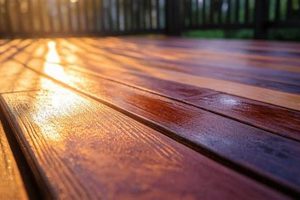
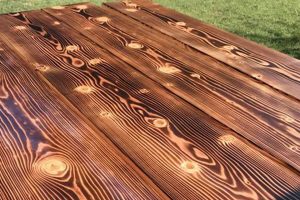
A protective coating applied to wooden surfaces intended for food preparation, this sealant is formulated to prevent the absorption of liquids and bacteria while remaining non-toxic upon contact with food. An example includes the application of mineral oil or beeswax to a butcher block to maintain its integrity and prevent contamination.
The application of a suitable coating to wood cutting boards is crucial for hygiene and longevity. Such treatments inhibit microbial growth, prevent warping and cracking caused by moisture, and extend the useful life of the board. Historically, natural oils have been favored due to their availability and relative safety, but modern formulations offer enhanced protection and durability.
This discussion will explore different types of acceptable coatings, their application methods, maintenance requirements, and considerations for selecting the appropriate product based on intended use and regulatory compliance.
Tips for Maintaining Wood Cutting Boards with Appropriate Coatings
Proper maintenance of wooden cutting boards treated with a safe sealant is paramount for ensuring food safety and extending the board’s lifespan. Adherence to these guidelines will optimize performance and hygiene.
Tip 1: Select a Verified Coating. Prioritize coatings explicitly labeled as food-grade and compliant with relevant health and safety standards. Verify independent certifications to ensure the product’s claims are substantiated.
Tip 2: Apply Coating Regularly. Reapply the protective sealant periodically, as determined by usage frequency and visual assessment. Signs of dryness or water absorption indicate the need for reapplication.
Tip 3: Prepare the Surface. Before applying any sealant, thoroughly clean the cutting board with warm, soapy water and allow it to dry completely. Light sanding may be necessary to remove imperfections or old, degraded coating.
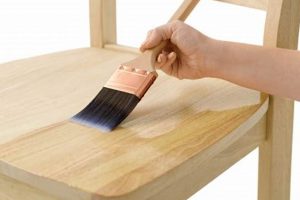
Tip 4: Use Appropriate Application Techniques. Apply the coating evenly, following the manufacturer’s instructions. Multiple thin coats are generally preferable to a single thick coat. Allow adequate drying time between coats.
Tip 5: Avoid Harsh Chemicals. Refrain from using harsh chemical cleaners or abrasive scouring pads on coated wood surfaces. These can damage the sealant and compromise its protective properties.
Tip 6: Dry Thoroughly After Washing. Ensure the cutting board is completely dry after each washing. Standing water can penetrate the coating and promote bacterial growth.
Tip 7: Store Properly. Store the cutting board in a dry, well-ventilated area to prevent moisture buildup and warping.
Consistent application of these maintenance practices will preserve the integrity of the sealant and maintain a hygienic surface for food preparation. This contributes to reduced risk of contamination and extends the functional life of the wood cutting board.
These tips provide a practical foundation for maintaining a food-safe wood cutting board. The following sections will delve into specific coating types and address advanced maintenance techniques.
1. Non-toxicity

Non-toxicity is a cardinal requirement for any sealant utilized on a wood cutting board. The direct contact between the treated surface and food necessitates the absence of harmful chemicals that could leach into edibles. Failure to ensure non-toxicity presents a direct risk of chemical contamination, potentially leading to adverse health effects ranging from mild allergic reactions to more severe systemic toxicity. An example includes using unrefined linseed oil, which contains siccatives (drying agents) that are toxic, instead of food-grade mineral oil.
The selection of a truly non-toxic product involves careful scrutiny of the ingredient list and adherence to regulatory standards. Products certified by recognized organizations provide an assurance of safety. Practical applications of this understanding involve consumers actively seeking out certified products, such as those meeting NSF standards for food zone usage. Manufacturers also bear the responsibility of clearly labeling their products and providing material safety data sheets (MSDS) to ensure transparency regarding chemical composition.
Ensuring non-toxicity in cutting board sealants represents a critical challenge in safeguarding public health. Overlooking this aspect can lead to serious health consequences. The broader theme emphasizes the importance of informed consumer choices and stringent regulatory oversight in maintaining food safety standards. Therefore, the non-toxicity of wood sealants is of great value in its effect to the overall safety of food that comes in contact with those boards.
2. Water Resistance

Water resistance is a critical property of any coating intended for application on wood cutting boards. Wood is inherently porous, and prolonged exposure to water or other liquids can lead to absorption, causing swelling, warping, and cracking. These structural changes create crevices that harbor bacteria, compromising the board’s hygienic integrity. A food-safe coating must, therefore, effectively repel water to prevent its absorption into the wood fibers. For example, untreated wooden cutting boards will quickly show signs of water damage and may even begin to harbor mold, making them unsafe for food preparation.
The efficacy of a water-resistant coating directly impacts the longevity and safety of the cutting board. Coatings achieving adequate water resistance prevent the ingress of moisture and food particles, inhibiting bacterial growth and easing cleaning efforts. Products like mineral oil and beeswax blends provide a hydrophobic barrier that repels water, allowing for easy removal of food residue. Regular reapplication of such treatments maintains this barrier, ensuring sustained protection. In contrast, coatings lacking sufficient water resistance will allow moisture to penetrate, leading to unsanitary conditions and premature degradation of the wood.
In summary, water resistance is an indispensable characteristic of an effective treatment for wood cutting boards. It is crucial for preserving the structural integrity of the wood, preventing bacterial contamination, and facilitating proper hygiene. The selection of a coating with high water resistance, coupled with regular maintenance, contributes significantly to the safety and durability of the cutting board, thereby mitigating potential health risks associated with food preparation.
3. Penetration Depth
Penetration depth refers to the extent to which a sealant permeates the wood fibers of a cutting board. This characteristic is critical in ensuring effective protection against moisture and bacterial ingress, influencing the longevity and hygiene of the food preparation surface.
- Wood Fiber Saturation
Adequate saturation of wood fibers with a approved coating enhances the board’s resistance to water absorption. This process minimizes swelling and warping, which can create crevices for bacterial growth. Examples include the application of multiple coats of mineral oil, allowing each layer to fully absorb into the wood before applying the next. Insufficient saturation leaves vulnerable areas susceptible to moisture, diminishing the protective benefits.
- Barrier Formation
A deeply penetrating coating establishes a robust barrier against external contaminants. This barrier prevents food particles and liquids from seeping into the wood, facilitating easier cleaning and reducing the risk of cross-contamination. For instance, beeswax-mineral oil blends offer both surface protection and deep penetration, creating a dual-layered defense against moisture and bacteria. Superficial coatings that do not penetrate adequately provide limited protection and are easily compromised.
- Durability and Longevity
The depth of penetration correlates directly with the coating’s durability. Deeper penetration ensures that the treatment remains effective over time, even with repeated use and washing. Sealants that penetrate deeply are less likely to be worn away by regular cleaning, extending the lifespan of the cutting board. Examples include polymerized tung oil, which forms a hard, durable coating within the wood fibers. Shallow applications require more frequent reapplication and offer less sustained protection.
- Prevention of Microbe Growth
By filling the porous structure of wood, deep penetration helps prevent the colonization of bacteria and fungi. This action creates an environment unfavorable to microbial growth, enhancing the overall safety of the cutting board. The antimicrobial properties of certain penetrating oils, such as walnut oil (for those without nut allergies) further contribute to a sanitary surface. Coatings that only form a surface layer do not offer this same level of protection against microbial invasion.
In conclusion, penetration depth is a key factor in determining the efficacy and longevity of approved treatments for wooden cutting boards. Adequate penetration ensures thorough protection against moisture, bacteria, and wear, promoting a safe and durable food preparation surface. The selection of appropriate treatments and application methods that maximize penetration depth is essential for maintaining a hygienic and long-lasting cutting board.
4. Maintenance Frequency

Maintenance frequency is intrinsically linked to the efficacy of any protective coating on a wooden cutting board. The nature of wood and its inherent porosity necessitates periodic reapplication of sealants to maintain a hygienic and functional surface. Infrequent maintenance can lead to the degradation of the protective layer, allowing moisture and bacteria to penetrate the wood fibers. This, in turn, diminishes the board’s ability to resist staining, warping, and microbial growth. A cutting board coated with mineral oil, for instance, requires regular reapplication, often after each washing, to replenish the oil lost during cleaning and prevent drying. Neglecting this maintenance results in a brittle, easily contaminated surface.
The appropriate maintenance frequency varies depending on several factors, including the type of product used, the intensity of usage, and the environmental conditions in which the board is stored. Cutting boards used daily require more frequent maintenance compared to those used less often. Similarly, boards exposed to high humidity may need more attention as moisture can accelerate the breakdown of the coating. For example, a cutting board treated with beeswax will likely require less frequent maintenance than one treated solely with mineral oil, as beeswax forms a more durable and water-resistant barrier. Regularly inspecting the surface of the cutting board for dryness or water absorption provides a practical guide for determining the appropriate maintenance schedule.
In summary, maintenance frequency is a crucial determinant of the performance and longevity of wooden cutting boards. Neglecting routine maintenance can compromise the protective barrier, rendering the board susceptible to contamination and damage. Implementing a consistent maintenance schedule, tailored to the specific coating and usage conditions, is essential for preserving the integrity of the wood and ensuring a safe food preparation surface. The challenge lies in educating consumers about the importance of maintenance and providing clear guidelines for optimal care. By understanding the interplay between maintenance frequency and protection, users can significantly extend the lifespan and improve the hygiene of their cutting boards.
5. Approved Ingredients

The term “Approved Ingredients” denotes substances deemed safe for use in applications that involve direct or indirect contact with food. When applied to protective coatings for wooden cutting boards, the selection of these ingredients is paramount to prevent the migration of harmful chemicals into food products. The use of non-approved substances can lead to contamination, potentially resulting in adverse health effects for consumers. For instance, the application of varnishes or paints not explicitly designated as food-safe introduces the risk of ingesting toxic compounds like lead or formaldehyde. Therefore, adherence to the list of “Approved Ingredients” is not merely a regulatory requirement but a critical measure for public health protection.
The approved status of a sealant ingredient is typically determined by regulatory bodies such as the Food and Drug Administration (FDA) in the United States or equivalent agencies in other countries. These agencies establish criteria and conduct evaluations to ensure that substances used in food-contact applications meet specific safety standards. Examples of approved ingredients commonly used in cutting board include mineral oil (USP grade), beeswax, carnauba wax, and certain types of nut oils (walnut, tung) processed to remove allergenic proteins. The selection of a coating should always be informed by a review of its Material Safety Data Sheet (MSDS) and adherence to regulatory guidelines, ensuring compliance and minimizing the risk of contamination.
The practical significance of utilizing approved ingredients in coatings resides in the assurance of food safety. Choosing recognized and certified materials guarantees that the cutting board remains a hygienic surface for food preparation. This assurance mitigates potential health risks and aligns with industry best practices. Conversely, neglecting this aspect can lead to serious liabilities for manufacturers and retailers, in addition to posing significant health hazards to consumers. As a result, the selection and utilization of approved ingredients are foundational elements in the production and maintenance of safe wooden cutting boards.
Frequently Asked Questions about Cutting Board Coatings
The following questions address common concerns and misconceptions regarding the selection and use of protective treatments for wooden cutting boards. These answers aim to provide clear, concise information to ensure food safety and prolong the lifespan of these essential kitchen tools.
Question 1: What constitutes a “food-safe” treatment for a wooden cutting board?
A “food-safe” coating is defined as a substance that, when applied to a wooden cutting board, does not leach harmful chemicals into food that comes into contact with the surface. It must be non-toxic, odorless, and tasteless, and should comply with relevant regulatory standards.
Question 2: Are all natural oils inherently safe for use on cutting boards?
Not all natural oils are suitable. While some, like mineral oil and certain nut oils (walnut, tung), are commonly approved, others may contain undesirable components or be prone to rancidity. Careful selection and verification of purity are essential.
Question 3: How often should a cutting board be re-treated with a protective coating?
Reapplication frequency depends on usage intensity and coating type. Visual indicators such as dryness, water absorption, or a dull appearance suggest the need for re-treatment. Heavily used boards may require weekly or even daily reapplication, while others may only need it monthly.
Question 4: Can dish soap be used to clean cutting boards after a mineral oil application?
Mild dish soap is acceptable for cleaning. However, excessive use or harsh detergents can strip the protective coating. Subsequent reapplication is often necessary to replenish the lost oil.
Question 5: Is there a permanent treatment option that eliminates the need for reapplication?
No treatment offers permanent protection. All protective coatings degrade over time and require periodic reapplication to maintain their efficacy. Products with polymerized oils offer improved durability, but ongoing maintenance remains essential.
Question 6: What are the risks associated with neglecting to treat a wooden cutting board?
Neglecting maintenance increases the risk of water absorption, warping, cracking, and bacterial contamination. Untreated boards are more difficult to clean and provide a less hygienic surface for food preparation, potentially increasing the risk of foodborne illness.
This FAQ section has provided foundational information regarding treatments for wooden cutting boards. Prioritizing safe materials and consistent maintenance is paramount.
The next section will address specific application methods for various types of coatings, providing practical guidance for effective treatment.
Conclusion
The preceding discussion has elucidated the essential aspects of selecting and maintaining a food safe wood finish for cutting board surfaces. Key considerations encompass ingredient approval, penetration depth, water resistance, and maintenance frequency, each contributing to the overall safety and longevity of the board. Proper application and consistent upkeep are imperative to mitigate the risks of bacterial contamination and structural degradation.
Therefore, diligent adherence to established guidelines and informed product selection remains paramount. Further research and regulatory updates should be consulted to ensure ongoing compliance and the continued provision of safe and hygienic food preparation environments. The ultimate responsibility resides with both manufacturers and consumers to prioritize food safety through informed choices and conscientious practices.