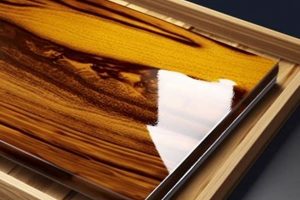
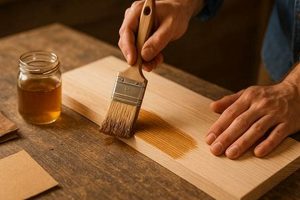
The concluding treatment of a wooden kitchen implement designed for food preparation is a critical step in its creation and maintenance. This process involves saturating the wood with a food-safe substance, typically oil or wax, to protect it from moisture, bacteria, and damage from repeated use. A properly executed concluding treatment extends the lifespan of the item and ensures safe food handling. For example, a newly crafted maple cutting board would be unfinished and porous until this process is correctly performed.
The implementation of this concluding procedure yields numerous advantages. It enhances the wood’s resistance to water absorption, preventing warping, cracking, and the harboring of harmful microorganisms. This preventative measure also preserves the aesthetic appeal of the wood by highlighting its natural grain and preventing discoloration. Historically, various oils and waxes have been utilized for this purpose, reflecting cultural and regional availability of resources and knowledge of their protective qualities.
The following discussion will detail the recommended materials, methods of application, and drying times associated with the treatment. Attention will be given to selecting appropriate finishing agents and the safe disposal of materials used in the application.
Practical Considerations for Concluding Wood Cutting Board Treatment
The following considerations will aid in achieving a durable, food-safe finish on wood cutting boards, extending their lifespan and maintaining hygiene.
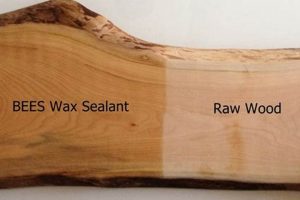
Tip 1: Select Food-Safe Finishes. Use only oils and waxes explicitly labeled as food-safe. Mineral oil, specifically designed for cutting boards, and beeswax are common choices. Avoid finishes containing solvents or drying agents that could leach into food.
Tip 2: Prepare the Wood Surface. Prior to application, ensure the wood is smooth and free of debris. Sanding with progressively finer grits (e.g., 120, 180, 220) creates an ideal surface for oil absorption.
Tip 3: Apply Oil Liberally. Flood the cutting board with oil, allowing it to saturate the wood fibers. Apply multiple coats, waiting several hours between applications to permit penetration. Excess oil can be wiped away after each saturation period.
Tip 4: Use a Clean Application Method. Employ a clean, lint-free cloth or applicator to apply the oil or wax. This prevents contamination of the finish with dust or fibers.
Tip 5: Allow Adequate Drying Time. Permit the treated board to dry completely between coats and after the final application. This may take several hours or overnight, depending on the chosen finish and environmental conditions. A tacky surface indicates insufficient drying.
Tip 6: Buff the Surface After Drying. After the final coat has dried, buff the cutting board with a clean cloth to remove any residual oil or wax and create a smooth, slightly lustrous surface.
Tip 7: Re-apply Finish Periodically. Regular maintenance is crucial. Re-apply oil or wax every few weeks or months, depending on usage, to maintain the board’s protective layer and prevent drying and cracking.
Adhering to these practical considerations ensures a safe, durable, and aesthetically pleasing finish, maximizing the utility and longevity of wooden cutting boards.
The subsequent section will address ongoing maintenance and care of finished wooden cutting boards to further extend their lifespan.
1. Food-safe oil selection

The process of concluding a wood cutting board’s creation necessitates the use of materials that will not compromise the safety of food prepared on its surface. The selection of food-safe oil is, therefore, not merely a component of the concluding process, but a fundamental prerequisite. The implications of selecting an inappropriate oil are direct and potentially harmful: the migration of toxic substances from the oil into food. For example, industrial oils containing solvents or heavy metals are strictly prohibited for use on cutting boards due to their potential to leach harmful chemicals upon contact with food. A food-safe oil, conversely, creates a protective barrier that prevents the absorption of liquids and bacteria into the wood, ensuring hygienic food preparation.
Consider the specific case of mineral oil, a common choice for wood cutting boards. Food-grade mineral oil is a non-toxic, non-drying oil that effectively seals the wood’s pores. It prevents the wood from absorbing moisture, which can lead to warping, cracking, and bacterial growth. However, it is crucial to distinguish between food-grade mineral oil and industrial mineral oil, as the latter may contain impurities that render it unsuitable for food contact. Similarly, the increasing popularity of using plant-based oils, such as walnut or coconut oil, presents the consideration of potential allergen exposure. Individuals with nut allergies must be cautious when using walnut oil, and selecting fractionated coconut oil removes the allergenic proteins. The choice of oil, therefore, requires careful consideration of its chemical composition, potential contaminants, and allergenic properties.
In summary, the strategic selection of a food-safe oil represents a crucial step in completing the finishing of a wood cutting board. A carefully considered selection protects both the integrity of the wood and the safety of the food prepared upon it. While mineral oil and select plant-based oils offer viable options, one must carefully evaluate their composition and potential allergenic effects to achieve a functional and health-conscious result. The implications of improper oil selection can have detrimental effects, creating potentially hazardous conditions during meal preparation, which necessitates that food-safe oil selection should be a key element of finishing wood cutting board.
2. Surface preparation sanding

Surface preparation sanding is an indispensable component of the process, significantly influencing the final quality and longevity of the treated wooden surface. A poorly prepared surface compromises the effectiveness of the oil finish, potentially leading to premature wear, uneven absorption, and increased susceptibility to bacterial contamination.
- Removal of Imperfections
Sanding eliminates surface imperfections, such as planer marks, scratches, and raised grain. These irregularities, if left untreated, can prevent uniform oil absorption, resulting in a blotchy or uneven finish. A properly sanded surface provides a smooth, consistent base for the oil to penetrate and adhere to, enhancing the overall aesthetic appeal and protective qualities of the finish. For instance, failing to sand out planer marks on a maple cutting board would result in oil pooling in the depressions, creating a visually unappealing and functionally inferior result.
- Opening Wood Pores
Sanding opens the wood pores, facilitating deeper penetration of the finishing oil. This increased absorption enhances the wood’s resistance to moisture and bacteria. The choice of sandpaper grit sequence is crucial; starting with a coarser grit (e.g., 120) to remove imperfections and progressing to finer grits (e.g., 220, 320) gradually refines the surface, creating an optimal texture for oil absorption. Neglecting to progress through finer grits can leave the surface too rough, hindering the development of a smooth, durable finish.
- Prevention of Contamination
Sanding removes surface contaminants, such as dirt, grease, and previous finishes, which can interfere with the proper adhesion of the new oil finish. Contaminants can create a barrier, preventing the oil from penetrating the wood and potentially leading to peeling, cracking, or discoloration of the finish. Thorough sanding ensures a clean, receptive surface, promoting a strong, durable bond between the wood and the oil. For example, sanding a previously used cutting board removes residual food particles and bacteria, preparing it for a fresh, sanitary oil finish.
- Enhanced Oil Absorption and Adhesion
Proper sanding significantly increases the surface area available for oil absorption. The microscopic texture created by sanding provides more points of contact for the oil to adhere to, enhancing its penetration and bonding to the wood fibers. This improved absorption and adhesion translate to a more durable, water-resistant finish that is less prone to wear and tear. The finish protects the wood cutting board against daily usage.
In conclusion, surface preparation sanding is not merely a preliminary step but an essential element that determines the quality and longevity of the concluding treatment. By removing imperfections, opening pores, preventing contamination, and enhancing oil absorption, sanding creates an optimal foundation for a durable, food-safe finish on wood cutting boards. The meticulous sanding will result in a premium wood cutting board to ensure the user in good health.
3. Liberal oil application

The generous application of oil is a critical stage in correctly completing the finishing of a wooden cutting board, influencing the board’s moisture resistance, durability, and food safety characteristics.
- Maximizing Penetration
Liberal oil application saturates the wood fibers, allowing for maximum penetration of the oil deep within the wood’s structure. This thorough saturation enhances the board’s resistance to water absorption. Wood which has been saturated with food-safe oil protects against the development of an environment favorable for bacterial growth, preventing warping, cracking, and staining. A sparing application will only treat the surface, leaving the deeper layers vulnerable.
- Displacing Air and Moisture
Ample oil drives out trapped air and residual moisture within the wood. This displacement prevents the wood from drying out and becoming brittle over time. Oil-saturated wood maintains a degree of flexibility, reducing the likelihood of cracking under stress. Insufficient oil leaves voids within the wood that can fill with moisture and promote decay, thus shortening lifespan.
- Enhancing Food Safety
A liberally oiled cutting board is easier to clean and sanitize. The oil creates a smooth, non-porous surface that minimizes the harboring of food particles and bacteria. Insufficient oiling leaves the wood porous and difficult to clean, increasing the risk of contamination. A food-safe oil creates an environment unfavorable to bacterial growth.
- Promoting Self-Healing
Regular, liberal oil application allows the wood fibers to swell slightly. This process assists in closing minor cuts and scratches that occur during regular use. The board can effectively self-heal small imperfections which reduces the ability of the board to trap moisture and food particles. Over time, a well-oiled board can better maintain its smooth, hygienic surface compared to one that is inadequately oiled.
Therefore, generous oil application is more than just a superficial treatment; it constitutes a comprehensive approach to preserving and protecting the wooden cutting board. This meticulous practice ensures optimal performance and provides a hygienic food preparation surface for years to come. Cutting boards with heavy usage may require more liberal application than others.
4. Complete saturation drying

The process of achieving complete saturation during the concluding treatment of a wood cutting board hinges critically on the subsequent drying phase. This drying stage solidifies the benefits of thorough oil application and significantly influences the final quality and durability of the board.
- Solvent Evaporation and Oil Polymerization
Drying facilitates the evaporation of any solvents present in the finishing oil. Simultaneously, it initiates or accelerates the polymerization of the oil itself. This process transforms the oil from a liquid to a semi-solid or solid state within the wood’s pores, creating a durable, water-resistant barrier. Insufficient drying leaves the oil tacky and prone to attracting dust and debris. An example is the use of tung oil, which requires extended drying periods to fully polymerize and provide optimal protection.
- Stabilization of Wood Fibers
Proper drying allows the wood fibers to stabilize after being saturated with oil. The oil fills the voids within the wood, preventing it from absorbing moisture from the surrounding environment. This dimensional stability minimizes warping, cracking, and other forms of damage caused by fluctuating humidity levels. Forced drying methods, such as using heat, can lead to uneven drying and stress within the wood, potentially causing irreversible damage.
- Development of Food-Safe Surface
Complete drying ensures that any volatile compounds present in the finishing oil have fully dissipated, leaving behind a food-safe surface. Residual solvents or uncured oil can potentially leach into food prepared on the board, posing a health risk. Adherence to recommended drying times, as specified by the oil manufacturer, is crucial to ensure complete curing and the absence of harmful substances. Use of volatile or harmful substances may lead to a potentially health-hazardous food preparation surface.
- Enhanced Durability and Longevity
Thorough drying contributes significantly to the overall durability and lifespan of the treated cutting board. A fully cured oil finish is more resistant to scratches, stains, and other forms of wear and tear. This enhanced protection reduces the frequency of re-oiling and extends the useful life of the board. If the drying process isn’t completed, then the cutting board will not be nearly as durable and require significantly more re-oiling.
In conclusion, the complete saturation drying phase is inextricably linked to the successful completion of a wood cutting board treatment. It ensures the stabilization of wood fibers, development of a food-safe surface and enhances the overall durability of the treatment. Adherence to proper drying protocols is essential for maximizing the benefits of the finishing process and achieving a long-lasting, hygienic, and aesthetically pleasing cutting board.
5. Buffing smooth surface

The concluding step of achieving a smooth surface through buffing is integral to treatment protocols for wooden cutting boards. This process enhances both the aesthetic and functional qualities of the finished product, serving as a critical element in ensuring optimal performance and longevity.
- Removal of Excess Finish
Buffing effectively removes residual oil or wax that may remain on the surface after drying. This excess material can create a tacky or uneven texture, attracting dust and debris. The buffing process, typically performed with a clean cloth or specialized buffing pad, creates a uniform surface, improving the board’s tactile feel and preventing contamination. For instance, a cutting board left with excess beeswax after treatment can feel sticky and unappealing until properly buffed.
- Enhancement of Sheen and Appearance
Buffing imparts a subtle sheen to the wood, enhancing its natural grain and color. This process elevates the aesthetic appeal of the cutting board, making it a more attractive and presentable kitchen tool. The degree of sheen can be controlled by the buffing pressure and the type of cloth or pad used. An unbuffed cutting board may appear dull and lack the visual appeal of a properly finished and buffed surface.
- Increased Surface Durability
The buffing process can contribute to the surface durability of the treated cutting board. The friction generated during buffing compacts the oil or wax finish, creating a more dense and resilient protective layer. This increased density enhances the board’s resistance to scratches, stains, and moisture penetration. A cutting board that has not been buffed may be more susceptible to damage from everyday use.
- Improved Cleanability
A smooth, buffed surface is easier to clean and maintain. The absence of surface irregularities minimizes the trapping of food particles and bacteria, simplifying the cleaning process and promoting better hygiene. A cutting board with a rough or uneven surface, in contrast, can be difficult to clean thoroughly, increasing the risk of contamination. Regular buffing as part of maintenance can further enhance cleanability over time.
These facets of buffing smooth surfaces are vital to achieving the intended goal of finishing wood cutting boards. Its impacts range from immediate improvement in surface texture and appearance to long-term benefits in surface durability, ease of cleaning, and ensuring the overall hygiene of the final product. By addressing both aesthetics and function, buffing serves as a final step toward completion.
6. Periodic re-application

The maintenance of wooden cutting boards necessitates regular and repeated applications of appropriate finishing agents. The act of concluding treatment is not a one-time event but rather a cyclical process essential for preserving the board’s integrity and ensuring its safe use over an extended period.
- Maintaining Moisture Barrier
Over time, the initial oil or wax treatment degrades due to repeated washing and contact with food. The protective barrier diminishes, leaving the wood susceptible to moisture absorption, which can lead to warping, cracking, and bacterial growth. Re-application replenishes this barrier, mitigating these risks. For instance, a cutting board used daily requires more frequent re-application than one used only occasionally.
- Preventing Contamination
Regular use creates microscopic cuts and scratches on the board’s surface, providing crevices for bacteria and food particles to accumulate. Re-application of oil fills these imperfections, creating a smoother, more hygienic surface that is easier to clean. This process reduces the likelihood of cross-contamination and promotes food safety. A neglected cutting board may harbor harmful microorganisms, even after washing, if the protective finish has deteriorated.
- Prolonging Board Lifespan
Consistent re-application of finishing agents helps to prolong the lifespan of the cutting board. By preventing moisture absorption and reducing the risk of cracking and warping, the board remains structurally sound for a longer period. This preventative maintenance reduces the need for replacement and represents a cost-effective strategy. Consider a high-quality hardwood cutting board, which, with proper and consistent re-application, could last for decades.
- Enhancing Aesthetic Appeal
Re-application not only preserves the functionality of the cutting board but also enhances its aesthetic appearance. Fresh oil or wax brings out the natural grain and color of the wood, restoring its original luster and preventing it from looking dry or faded. This maintenance ensures that the cutting board remains a visually appealing addition to the kitchen. A neglected board can appear dull and lifeless, detracting from the overall kitchen aesthetic.
The facets detailed underscore the intrinsic connection between regular maintenance and the overall effectiveness. Consistent and well-executed maintenance is critical for maximizing the utility, safety, and visual appeal of these essential kitchen tools. This periodic procedure forms the foundation of a robust practice that promotes longevity and functionality.
7. Hygienic maintenance cleaning
The effective maintenance of a wooden cutting board necessitates rigorous cleaning protocols that complement the concluding treatment of the wood. Neglecting this element compromises the integrity of the finish and fosters an environment conducive to microbial proliferation, undermining food safety.
- Immediate Post-Use Cleaning
Prompt cleaning after each use prevents the adhesion and accumulation of food particles, which serve as a nutrient source for bacteria. Rinsing with hot, soapy water removes surface debris before it can penetrate the wood fibers. Failure to clean immediately allows organic matter to dry and become more difficult to remove, increasing the risk of bacterial contamination. For instance, lingering residue from raw poultry poses a significant cross-contamination threat if not addressed promptly.
- Sanitization Protocols
Periodic sanitization with food-safe solutions, such as diluted bleach or vinegar, eliminates residual bacteria that may survive routine washing. These sanitizing agents disrupt microbial cell walls, effectively reducing the bacterial load on the board’s surface. Improper dilution or prolonged exposure to sanitizing agents can damage the wood finish, necessitating re-application of the concluding treatment. A cutting board used for raw meats requires more frequent and thorough sanitization than one used exclusively for produce.
- Proper Drying Techniques
Thorough drying after cleaning prevents the establishment of moist environments that promote bacterial growth. Air drying, preferably in a well-ventilated area, allows moisture to evaporate completely from the wood fibers. Towel drying can spread contaminants if the towel is not clean. Storing a damp cutting board in a closed cabinet encourages microbial proliferation. An example would be leaving a cutting board leaning against a wall where moisture can accumulate.
- Regular Inspection and Maintenance
Routine inspection for signs of damage, such as deep cuts or cracks, allows for timely intervention. These imperfections provide havens for bacteria and are difficult to clean effectively. Sanding and re-finishing can restore the board’s surface and eliminate these harborage points. A neglected cutting board with deep scratches poses a greater risk of contamination than a well-maintained board with a smooth surface. Replace board, if too old.
These facets underscore the integral relationship between rigorous cleaning practices and the concluding treatment of wood cutting boards. Each step contributes to maintaining a hygienic surface and prolonging the board’s lifespan, mitigating the risk of foodborne illness. It is important to balance thorough cleaning and sanitization with the need to protect the wood finish, ensuring both food safety and the longevity of the cutting board.
Frequently Asked Questions
This section addresses common inquiries regarding the proper concluding treatment of wood cutting boards. The information presented aims to clarify optimal practices and mitigate potential issues that may arise during the finishing process.
Question 1: What constitutes a food-safe finish for a wood cutting board?
A food-safe finish is composed of materials deemed non-toxic and suitable for contact with food by regulatory agencies. Commonly accepted options include mineral oil USP (United States Pharmacopeia), refined coconut oil (fractionated), and beeswax. Finishes containing solvents, varnishes, or drying agents are generally unsuitable.
Question 2: How often should a wood cutting board be oiled?
The frequency of oiling depends on usage and environmental conditions. A general guideline is to oil the board whenever it appears dry or faded, typically every few weeks to every few months. More frequent applications may be necessary in dry climates or with heavy use.
Question 3: Is sanding essential before applying a finish to a wood cutting board?
Sanding is highly recommended. It removes imperfections, opens wood pores, and improves the adhesion of the finish. Progressing through increasingly finer grits creates a smooth, even surface that optimizes oil absorption and creates a durable finish.
Question 4: How long should a wood cutting board dry after oiling?
The drying time varies depending on the type of oil used and environmental factors. Generally, allow the oil to penetrate for several hours or overnight. Wipe off any excess oil and allow the board to air dry completely before use. A tacky surface indicates insufficient drying.
Question 5: Can a wood cutting board be over-oiled?
While it’s beneficial to apply oil liberally, over-saturation can lead to a sticky or gummy surface. Wiping off excess oil after each application and allowing adequate drying time prevents this issue. Over-application presents no health hazard, but impairs surface properties.
Question 6: How can the finish on a wood cutting board be maintained and protected?
Regular cleaning with mild soap and water, followed by thorough drying, is essential. Avoid harsh chemicals or abrasive cleaners. Periodic re-oiling replenishes the protective barrier. Store the board in a dry location to prevent warping or cracking.
The information provided addresses central concerns related to the process. A consistent routine of care, coupled with careful material selection, maximizes both safety and longevity.
The following section offers guidance on the disposal of materials used in the treatment process.
Concluding Perspectives on Wood Cutting Board Finishing
The preceding discussion has comprehensively addressed the essential elements of properly executing the finishing process. The selection of food-safe materials, meticulous surface preparation, thorough oil application, adequate drying procedures, surface buffing, consistent re-application, and hygienic cleaning practices are all critical in achieving a safe, durable, and aesthetically pleasing result. A deficiency in any of these areas compromises the integrity and longevity of the wood cutting board, potentially leading to unsanitary conditions and premature degradation.
Therefore, a comprehensive understanding of this subject matter is paramount for both professional woodworkers and home culinary enthusiasts alike. By adhering to the outlined principles and diligently executing each step, one can ensure the creation and maintenance of a kitchen tool that promotes food safety, endures daily use, and retains its natural beauty for years to come. The effort invested in proper treatment translates directly into a higher quality and longer lasting kitchen essential.
![Buy Quality Finished Shelf Wood - [Your Brand] | Best Final Touch: Elevate Your Projects with Professional Finishing](https://bestfinaltouch.com/wp-content/uploads/2026/05/th-447-300x200.jpg "Buy Quality Finished Shelf Wood - [Your Brand] Best Final Touch: Elevate Your Projects with Professional Finishing")
![Buy Premium Walnut Finished Wood [Deals Inside] | Best Final Touch: Elevate Your Projects with Professional Finishing](https://bestfinaltouch.com/wp-content/uploads/2026/05/th-405-300x200.jpg "Buy Premium Walnut Finished Wood [Deals Inside] Best Final Touch: Elevate Your Projects with Professional Finishing")