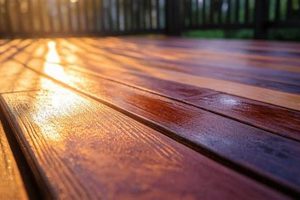
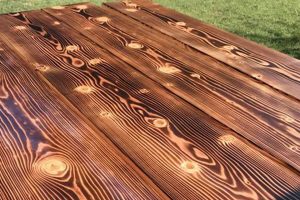
The act of removing a pre-existing coating from timber surfaces defines a common woodworking practice. This process reveals the underlying material, typically in preparation for refinishing or to achieve a different aesthetic. For example, consider the careful removal of aged varnish from antique furniture to restore its natural appearance, or the elimination of layers of paint from interior trim prior to applying a fresh coat.
Such removal offers significant advantages. It provides a clean foundation for new finishes, ensuring proper adhesion and a professional result. Furthermore, it allows for the assessment and repair of the wood itself, addressing any imperfections obscured by previous treatments. Historically, this practice has been essential in preserving and repurposing wooden objects, extending their lifespan and adapting them to changing tastes and needs.
The subsequent sections will detail methods employed in surface coating removal, examine safety considerations necessary for handling removal agents, and provide guidance on selecting appropriate techniques based on wood type and finish composition. Additionally, disposal protocols for waste materials generated during this process will be addressed.
Surface Coating Removal
Effective surface coating removal requires careful planning and execution. Adherence to the following guidelines maximizes efficiency and minimizes potential damage to the underlying wood.
Tip 1: Identify the Existing Finish. Proper identification of the existing surface coatingwhether varnish, lacquer, paint, or polyurethaneis crucial. Different coatings require different removal agents and techniques. Solvents effective on lacquer may be ineffective on polyurethane.
Tip 2: Prioritize Safety. All surface coating removal agents involve inherent risks. Work in a well-ventilated area and utilize appropriate personal protective equipment, including gloves, eye protection, and a respirator rated for organic vapors. Consult the Material Safety Data Sheet (MSDS) for specific safety precautions related to the chosen agent.
Tip 3: Test Removal Agents. Before applying any removal agent to the entire surface, test it in an inconspicuous area. This assesses its effectiveness, prevents unexpected reactions, and allows adjustments to the application technique if necessary.
Tip 4: Follow Manufacturer’s Instructions. Strict adherence to the manufacturer’s instructions for dwell time, application method, and neutralization is paramount. Deviation from these instructions can result in incomplete removal, damage to the wood, or hazardous residue.
Tip 5: Employ Appropriate Tools. Select tools suited to the specific task. Plastic scrapers are generally preferred over metal scrapers to minimize the risk of scratching the wood. Steel wool can be used for fine surface abrasion, but avoid excessive pressure.
Tip 6: Neutralize Residue. After removing the coating, neutralize any remaining residue from the removal agent according to the manufacturer’s recommendations. Failure to neutralize can impede the adhesion of subsequent finishes.
Tip 7: Dispose of Waste Properly. Dispose of used removal agents, rags, and other contaminated materials in accordance with local regulations for hazardous waste disposal. Do not pour these materials down drains or into the environment.
Implementing these tips provides a framework for successful and safe surface coating removal, ensuring a sound foundation for subsequent finishing processes.
The following sections will expand upon specific removal techniques and explore advanced considerations for challenging coating types.
1. Surface Preparation

Surface preparation is a foundational step in the process of removing existing finishes from wood. Its meticulous execution directly influences the effectiveness of subsequent removal efforts and the ultimate quality of the refinished piece. Neglecting this stage can lead to inconsistent results, potential damage to the substrate, and compromised adhesion of new coatings.
- Cleaning and Degreasing
The initial step involves removing surface contaminants such as dust, dirt, grease, and wax. These substances impede the penetration of chemical removers, rendering them less effective. For example, removing old furniture polish with mineral spirits before applying a chemical stripper ensures the stripper can properly interact with the existing varnish layer. Failure to do so might result in patchy removal and increased labor.
- Loose Finish Removal
Any loose or flaking finish must be removed prior to applying a chemical stripper. This prevents these fragments from interfering with the removal process and ensures uniform exposure to the remover. Scraping off deteriorated paint prior to chemical treatment is a common example. This allows the remover to target the firmly adhered layers without being impeded by loose debris.
- Surface Abrasion (Optional)
In certain cases, light abrasion with sandpaper or steel wool can enhance the effectiveness of chemical strippers. This creates microscopic grooves in the existing finish, improving the remover’s ability to penetrate the surface. This technique is often employed when dealing with particularly resistant coatings. However, care must be taken to avoid excessively damaging the wood beneath. For example, slightly sanding the surface of the existing finish may improve the ability of the stripper to penetrate deeply and effectively.
These elements of surface preparation are indispensable to successful finish removal. They ensure that the chemical agents can act efficiently, minimizing the risk of damage to the wood and maximizing the quality of the final refinished product. Effective surface preparation minimizes chemical use, reduces the number of application rounds, and supports a superior refinishing outcome.
2. Chemical Selection
Chemical selection constitutes a critical determinant in the effectiveness and safety of stripping coatings from wood. The existing finish dictates the appropriate chemical agent. Incompatibility can lead to ineffective removal, potential damage to the wood substrate, or the creation of hazardous byproducts. For instance, using a water-based stripper on an oil-based varnish yields limited results, necessitating multiple applications and potentially raising the wood grain. Conversely, an overly aggressive solvent on delicate veneer may dissolve the adhesive, causing delamination. Therefore, informed selection based on finish identification is paramount.
The properties of different finishes necessitate varied chemical approaches. Lacquer, characterized by its rapid drying time and relatively low resistance to solvents, typically responds well to lacquer thinner or specialized lacquer strippers. Polyurethane, known for its durability and solvent resistance, often requires stronger, more aggressive strippers containing methylene chloride. Shellac, a relatively fragile finish, is effectively removed with denatured alcohol. Consequently, a misinformed choice can increase project time, introduce unnecessary risks, and degrade the final outcome.
Accurate chemical selection directly affects project efficiency, safety, and the preservation of the underlying wood. Ignoring the interplay between finish type and chemical properties may lead to material damage, necessitating costly repairs or replacements. Applying appropriate chemical agents tailored to the specific finish optimizes removal speed, reduces the labor required, and minimizes the risk of adverse effects on the wood itself. This informed approach serves as a linchpin for successful coating removal.
3. Technique Application

Effective surface coating removal from wood necessitates the application of specific techniques tailored to the finish type, chemical agent, and wood substrate. Methodical technique application minimizes damage to the wood, maximizes removal efficiency, and ensures a safe working environment.
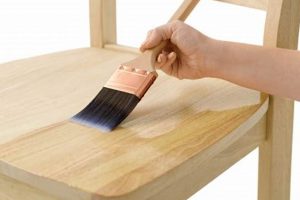
- Brush Application
The use of brushes allows for even distribution of chemical strippers across the wood surface. Natural bristle brushes are generally recommended for solvent-based strippers, while synthetic brushes are suitable for water-based formulations. Proper brushing technique involves applying a generous, even layer of the stripper, working in the direction of the wood grain. This prevents streaking and ensures consistent penetration of the coating. An example is the use of a wide, flat brush to apply a thick coat of paint stripper to a large, flat wooden surface, such as a tabletop, ensuring the entire surface is evenly saturated. Uneven application can lead to incomplete finish removal and the need for re-application.
- Scraping Techniques
After the stripper has had sufficient dwell time, scraping removes the softened finish. Plastic scrapers are preferred to metal scrapers to minimize the risk of scratching the wood. The scraper should be held at a shallow angle and moved in the direction of the grain. Overlapping strokes ensure complete removal. Consider the careful scraping of softened varnish from intricate carvings on furniture, using a variety of scraper shapes and sizes to access tight spaces without damaging the delicate details. Incorrect scraping, such as applying excessive pressure or using a sharp metal tool, can permanently mar the wood surface.
- Steel Wool Application
Steel wool, typically grade 0000, is used to remove remaining residue and smooth the surface after scraping. It should be used gently, with the grain of the wood. Steel wool is particularly useful for removing finish from contoured surfaces and corners. For example, lightly rubbing a piece of fine steel wool over the surface of a door after the bulk of the paint has been removed can eliminate stubborn residue and prepare the surface for sanding. Excessive pressure or the use of coarser grades of steel wool can create scratches on the wood.
- Solvent Washing
Following scraping and steel wool application, solvent washing neutralizes any remaining stripper residue and prepares the surface for sanding or refinishing. The choice of solvent depends on the stripper used; mineral spirits or denatured alcohol are commonly employed. Applying the solvent with a clean cloth and wiping in the direction of the grain ensures complete removal of the residue. Consider washing a stripped wooden chair frame with mineral spirits to remove any remaining traces of paint stripper before sanding and applying a new finish. Failure to adequately remove the stripper residue can interfere with the adhesion of the new finish.
The selection and skillful execution of these techniques directly impact the outcome of the finish removal process. Proper application minimizes the risk of damage to the wood, optimizes removal efficiency, and prepares the surface for subsequent refinishing. In contrast, improper technique application can result in an uneven surface, scratches, or incomplete finish removal, requiring additional work and potentially compromising the integrity of the wood.
4. Safety Protocols

The process of surface coating removal from wood inherently involves potential hazards, necessitating strict adherence to safety protocols. These protocols are not merely precautionary measures; they are integral to the well-being of individuals performing the task and the preservation of the surrounding environment. The chemical agents employed often contain volatile organic compounds (VOCs) and corrosive substances that pose risks through inhalation, skin contact, and ingestion. Failure to implement appropriate safety measures can lead to acute health effects, such as respiratory irritation, skin burns, and neurological damage. Furthermore, improper handling and disposal of waste materials can contaminate soil and water resources, contributing to long-term environmental harm. Consider, for instance, the scenario of stripping paint from antique furniture in an enclosed space without adequate ventilation. The accumulation of VOCs from the stripping agent can quickly reach hazardous levels, causing dizziness, nausea, and even loss of consciousness. Proper ventilation, coupled with the use of a respirator, would mitigate these risks significantly.
The selection and consistent application of personal protective equipment (PPE) constitute a primary component of effective safety protocols. This includes, but is not limited to, chemical-resistant gloves to prevent skin contact, eye protection to shield against splashes and fumes, and respirators equipped with appropriate cartridges to filter airborne contaminants. The specific type of respirator required depends on the chemical composition of the stripping agent. Methylene chloride, for example, demands a respirator specifically designed to filter this substance. Moreover, engineering controls, such as local exhaust ventilation systems, should be implemented to capture and remove hazardous vapors at the source. Furthermore, proper storage and disposal procedures are critical to prevent accidental spills and environmental contamination. Used stripping agents, rags, and other contaminated materials must be contained in sealed containers and disposed of in accordance with local regulations for hazardous waste.
In summary, adherence to comprehensive safety protocols is indispensable when removing coatings from wood. These protocols, encompassing the use of PPE, engineering controls, and proper disposal methods, serve to minimize the risks associated with hazardous chemicals and ensure the safety of individuals and the environment. Neglecting these precautions can have severe consequences, ranging from immediate health problems to long-term environmental damage. Consequently, a thorough understanding and conscientious implementation of safety protocols are paramount for all those involved in this process.
5. Residue Removal

Residue removal is an essential and inseparable step in the process of surface coating elimination from wood. The incomplete removal of residual stripping agents following the primary stripping phase directly impedes subsequent finishing processes. Chemical residues often contain solvents, emulsifiers, and dissolved finish components that can compromise the adhesion, curing, and overall performance of newly applied coatings. For instance, if remnants of a methylene chloride-based stripper remain on the wood surface, they can interfere with the drying of oil-based paints or varnishes, resulting in a tacky, uneven finish, or even coating delamination. Therefore, adequate residue elimination is a prerequisite for achieving a professional and durable refinished surface. Failure to remove residue initiates a chain of undesirable effects affecting longevity and aesthetics of the refinished wooden work.
Effective residue removal techniques vary depending on the chemical stripping agent employed and the type of wood involved. Mineral spirits, denatured alcohol, and water are frequently used as post-stripping solvents to neutralize and remove residual stripping compounds. The selection of an appropriate neutralizing agent is crucial; using an incompatible solvent can exacerbate the problem by causing the residue to solidify or react negatively with the wood. Furthermore, agitation, such as scrubbing with a stiff brush or wiping with a clean cloth, is necessary to dislodge residue from the pores and grain of the wood. In some instances, multiple solvent washes may be required to ensure complete removal. The process must carefully balance aggressiveness with gentleness, mitigating harm to vulnerable wood grain.
In summary, complete surface coating removal from wood hinges directly on the thoroughness of residue elimination. The presence of even trace amounts of residual stripping agents can negatively impact the adhesion, curing, and overall performance of subsequent coatings. Applying appropriate neutralizing agents, coupled with effective agitation techniques, is essential for achieving a clean, stable substrate suitable for refinishing. The challenges of residue removal are compounded by the variety of stripping agents and wood types, necessitating a case-by-case evaluation and meticulous execution. Mastering residue removal is a crucial determinant of success in furniture refinishing, interior woodwork restoration, and other applications that entail the elimination of surface coatings from wood.
6. Wood Assessment

Wood assessment, in the context of surface coating removal, forms a crucial bridge between exposing the bare wood and undertaking subsequent finishing processes. This evaluative phase determines the suitability of the underlying wood for refinishing and guides necessary repairs or treatments.
- Identification of Wood Species
Accurate identification of the wood species is paramount. Different wood types exhibit varying porosity, grain patterns, and susceptibility to damage from chemical agents. For instance, softwoods like pine require more gentle stripping techniques than hardwoods like oak, due to their increased vulnerability to scratching and absorption of chemicals. An understanding of the wood species allows for tailored stripping methods that minimize potential harm. Identifying the species also informs the selection of appropriate stains and finishes for refinishing.
- Evaluation of Structural Integrity
Assessment of the wood’s structural integrity identifies any weaknesses or damage that may compromise the final result. Checks, splits, warping, and insect infestations are common issues uncovered during this stage. For example, discovering a large split in a tabletop after removing the old finish necessitates repair before any further finishing work can proceed. Ignoring structural defects results in a compromised and potentially unstable final product. Identifying wood rot, termite damage or any other compromise to the structure is key to making sure that you get a stable and visually appealing refinished final product.
- Assessment of Surface Condition
The condition of the wood surface dictates the level of preparation required before refinishing. Issues such as raised grain, scratches, dents, and unevenness must be addressed to achieve a smooth, consistent finish. Consider the scenario where removing an old varnish layer reveals numerous small dents on a table surface. Filling these dents with wood filler before sanding ensures a level surface for the new finish. Addressing surface imperfections prior to refinishing enhances the aesthetic quality and durability of the final product.
- Determination of Previous Treatments
Identifying any previous treatments, such as staining, bleaching, or the application of sealers, is essential for planning the refinishing process. Certain treatments may react negatively with new finishes, causing discoloration or adhesion problems. For instance, if a piece of furniture was previously bleached, the wood may require a neutralizing treatment before staining to ensure an even color. Recognizing the history of previous treatments informs the selection of compatible refinishing products and techniques.
Wood assessment serves as an indispensable precursor to successful refinishing. By thoroughly evaluating the underlying wood, potential problems can be identified and addressed, ensuring a durable, aesthetically pleasing, and structurally sound finished product. The investment in proper assessment is an investment in the longevity and quality of the refinished piece.
Frequently Asked Questions About Surface Coating Removal from Wood
This section addresses common inquiries concerning the process of removing existing finishes from wood surfaces, providing clarity on best practices and potential challenges.
Question 1: What is the most efficient method for surface coating removal from intricately carved wooden surfaces?
Solvent-based chemical strippers, carefully applied with small brushes, are generally preferred for intricately carved surfaces. The stripper softens the finish, which can then be removed with dental picks, specialized scraping tools, and fine steel wool. Media blasting using crushed walnut shells or similar soft abrasives presents an alternative, but may alter the wood surface.
Question 2: How does one identify the type of existing surface coating prior to initiating the removal process?
A simple solvent test can often aid in identifying the finish. Applying small amounts of denatured alcohol, lacquer thinner, and mineral spirits to inconspicuous areas reveals the finish’s solubility. Shellac dissolves in denatured alcohol, lacquer dissolves in lacquer thinner, while varnish and polyurethane exhibit greater resistance to these solvents.
Question 3: What safety precautions are essential when utilizing chemical stripping agents?
Adequate ventilation is paramount, preferably through the use of a local exhaust ventilation system. Personal protective equipment, including chemical-resistant gloves, eye protection, and a respirator equipped with cartridges appropriate for the specific chemicals used, is mandatory.
Question 4: Is sanding a suitable alternative to chemical stripping?
Sanding can be used, but it carries a greater risk of damaging the wood surface, particularly with veneers. Sanding generates substantial dust, posing a respiratory hazard. Chemical stripping, when performed correctly, generally preserves finer details and minimizes material loss.
Question 5: What is the correct method for disposing of chemical stripping waste?
Used chemical stripping agents, rags, and other contaminated materials are classified as hazardous waste and must be disposed of in accordance with local, state, and federal regulations. Contacting a local hazardous waste disposal facility ensures compliance.
Question 6: How can one prevent damage to wood veneer during surface coating removal?
Use the mildest chemical stripper effective for the finish type. Apply the stripper in thin coats and monitor the dwell time carefully. Avoid excessive scraping pressure. Heat guns can soften finishes, but must be used with caution to prevent delamination of the veneer.
Understanding the nuances of finish removal, the identity of the coating, the needed precautions, and the disposal processes is an important skillset that you can have.
The subsequent sections will delve into advanced stripping techniques for specialized finishes and address strategies for dealing with intricate or delicate wood surfaces.
Conclusion
This exposition has elucidated the multifaceted nature of the task defined as the verb phrase “strip finished wood.” The process encompasses finish identification, safe chemical handling, meticulous application techniques, residue mitigation, and thorough substrate assessment. Each element demands a commitment to best practices and a recognition of potential hazards and material vulnerabilities.
Continued adherence to established protocols and ongoing exploration of improved methods will further refine surface coating removal practices. The preservation of wooden artifacts and structures relies on skilled execution and a dedication to minimizing environmental impact. Future advancements should prioritize safer, more sustainable techniques and enhance the long-term integrity of the underlying wood.